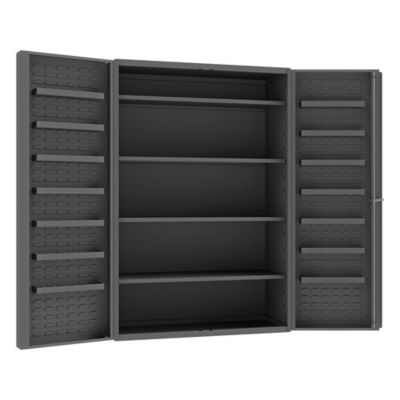
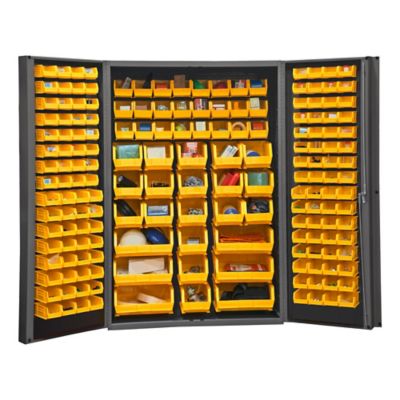
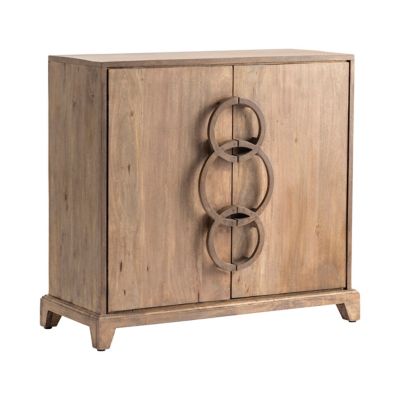
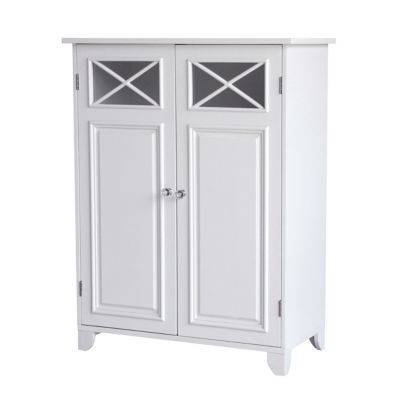
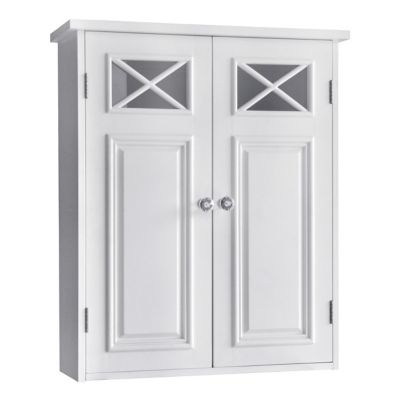
Cabinet doors are the movable fronts that cover cabinet openings, keep stored belongings out of sight and shape the look of a kitchen, bathroom, laundry room or workshop. Their style matters, but so do the material, measurements and way they attach to the cabinet box. A plain slab door has a smooth, uninterrupted face that wipes down easily, while a Shaker-style door has a recessed center framed by straight rails and stiles. Raised-panel doors add depth and shadow, giving a bank of cabinets a more substantial look. In a farmhouse kitchen with wood floors and a hardworking sink, a simple framed front can feel right at home without making the room look too busy. The same clean lines can work beside a laundry counter or above a workbench. Material affects both appearance and everyday performance. Solid wood brings visible grain and can take stain or paint, depending on the species and surface preparation. Natural differences in grain mean adjoining fronts may not look identical, even with the same finish. Medium-density fiberboard, often called MDF, provides a smooth surface for painted finishes, though exposed edges need protection from moisture. Plywood construction can offer strength with less weight than some solid-panel designs, while laminate and other covered surfaces bring their own cleaning and edge-care considerations. Metal doors may suit utility storage where a simple, wipeable face makes sense. Construction matters as much as the material name: a framed door with a separate center panel behaves differently from a single flat panel. The condition of joints, edges and finish all affects how a front stands up to repeated opening and closing. Matching the door to the room means thinking beyond color, especially around sinks, cleaning supplies, damp cloths and the everyday bumps that come with a busy household.
The right cabinet door fit depends on more than the opening’s width and height. Overlay doors sit across part or all of the cabinet face, while inset doors fit inside the opening with a narrow gap around the edges. Those arrangements call for different measurements and hinge positions, so a replacement front needs to match the cabinet’s construction rather than simply resemble the old door. Face-frame cabinets have a frame around the front of the box; frameless cabinets attach hardware directly to the box sides. That difference helps determine which hinges fit and how far the door can swing. On hinged fronts, the door’s thickness, hinge-cup dimensions, screw-hole locations and required clearances all deserve attention. A front that looks close in size can still rub against a drawer, catch a neighboring handle or leave an uneven gap down the middle of a pair. Corner cabinets and cabinets beside walls need enough room for both the door and its pull to move freely. The swing also matters inside: a door that does not open far enough may block a pullout tray or make a deep shelf harder to reach. Existing hardware is not automatically a match for a new front, and doors, hinges, mounting plates and handles may be separate parts of a project. A painted replacement also may not blend perfectly with an older finish, particularly where the surrounding fronts show years of handling. Matching the profile, grain direction and sheen helps a repair look settled rather than pieced together. When a project includes new cabinet boxes rather than replacement fronts alone,
Assembly Cabinets offer another starting point for planning the layout. In either case, square cabinet boxes and secure mounting give the fronts a better foundation. A sagging box or loose hinge connection can make even a well-sized door hang crooked.
Everyday routines help narrow down which cabinet doors make sense for a space. In a kitchen, the fronts nearest the sink and cooking area tend to collect splashes, fingerprints and grease, making an intact, easy-to-clean finish especially helpful. A flat face has fewer corners to wipe, while a recessed or raised panel has edges where dust and crumbs can gather. In a bathroom or laundry room, keeping water away from unfinished edges and hardware holes helps limit swelling and finish damage. Shop and utility cabinets may see dusty hands, tool handles and the occasional bump from a bucket, so surface toughness and sturdy hinge attachment carry more weight than a perfect color match. Door size matters here, too: a broad, heavy front puts different demands on its hardware than a small upper-cabinet door. Handles with enough finger clearance can be easier to grab with work-worn hands, and a suitable soft-close hinge can ease the last part of the closing motion without changing the need for sound mounting. Closed doors tidy the view, but they do not make a cabinet airtight or secure hazardous supplies on their own. Cleaning chemicals, sharp tools and other potentially harmful contents still need storage and latching suited to the household. For routine care, a soft cloth and a cleaner approved for the finish are generally a better match than abrasive pads or strong solvents. Moisture left along a lower edge or around a handle can work into small breaks in the surface, so wiping up spills promptly helps protect the front. Loose screws, a rubbing corner or a widening gap are worth addressing before the door starts dragging every time it opens. Cabinet doors are not shelves or supports, and hanging heavy bags from a knob can strain the connection. With a sensible material choice, a proper fit and everyday care, replacement doors can refresh sound cabinet boxes while keeping familiar storage working for the chores at hand.