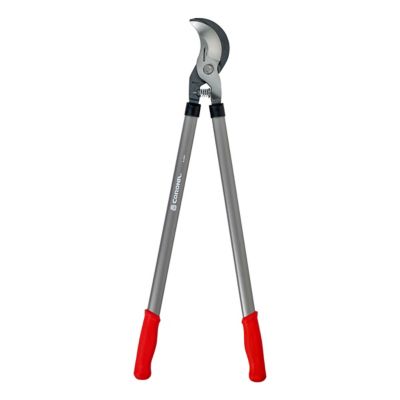
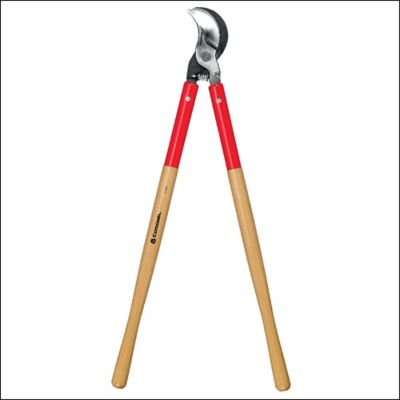
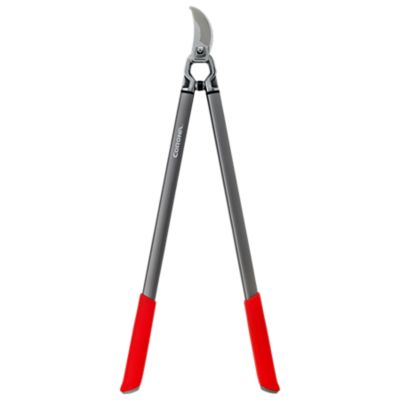
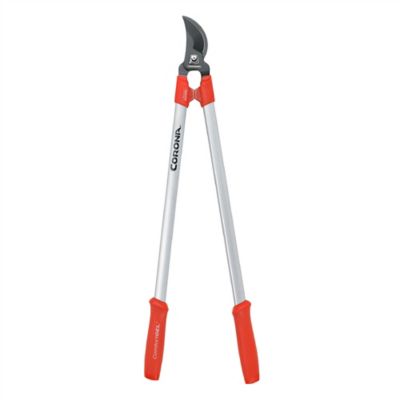
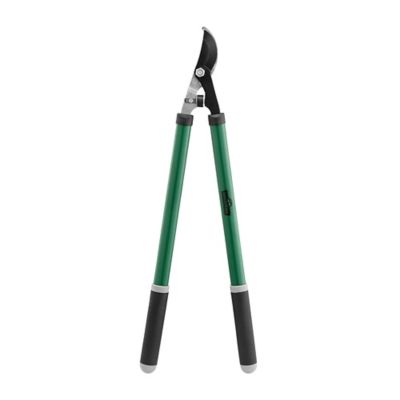
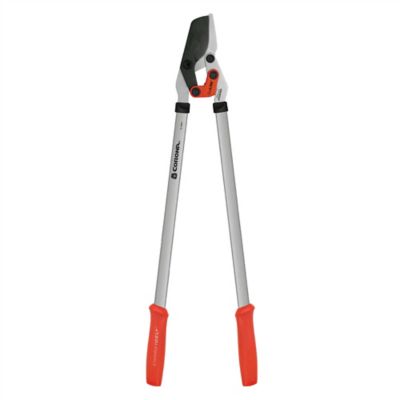
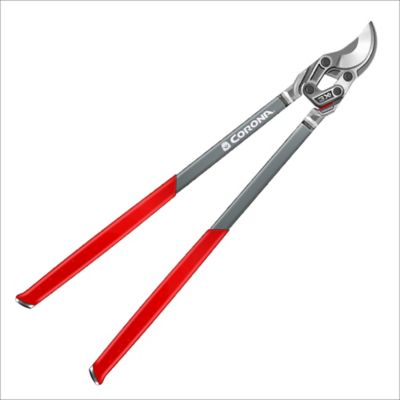
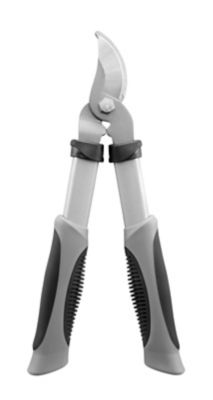
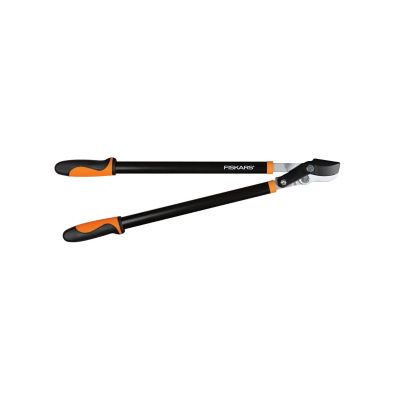
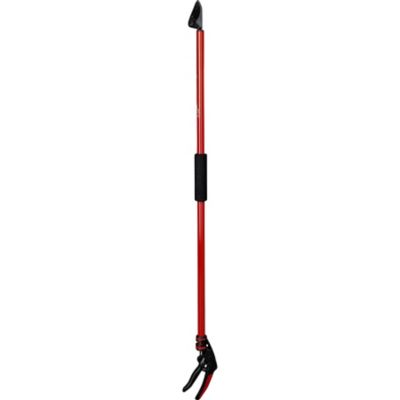
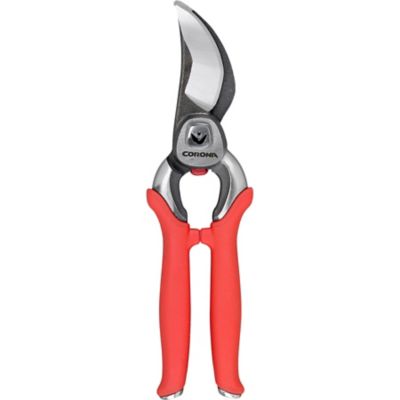
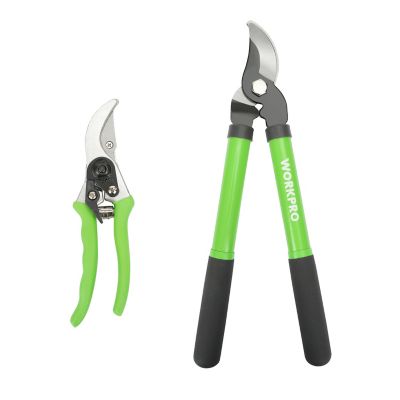
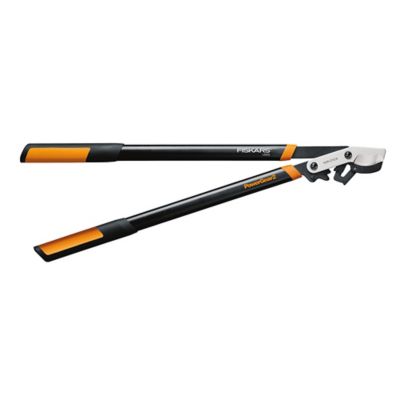
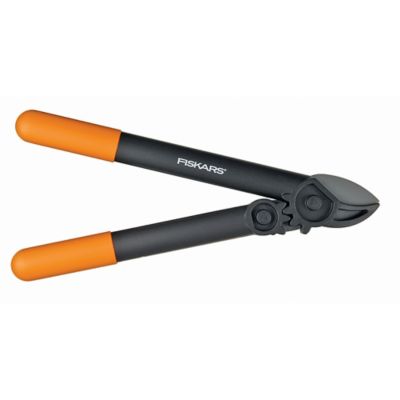
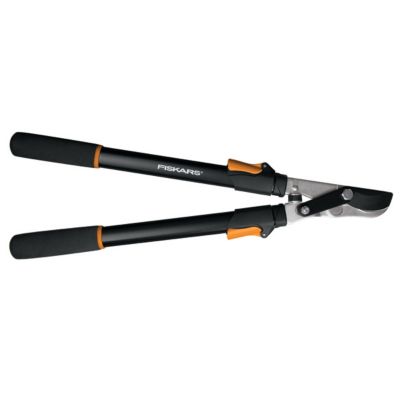
Bypass loppers are a handy choice for trimming live, green growth around the farm, homestead, yard or garden. Their two curved blades work with a scissor-like action, sliding past one another to make a clean cut instead of crushing a branch between a blade and a flat surface. That makes them especially useful for pruning healthy limbs, young shoots, rose canes, fruiting plants, ornamental shrubs and other flexible wood. A clean cut leaves less torn or mashed tissue behind, which can help the plant seal over and recover more naturally. Bypass loppers are generally suited to branches that are too thick for hand pruners but still within the tool’s rated capacity, often around 1 to 1-1/2 inches depending on the design, the type of wood and the condition of the blades. Always check the listed cutting capacity before taking on a limb, since hard, dry or knotty wood can be tougher than its size suggests. These loppers give you more reach and leverage than compact pruning shears, helping you work on branches above waist height or deeper inside a shrub without bending and stretching as much. They can be useful for clearing low limbs from a fence line, opening up a view along a lane, cleaning up storm-damaged growth, shaping hedges and keeping paths from getting overgrown. For heavier clearing jobs, pair them with other
Brush Clearing Tools suited to thick brush, vines or fallen limbs rather than forcing bypass loppers beyond their limits. A good pair can also make a thoughtful gift for a gardener, small-acreage landowner, hunter maintaining access trails or anyone who takes pride in keeping the place tidy. They are practical, easy to share around the property and useful through much of the year, from managing fresh growth during the growing season to handling selective cleanup during the cooler months.
When choosing bypass loppers, start with the work you expect to do most often. Longer handles can provide extra leverage and reach, while shorter handles are easier to control in tight shrubs, crowded beds and low branches. Length also affects weight, so a tool that feels comfortable for a few cuts may feel tiring after an afternoon of pruning. Look for handles with a solid feel, comfortable grips and a shape that stays secure when your hands are wearing work gloves. Shock-absorbing stops or bumpers can help reduce the jolt at the end of each cut, which is a welcome feature when you are working through a long row of branches. A low-friction blade coating may help branches pass more smoothly and make cleanup easier, while sharp, well-aligned cutting edges are important for clean results. Some loppers use a geared or compound cutting action to increase mechanical advantage; these can be helpful when extra leverage matters, though a straightforward design may feel quicker and more balanced for frequent light pruning. Consider the tool’s overall construction, hinge quality, replacement parts and ease of sharpening, especially if it will see regular use around a working property. Before cutting, make sure the branch is living wood that fits the lopper’s capacity, keep the blades clear of wire, nails and fencing, and position the cut so the branch collar remains intact rather than slicing flush against the trunk. Use steady pressure instead of twisting the handles, and stop if the blades bind. Eye protection, gloves, sturdy footwear and awareness of overhead limbs add a little time but can prevent a rough day from turning into an injury. After use, brush away sap and plant debris, wipe the blades dry, apply a light coat of protective oil when needed and store the loppers in a dry place with the blades closed or secured. During early fall and the cooler stretch that follows, they can help with selective cleanup and removal of dead or damaged growth, while waiting for the proper pruning window for sensitive plants is often the better choice. A dependable pair of bypass loppers belongs in the same basic toolkit as a shovel, rake and pair of hand pruners, ready for the green branches, wayward shoots and small limbs that show up wherever plants and property meet.