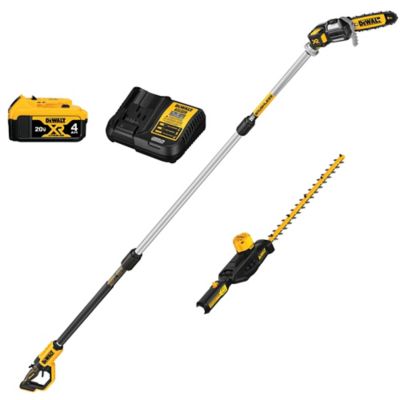
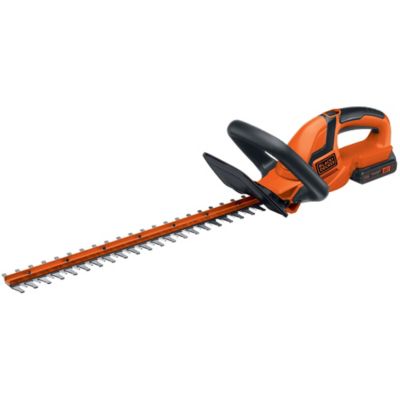
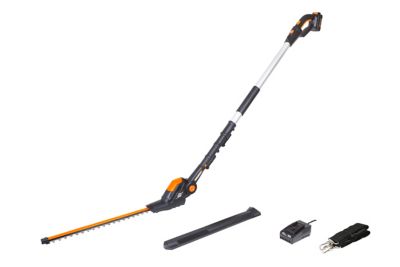
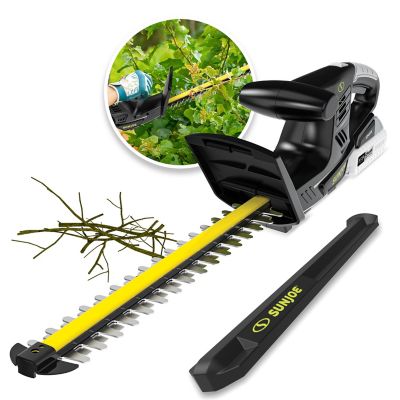
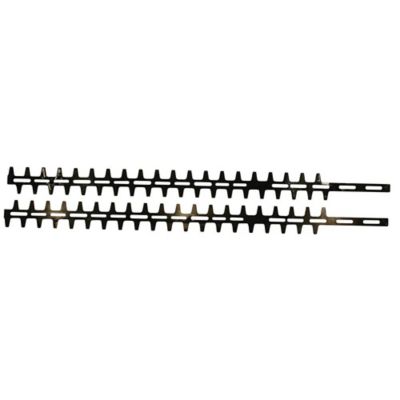
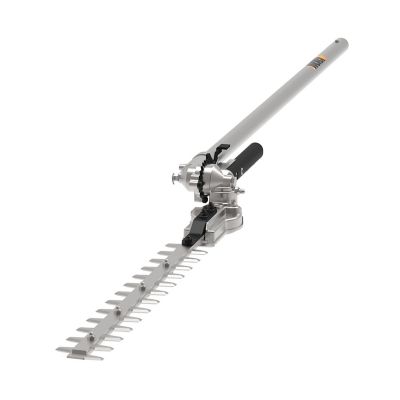
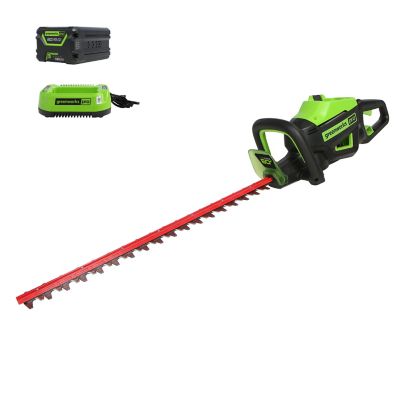
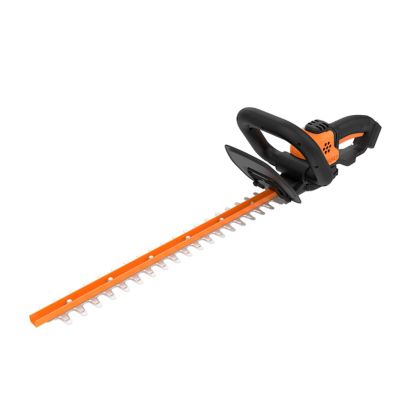
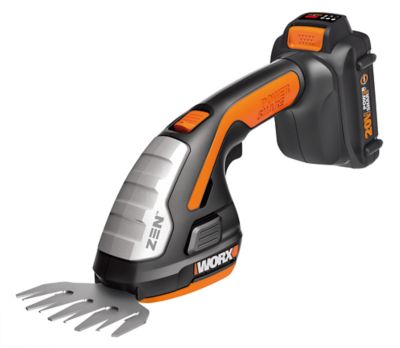
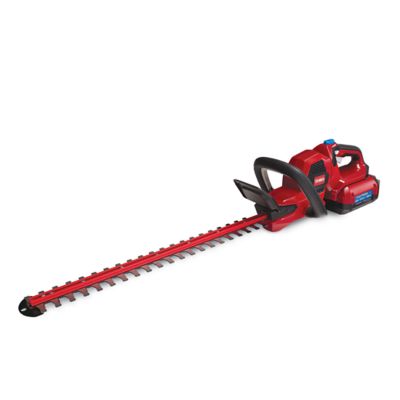
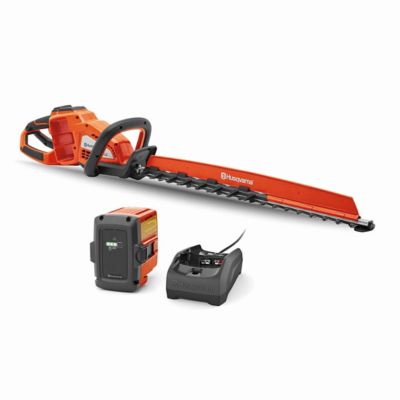
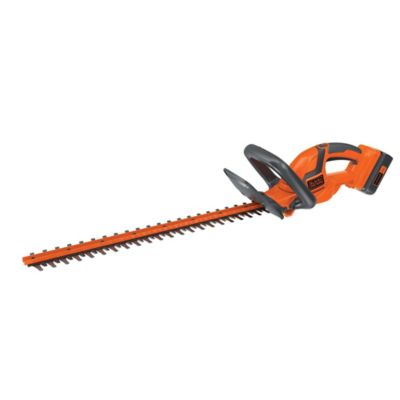
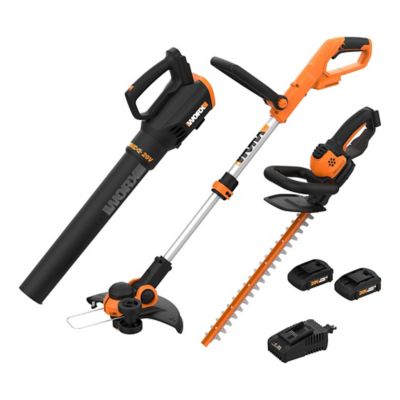
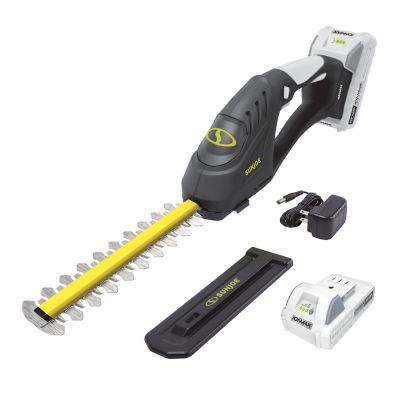
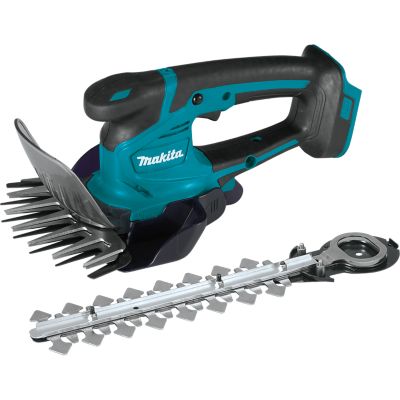
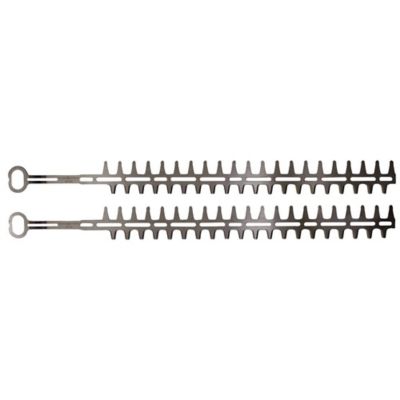
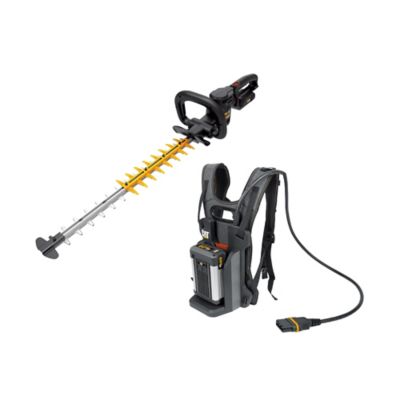
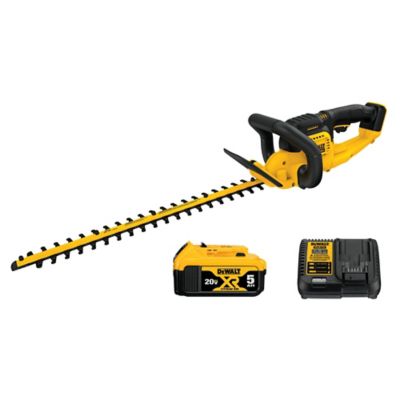
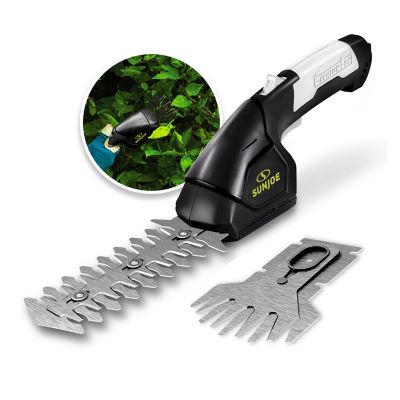
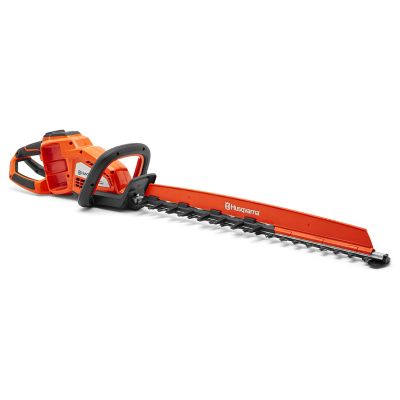
A hedge trimmer for bushes can make a big difference when shrubs start spilling over walkways, crowding a fence line or hiding the shape of a well-kept yard. These tools are made for bringing leafy growth back into line with less strain than hand shears, especially when several bushes need attention. They can help tidy foundation plantings around the house, shape shrubs along a driveway and clear back fast-growing growth near barns, sheds and garden beds. For many rural properties, a hedge trimmer becomes part of the regular outdoor tool lineup, right alongside a mower, string trimmer and pole saw. A lightweight electric model may suit a smaller yard or a few bushes near the house, while a cordless model offers room to move around outbuildings, fence rows and larger planting beds without dragging a cord across the grass. Gas-powered trimmers can make sense for bigger properties and thick growth, though they are heavier, louder and require fuel, starting procedures and engine care. As you compare a hedge trimmer for bushes, consider the size and number of shrubs, the distance from an outlet, the thickness of the stems and how long you typically work at a stretch. A homeowner caring for a few neat hedges may want a compact tool that is easy to lift and guide. Someone maintaining a long row of shrubs along a lane may place greater importance on run time, reach and cutting speed. The right fit should feel manageable in your hands, since trimming often involves repeated passes, raised arms and careful movement along uneven ground.
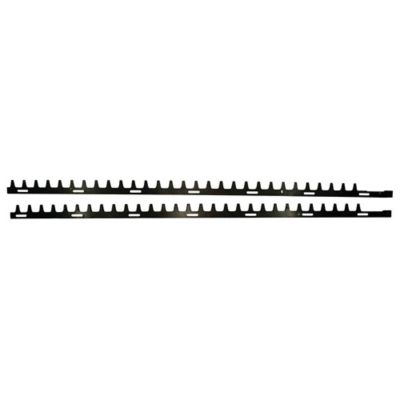
Blade length and cutting capacity are two of the clearest ways to compare hedge trimmers. Blades in the 18- to 22-inch range are a practical choice for many residential bushes, offering a balance of control and coverage for shaping rounded shrubs or keeping a straight hedge face. Longer blades, such as 24 to 26 inches, can cover a broad, flat surface faster, but they may feel harder to steer around corners and smaller plants. The space between blade teeth, often called the cutting capacity or tooth gap, helps show what size stems the trimmer can handle. A gap around 3/4 inch is suited to many leafy shrubs and established branches, while a gap near 1 inch may be better for thicker, woodier growth. Check the plant material before choosing a tool, since soft new growth cuts differently from stiff stems that have been left to grow for several seasons. Dual-action blades move in opposite directions and can help reduce vibration and hand fatigue during longer trimming sessions. A front hand guard, comfortable grip and balanced body also matter when the tool is held at shoulder height or extended in front of you. Corded electric models provide steady power as long as they remain connected to a suitable outdoor outlet, making them a practical option for small yards close to the house. Cordless models bring greater freedom around the property, but run time varies by battery size, plant thickness and cutting conditions; many residential tools provide roughly 20 to 60 minutes of working time per charge. Keep a charged spare battery on hand if several rows of bushes need attention. For a closer look at this style of tool, browse the
Handheld Hedge Trimmer selection.
Safe, comfortable trimming starts with a little preparation. Walk the area first and pick up rocks, wire, toys, fallen limbs and other objects that could get caught in the blades. Look through the bush for hidden fencing, plant supports or thick branches that may be beyond the trimmer’s cutting capacity. Wear eye protection, sturdy footwear, gloves and hearing protection when the tool calls for it, and keep children and pets away from the work area. Let the blades do the cutting rather than forcing the tool through a branch, and stop the motor before clearing a jam, checking the blades or setting the trimmer down. For corded models, keep the extension cord behind you and away from the cutting path. For battery-powered or gas-powered equipment, remove the power source before maintenance or storage. Trimming is often easiest when bushes are dry and the weather is mild, with enough daylight to see the shape of the plant and any obstacles beneath it. During the cooler months, many homeowners take care of light shaping and remove stray growth that has spread into paths or windows, while heavier pruning should follow the needs of the particular shrub. Avoid cutting during extreme heat or when wet foliage makes footing slick. A hedge trimmer can also make a thoughtful gift for a homeowner, new property owner or anyone settling into a place with overgrown shrubs, especially when paired with basic protective gear and a suitable battery or extension cord. Before giving one, consider the recipient’s yard size, access to outdoor power and comfort with lawn equipment. With the right match, a hedge trimmer for bushes can help turn a tangled row of growth into a clean boundary, open up a shaded walkway and keep the property looking cared for through changing weather.