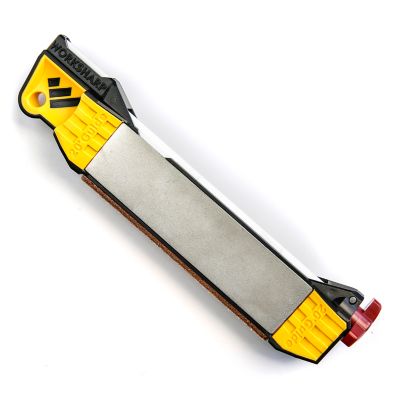
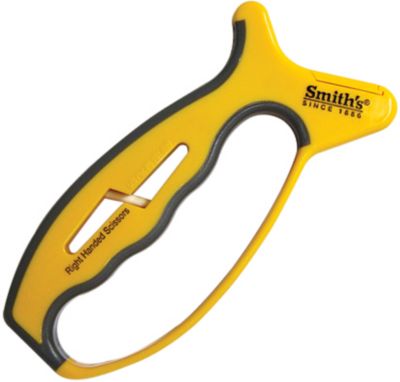
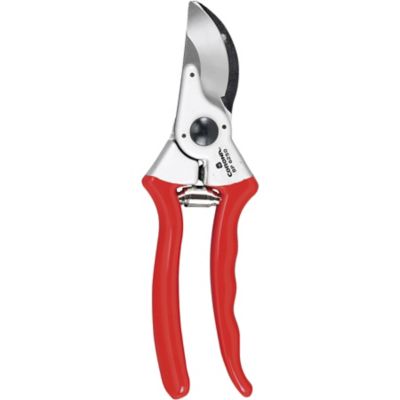
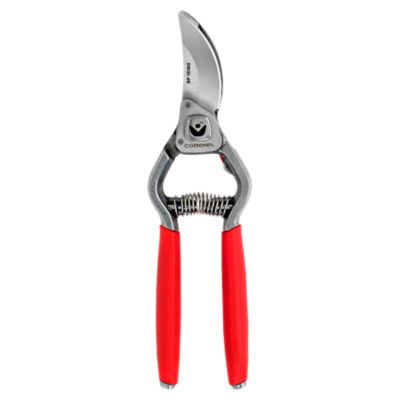
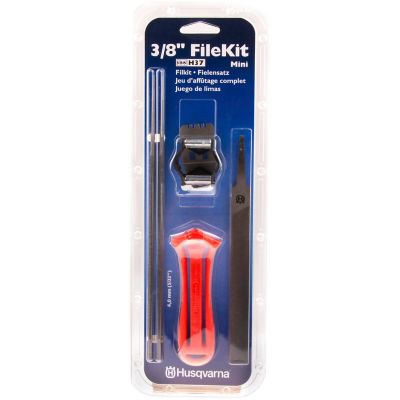
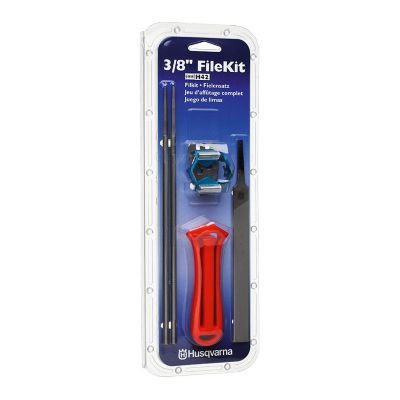
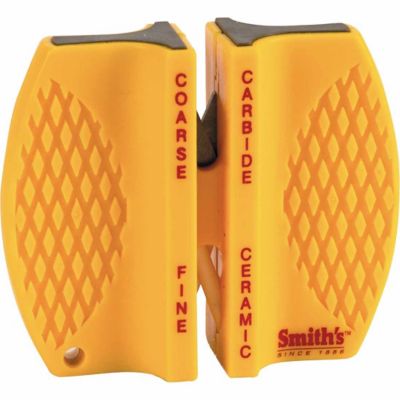
Keeping pruning shears sharp makes a noticeable difference in the garden, orchard, and around the homestead. A clean, sharp blade slices through stems instead of crushing, tearing, or leaving ragged ends that take longer to heal. Pruning shear sharpeners are made for that regular upkeep, whether you are caring for rose bushes, berry canes, young fruit trees, grapevines, shrubs, or a few potted plants on the porch. Many gardeners reach for a handheld carbide sharpener when they need a quick edge without taking the tool apart. These compact sharpeners commonly have a preset slot or guide that helps hold the blade at a consistent angle, making them handy for touch-ups during a busy day of yard work. A few controlled passes may restore the cutting edge, especially when the blade is dull but not badly damaged. They are easy to carry in a pocket, tool bag, or garden tote, so they can stay close to the shears instead of getting lost in the workshop. For more hands-on sharpening, a fine-grit whetstone or diamond file gives you greater control over the bevel. Grits in the 400- to 800-range are a practical choice for routine maintenance, while a coarser surface can help address small nicks before finishing with a finer edge. A whetstone takes a little practice, but it allows you to follow the blade’s existing curve and preserve the shape that helps pruning shears make a smooth cut. Diamond files are another useful option when a narrow surface or sturdy, flat tool is preferred. When shopping, consider how often the shears are used, how much control you want over the sharpening process, and whether a small guided tool or a traditional stone fits better with the rest of your equipment.
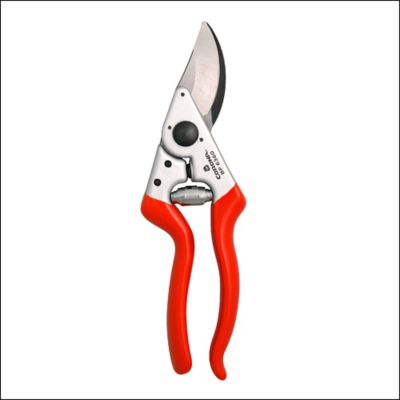
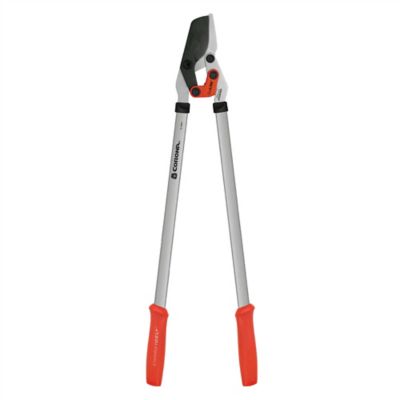
The type of pruning shear matters when choosing a sharpener and deciding how to use it. Bypass pruners have a curved cutting blade that passes by a thicker counterblade, much like scissors, and they generally benefit from sharpening only the beveled cutting edge. Anvil pruners bring a blade down onto a flat surface, making them useful for dry or woody growth, though their cutting action and blade shape may call for a slightly different approach. Check the construction of your shears before sharpening, and avoid removing more metal than necessary. For many hand pruners, an angle around 10 to 20 degrees is a practical guide, but the original bevel is the best reference. Hold the sharpener steadily, follow the existing angle, and use light, even strokes from the base of the blade toward the tip. Pushing too hard or changing the angle from one pass to the next can create an uneven edge. Before sharpening, wipe away sap, dirt, and plant residue with a clean rag. Resin buildup can make a sharp blade seem dull and may clog a stone or carbide surface. After sharpening, remove any fine metal filings, wipe the blade clean, and apply a light coat of tool oil to help protect it from moisture and sticky sap. Keep fingers clear of the cutting path, wear eye protection when filing, and secure the tool if the handles or spring make it difficult to work safely. A sharpener is intended to maintain an edge, not repair a badly bent or cracked blade. If the cutting surfaces no longer meet properly, the handles are loose, or the blade has deep damage, replacement parts or a new pair of shears may be the better choice. Gardeners who use several types of hand tools may also want to compare options alongside
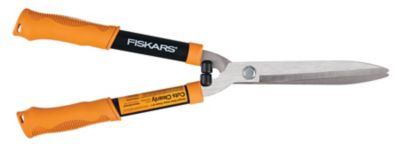
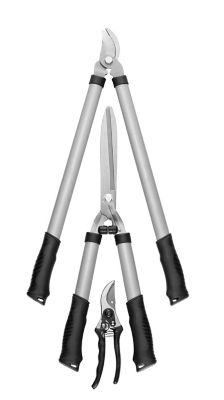
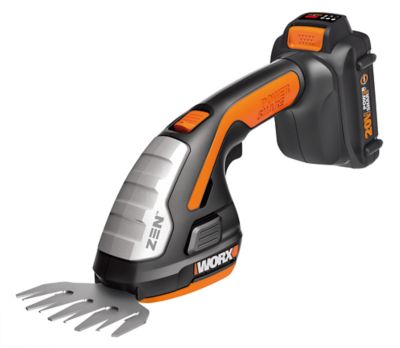
Trimming Shears for different plant sizes and cutting jobs.
Pruning shear sharpeners make a thoughtful, practical gift for anyone who spends time growing, landscaping, or tending land. They suit the neighbor who keeps a tidy row of fruit trees, the gardener who carries pruners from bed to bed, and the family member who likes to keep every tool clean and ready. A compact sharpener pairs easily with gloves, bypass pruners, a tool roll, or a small garden maintenance kit, while a whetstone or diamond file can be a welcome addition to a shed bench where tools are serviced at the end of the day. During the warmer part of the growing season, regular touch-ups help keep green stems and soft new growth from being mashed during pruning. As the weather cools and outdoor chores shift toward cleanup and preparation, sharpening tools can help get pruners ready for dormant-season work on woody branches and shrubs. Good maintenance also extends the useful life of quality shears: instead of forcing dull blades through a branch, you can make cleaner cuts with less hand pressure and less wear on the tool. Store sharpeners in a dry place, rinse or brush off any stone or file material as recommended, and keep cutting tools closed or protected when they are not in use. Whether you prefer the quick, guided feel of a carbide sharpener or the careful control of a fine-grit stone, the right choice is one that matches your tools, your comfort level, and the kind of pruning you do. A small amount of routine care can turn a frustrating afternoon of dragging blades through tough stems into the satisfying, quiet work of a clean cut.