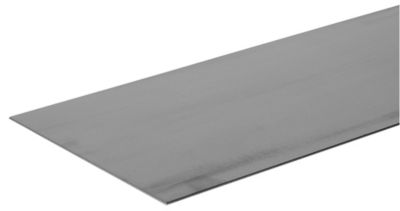
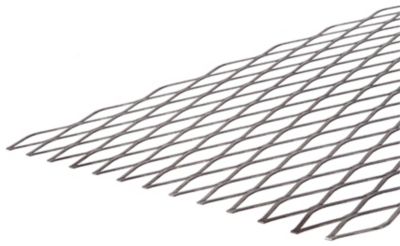
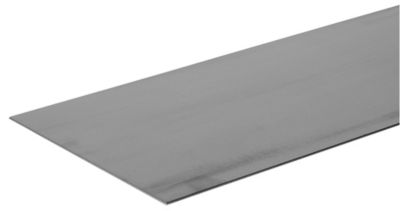
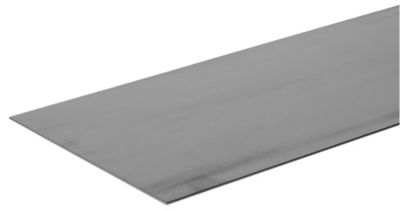
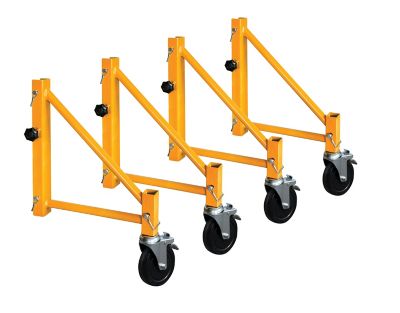
Building materials for contractors include the structural, supporting, and finishing materials that bring a job from the first layout marks to the final walkthrough. Lumber, engineered wood, metal, masonry, cement-based materials, and construction panels each serve different roles in residential, agricultural, and light commercial work. A crew building out a farm shop has different demands than a remodeler getting a bathroom ready for tile, but both need materials that fit the plans, work together, and hold up under everyday use. Structural applications depend on documented strength, proper sizing, and connections that meet the project requirements. Nonstructural applications may put more emphasis on surface smoothness, weight, appearance, or compatibility with the next layer. Wood species, grades, and treatment designations matter because similar-looking pieces do not necessarily perform the same way. Engineered wood brings its own span ratings, installation requirements, and approved applications, while metal components call for attention to thickness, finish, and corrosion resistance. Masonry and cement-based materials offer a firm base for many projects, though their performance depends on the complete assembly rather than the material alone. Fit deserves just as much attention as material type. Nominal lumber sizes differ from actual dimensions, panel thickness affects adjoining surfaces, and small differences can carry through to openings, transitions, and finished edges. On a shop renovation, matching an existing wall depth can save trouble around door openings and trim. In a new outbuilding, planning around standard material dimensions can help limit offcuts without changing the structural requirements. Contractors also consider how each material will be handled, supported, and attached once it reaches the jobsite. Large panels may cover an area with fewer joints, but their weight and dimensions affect access through narrow doors or around existing equipment. The best match is not simply the heaviest or thickest option; it is the material specified for the load, location, assembly, and intended use, with dimensions that make sense for the work.
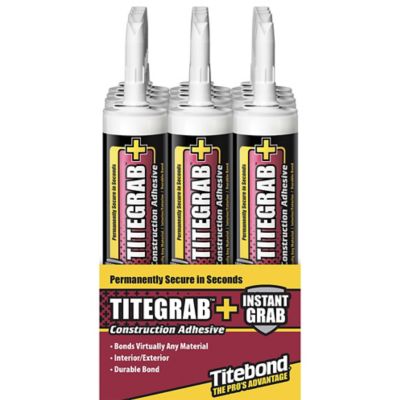
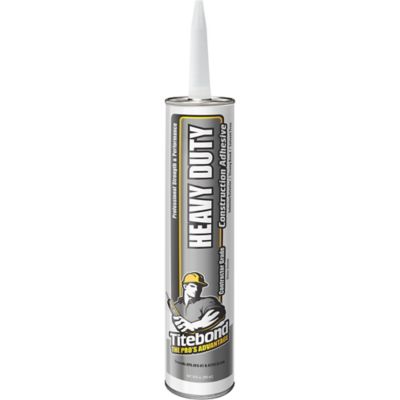
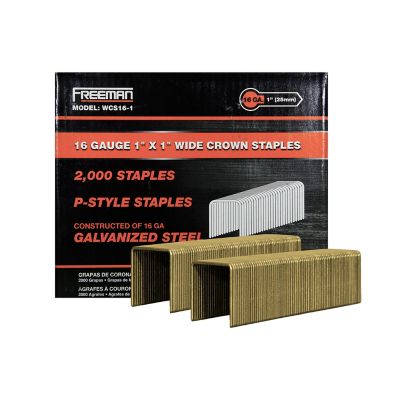
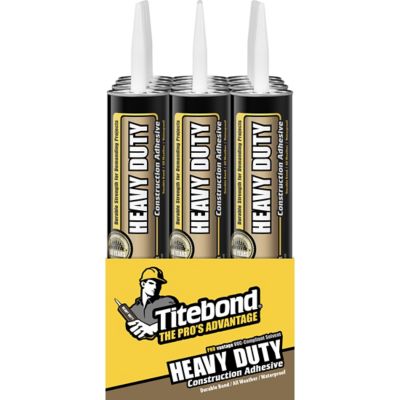
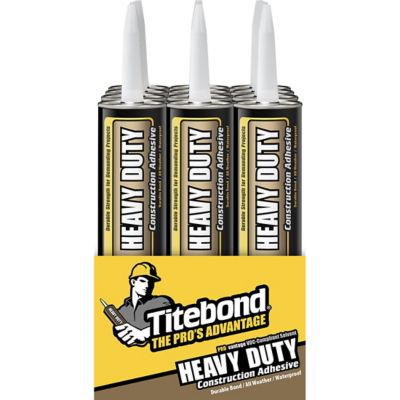
Material compatibility is where a lot of jobsite details come together. The connection between two materials can be just as important as either material on its own, especially around framing joints, floor transitions, and areas exposed to repeated washing or other sources of moisture. Fasteners and connectors need to match the structural requirements as well as the materials they join. Contact with certain treated woods, for example, can call for particular metals or protective coatings to limit corrosion. Mixing metals also deserves attention because some combinations can encourage corrosion when moisture is present. Adhesives, sealants, and surface treatments have their own approved substrates, application limits, and preparation requirements; a strong bond depends on more than how firmly two surfaces are pressed together. Dust, oil, loose material, or an unsuitable finish can interfere with adhesion. For tiled spaces, a cementitious backing surface may provide a suitable base, but that does not automatically make the entire assembly waterproof. Water management depends on the specified system, including any required membrane, joints, penetrations, and transitions. Floor assemblies bring another set of considerations, from subfloor thickness and support spacing to movement between adjoining materials. A surface that looks flat at first glance may still need attention before a finish layer goes down. Concrete and masonry work likewise depends on the specified mix, sound support, correct placement, and proper curing. Adding more water than the directions allow can change performance rather than simply make placement easier. These details matter in working buildings where rolling equipment, concentrated loads, vibration, or frequent cleaning can place extra demands on surfaces and connections. They also matter in homes, where a small mismatch may show up later as movement, cracking, or a visible transition. Building materials for contractors should be evaluated against approved plans, applicable codes, and manufacturer instructions rather than appearance alone. Fire ratings, load ratings, and moisture-resistance claims apply to defined conditions, and an individual component does not give an entire wall, floor, or ceiling the same rating by itself.
Care and handling help protect building materials before installation and throughout their service life. Even a well-matched material can become troublesome if it arrives at the work area bent, chipped, contaminated, or out of shape. Flat support helps keep sheet materials from sagging, while storage that limits moisture exposure helps protect wood-based materials and packaged compounds. Edges and corners deserve attention during loading and carrying, particularly when they will form a visible joint or support a finish layer. Materials also need room to acclimate when the manufacturer calls for it, and packaging directions may set limits on storage conditions or how long an opened container remains suitable for a job. For contractors moving between a farmhouse remodel, a utility building repair, and a small commercial build-out, clear material identification helps keep different grades, ratings, and applications from getting mixed together. A piece intended for a nonstructural finish is not a substitute for a specified load-bearing component just because its dimensions are close. Surface care after installation is equally tied to material type. Cleaning methods should suit the finish, protective coatings need attention as they wear, and damaged joints or exposed edges may require repair before the surrounding assembly is affected. Cutting and drilling can also create hazards, including wood dust or respirable crystalline silica from some masonry and cement-based materials, so appropriate dust controls and protective equipment belong in the job plan. Material planning goes hand in hand with
Lighting for Contractors, since clear visibility helps crews read markings, inspect connections, and spot surface flaws. Whether the work centers on framing a new space or bringing an existing building back into working shape, thoughtful material selection supports cleaner transitions, sound connections, and easier upkeep. Those practical details help a finished space serve the people, equipment, and daily routines it was built to handle.