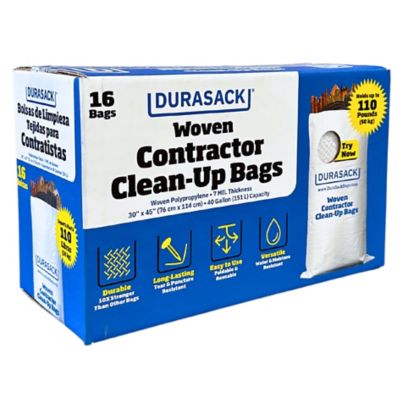
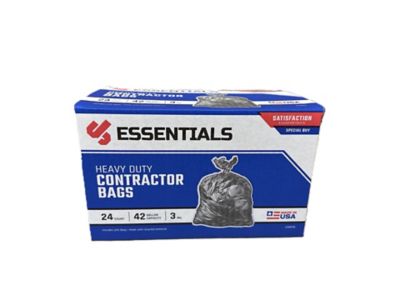
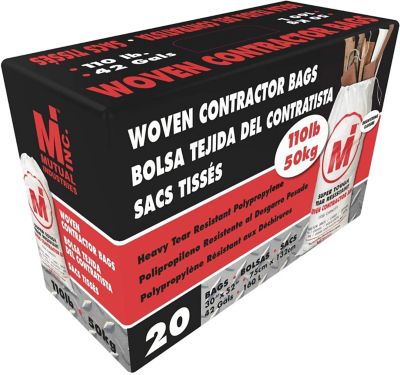
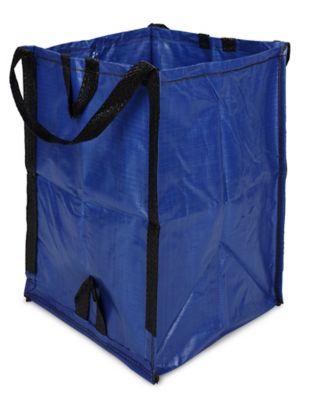
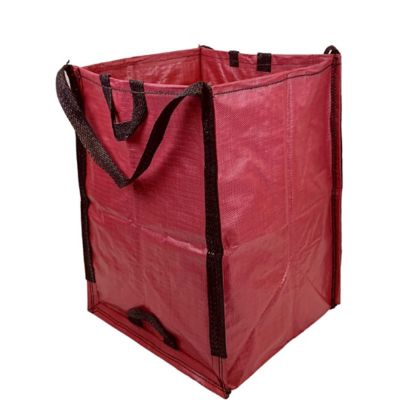
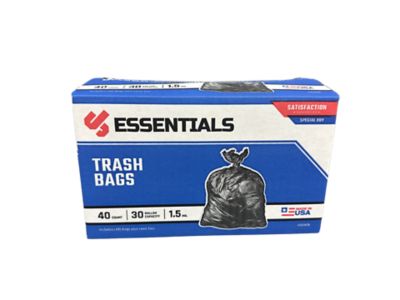
Heavy duty contractor bags are made for the kind of cleanup that can leave an ordinary trash bag split open before it reaches the curb. Built with thick, flexible plastic, these large bags are a practical choice for renovation debris, demolition waste, storm cleanup, landscaping jobs, and the steady stream of mess that comes with farm and property maintenance. Common sizes range from about 42 to 55 gallons, giving you room for bulky material while helping keep loose debris contained. Many heavy duty options measure around 2 to 3 mil thick, though thickness is only one part of the story. A well-made bag uses low-density polyethylene or a similar flexible material that can stretch around uneven loads instead of tearing at the first sharp edge. That extra give matters when you are gathering broken drywall, rough lumber scraps, old insulation, fallen branches, or a pile of thorny weeds. These bags are not completely puncture-proof, and jagged items should still be handled carefully, but their contractor-grade construction offers much more resistance to rips and leaks than lightweight household liners. For a big cleanup near the barn, shed, workshop, or job site, a strong bag can save time, reduce scattered debris, and keep you from making a second trip to pick up what fell through the bottom.
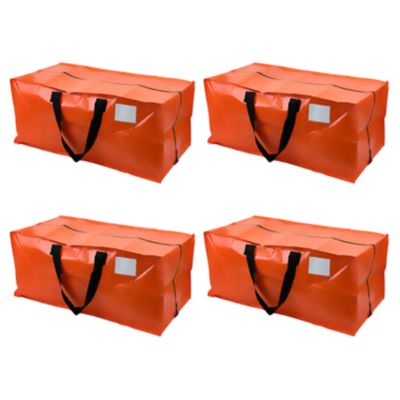
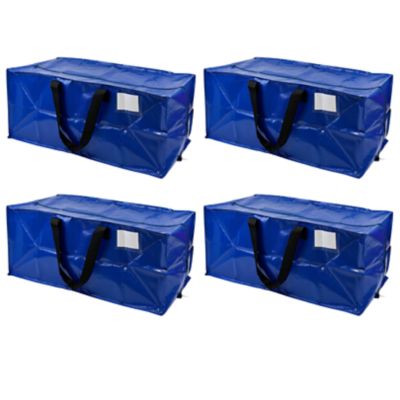
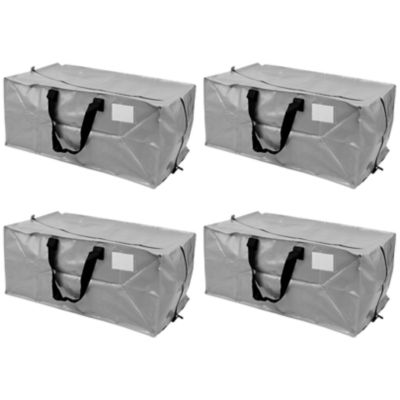
Choosing the right contractor bag starts with the material you plan to collect. Light yard waste, cardboard, and general cleanup can often go into a large bag with moderate thickness, while demolition debris, roofing scraps, wet leaves, and rough construction waste call for a thicker option with plenty of stretch. Capacity also makes a difference. A 42-gallon bag is a useful all-around size for renovation work and property cleanup, while a 55-gallon bag may be a better fit for bulky waste or jobs where you want to consolidate several smaller loads. Keep in mind that a bag’s listed capacity describes its volume, not the amount of weight it can safely carry. A large bag filled with concrete chunks, wet soil, or soaked leaves can become too heavy to lift, even when the plastic itself holds up. Fill bags only as much as you can move safely, and use a cart, dolly, or second person for awkward loads. Closure styles are worth comparing, too. Flap ties fold over and secure quickly, twist ties provide a familiar way to cinch the opening, and open-top bags work well when debris needs to be loaded continuously or compacted in a can. Before buying, consider the size of your cans, trailers, or pickup bed, along with the number of bags needed for the project. A smaller pack can make sense for a one-room repair, while a larger count is handy for ongoing work around a property. If the cleanup involves packing household items rather than disposing of waste, sturdy
Heavy Duty Moving Bags may be a more suitable option for carrying and storing belongings.
Contractor bags are useful well beyond a single construction project. Homeowners reach for them when clearing out a garage, removing worn carpeting, trimming overgrown areas, or preparing a house for sale. Renters and landlords can use them during turnover work, while remodelers, maintenance crews, landscapers, and cleanup teams often keep a supply close at hand for daily jobs. They are also a practical addition to a farm truck or utility trailer during the cooler months, when windblown limbs, wet leaves, animal bedding, and damaged fencing can pile up quickly. In early fall, they can help gather hedge clippings and garden debris without leaving a trail across the yard; as the weather turns colder, their large capacity is useful for clearing out sheds, workshops, and outbuildings before winter work sets in. Load sharp or pointed pieces with the rough ends facing inward, avoid overfilling, and consider double-bagging especially abrasive material. Glass, chemicals, paint, treated lumber, batteries, and other regulated waste may require separate handling, so check local disposal rules before tying everything shut. It also helps to keep bags stored in a dry place away from direct sunlight, fuel, and heat until they are needed. Whether you are helping a neighbor finish a porch repair, cleaning up after a windstorm, or sorting years of odds and ends from a barn corner, the right heavy duty contractor bags make the job more orderly. They give loose, dirty, and difficult-to-handle material a dependable place to go, helping you spend less time chasing torn plastic and more time getting the property back in shape.