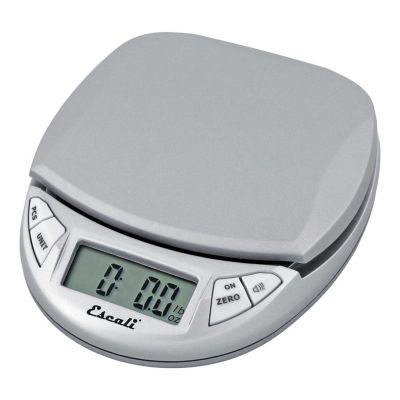
Kitchen scales for bread baking bring a little more consistency to a process that can change from one batch to the next. Flour settles in its bag, packs into a measuring cup, and loosens when scooped, so two cups that look alike may not carry the same amount. Measuring by weight gives a baker a clearer starting point, whether the dough is headed for sandwich loaves, dinner rolls, pizza crust, or a crusty loaf for the supper table. Grams are especially handy for bread recipes because flour, water, salt, and yeast can all be measured on the same basis without juggling fractions of cups and teaspoons. A recipe calling for 500 grams of flour and 350 grams of water, for example, has water equal to 70 percent of the flour’s weight. That relationship helps explain why a dough feels softer or firmer, and it makes sense of recipes written with baker’s percentages. Weight measurements also make it easier to change the batch size without guessing, from a small loaf for two people to enough rolls for a family gathering. For sourdough bakers, a scale can help keep starter feedings consistent and track the amount of starter going into a dough. For someone getting acquainted with yeast bread, it takes one source of uncertainty out of the mixing bowl. A scale will not account for every difference in flour, fermentation, or kneading, but it gives those ingredients a repeatable foundation. That matters when a loaf turns out just the way the family likes it and the baker wants to make it again. These scales fit into everyday kitchens as well as busier home baking setups, with uses that extend to portioning dough, weighing flour blends, and dividing a batch into rolls of similar size. Equal portions are easier to shape consistently and tend to bake more evenly than a tray of widely different sizes.
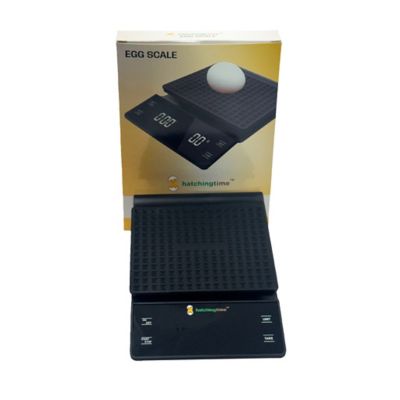
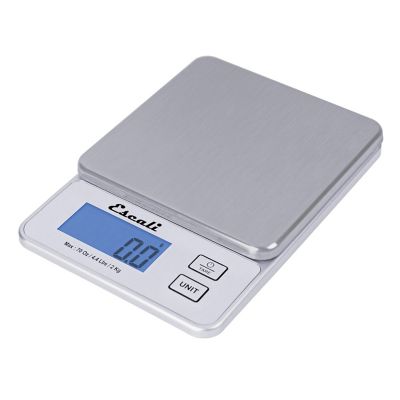
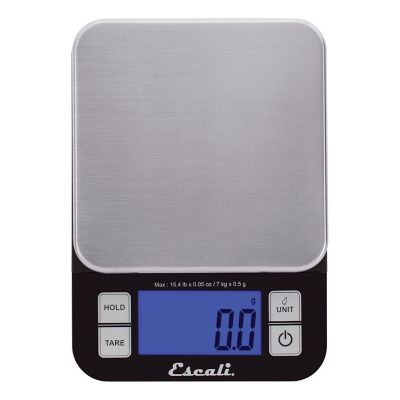
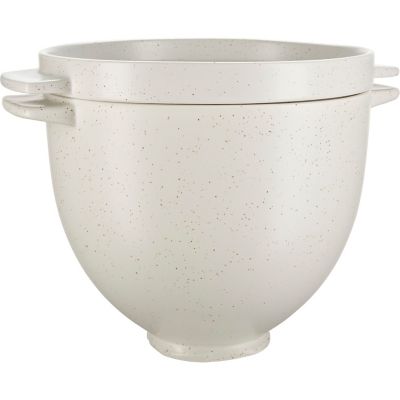
The best fit depends on what goes on the weighing surface and how much room there is on the counter. Compact digital kitchen scales suit smaller bowls and everyday batches, while a broader platform can better accommodate a roomy mixing bowl or a container of sourdough starter. The platform should support the vessel securely without letting its edge hide the display. A display positioned toward the front can be easier to read beneath an overhanging bowl, and clear numbers help when flour is on the counter and several ingredients are waiting their turn. Stainless steel surfaces generally wipe clean easily, while glass platforms offer a smooth surface but need protection from knocks against sink edges or heavy cookware. Plastic bodies can keep a scale light and easy to move; seams, buttons, and the underside still deserve attention when comparing how simple it will be to clean. Capacity is another practical consideration. The scale has to carry the combined weight of the bowl and everything in it, even after the tare function resets the displayed reading to zero. A large bowl filled with dough can reach that limit sooner than a flour-only measurement suggests. Display increments matter, too. One-gram readings can suit many everyday bread batches, but small amounts of yeast or salt may call for finer increments and a stated minimum weighing amount appropriate to the recipe. A finer display alone does not establish how well a scale handles tiny quantities. Unit options are worth checking when recipes switch between grams and ounces. Digital designs commonly offer a tare function, letting ingredients be added to one bowl while each new amount starts from zero. Mechanical designs may appeal to bakers who prefer a dial and no batteries, though the markings and adjustment method affect how easily small amounts can be read. Automatic shutoff timing also matters for bread work: a baker who pauses to fetch flour or scrape a starter jar benefits from enough time to finish a measurement before the display goes dark.
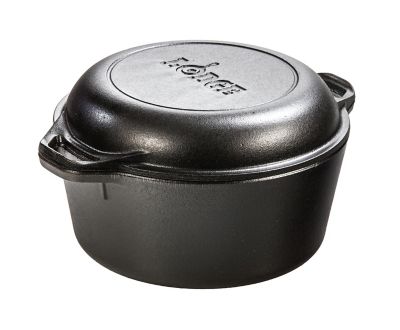
Day-to-day care and storage are part of choosing kitchen scales for bread baking, especially in a kitchen where the counter also handles supper prep, lunch packing, and dishes. Flour dust can collect around buttons, and sticky dough can work into gaps if the weighing surface sits too close to the mixing action. A smooth platform, accessible controls, and any removable parts identified by the manufacturer can make cleanup less of a chore. Most electronic scale bodies need a gentle wipe rather than a soak, and water should stay away from battery compartments and openings. Care directions determine whether a detachable tray can go into the dishwasher. A stable, level surface helps support steady readings; a soft towel, uneven board, or crowded counter can interfere with the weighing setup. Kneading belongs on a separate work surface, not on the scale, where downward pressure can exceed its intended load. Storage deserves the same care: heavy pans stacked on top can strain the weighing mechanism, while a slim shape may tuck neatly into a cabinet or drawer when nothing is pressing on it. Battery type, access to the battery compartment, and any low-battery indicator are useful details for a tool that may come out several times a week. Beyond mixing, a scale can help divide dough for burger buns, weigh a portion of starter before feeding, or keep loaf sizes consistent for similar baking times. It also makes a practical housewarming or birthday gift for someone who enjoys the quiet routine of flour on the counter and bread cooling on a rack, provided its capacity and controls fit that person’s baking habits. Once dough is measured and shaped, the baking vessel becomes another part of the setup;
Dutch Ovens For Bread Baking are a related option for bakers working with covered-pot loaves. A well-chosen scale earns its place by fitting the bowls, recipes, and routines already at home, without making bread day feel more complicated.