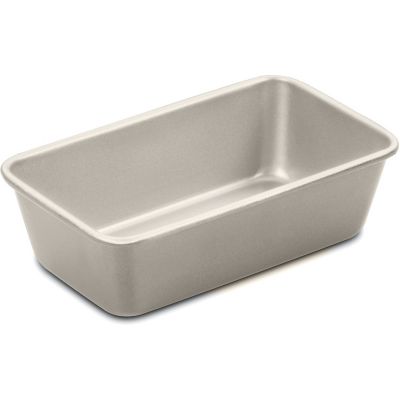
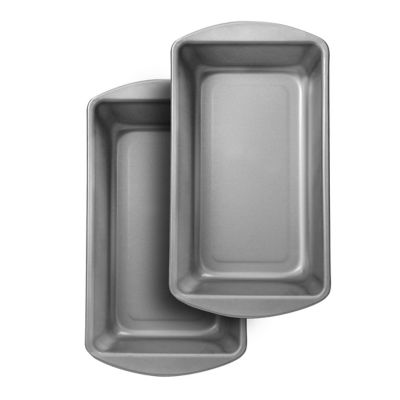
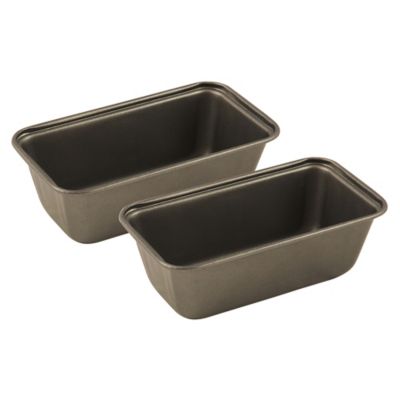
Bread loaf pans give everyday baking a familiar shape, turning a batch of dough or batter into a loaf that’s easy to slice, serve, and tuck into the bread box. From soft sandwich bread for packed lunches to banana bread beside a cup of coffee, that simple rectangular shape earns its place in a busy kitchen. The sides support dough as it rises and help batter hold its form, while the pan’s proportions influence the height of the finished loaf. A narrower pan generally produces taller slices than a wider pan holding the same amount of batter, so size matters beyond whether the pan fits in the oven. Common loaf pan dimensions include 8½ by 4½ inches and 9 by 5 inches, but those sizes aren’t interchangeable for every recipe. A little extra space can mean a flatter loaf, while too much dough in a smaller pan can spill over the rim. Interior measurements and stated capacity offer a better picture of baking space than outside dimensions alone, especially when handles or broad rims extend beyond the pan’s body. For households that bake sandwich bread regularly, straight sides and a consistent shape make slices easier to stack, toast, and spread with peanut butter. For zucchini bread, pound cake, and other batter-based loaves, room for the center to rise helps keep the finished shape manageable. Covered loaf pans serve another purpose, containing the rise for a more squared-off loaf when paired with a suitable recipe and dough amount. Smaller loaf pans suit modest portions or several loaves to share, while larger formats can fit a family’s regular baking routine. Whether the kitchen sees a loaf every few days or an occasional batch for a neighbor, the best fit comes from matching the pan to the recipes that actually get baked. A familiar recipe, a sensible pan size, and enough room on the cooling rack make homemade bread a comfortable part of the week rather than a special project.
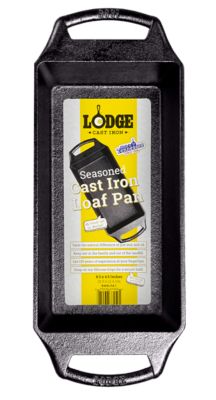
Material makes a noticeable difference in how a loaf pan handles heat, releases bread, and feels in the hand. Aluminum transfers heat readily and keeps the pan relatively light, making it practical for bakers who move several filled pans in and out of the oven. Steel loaf pans often have a substantial feel, with construction and surface finish influencing their baking performance. Dark metal surfaces tend to brown crusts more readily than light-colored surfaces, which matters when a tender sandwich loaf or a sugar-rich quick bread is on the menu. Stainless steel offers an uncoated option, though release and browning depend on the pan’s construction and the recipe. Cast iron brings more weight and heat retention, along with care needs tied to its seasoning and surface condition. Glass lets a baker see browning along the sides, while ceramic bakeware often has enough heft to feel steady on the counter. Glass and ceramic also retain heat after leaving the oven, so the recipe’s cooling directions still matter. Recipe recommendations are worth considering when switching between metal and glass rather than assuming every material behaves the same. Nonstick finishes can simplify release and cleanup, particularly with sticky fruit breads, but they come with limits on utensils, heat exposure, and cleaning methods. Bare metal pans may need more attention to greasing or lining, depending on the dough or batter. Construction details count, too: a reinforced rim can help a pan keep its shape, and substantial sides can resist dents from regular kitchen handling. Handles or extended rims provide more room for an oven-mitted grip, although they also take up space in the oven and cabinet. A filled pan feels different from an empty one, especially with dense batter, so weight and grip deserve a place alongside size and material. Enough clearance around the pan supports air circulation, while a stable fit on the oven rack makes moving a loaf less awkward when supper preparations are already taking up the counter.
A loaf pan that suits the household’s cleanup routine is more likely to become part of everyday baking. Dishwasher suitability varies by material and finish, and a pan labeled for hand washing needs a different routine from one intended for the dishwasher. Gentle washing tools help protect coated surfaces, while thorough drying matters for materials and seams that can hold moisture. An overnight soak isn’t a good match for every pan, particularly cast iron, and abrasive scrubbing can shorten the life of some finishes. Rounded interior corners may be easier to wipe clean than tight seams, though every design has its own balance of shape and upkeep. Storage deserves a little thought as well. Stacking pans saves cabinet space, but protecting coated interiors from rubbing against other bakeware helps preserve the surface. A pan that sits flat, keeps its shape, and has a sound baking surface can stay useful through plenty of kneading sessions and batches of quick bread. For someone setting up a first kitchen, replacing a worn pan, or getting back to baking after a long break, a loaf pan offers a straightforward tool with plenty of everyday purpose. It can also make a thoughtful housewarming or wedding gift for a person who enjoys baking, especially when its size matches a favorite family recipe. Bakers who also enjoy round, crusty loaves can look at
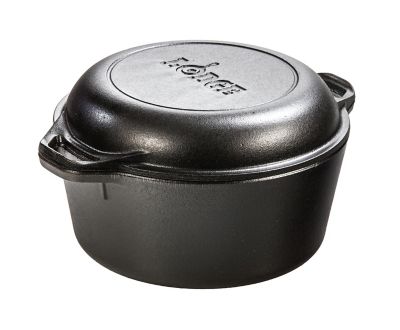
Dutch Ovens For Bread Baking for a different baking setup, while loaf pans remain a natural fit for evenly shaped sandwich bread and batter-based loaves. There’s room for both approaches in a kitchen where bread goes from the oven to the table regularly. The right loaf pan doesn’t need to complicate the work. It needs to fit the recipe, feel manageable when full, and suit the care it will receive, whether the finished loaf becomes toast before chores, sandwiches for the lunch cooler, or thick slices passed around at supper.