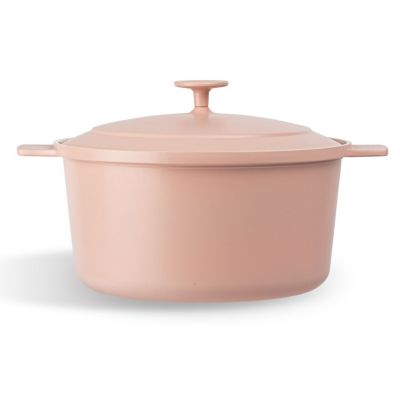
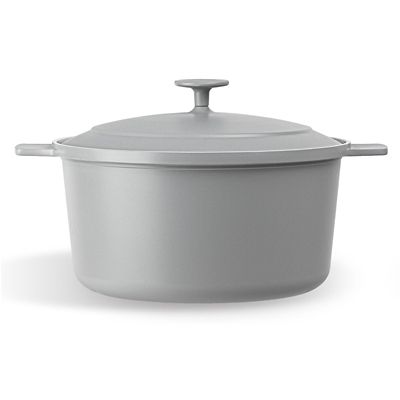
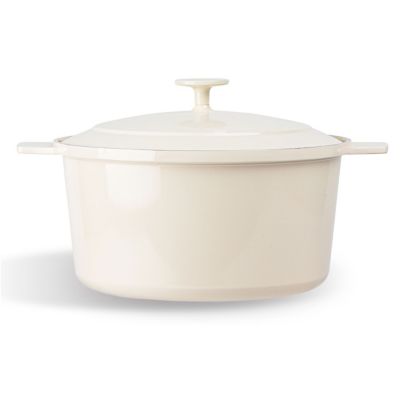
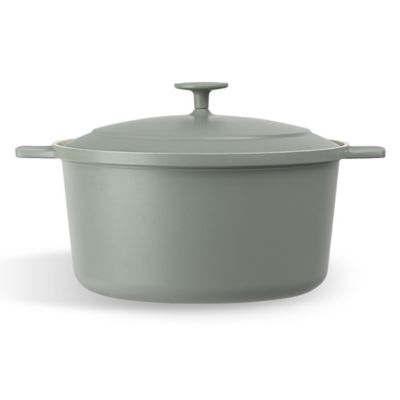
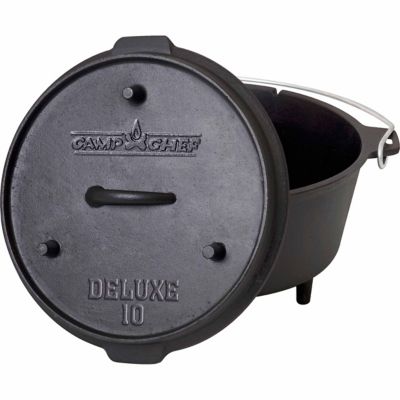
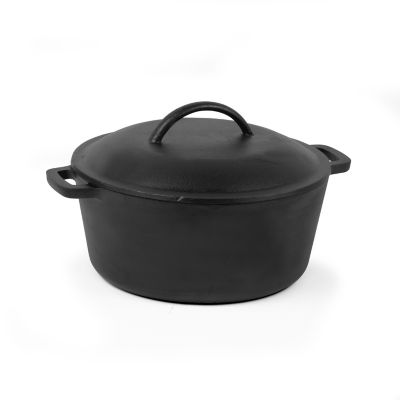
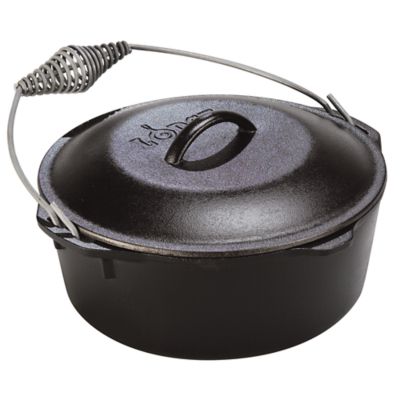
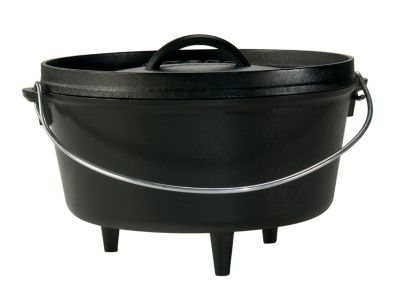
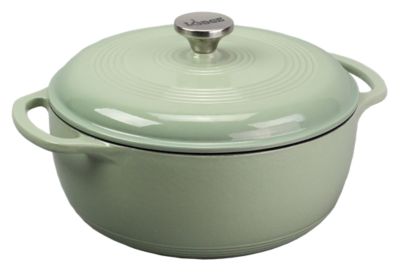
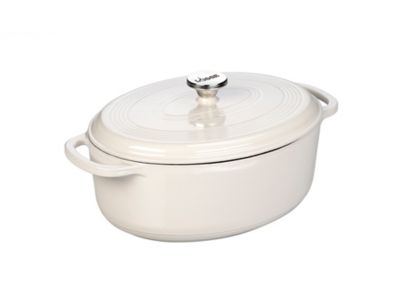
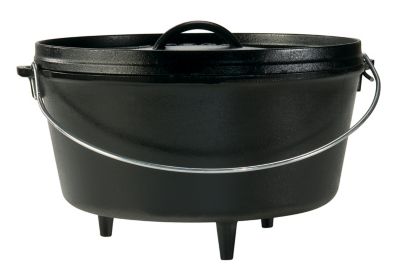
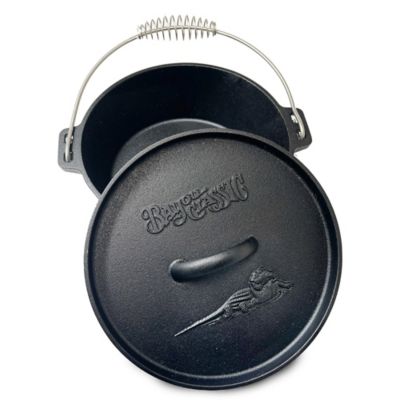
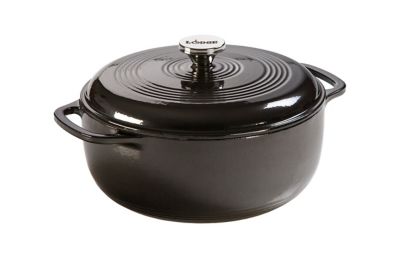
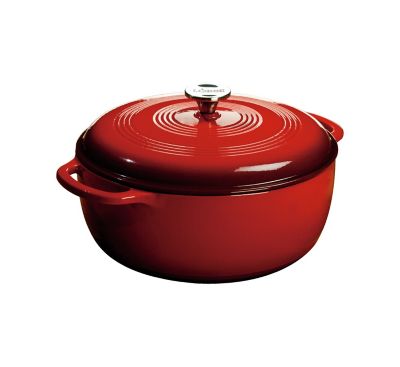
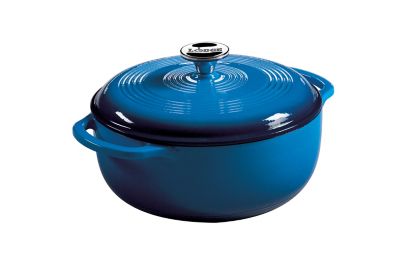
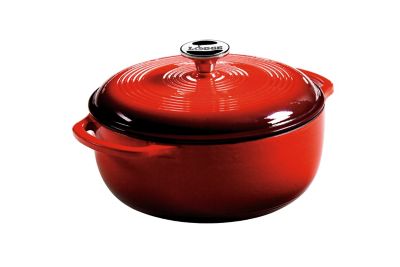
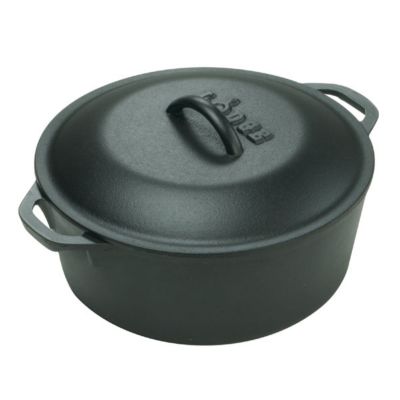
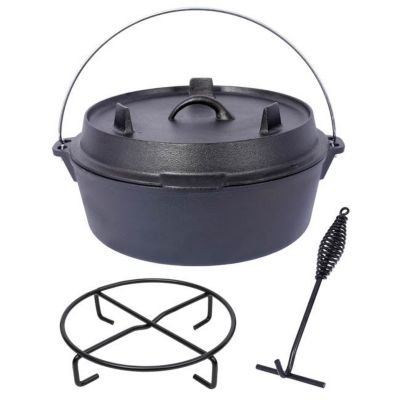
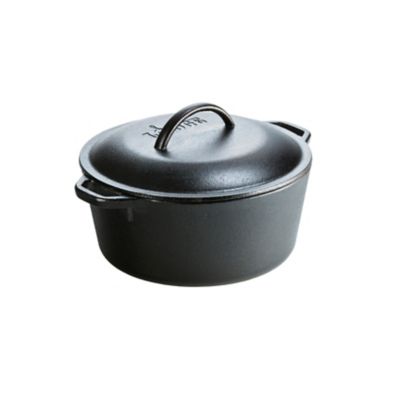
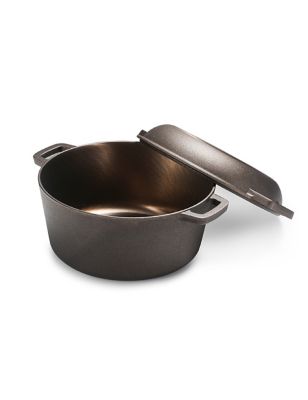
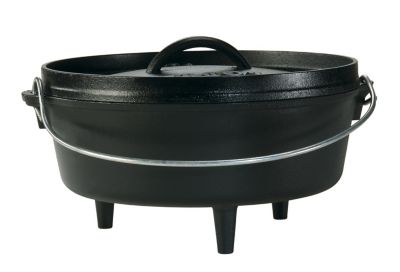
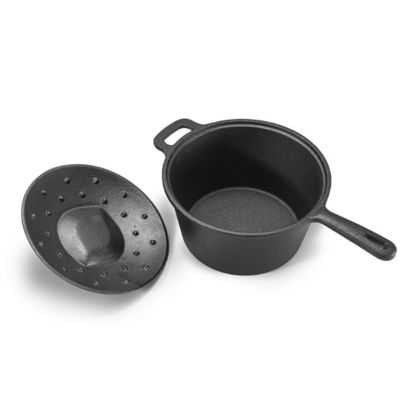
Dutch ovens for bread baking hold heat and trap steam around the dough, helping a loaf rise before its crust sets. A snug-fitting lid captures moisture released by the dough during the covered part of baking, creating the steamy environment that supports oven spring—the expansion that happens as bread first heats up. Once the lid comes off, that moisture can escape so the crust browns and develops its crisp finish. This combination makes a Dutch oven well suited to sourdough boules, no-knead bread and other crusty loaves without requiring a separate steam system in the kitchen oven. The pot does not replace proper proofing or a sound recipe, but it gives the dough an enclosed baking space with steady heat. For a home baker bringing a flour-dusted loaf from the counter to the oven, the right size and shape matter as much as the material. A round Dutch oven suits a round boule, while an oval pot gives an oblong loaf more room from end to end. A five- to six-quart capacity is a common starting point for many home bread recipes, though the best fit depends on the amount of dough and its expected rise. Interior width, depth and lid clearance tell more of the story than capacity alone. Dough needs room to expand without pressing against the lid, and an oversized pot may allow a softer dough to spread farther than intended. A deeper, multipurpose Dutch oven can handle bread along with everyday cooking, while a bread-focused design with a shallow base and domed lid can make loading and lifting a loaf less awkward. The inside dimensions also help determine whether a parchment sling will fit comfortably and whether a finished loaf can come out without catching on the sides. Bakers working with a favorite recipe will generally find it easier to compare cookware when they know the recipe’s recommended vessel size, rather than judging by the outside appearance of the pot.
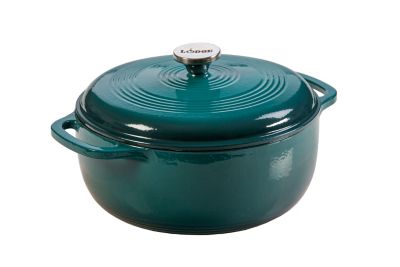
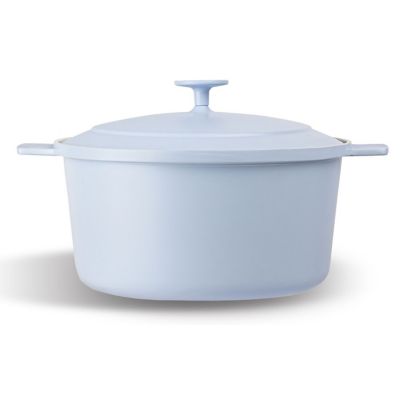
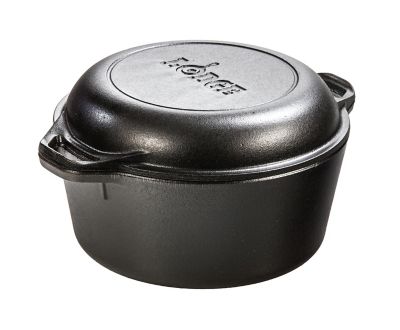
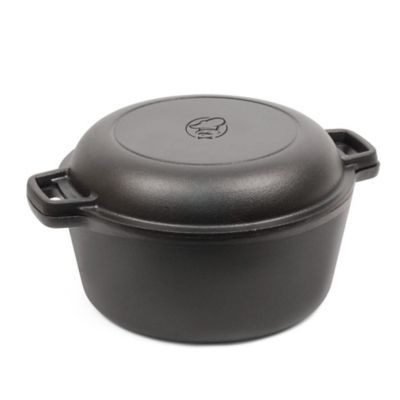
Material affects how a bread-baking Dutch oven feels in the hand, holds heat and fits into the cleanup routine. Seasoned cast iron has an uncoated cooking surface protected by a layer of baked-on oil. Its substantial weight helps it retain heat, although it takes time to warm through. That makes it a practical match for cooks who already appreciate cast iron and do not mind drying it promptly and maintaining its seasoning. Enameled cast iron offers similar heat retention with a glass-like coating over the iron. The enameled surface does not need seasoning and can make cleanup more straightforward, but it still needs protection from chips, hard knocks and sudden temperature changes. Ceramic bread bakers offer another enclosed baking option, though their oven limits and resistance to thermal shock vary by construction. Material alone is not enough to establish whether a vessel suits a high-heat bread recipe. The oven rating needs to cover the whole piece, including its lid, knob and handles. Some bread methods call for heating an empty vessel before adding dough, and that approach is appropriate only when the cookware maker permits it. A pot that works well for a simmering stew is not automatically suited to every bread-baking method. Practical handling deserves just as much attention. Broad handles with enough space for thick oven mitts can make a heavy pot easier to lift, while a secure lid grip helps when uncovering bread in a hot oven. The full outside width, including the handles, needs to fit the oven rack with clearance around it. Weight matters, too, especially when lifting cookware from a low oven or carrying it to a counter. For care, gentle cleaning tools help protect enamel, and seasoned iron benefits from thorough drying and an occasional light coat of oil as needed. Cooling the cookware before washing reduces the risk of thermal shock. Straightforward care like this helps keep the pot ready for the next batch without turning bread day into a long cleanup job.
The best Dutch oven for a particular kitchen is one that matches both the bread and the cook’s routine. Someone baking a single sourdough loaf every few days may value a manageable size and easy access to the dough more than extra capacity. A household that also prepares beans, pot roasts, soups and stews may get more everyday value from a deeper pot with a versatile shape. A shallow bread-baking base can offer easier access for loading scored dough, but it will not provide the same space for a large pot of soup. Neither design is the answer for every kitchen; the trade-off comes down to how often bread shares the schedule with other meals. Storage is another consideration in a busy farmhouse kitchen or a smaller home with limited cabinet space. A heavy vessel needs a convenient resting place, and its lid should be easy to retrieve without shifting a stack of other cookware. For bakers who enjoy experimenting, a Dutch oven provides room to work with different flours, loaf shapes and crust finishes while keeping the basic baking setup familiar. It also makes a thoughtful gift for a sourdough enthusiast, a new homeowner building a practical cookware collection or a cook who likes putting a fresh loaf beside a pot of beans at supper. Matching the gift to the recipient’s oven space, lifting comfort and preferred care routine makes it more likely to become part of everyday cooking. Cooks planning bread alongside a holiday roast can also explore
Thanksgiving Dutch Ovens with the rest of the meal in mind. Whether the goal is a crackling crust for sandwiches, a round loaf to share at the table or cookware that earns its cabinet space through several jobs, useful details make the difference. A well-fitting lid, suitable baking dimensions, oven-safe components and comfortable handles matter long after the first loaf comes out.