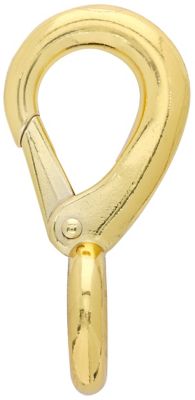
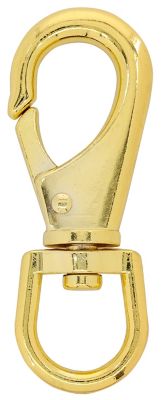
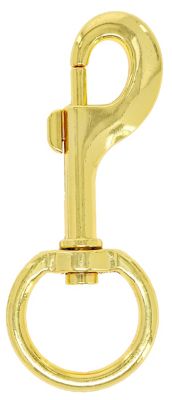
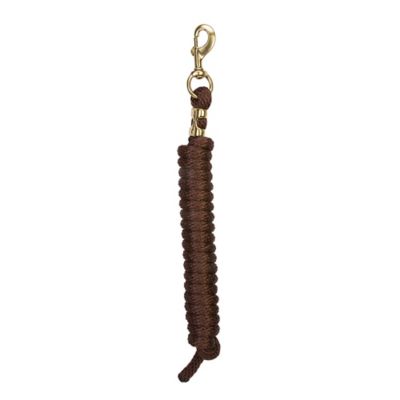
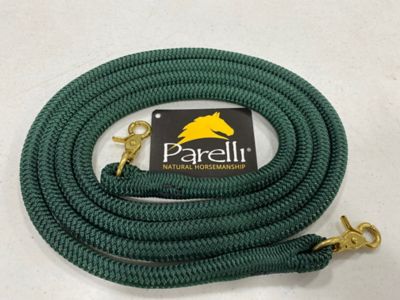
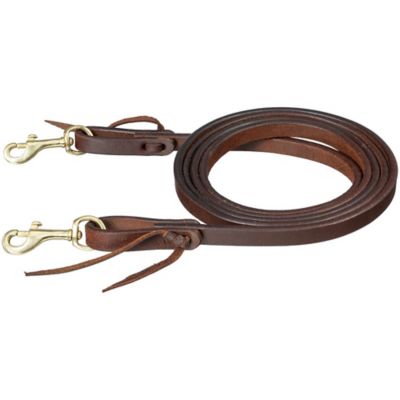
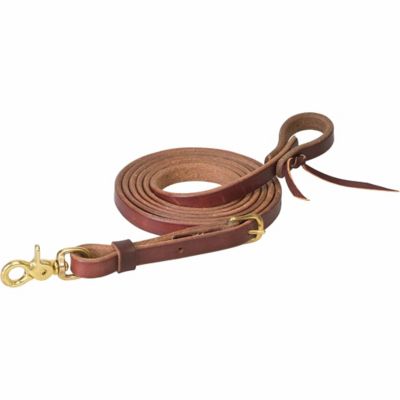
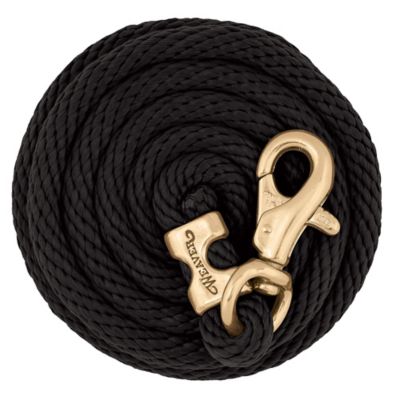
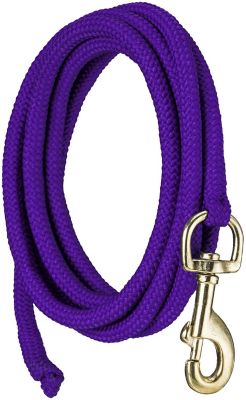
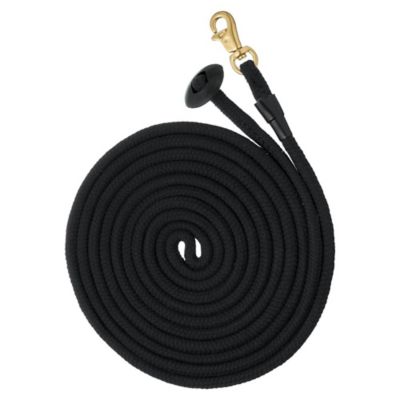
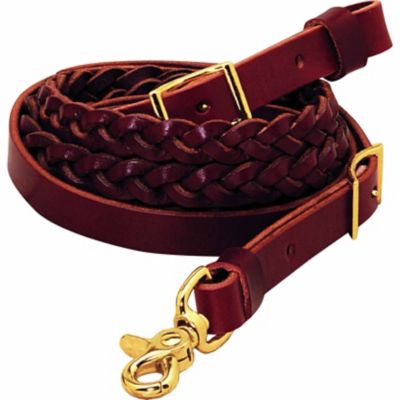
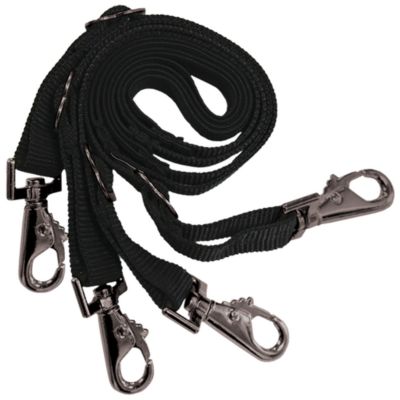
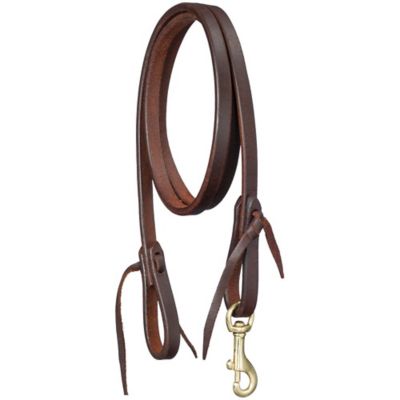
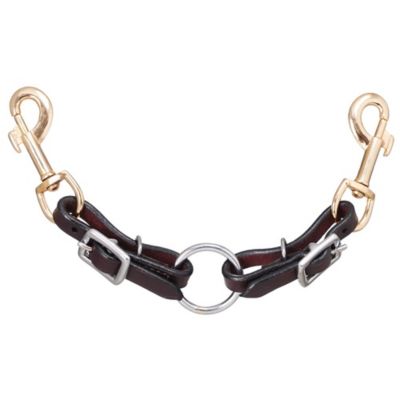
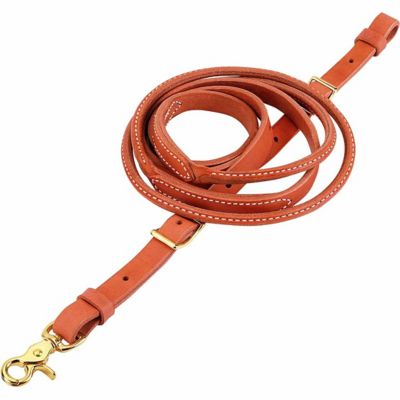
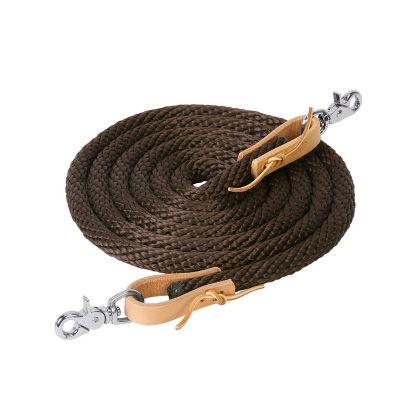
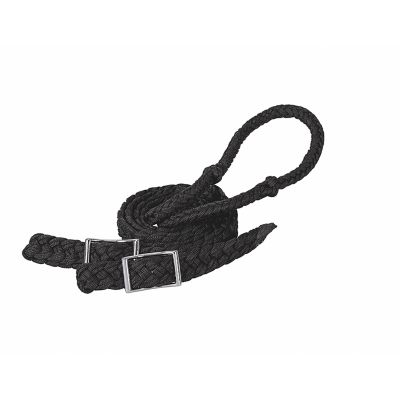
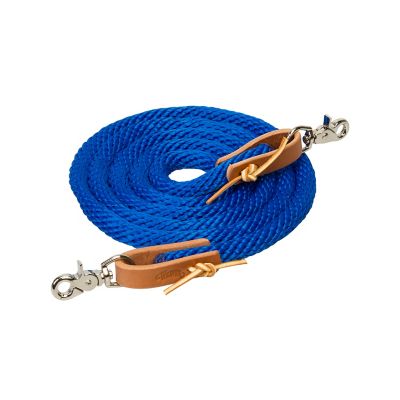
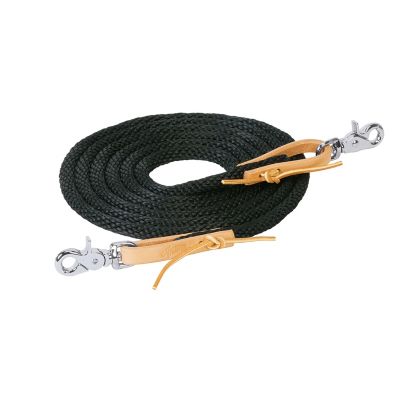
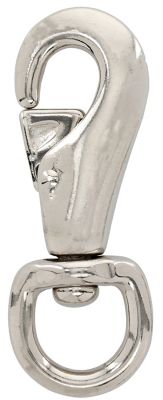
A brass snap is a fastener that commonly takes one of two forms: a spring-gated snap hook for connecting ropes, straps and chains, or a press-stud fastener for joining fabric and leather. Both provide a connection that opens and closes, but they serve different jobs and are not interchangeable. Around the barn, shop or kennel, “brass snap” often means a connector with an eye at one end and a gate at the other. A bolt snap has a sliding, spring-loaded bolt that retracts when its thumb lever is pulled back, allowing a ring or loop to pass through the opening. Other snap-hook designs have different gate arrangements, so the shape and operating mechanism matter as much as the material. On a leash or lead, this type of hardware connects a flexible line to a suitable attachment ring while allowing it to be removed without untying a knot. On a utility strap, it can make frequently handled connections less of a chore. A brass press snap, by contrast, closes when its mating stud and socket are pressed together. This low-profile fastening style belongs on suitable clothing, leather straps, pouches and equipment covers rather than at the end of a rope. Its holding strength depends on the fastener design, the material beneath it and proper installation. Brass itself is an alloy of copper and zinc, valued for its workability, resistance to corrosion and familiar golden color. A solid-brass body does not form the iron rust associated with plain steel, although it can tarnish and develop a darker surface over time. Brass-colored hardware is not necessarily solid brass; a plated finish may cover another metal, and springs, pins or other internal parts may have a different composition. Material descriptions help separate appearance from construction, especially when the hardware will see frequent handling, contact with moisture or regular cleaning. That distinction matters whether the snap is headed for a tack room, a pet leash or a leatherworking bench.
For snap hooks, a good fit starts with the connection at both ends, not simply the overall length. The eye needs enough room for the rope, webbing or chain it will carry, while the gate opening must clear the ring or attachment point without being forced. A snap that looks substantial in the hand can still have an opening too narrow for a thick ring. Likewise, an oversized connector can add unnecessary weight to a light leash or hang awkwardly from a small strap. Round eyes generally suit round lines and rings, while flat or rectangular eyes can help webbing lie neatly; the right choice depends on the actual dimensions and construction. A swivel eye lets the connector rotate independently of the line, which can help reduce twisting as an animal moves or a rope changes direction. A fixed eye keeps the eye and hook aligned as one piece and may suit a connection where rotation is not needed. Neither arrangement, by itself, establishes how much force the snap can handle. Manufacturer load information and intended-use guidance matter more than size, shine or the feel of the metal. Breaking strength and working load are different measurements, and a spring gate should not be mistaken for a locking safety mechanism. General-purpose snaps are not substitutes for hardware specifically rated for overhead lifting, climbing, fall protection or other safety-critical work. For animal equipment, the snap also needs to suit the animal’s size, strength and behavior, along with the rest of the lead, collar or halter assembly. A smooth finish helps prevent snagging, and a gate that closes fully keeps the connection seated as intended. Comparing related hardware such as
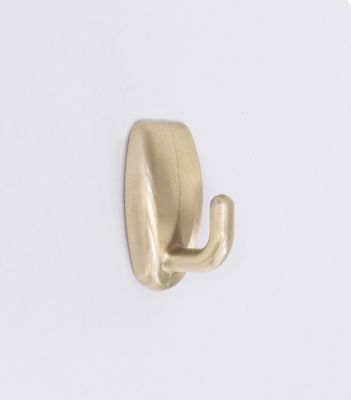
Brass Hooks also calls for attention to opening size, attachment style and the demands of the job. For a replacement snap, measuring the existing ring and line is more useful than guessing from a photograph. The goal is hardware that sits comfortably in the assembly, moves as intended and does not bind against nearby parts.
Press-style brass snaps bring a different set of fit considerations to sewing, leatherwork and repairs. Their components need to match one another, and the post length must suit the thickness of the material being fastened. A post that is too short may not set properly, while one that is too long can leave a loose or distorted attachment. Material thickness includes every layer at the fastening point, so a folded leather tab or reinforced fabric edge needs a different assessment than a single thin layer. Matching setting tools and dies help seat the parts correctly without flattening the cap or damaging the socket. Where a closure will be opened repeatedly, reinforcement can help keep the surrounding fabric or leather from carrying concentrated stress in one small spot. For both press snaps and snap hooks, care is mostly about keeping grit, residue and unnecessary moisture from lingering in the mechanism. A soft cloth and mild soap can handle ordinary surface dirt when the manufacturer permits that cleaning method, followed by thorough drying. Harsh abrasives can scratch the surface or remove plating, and polishing changes the appearance of a natural patina. Cleaning and care directions should account for every material in the assembly, including leather, fabric and internal metal components. If lubrication is recommended for a moving part, the specified lubricant and application method are the right starting point, particularly on equipment that animals can reach. Routine checks are worthwhile wherever a snap gets frequent use: the gate should return completely, the eye should remain free of cracks or distortion, and a press closure should engage securely without tearing at its mounting point. A bent body, sticking gate or loose socket is a reason to take the fastener out of service and assess the whole connection. Whether the job involves daily chores, pet handling or finishing a leather project, the best match balances material, dimensions, closure action and intended purpose rather than appearance alone.