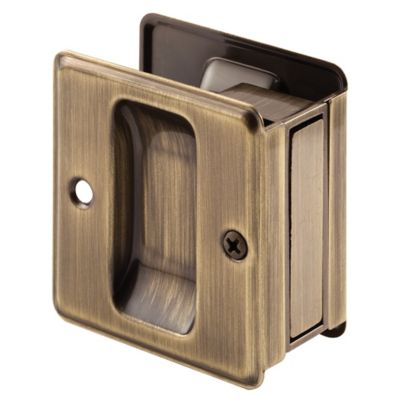
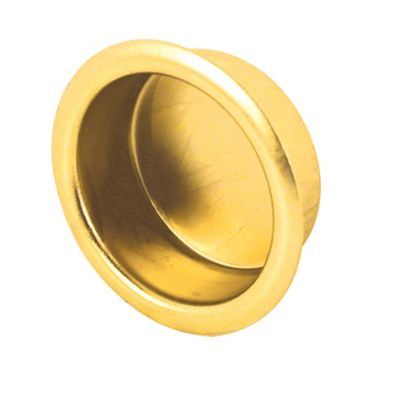
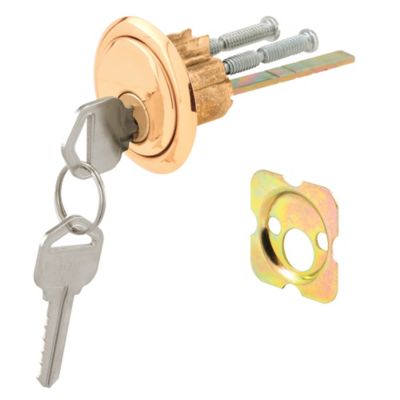
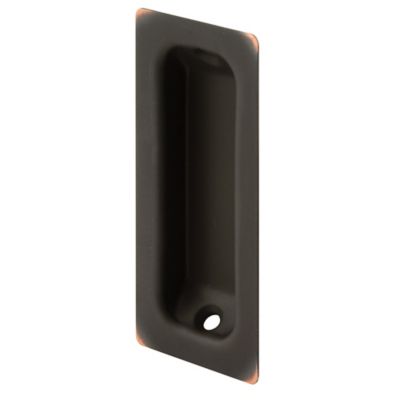
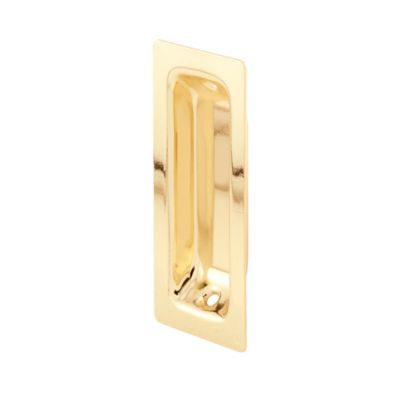
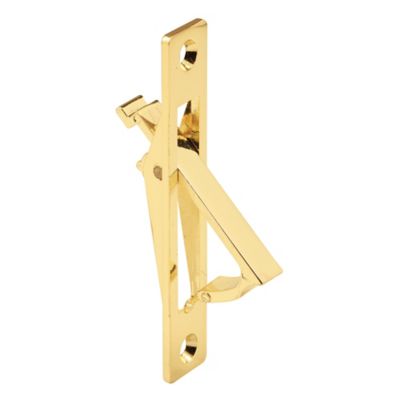
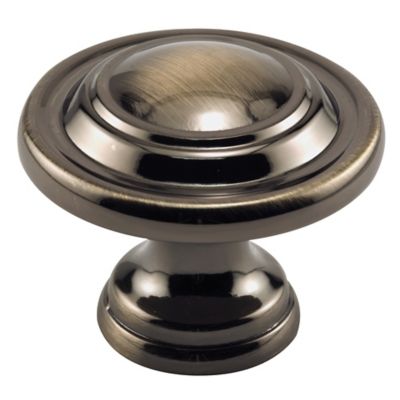
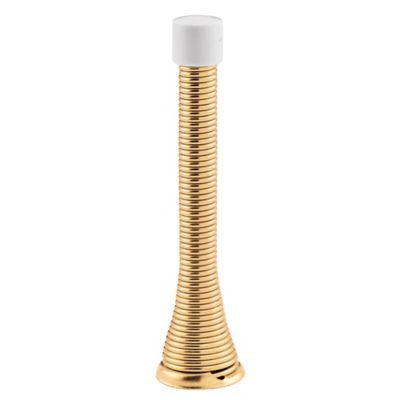
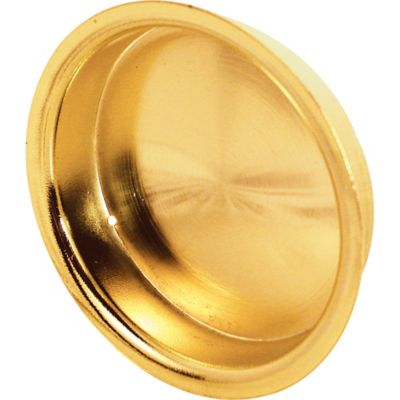
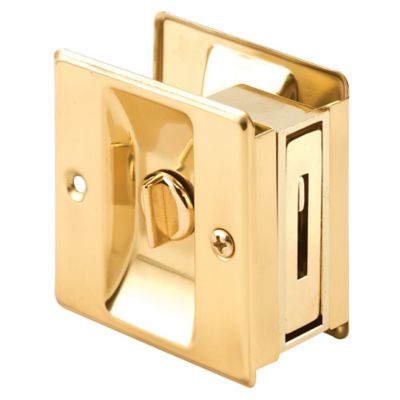
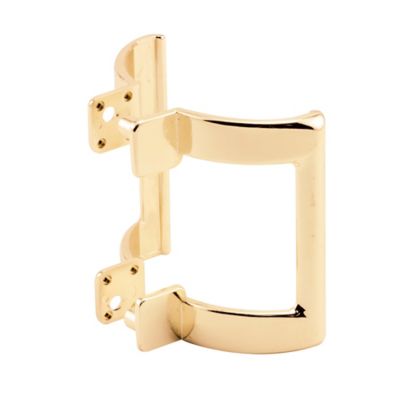
Brass hardware brings a warm, golden tone to cabinets, doors, and furniture, with finishes that range from a bright polish to a soft brushed surface or a deeper, aged patina. It fits just as comfortably against painted kitchen cabinets as it does against a stained wood door at the end of a farmhouse hallway. Beyond appearance, the right hardware makes everyday jobs easier: opening a full drawer, getting through a doorway with an armload of laundry, or keeping a cabinet door sitting square. Brass is an alloy made primarily from copper and zinc, and the distinction between solid brass and brass-plated construction matters. Solid brass has brass throughout the metal body, so a scratch does not expose a different base metal, though it can still leave a visible mark or damage a protective finish. Brass-plated hardware has a thin brass layer over another material, such as steel or zinc, and its surface needs care that protects that layer from wear. A brass-colored finish alone does not tell the whole story about construction; material descriptions help distinguish the appearance from the metal underneath. Finish descriptions matter, too. Polished brass reflects more light and gives a crisp contrast against dark paint, while brushed or satin finishes have a quieter sheen that can make fingerprints less noticeable. Unlacquered brass gradually changes color as it reacts with air, moisture, and contact from hands. That patina may develop unevenly, especially around places that get touched often. Lacquered brass has a clear protective coating meant to slow that change, although the coating can wear over time. For a busy household, the choice often comes down to whether a steady-looking finish or a surface that shows its age feels more at home. Neither appearance replaces the need for hardware sized and built for the job, especially on doors and drawers that see traffic from breakfast through evening chores.
Fit is where brass hardware earns its keep, whether the project involves fresh cabinet faces or a well-loved piece of furniture that still has plenty of life left. On replacement drawer and cabinet hardware, the distance between mounting-hole centers matters more than the overall length of the piece. Matching that measurement can spare a sound drawer front from extra drilling, while the width of the base determines whether old marks or holes stay covered. The space behind a grip matters as well. A shallow profile may look tidy but feel cramped for larger hands, and a projecting handle can catch clothing in a narrow walkway. On a deep drawer packed with cookware or shop supplies, enough room for a firm grip is more useful than looks alone. Door hardware brings another set of measurements into play, including door thickness, bore size, and backset—the distance from the door edge to the center of the main mounting hole. Latch dimensions, strike placement, and door handing may also affect compatibility, depending on the design. A finish match cannot make up for a latch that misses its strike or a handle that crowds the door trim. Function deserves the same attention: passage hardware suits spaces that do not need locking, privacy functions serve rooms such as bathrooms, and keyed entry functions address a different need. For a cleaner-lined look on an interior or entryway project,
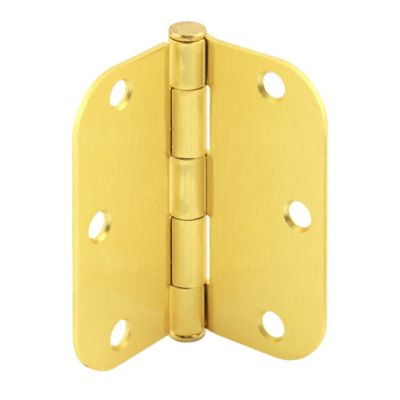
Modern Brass Door Handles offer a related direction to explore alongside other brass finishes. Where hinges are part of the job, leaf dimensions, screw-hole placement, corner shape, and the weight rating all influence fit and support. A broad, heavy wood door calls for more than a matching color. Mounting screws also need to suit the hardware and the material behind it; screws that are too short may not hold well, while screws that are too long can interfere with the assembly or break through a thin panel. These details matter in an older house, a workshop office, or a mudroom where doors get a workout and small fitting problems soon become daily annoyances.
Intended use and care help determine how brass hardware holds up over the years. Brass does not rust like iron or steel, but it can tarnish and corrode, and brass-plated steel can rust where its protective layers are compromised. Outdoor exposure adds rain, humidity, temperature swings, and airborne contaminants to the picture, so an exterior location calls for hardware specifically rated for that setting. A sheltered porch door and a gate out beside the barn do not face the same conditions, and a brass appearance by itself is no promise of weather resistance or load capacity. Around livestock areas, fertilizer storage, or strong cleaning chemicals, exposure deserves particular attention because some substances can attack brass or its finish. For routine household care, a soft cloth is often enough to lift fingerprints and dust. When the manufacturer's directions allow it, a cloth lightly dampened with mild soap and water can handle everyday grime, followed by drying rather than leaving moisture around seams and fasteners. Abrasive pads, harsh cleaners, and ammonia-based products can harm the surface. Brass polish is not suitable for every finish: it may remove an intentional patina, damage lacquer, or wear through plating, so the finish type and care directions should settle that decision. Moving parts may have separate maintenance requirements, and lubricant belongs only where the hardware maker recommends it. During the cooler months, grit carried in from the yard and damp gloves can leave extra marks around entryways, making a gentle wipe-down a practical part of regular upkeep. For homeowners, property caretakers, and folks bringing an older cabinet or door back into everyday service, brass hardware offers both a useful working surface and a warm finishing touch. Coordinating sheen and undertone across nearby hardware can tie a room together without making every piece identical. The best fit balances that look with comfortable handling, sound attachment, and a finish suited to the way the space actually works.