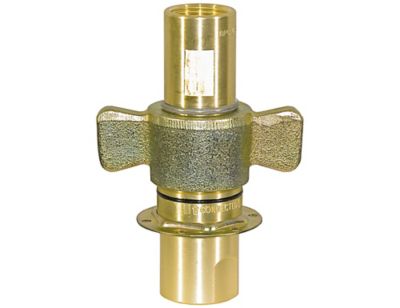
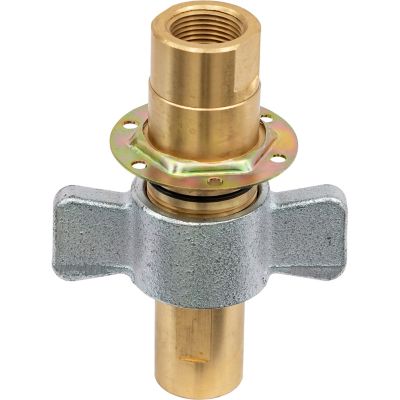
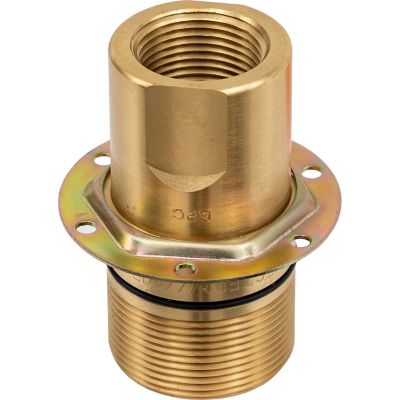
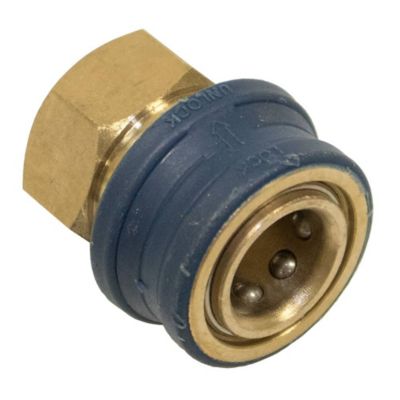
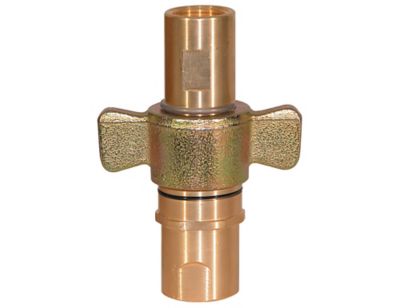
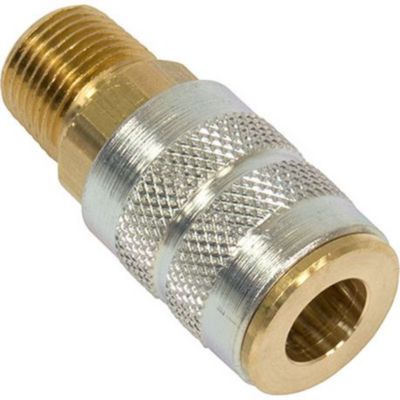
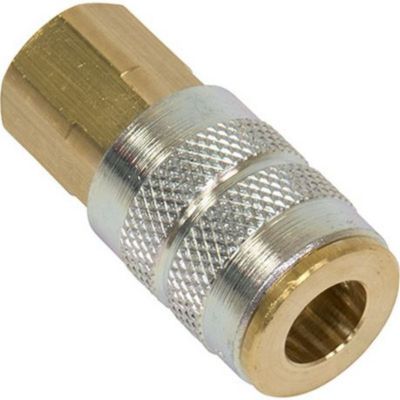
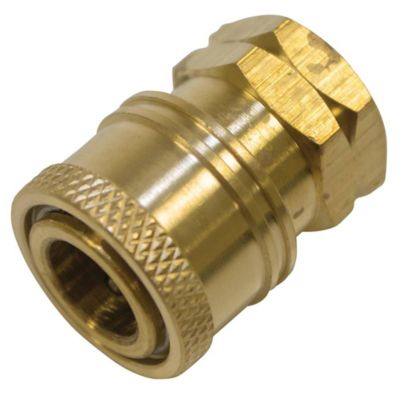
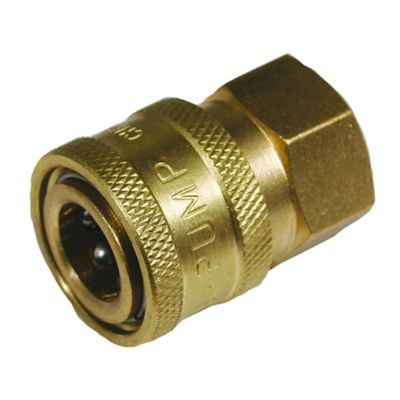
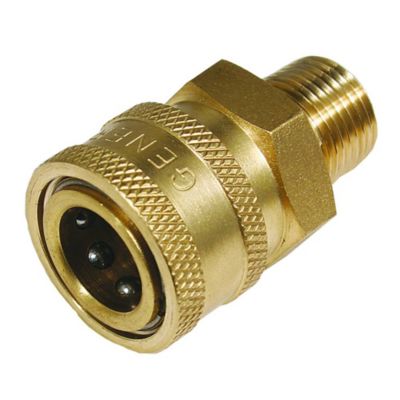
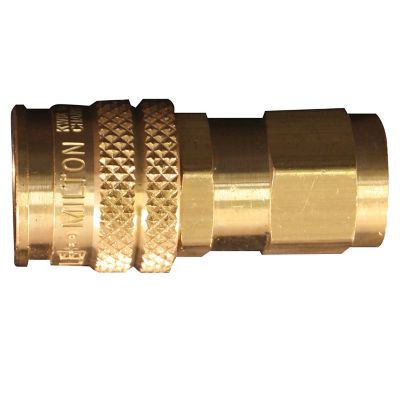
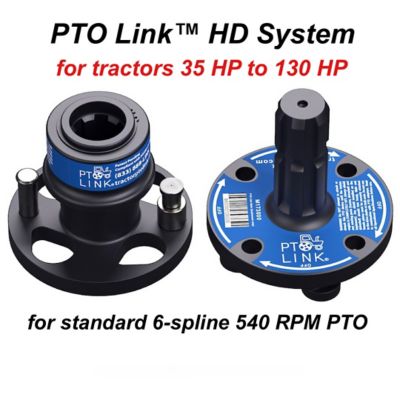
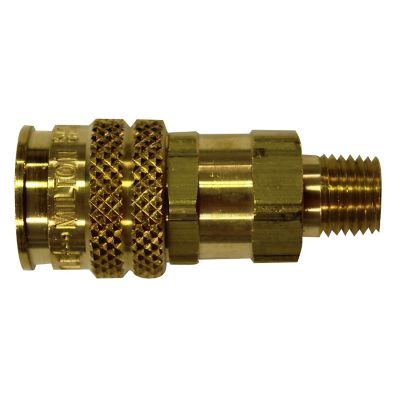
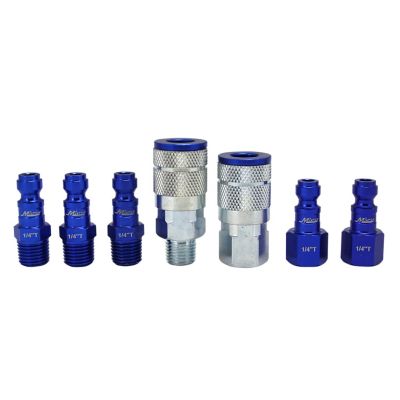
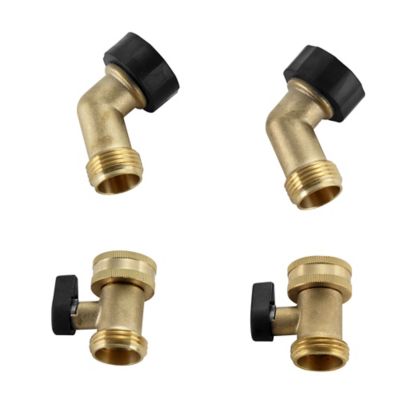
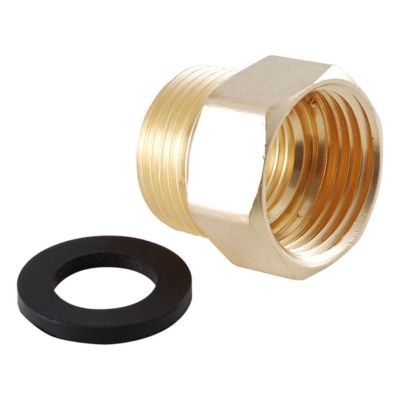
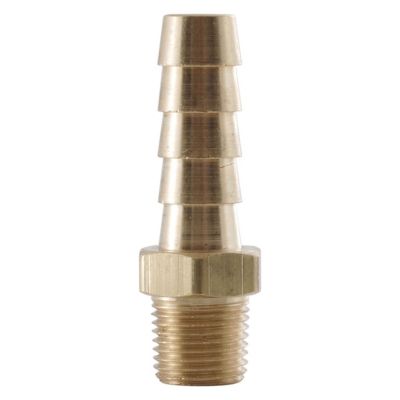
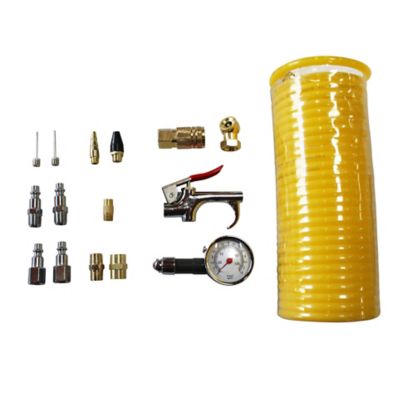
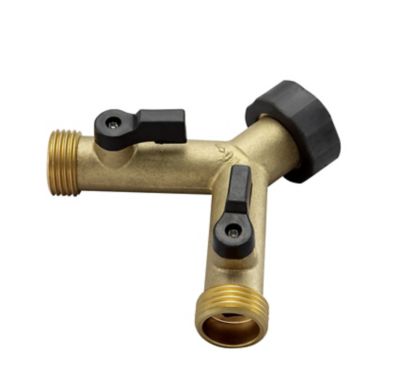
Brass quick couplers are handy fittings for joining and disconnecting hoses, pipes, air lines and equipment without taking apart an entire setup each time. Made from solid brass or brass components, these couplers offer a dependable balance of strength, corrosion resistance and everyday ease of use. They are commonly used with garden hoses, irrigation lines, pressure washers, compressed-air tools, water tanks, sprayers and some hydraulic equipment. A quick coupler generally has two mating pieces—a plug and a socket—that lock together with a push, twist or sleeve mechanism, depending on the style. When the connection is released, the line can be changed or stored with less mess and less wasted time. For anyone comparing brass quick couplers, start by identifying the job they will handle. A fitting used for watering raised beds or washing equipment has different requirements from one used on an air compressor or a tractor attachment. Check the fitting style, connection type, line size, pressure rating and temperature range before adding a coupler to your setup. Matching these details helps create a secure connection and keeps the fitting working as intended. Common connection options include male or female pipe threads, hose-barb ends and threaded adapters. Pipe threads may be listed by nominal size, such as 1/4-inch, 3/8-inch or 1/2-inch, while a hose barb is selected to fit the inside diameter of a flexible hose. A coupler can also be straight, angled or designed for a particular equipment connection. If you are replacing an older fitting, keep the original part nearby while shopping so you can compare the thread size, shape and connection style. For a broader selection of matching pieces, browse
Brass Hose Fittings.
Around the farm, brass quick couplers are especially useful wherever hoses need to move from one task to another. A garden hose can be connected to a spray wand, sprinkler, wash-down nozzle or utility sink, then disconnected when the job is finished without repeatedly threading the hose onto each accessory. In an irrigation setup, a coupler can make it easier to connect a temporary line, move water between garden areas or service a valve without disturbing more of the system than necessary. They can also help organize seasonal equipment during the cooler months, when hoses and watering tools are drained, coiled and put away. Brass stands up well to ordinary outdoor use and is less likely to rust than plain steel, though it should still be protected from freezing water and harsh chemicals. Drain lines before a hard freeze, and store loose fittings where dirt and moisture will not collect inside the openings. In a shop or garage, quick couplers are often paired with compressed-air lines so a user can switch between an air chuck, blow gun, inflator or pneumatic tool with less fumbling around. Air applications require close attention to the pressure rating; a fitting that works for a low-pressure utility line should not be assumed safe for compressed air. Look for couplers made for the intended air service, and make sure the plug and socket use the same profile or connection standard. For hydraulic equipment, including some tractors, loaders, log splitters and other mobile machinery, select couplers specifically rated for hydraulic pressure and the fluid being used. Hydraulic connections can operate at far higher pressures than garden or air lines, so general-purpose water fittings are not suitable substitutes. Standards such as ISO interchange profiles may help identify compatible hydraulic couplers, but the equipment manufacturer’s specifications should always take priority. Brass quick couplers may be useful to homeowners, gardeners, maintenance crews, small-farm operators, mechanics and anyone who regularly changes hose-mounted tools. They can also make a practical gift for a new homeowner, hobby farmer or handy person building a first workshop, especially when the recipient already has hoses or tools but needs an easier way to connect them.
A good fit should feel solid in the hand, with clean threads, smooth mating surfaces and a locking sleeve or mechanism that moves without binding. Look for a design with reliable seals, such as rubber O-rings, to help reduce leaks when the connection is under pressure. Seals are wear items, so it is worth checking whether replacement O-rings or service parts are available for the fitting style. Dirt is one of the most common causes of trouble with quick couplers. A small bit of grit can keep the valve from seating, damage a seal or make a threaded connection leak, much like a grain of sand caught beneath a gate latch. Wipe the plug and socket clean before connecting them, use protective caps when the fittings are separated and avoid dragging open ends through soil, gravel or muddy water. Thread sealant may be appropriate for tapered pipe threads, but it should not be placed where it can break loose and enter the line, and it should not be used on connections that seal with an O-ring or washer. Tighten threaded fittings firmly without over-torquing, since excessive force can damage threads or distort a seal. For water lines, inspect for drips after pressurizing the system. For air lines, listen for hissing and apply an approved leak-detection solution if needed. On hydraulic equipment, shut down the machine, relieve system pressure and follow the equipment instructions before disconnecting any fitting; never use your hands to search for a high-pressure leak. Brass quick couplers are a practical choice when repeated connection changes, dependable sealing and resistance to everyday wear matter. Choosing the correct size and service rating gives these compact fittings a useful place in watering systems, workshops, garages and equipment setups through changing weather and busy seasons.