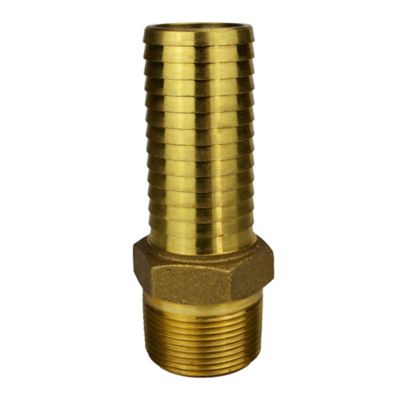
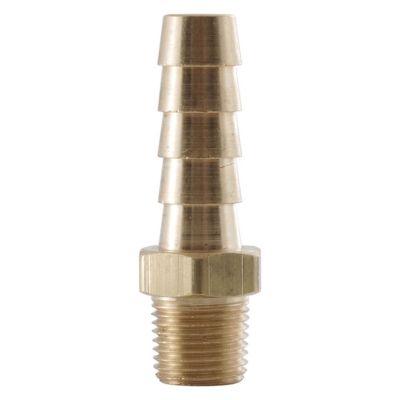
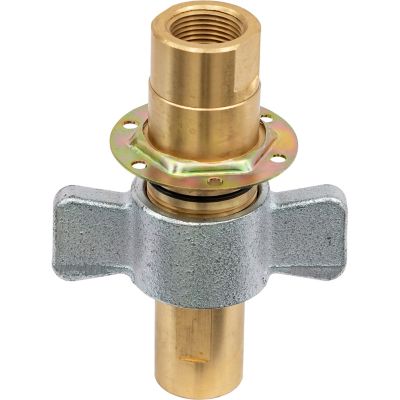
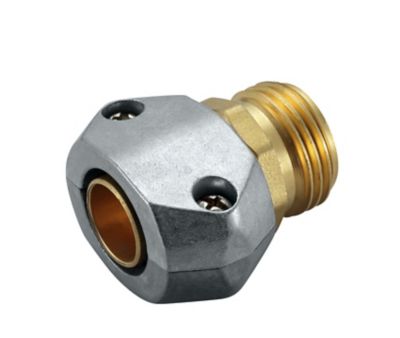
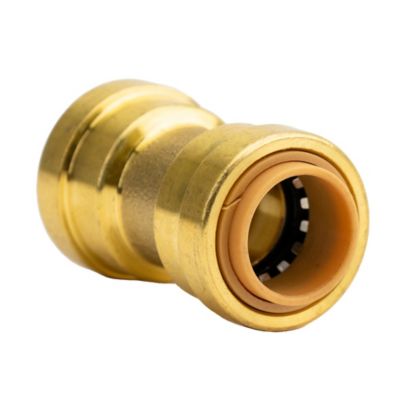
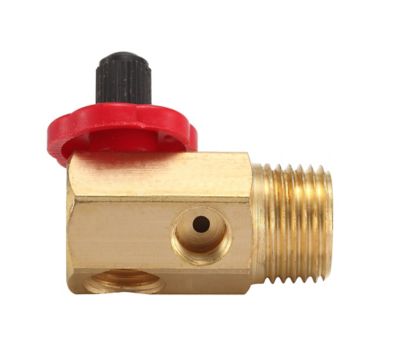
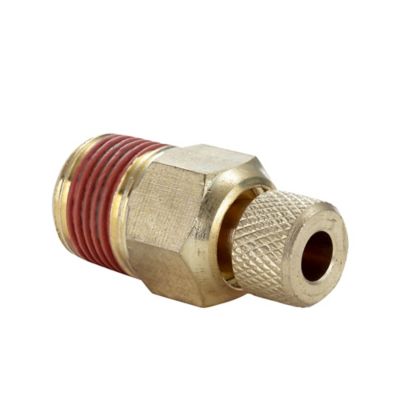
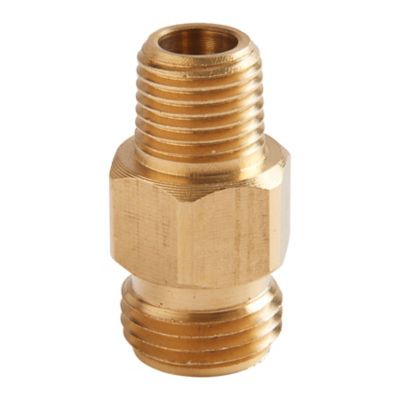
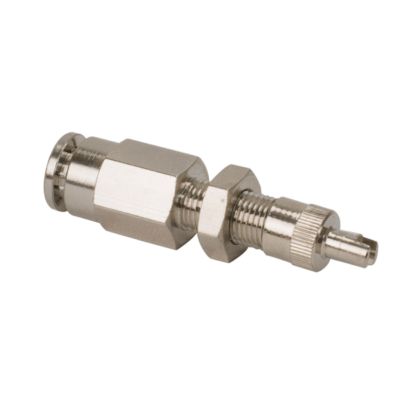
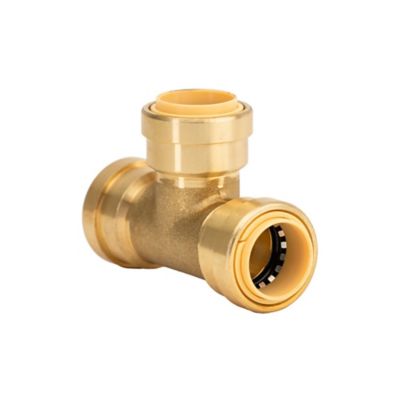
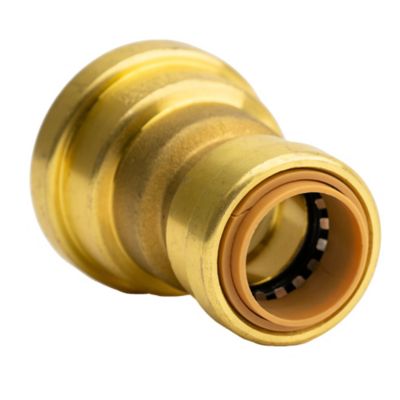
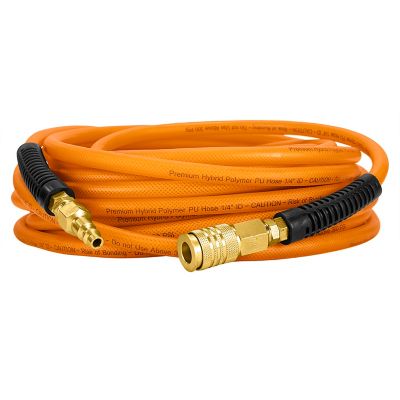
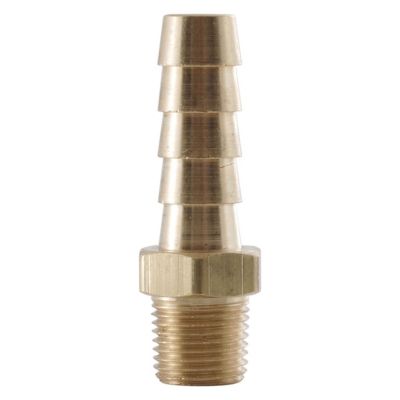
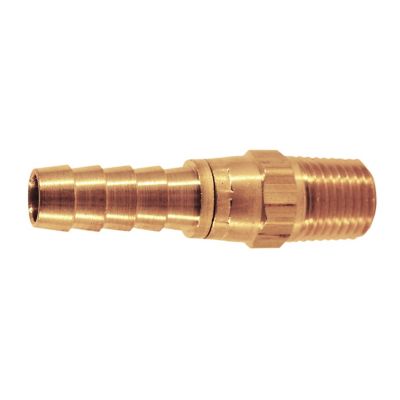
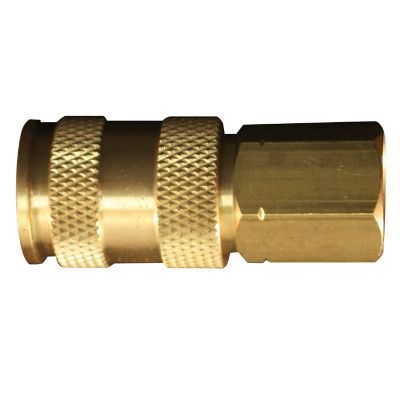
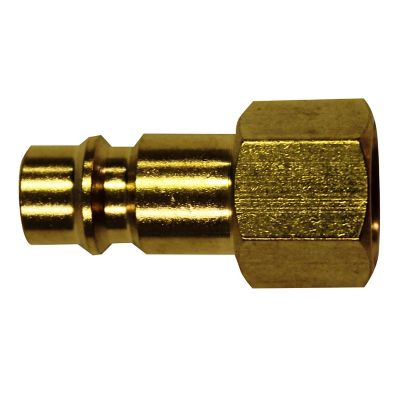
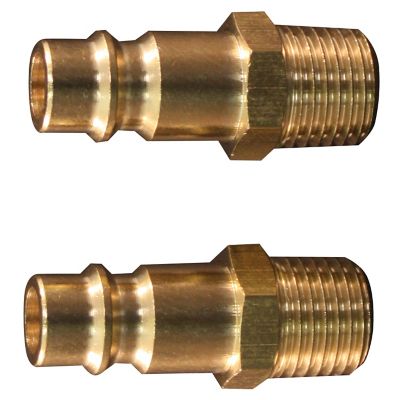
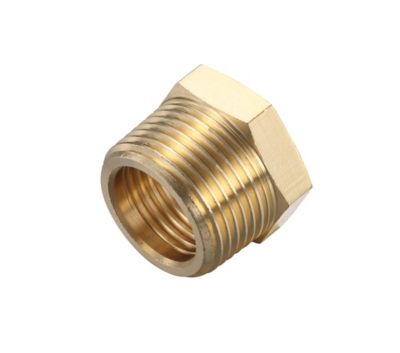
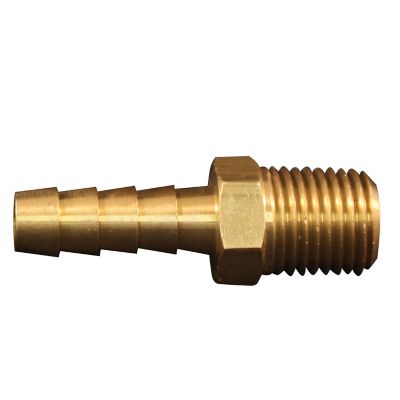
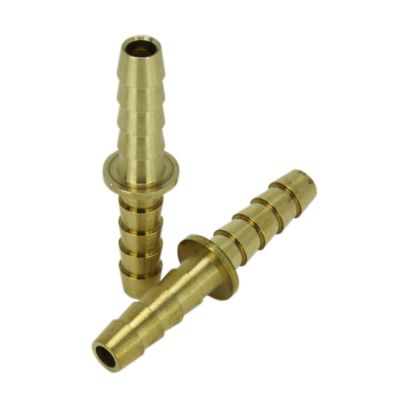
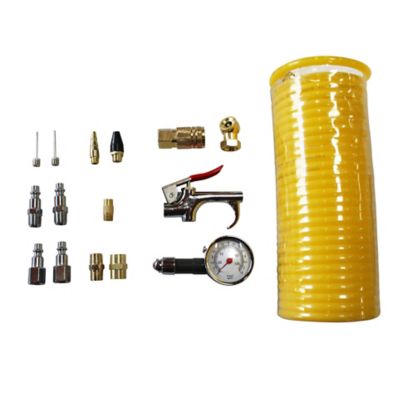
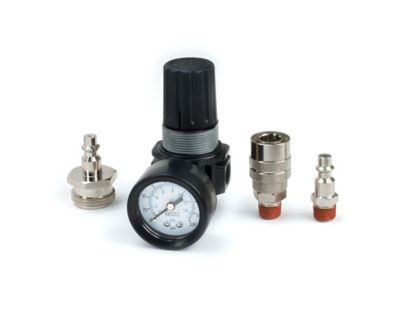
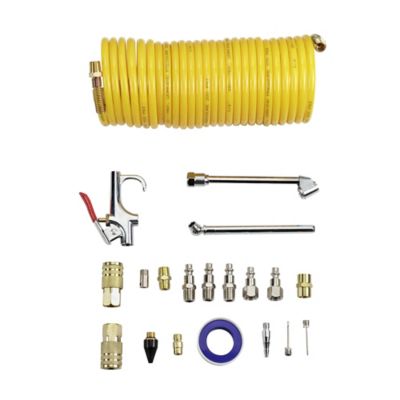
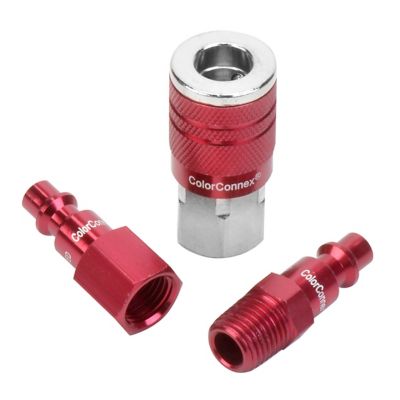
Brass pneumatic fittings help bring the pieces of a compressed-air setup together, whether the air line runs across a farm shop, along a workbench, through a maintenance area, or around a piece of equipment. These connectors join tubing, hoses, valves, filters, regulators, gauges, and air tools while helping keep air moving through the system with fewer leaks. Brass is a practical choice for many shop and farm applications because it stands up well to moisture and resists rust better than ordinary carbon steel. It also offers the strength needed for common plant and shop air pressures without the added expense of stainless steel. With smooth machined surfaces and well-formed threads, a brass fitting can create a snug connection when the fitting style, thread type, hose size, and pressure rating all match the rest of the system. For anyone laying out a new air line or replacing a fitting that has been seeping around the threads, this product category makes it easier to find connectors for straight runs, tight corners, hose changes, and quick tool changes. A small fitting may not look like much in the palm of your hand, but the right one can make a noticeable difference when an air compressor cycles too often, a nailer loses force, or a hose connection hisses beneath the workbench.
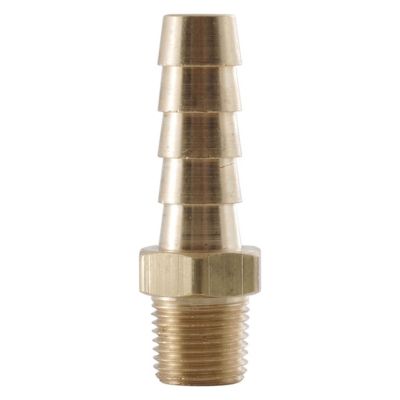
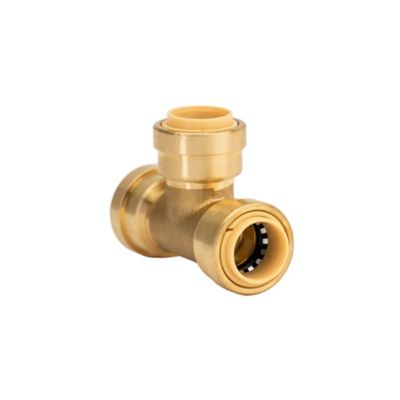
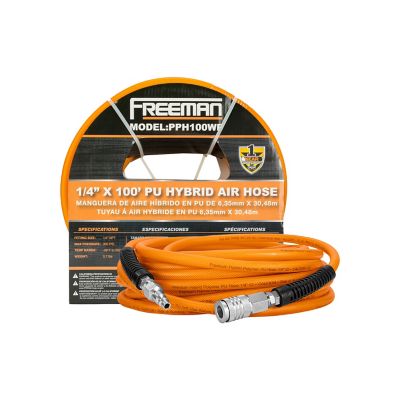
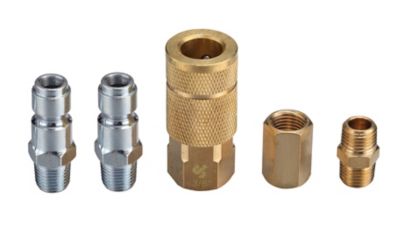
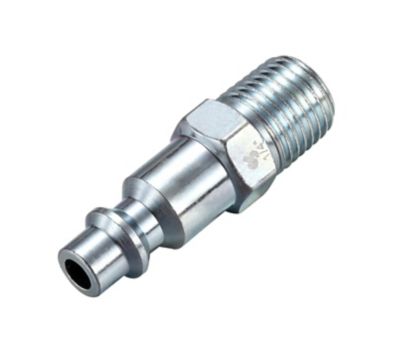
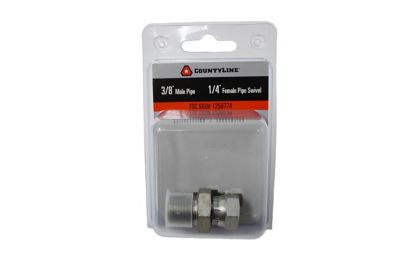
When comparing brass pneumatic fittings, start with the connection details rather than the appearance. Check the tubing’s outside diameter or the hose’s inside diameter, then match that measurement to the fitting style. Push-to-connect fittings are made for compatible nylon or polyurethane tubing and allow the tube to slide into place without a wrench at the tube end. They are handy when an air line needs a clean route around a cabinet or when a maintenance job calls for a quick connection. Hose barbs grip the inside of rubber or PVC air hose and are commonly paired with a clamp to help hold the hose firmly in place. Threaded adapters, tees, elbows, and straight connectors are useful when joining components with National Pipe Thread, often called NPT. Keep in mind that NPT threads are tapered, while some equipment uses a different thread standard, so matching the thread type matters as much as matching the size. A quick-disconnect coupler can make it simple to plug in and unplug air tools, especially in a shop where a compressor serves several stations. Look for a coupler and plug style that belong together, since similar-looking connections are not always interchangeable. Before adding fittings to a system, review the maximum working pressure and temperature listed for the fitting, tubing, hose, and connected equipment. The complete assembly should be rated for the demands of the air system, not just the compressor’s lowest setting. A little planning at the parts counter can save a return trip when the job is waiting and the compressor is already humming.
These fittings can serve a wide range of people, from a farmer keeping an air line ready for tire service to a homeowner maintaining a small garage compressor. They are also useful in repair bays, fabrication areas, workshops, barns, and other places where compressed air helps with cleaning, inflating, fastening, spraying, or running pneumatic tools. During the cooler months, a well-planned air setup can make indoor maintenance easier when muddy boots, packed soil, or wet weather put more work under cover. In a rural shop, brass fittings may connect an air hose near the tractor bay, route tubing around a repair bench, or help organize several tools from one compressor line. A person building or improving a home workshop may appreciate having several fitting styles on hand for routine repairs, while an experienced mechanic may be looking for a particular elbow, adapter, barb, or coupler to finish a specific connection. These parts can also make a useful present for someone who spends weekends restoring equipment, maintaining vehicles, or keeping a busy shop in working order, provided the thread and hose measurements are known. For related connections that work with water, fuel, or other hose applications, browse
Brass Hose Fittings. As you shop, consider the number of bends in the line, the available clearance around each connection, the material of the tubing or hose, and whether the fitting will be exposed to moisture, oil, vibration, or frequent tool changes. Keep threads clean, apply a sealant that is suitable for compressed-air service when the connection calls for it, and avoid forcing mismatched parts together. Always shut off the compressor and release trapped air before changing a fitting. Once installed, inspect the connection for leaks and check it again after the system reaches operating pressure. With the right size and style in place, brass pneumatic fittings can help create a tidy air system that is easier to maintain through busy workdays and changing weather.