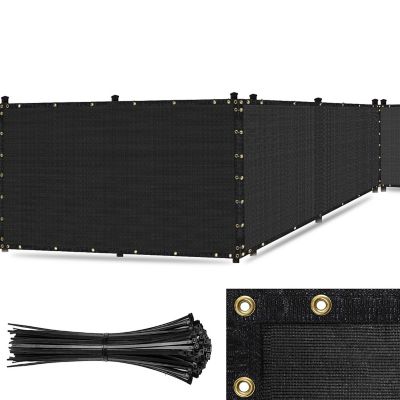
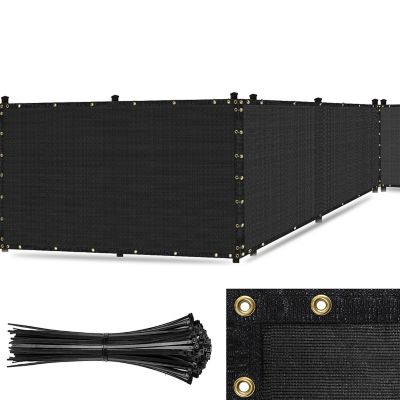
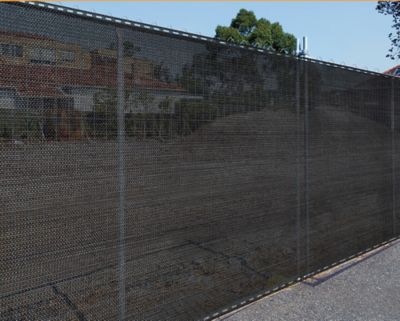
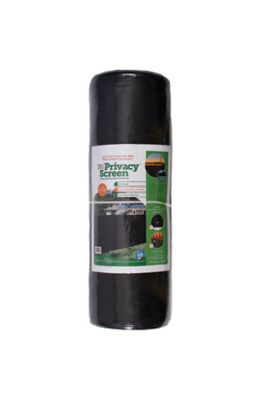
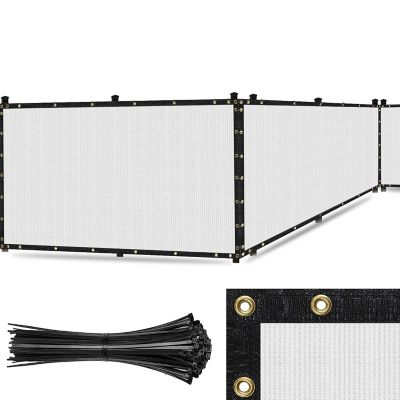
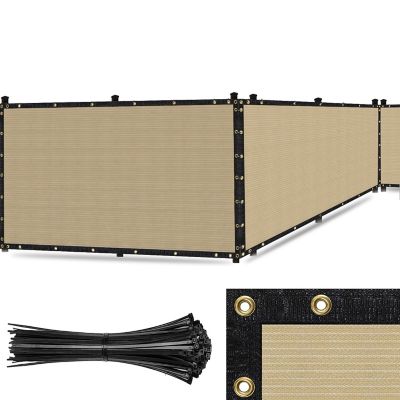
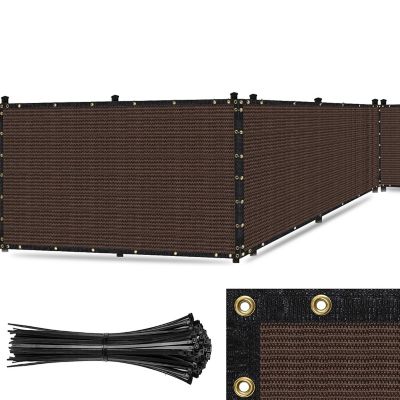
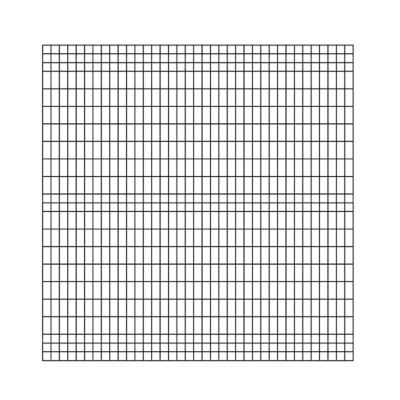
Black outdoor privacy screens are a handy way to make a patio, deck, porch, balcony, or backyard feel more settled and private without building a full wall. The dark color blends well with fences, garden beds, metal furniture, and modern outdoor spaces, while also helping the screen recede into the background instead of competing with flowers, trees, or the view you want to keep. Homeowners use them to block sightlines from a neighboring yard, cover an open section of chain-link fencing, create a little separation around a sitting area, or hide less attractive necessities such as trash bins, air-conditioning equipment, storage areas, and outdoor tools. They can also help soften breezes and reduce the amount of low-angle sun reaching a porch or deck, making an outdoor space more comfortable during warm afternoons and the cooler months that follow. For more ideas on arranging an enclosed outdoor area, visit
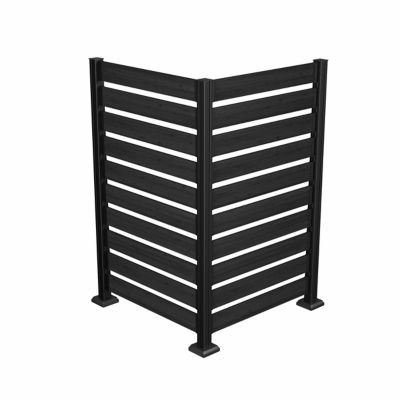
Privacy Screens For Backyards. When choosing a screen, start by measuring the width and height of the area you want to cover, then allow room for posts, mounting hardware, hems, or a little overlap. A screen that is too short may leave an awkward gap, while one that is too tight can pull on its fasteners when the wind picks up. Think about whether you need a permanent barrier, a movable panel, or something that can be rolled away when you want an open view. A fabric screen works well along wire or chain-link fencing and is often simple to attach with ties, clips, or other compatible fasteners. A rigid panel may be a better fit for a patio corner, garden border, or freestanding divider where appearance and structure matter just as much as coverage. A retractable side screen can be useful on a narrow porch, balcony, or side-by-side patio where space is limited and the screen needs to disappear when it is not in use.
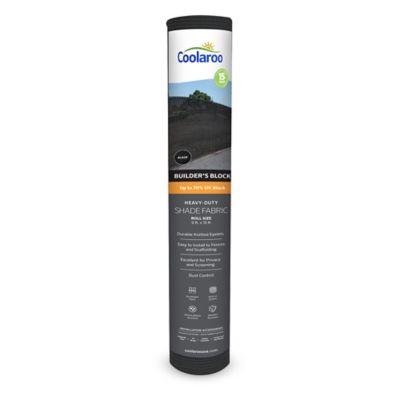
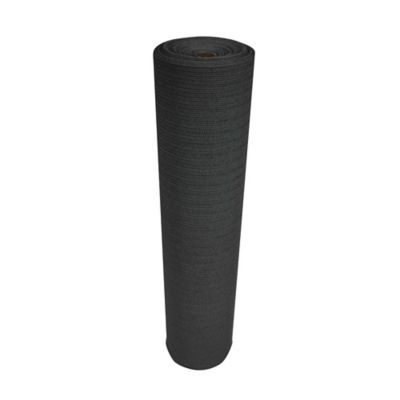
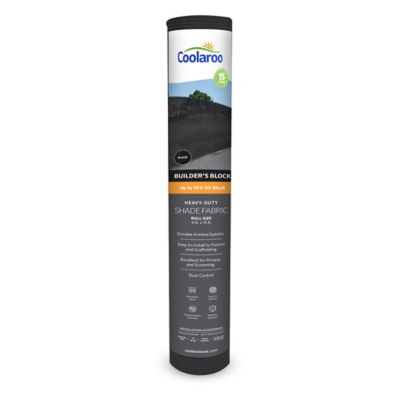
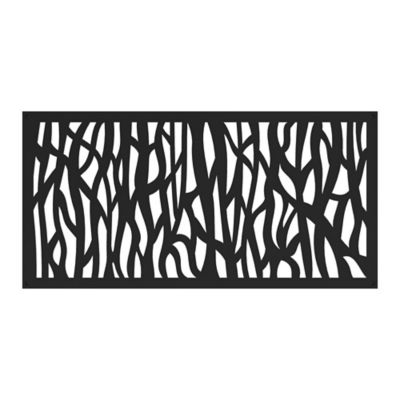
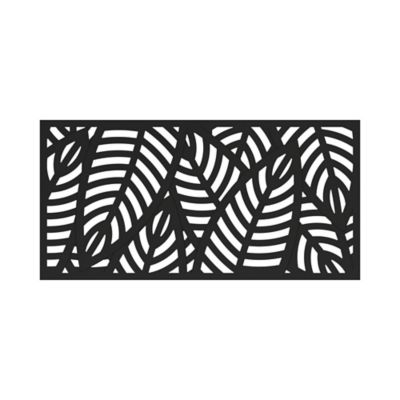
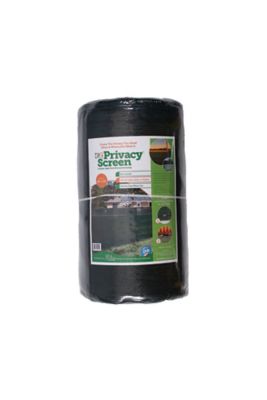
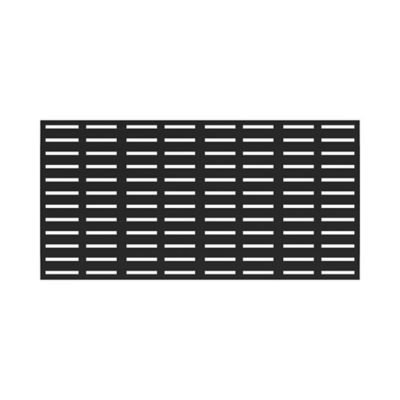
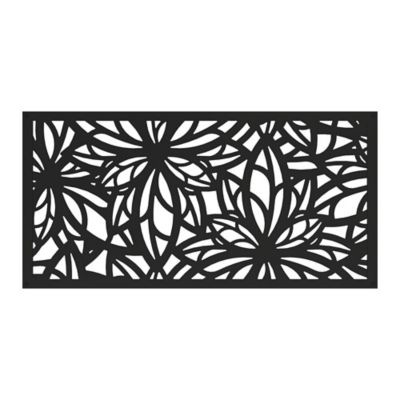
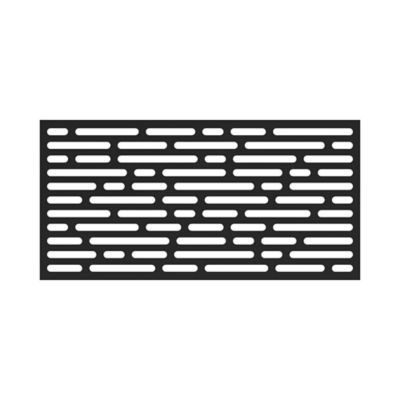
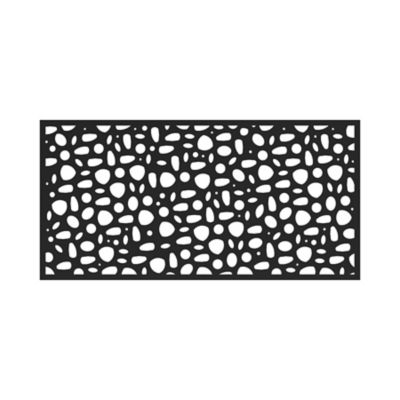
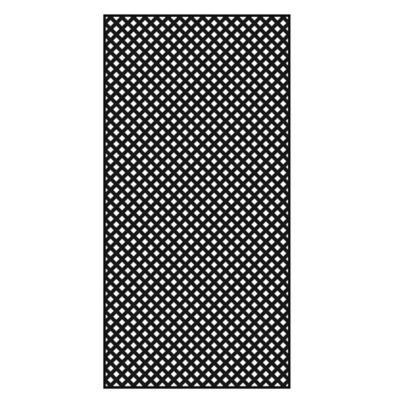
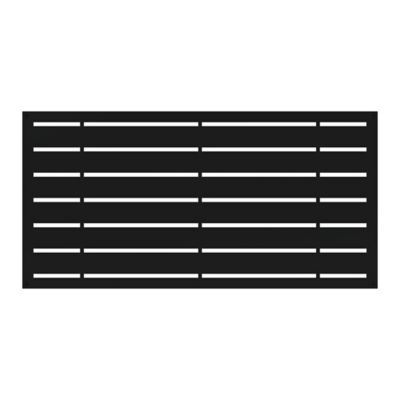
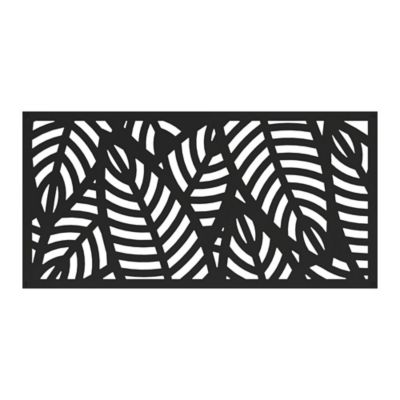
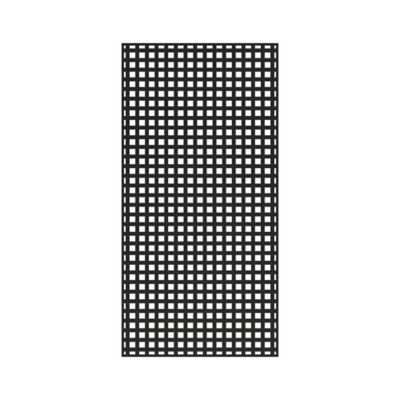
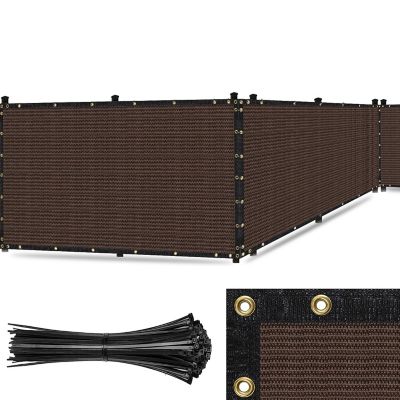
The material and weave make a real difference in how a black outdoor privacy screen performs. High-density polyethylene, often called HDPE, is a knitted mesh commonly used for fence and deck screening because it provides privacy while allowing some air to pass through. Depending on the design and construction, mesh screens may offer roughly 80% to 90% visual blockage, though the exact amount can change with the viewing angle, lighting, and distance. A breathable weave is especially helpful in windy areas because it lets some pressure escape rather than acting like a solid sail. Even so, every screen needs secure attachment, and a large uninterrupted span may require extra fastening points or support. Look for reinforced edges, sturdy grommets, and clear installation instructions if the screen will stay outdoors for long stretches. UV-resistant treatments can help reduce fading and fabric breakdown from steady sunlight, while weather-resistant materials are better suited to damp grass, summer showers, and changing conditions during the cooler season. Metal privacy panels offer a different look and feel. Steel or aluminum panels can stand on their own, mount to a wall, or fit between posts, depending on the style. Laser-cut openings with geometric, leaf, or other decorative patterns can block direct views while adding a finished accent to a plain fence or patio. Remember that a decorative panel is not always a solid privacy wall; the size and arrangement of the cutouts determine how much of the background remains visible. Metal can also add more weight and permanence, so check the mounting surface and consider whether posts need to be set firmly in the ground. For any screen, inspect the frame, seams, brackets, and anchor points from time to time, especially after strong wind or heavy rain. A quick wipe with mild soap and water can remove dust, pollen, and mud before they settle into the material, and fabric screens should be allowed to dry fully when possible.
Black outdoor privacy screens suit all kinds of outdoor spaces and people. A family may use one to give a play area or poolside sitting space a little separation from the road. Someone living on a small lot may place a screen beside a grill or dining table to make the backyard feel more like a room. Renters and apartment residents often appreciate options that do not require major construction, such as a freestanding panel, balcony screen, or retractable shade that can be removed when needed. Gardeners can use a decorative divider to frame a raised bed, conceal a compost area, or create a backdrop for climbing plants, though vines should not be allowed to overload a panel that was not designed for that purpose. These screens can also make thoughtful housewarming, wedding, or new-home gifts for someone settling into a porch, deck, or backyard, particularly when you know the general size and layout of the space. Before purchasing, compare the screen’s dimensions, material, level of privacy, mounting method, care requirements, and resistance to sun and moisture. Check whether hardware is included, whether the screen is intended for temporary or permanent use, and whether its weight is suitable for the fence, wall, railing, or posts where it will be installed. In exposed locations, leave enough room for drainage and avoid placing fabric where it will rub constantly against rough wood or sharp metal. In areas with frequent high winds, a smaller section with stronger support may hold up better than one wide, loosely secured span. With the right fit and a solid installation, a black screen can turn an open, overlooked corner into a comfortable spot for morning coffee, evening meals, container gardening, or simply watching the yard while keeping everyday clutter and neighboring views out of sight.