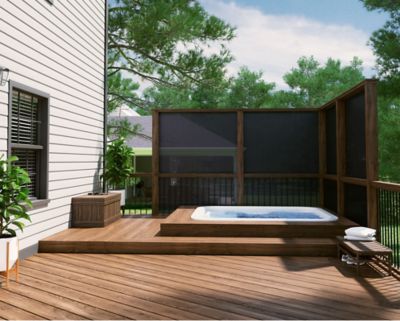
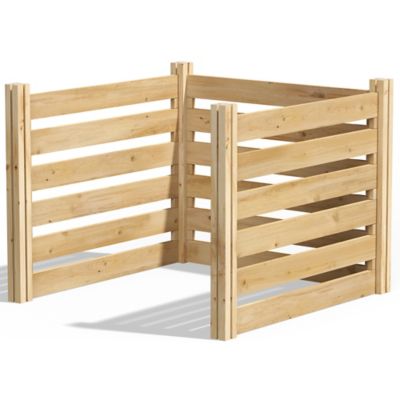
Privacy screens for backyards can turn an open patio, deck, or stretch of lawn into a more comfortable place to relax, work, dine, and spend time with family. They help block sightlines from nearby homes, roads, walkways, and neighboring yards while adding a finished look to an outdoor space. A screen may be useful around a hot tub, pool area, outdoor shower, fire pit, porch, or seating area, and it can also help hide less attractive views such as trash bins, utility equipment, compost containers, or garden tools. Some homeowners use a screen to create a quiet corner for morning coffee, while others use one to give dogs a little separation from passersby or make a chicken run and other animal areas feel more contained. Renters, apartment dwellers, and anyone with a balcony or small patio may appreciate lightweight options that attach to an existing railing or fence. For a broader look at permanent and semi-permanent outdoor privacy solutions, explore
Privacy Screen Fences. When choosing a backyard privacy screen, start by considering the amount of coverage you need. Measure the length and height of the area, and note whether you need complete privacy or simply a visual divider. A lower screen can define a seating area without making a yard feel closed in, while a taller screen may be better for a busy side yard or a spa area. Think about sun, wind, rain, and the direction of nearby views, too. A screen that looks ideal in a sheltered corner may need extra support when placed along an open fence line where strong gusts can catch it. Local rules, property lines, and homeowner association requirements may also affect the height, placement, or style you can use.
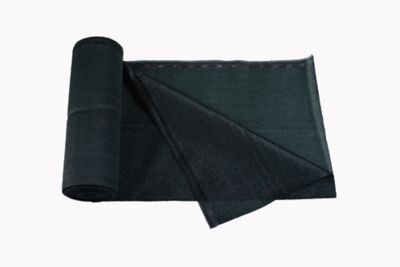
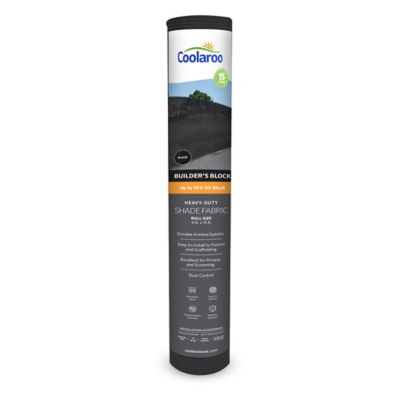
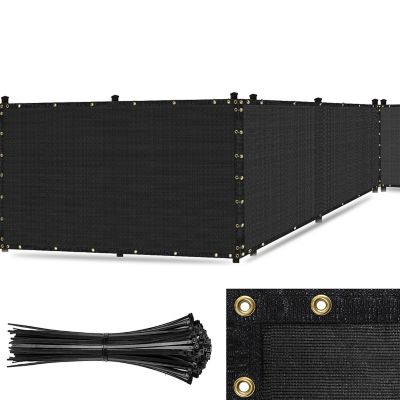
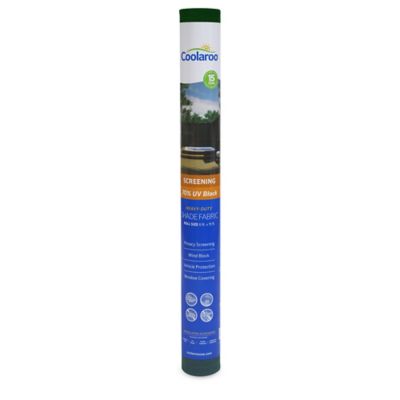
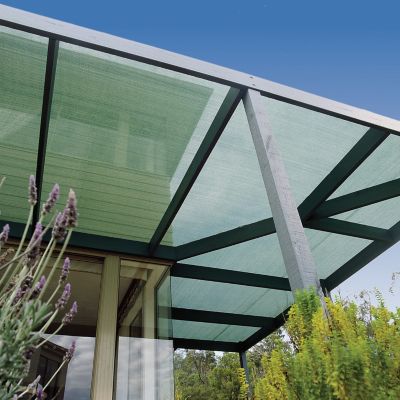
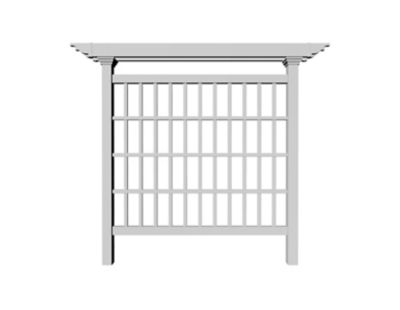
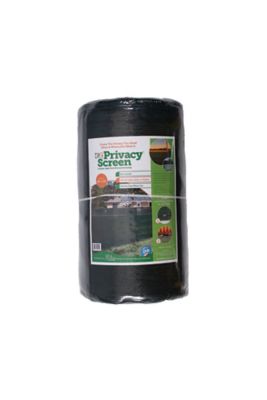
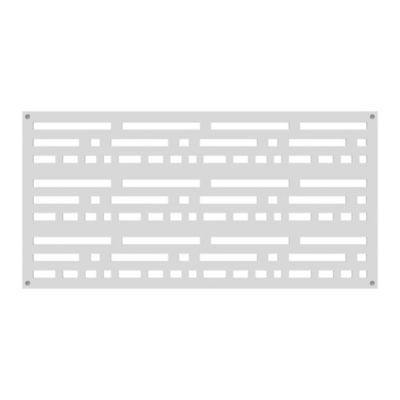
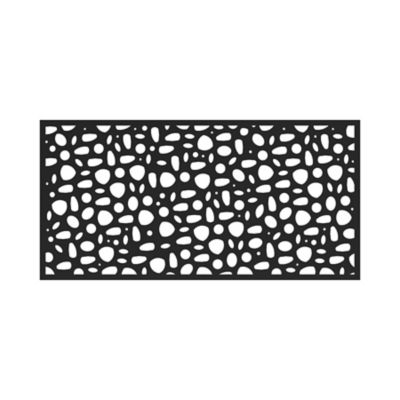
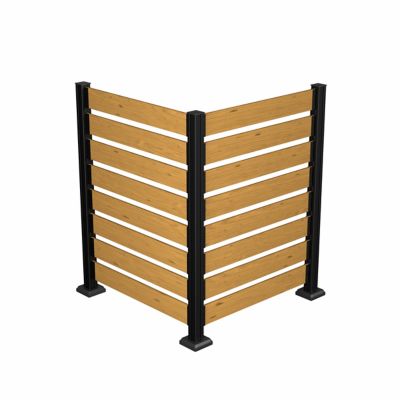
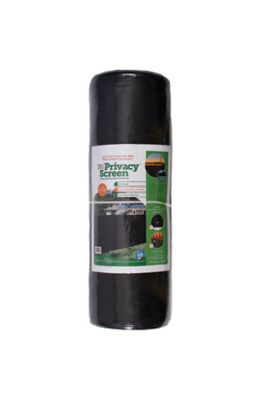
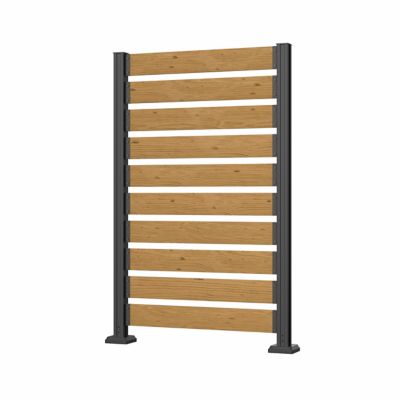
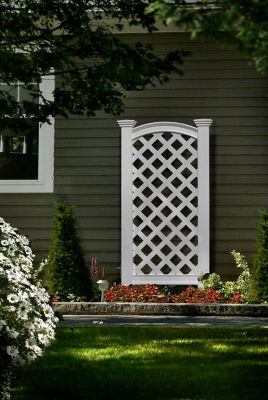
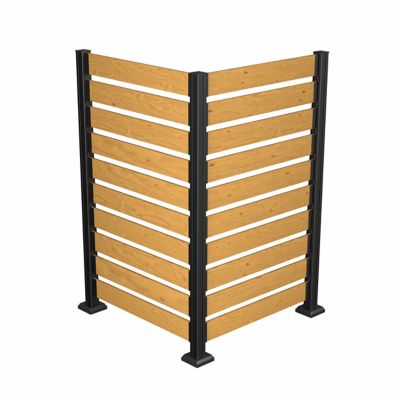
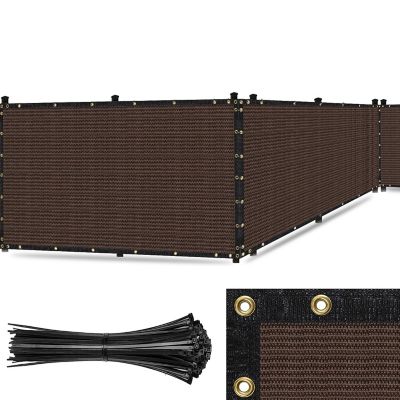
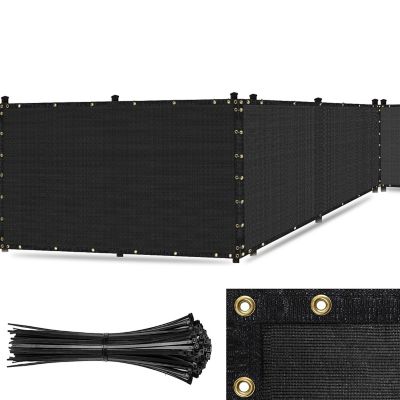
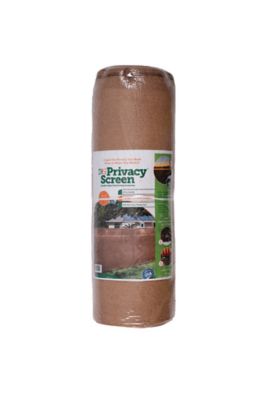
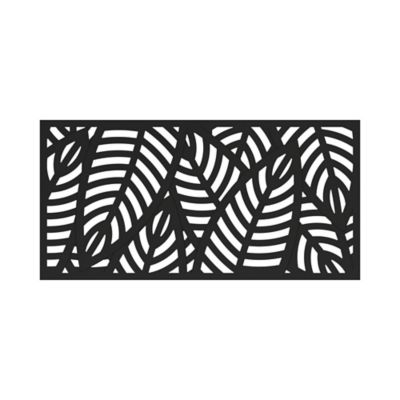
The material makes a big difference in both appearance and everyday care. Fabric and mesh screens are often a practical choice for covering chain-link fences, metal rails, kennels, or other existing structures. They are generally lightweight, easy to handle, and available in solid colors or open-weave designs that soften harsh views while allowing some air to pass through. Attachment usually involves grommets, ties, clips, wire, or similar hardware, so check that the fastening method fits the structure and can hold up outdoors. Rolled bamboo, reed, and other natural-looking materials bring a warm, relaxed feel to patios, garden paths, and pool areas. They can be attached to an existing fence or framed into a divider, but natural materials may weather over time and benefit from protection from standing water and prolonged moisture. Wood screens offer a classic backyard look that blends easily with decks, raised beds, planters, and garden furniture. Slatted designs may provide partial privacy and airflow, while tighter layouts block more of the view. Composite materials can deliver a similar appearance with less routine upkeep, making them appealing for busy households. Decorative metal panels, including pierced or patterned designs, add a more modern touch and can serve as a backdrop for a seating area or outdoor kitchen. They may be mounted between posts, fastened to a wall, or used as part of a larger frame. Artificial greenery and faux ivy can bring the look of a living wall without watering, pruning, or waiting for plants to fill in. For a more natural living border, potted grasses, shrubs, vines, and other landscape plants can be arranged in planters, though living screens require regular watering and care. During warmer weather, plants may grow quickly and fill out nicely; during cooler months, some may slow down or lose their leaves, so plan for how much privacy you want throughout the year.
Installation style is another important consideration. Attached screens work well when you already have a solid fence, railing, wall, pergola, or set of posts in place. Before fastening anything, inspect the structure for loose boards, rust, rot, or weak connections. A screen adds surface area that can catch wind, and an aging fence may need reinforcement before it can safely support one. Freestanding screens are helpful when you want flexibility or do not want to dig permanent post holes. Frames may be supported by planter boxes, deck blocks, weighted bases, or other stable foundations, depending on the design and local conditions. Position freestanding pieces on a level surface, keep walkways clear, and use additional support where needed. Screens near a pool, grill, fire pit, or outdoor heater should be placed with safe clearance and kept away from open flames and hot surfaces. If the screen will be used around children, pets, or livestock, look for sturdy construction, smooth edges, and secure connections that will not snag clothing, paws, or collars. A privacy screen can also be a thoughtful housewarming gift, especially for someone settling into a new home, setting up a first patio, or improving a small rental-friendly outdoor area. It is practical for gardeners who want to frame a quiet planting space, for families creating a more comfortable place to gather, and for anyone who enjoys spending long evenings outdoors but prefers a little separation from the surrounding neighborhood. With the right size, material, and support, privacy screens for backyards can add comfort and character while helping an outdoor space feel more useful in every season.