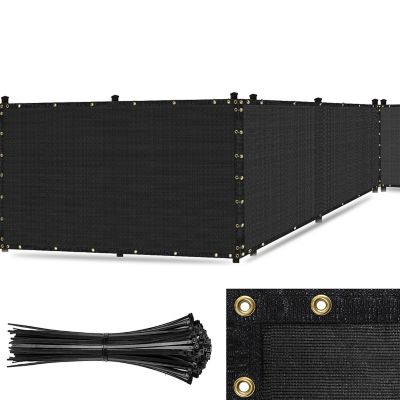
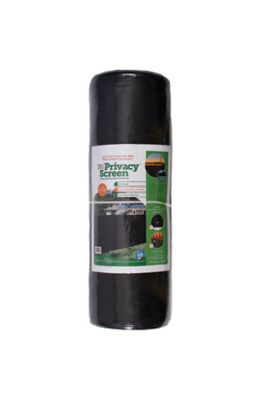
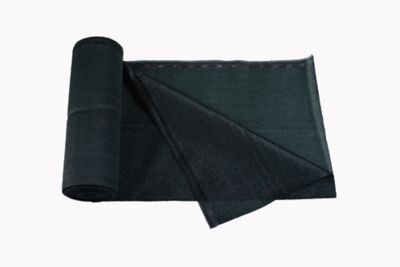
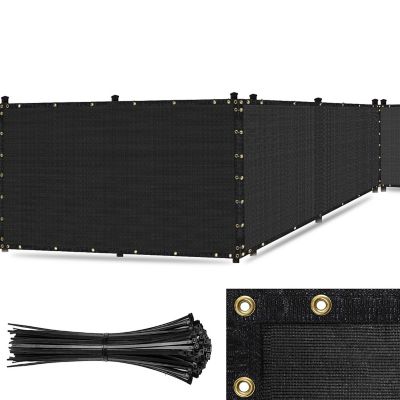
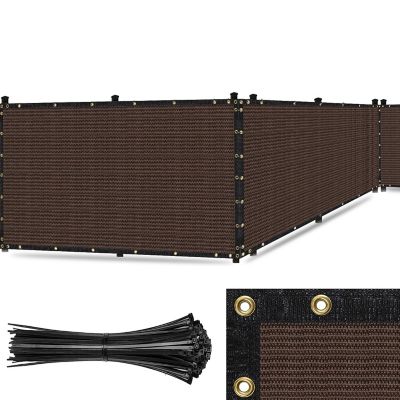
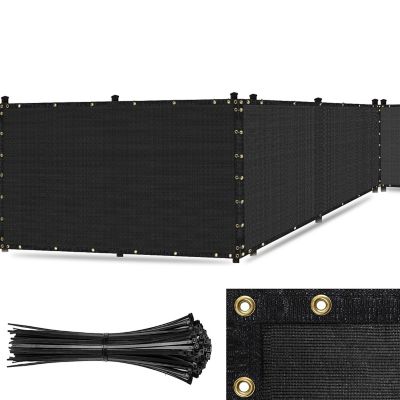
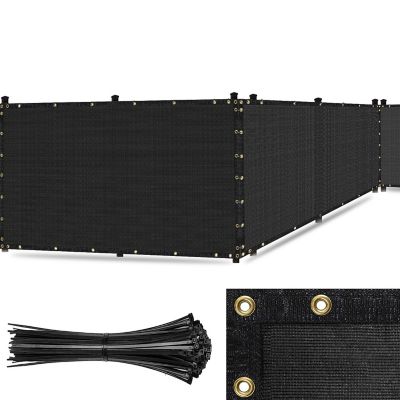
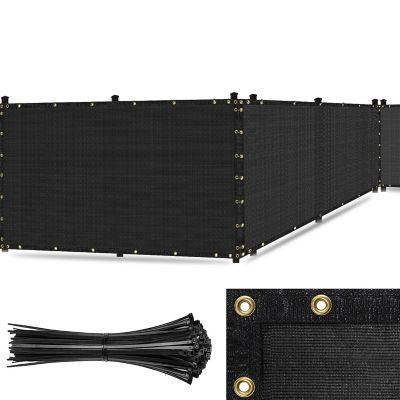
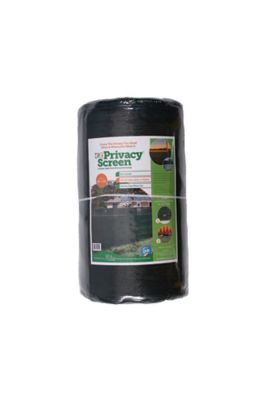
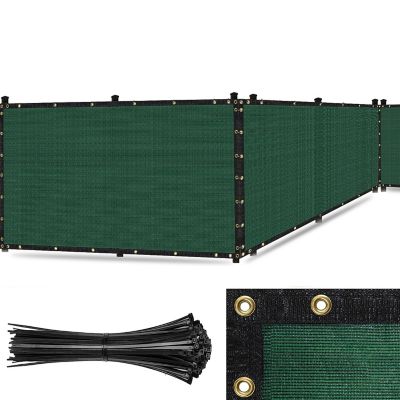
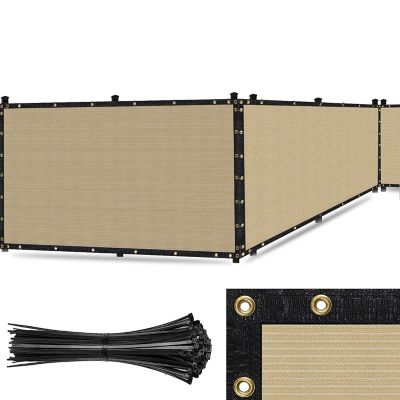
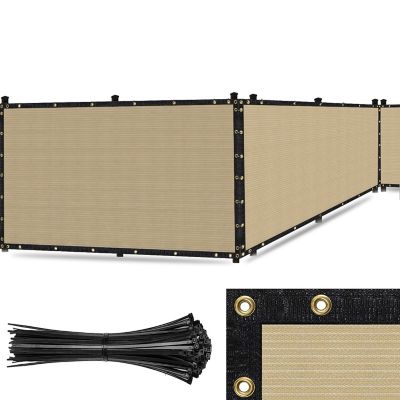
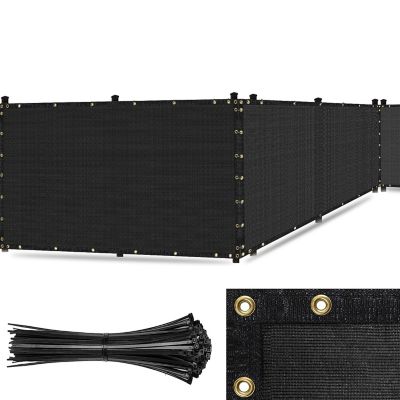
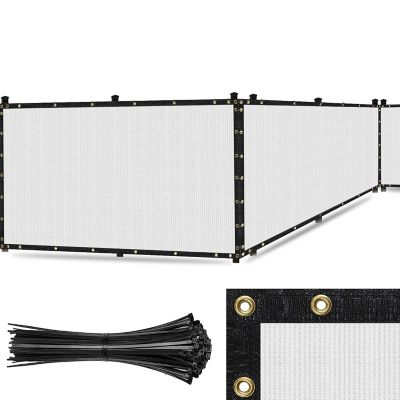
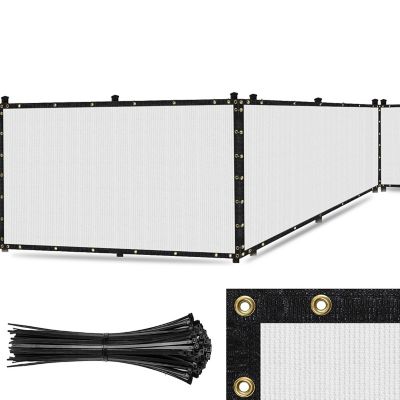
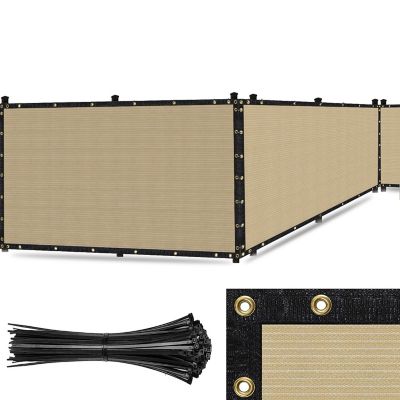
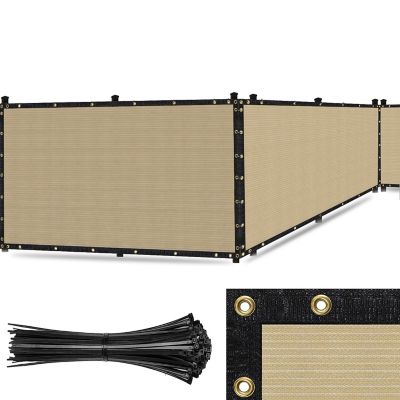
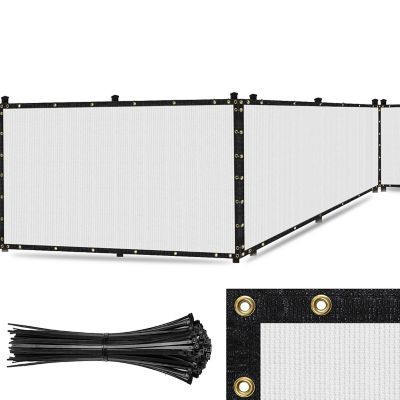
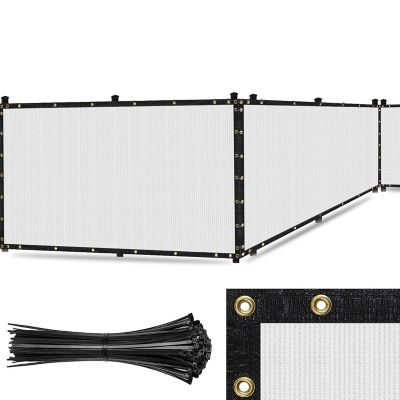
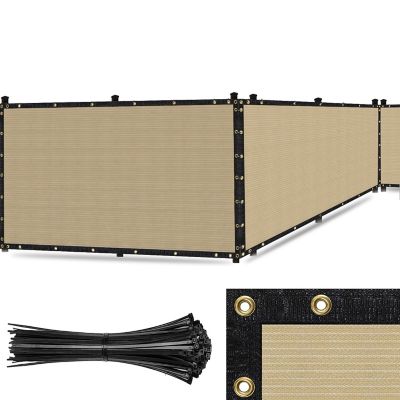
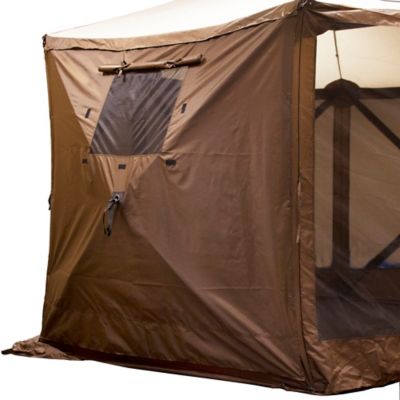
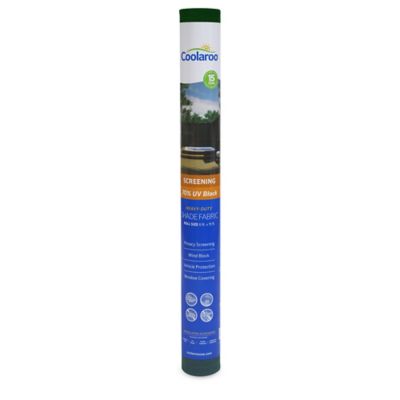
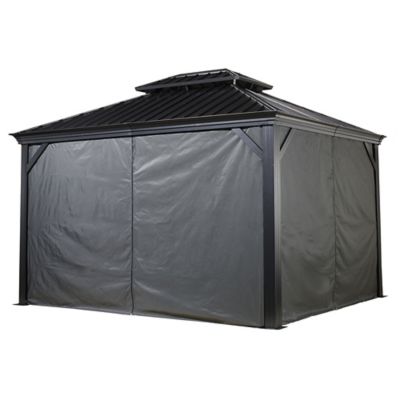
Garden privacy screens can help turn an open yard, patio, deck or porch into a more comfortable place to spend time. They are useful for creating a little separation from a nearby road, neighboring homes or a busy shared space, but they can also hide less attractive areas such as trash bins, air-conditioning units, garden tools, compost containers and utility equipment. Browse
Privacy Screens to find options for adding privacy while keeping your outdoor space looking neat and welcoming. Freestanding panels are a practical choice when you want a flexible setup that can be moved, rearranged or stored as your needs change. They work well around a patio table, outdoor seating area, firewood stack or container garden, and many can be assembled without digging deep post holes. Surface-mounted or in-ground screens are better suited to a more permanent border along a garden, driveway or property line. Before choosing one, measure the area from several angles and think about the height needed to block the sightline from a standing person, a neighboring window or a nearby road. It is also worth checking the available width, the ground or wall surface, and whether the screen will need room for doors, gates, planters or lawn equipment to pass through. A screen that looks just right in a product photo may feel too large in a narrow garden, while a short panel may not provide enough coverage beside a raised deck. Planning around the way your family actually uses the space makes the finished setup more useful and easier to live with.
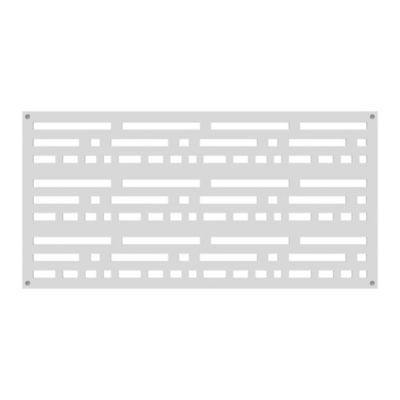
Material and design play a big part in how a garden privacy screen looks and holds up outdoors. Wood panels bring a warm, natural appearance that fits easily with raised beds, mulch paths, porches and traditional landscaping. Slatted wood allows some light and airflow through while softening the view, and a more solid panel offers greater coverage when you need to screen a sitting area or hide an unattractive corner. Metal screens offer a more decorative style, with laser-cut patterns that can add visual interest without making a yard feel closed in. Leaf, geometric and other open designs can break up sightlines while still allowing sunshine and breezes through. When selecting metal, look for weather-resistant construction and a finish made to withstand outdoor exposure, especially if the screen will sit where rain, sprinklers or winter moisture can reach it. For any material, UV resistance, rust protection, sealed surfaces and a weather-protected finish can help reduce fading, swelling, peeling and other wear caused by changing conditions. Opacity is another important consideration. Dense or solid screens provide more privacy and can help shelter a seating area from wind, while open patterns preserve more daylight and let you keep an eye on the rest of the yard. If you are screening a vegetable garden, consider whether the panel will cast shade over plants during the brightest part of the day. A screen can also serve as more than a visual barrier. Pair a trellis-style frame with climbing plants such as ivy, clematis or star jasmine for a living screen that becomes fuller and greener over time. In a container garden or on a concrete patio, a planter with an attached trellis gives vines a place to climb without requiring a permanent installation in the ground. Keep in mind that living screens need watering, pruning and support, and their coverage may be lighter when plants are young or during the cooler months.
Privacy screens suit all kinds of outdoor spaces and can be especially handy for people who enjoy gardening, entertaining or relaxing outside but do not have a large, secluded property. A renter may use a freestanding panel to make a balcony or patio feel more private without making permanent changes, while a homeowner may use several sections to define a backyard dining area, poolside space or quiet corner for reading. Gardeners can use screens to separate a potting bench from the rest of the yard, protect tender plants from strong breezes or give climbing vines a sturdy framework. They can also make a thoughtful housewarming, wedding or holiday gift for someone settling into a new home, building a patio or improving a small outdoor space. For a gift, a simple freestanding design or planter-and-trellis combination is often a practical choice because it can work in many settings and does not require specialized tools or major construction. As cooler weather arrives, a well-placed screen can make an outdoor seating area feel more sheltered, though it should not be treated as a substitute for a properly installed fence or windbreak in severe weather. Secure freestanding panels according to the instructions, particularly in exposed yards, and check that anchors, brackets and posts are suitable for the surface beneath them. A level base, solid hardware and a little space between the screen and damp soil can help the installation last longer. Whether your goal is to create a leafy garden boundary, cover a work area or make a porch feel more like a private retreat, the right privacy screen combines useful coverage with a look that fits the way you live outdoors.