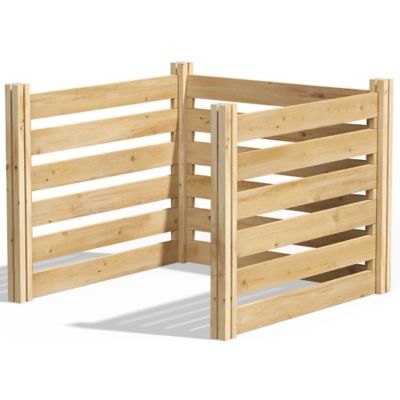
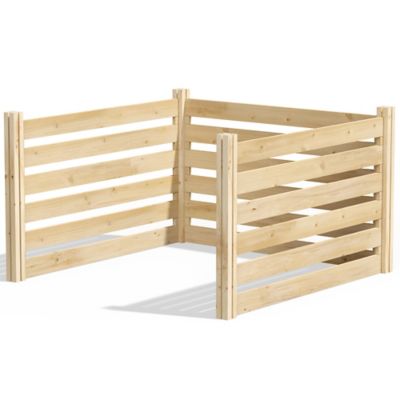
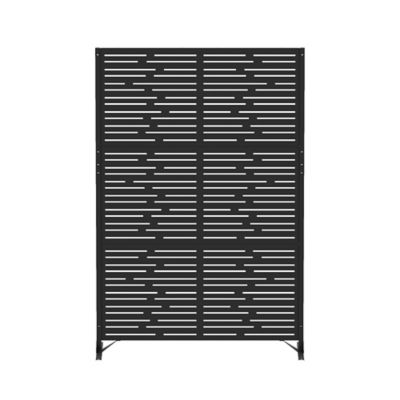
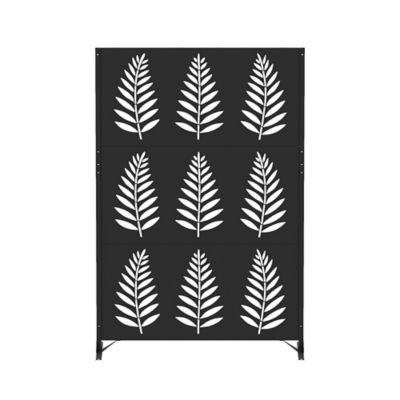
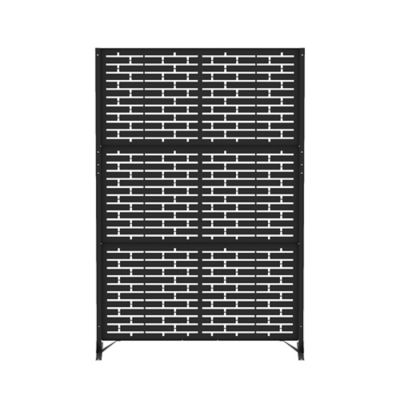
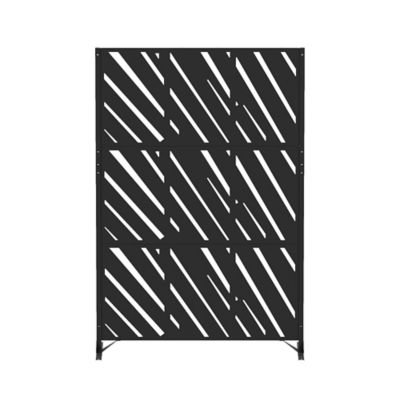
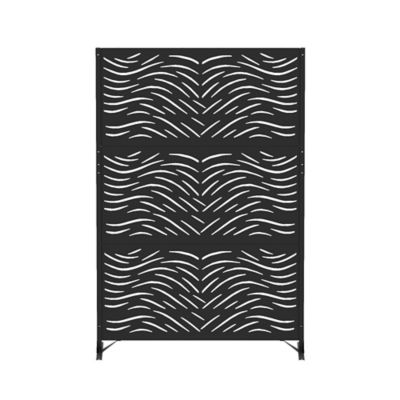
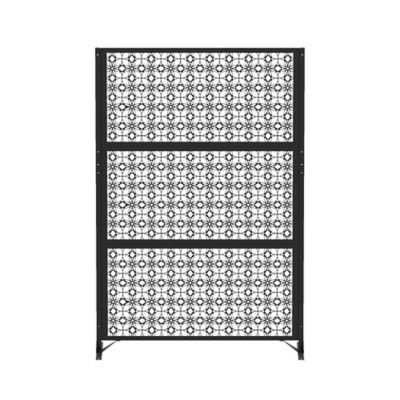
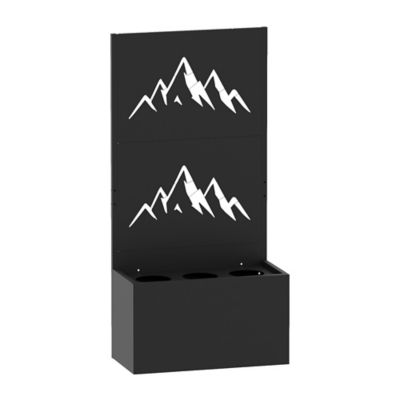
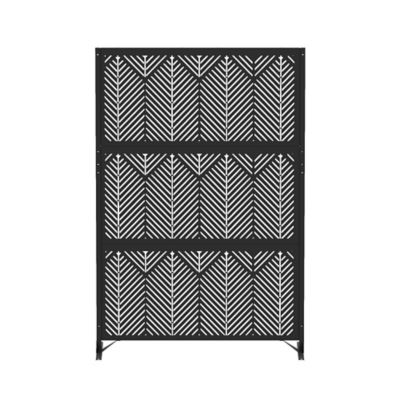
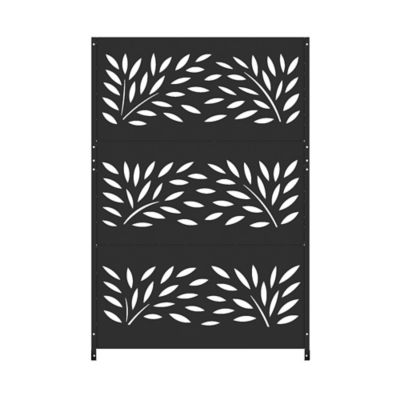
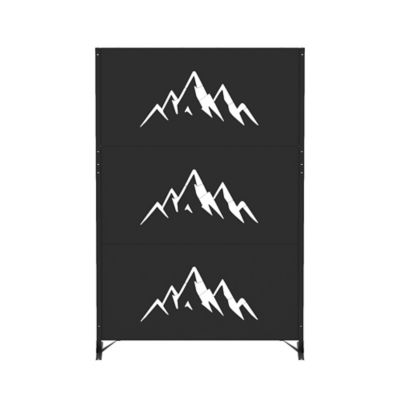
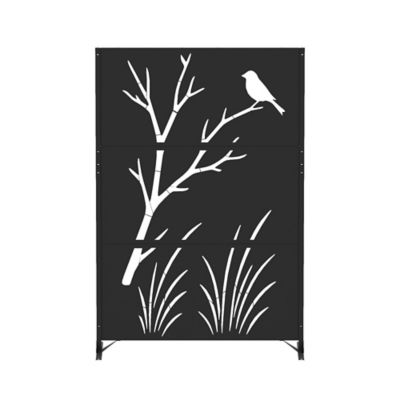
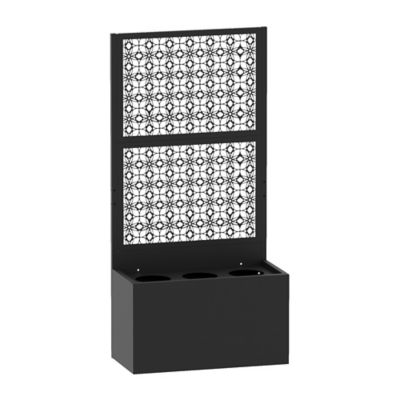
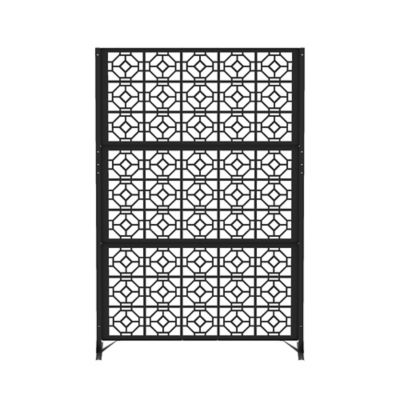
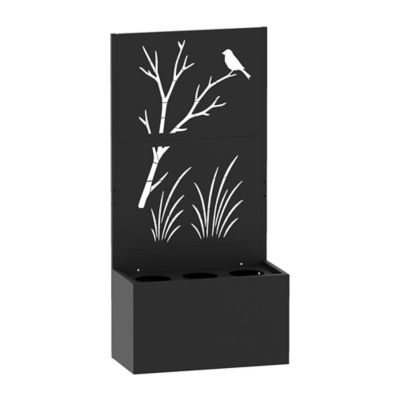
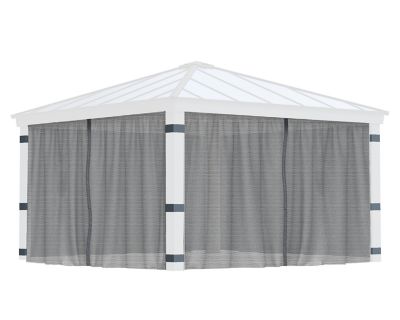
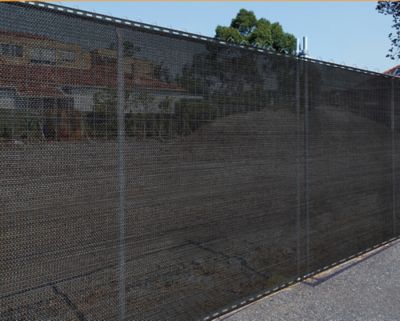
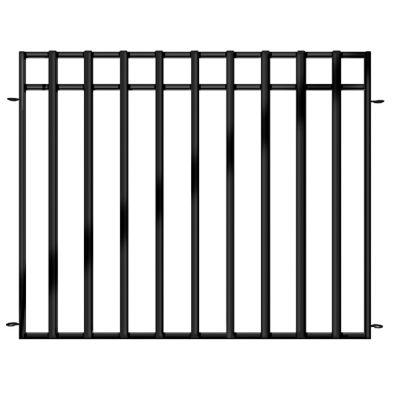
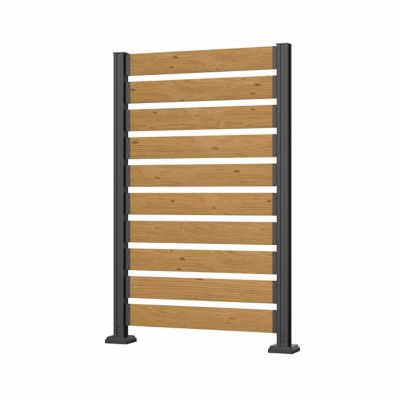
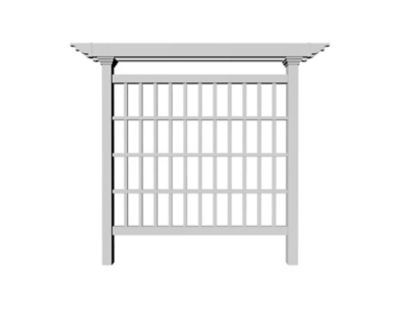
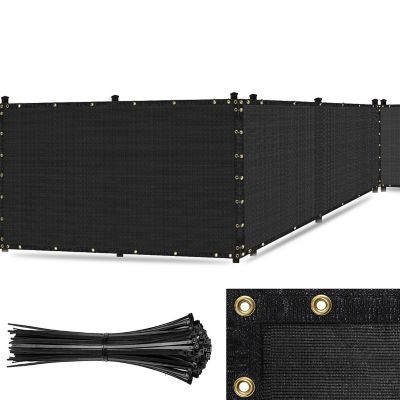
Freestanding outdoor privacy screens bring a little breathing room to patios, porches, and backyard sitting areas without making every space feel fenced in. A screen beside the back steps can soften the view from a neighboring driveway, while a longer arrangement can give an outdoor dining table a more tucked-away feel. Around a farmhouse porch or a small place in town, these screens help separate the spot where folks gather from the parts of the yard that stay busy. Their appeal comes from that balance of privacy and flexibility: a defined corner for morning coffee, a backdrop for a bench, or a visual break between a seating area and everyday storage. Materials play a big part in both the look and the upkeep. Wood brings visible grain and a familiar look that sits comfortably alongside porch boards, garden beds, and split-rail fencing. Metal offers clean lines and can range from closely spaced slats to open cutout patterns. For a closer look at that material category,
Outdoor Metal Privacy Panels includes options suited to a range of outdoor layouts. Resin, composite, and outdoor-rated fabric constructions offer other textures and levels of coverage, with care needs that depend on the material and finish. A solid panel gives a more enclosed feel, while lattice, slats, and patterned openings keep the boundary lighter and more open. Those openings also affect what can be seen through the screen, especially from an angle. For households that spend plenty of time outside, the right balance can mean screening the view of a nearby walkway without losing sight of the rest of the yard. The overall effect can be quiet and practical rather than showy, whether the screen stands behind a pair of chairs or marks the edge of a gravel gathering spot. Matching its lines and color to nearby fencing, furniture, or siding helps it feel like part of the place instead of an afterthought.
The fit of freestanding outdoor privacy screens depends on more than panel height and width. Feet, support brackets, and angled sections all take up room, so the full footprint matters on a narrow porch or beside a frequently traveled path. A screen that looks slim from the front may have a base that reaches well beyond the panel itself. That extra space can affect chair placement, door clearance, and the route between the house and yard. Height matters in much the same way: coverage that blocks a seated view may leave a standing sightline open, while a taller panel can feel too enclosing beside a compact table. The distance between the screen and the sitting area changes the result, too. Close placement creates a more tucked-in nook; a screen farther away defines a broader section of the yard. Straight panels suit simple boundaries, while hinged or connected sections can turn a corner or wrap partway around a gathering space. Folding construction may make rearranging easier, though the permitted panel angles and support requirements still depend on the design. Freestanding does not necessarily mean that a screen can stand unsecured on any surface. Some constructions call for ground stakes, weighted bases, anchoring hardware, or another specified support method. A level patio, deck boards, packed gravel, and bare ground each present different footing and attachment needs. For renters or anyone hoping to avoid permanent changes, the mounting requirements are worth checking before settling on a layout. Panel weight also makes a difference when a space serves several purposes. A screen that moves aside for a family cookout has different handling needs from one intended to stay behind a seating area. Clear paths around gates, steps, and doors help the arrangement work for daily chores as well as company. A good fit leaves enough room to carry a feed bag through the gate, pull out a chair, or bring a serving tray to the table without sidestepping a support foot.
Construction and care help determine how well an outdoor privacy screen holds up over time. On metal screens, the finish, fasteners, and joints all deserve attention, since scratches or exposed edges may need care according to the manufacturer’s directions. Powder-coated surfaces generally need gentle cleaning rather than abrasive scrubbing, and any touch-up method should match the original finish. Wood screens have their own maintenance needs, which may include cleaning, sealing, or refinishing depending on the species and treatment. Keeping wood components out of direct soil contact, when the design calls for it, can help limit deterioration at the bottom edge. Resin and composite panels often clean up with a soft brush or cloth, though strong solvents and harsh cleaners can damage some surfaces. Fabric sections may have separate washing, drying, and storage instructions, especially when they attach to a frame with ties or fasteners. Across materials, sound connections and properly fitted hardware matter just as much as the face of the panel. Screens placed near a garden hose, pet water station, or dining area may need more frequent cleaning to remove splashes, dirt, and food residue. Their intended role matters as well. A privacy screen creates a visual boundary; it is not automatically a security fence, pool barrier, pet enclosure, or sound-blocking wall. Openwork panels may soften a view without concealing it, and even closely spaced designs can reveal silhouettes when one side is brightly lit. Placement near a grill, fire pit, or outdoor heater must leave the clearances required for that equipment and the screen material. Access to utility meters, service panels, and household equipment also needs to remain open. With the right construction, support, and placement, freestanding outdoor privacy screens can make an outdoor space feel more settled while leaving room for the everyday work and get-togethers that happen around home.