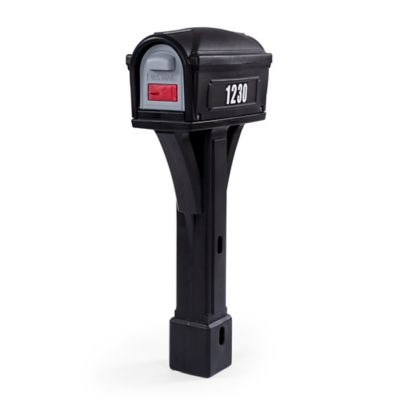
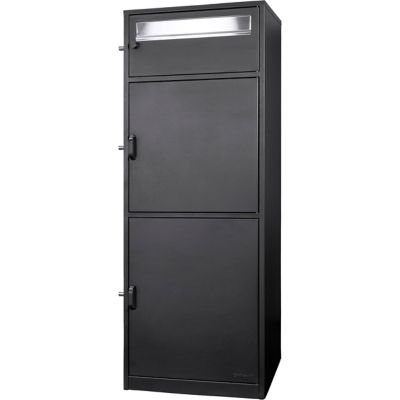
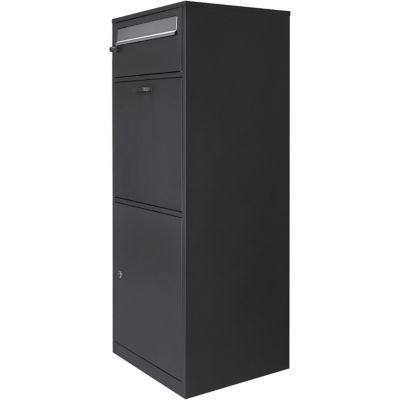
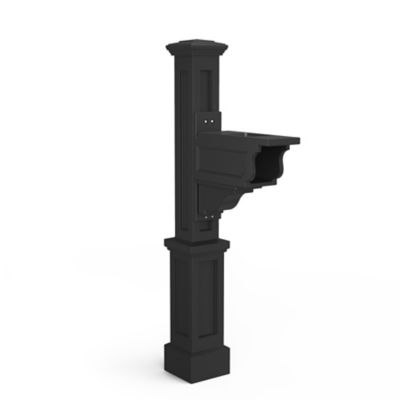
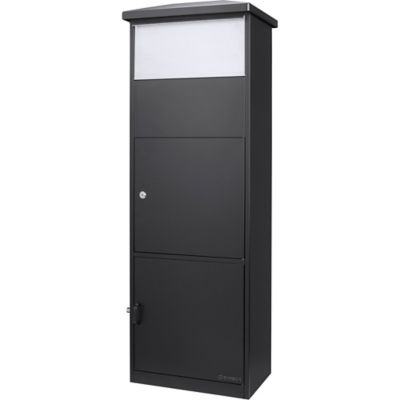
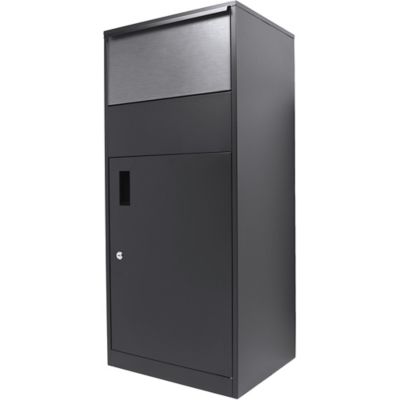
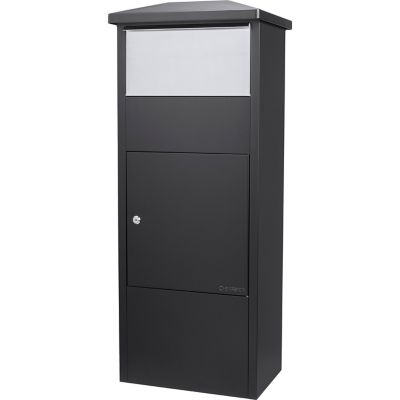
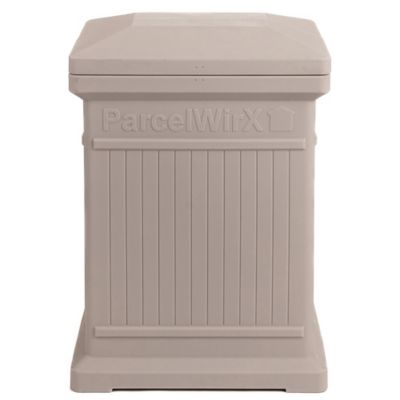
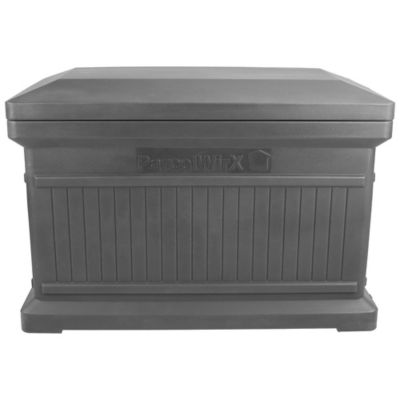
Black mailboxes bring a clean, grounded look to the end of a driveway, the edge of a yard, or a spot beside the front door. The dark finish pairs easily with wood posts, brick columns, stone entrances, and painted siding, making it a practical choice for a farmhouse, a small-town home, or a place out on a county road. A mailbox is part of the daily routine, but it also helps give an entrance a finished appearance without drawing attention away from the property itself. Traditional rounded shapes have a familiar roadside feel, while square profiles and flatter fronts suit simpler, straight-lined entrances. A matte black surface has a quieter look; a glossier finish catches more light and gives the box a sharper outline. Beyond appearance, the right size depends on what normally arrives. Letters and a few envelopes take little room, but catalogs, padded mailers, and small parcels call for more interior space and a wider opening. For a household that receives several days’ worth of reading material or frequent deliveries, extra capacity can mean less folding and crowding. Exterior measurements tell only part of that story: the door opening, interior depth, and any separate parcel compartment affect what will actually fit. A generous opening also makes it easier to reach mail at the back without scraping a hand against the edge. Black post-mounted mailboxes are a familiar fit along longer driveways, while wall-mounted designs serve homes with an established delivery point near the entrance. Neither mounting style is interchangeable at every address, so the existing delivery arrangement matters as much as the look. At a working property, a clearly marked roadside box can help distinguish the house entrance from a separate gate leading to a barn or equipment shed. For a new homeowner or someone freshening up an entrance, a black mailbox offers a straightforward way to tie everyday function to the look of the place.
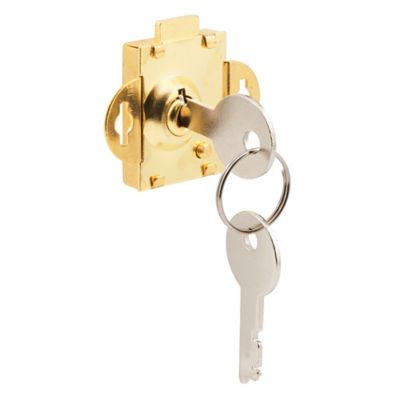
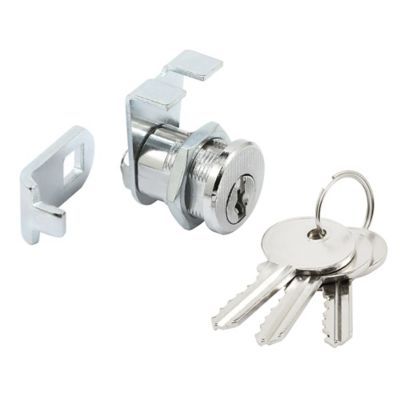
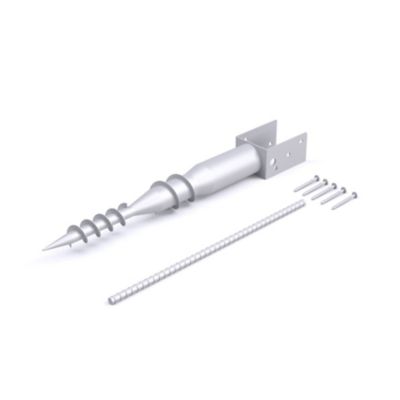
Materials and construction play a big part in how a black mailbox holds up to daily opening, closing, and handling. Steel gives the body a solid feel, and a painted or powder-coated finish helps protect the metal underneath. Aluminum is lighter to handle during installation and resists rust, though panel thickness and construction still affect how well the box stands up to dents. Molded plastic and resin bodies do not rust and can be easier to lift onto a mounting platform, with performance depending on the material and the way the hinges, latch, and base are built. No single material tells the whole story. A firmly attached door, smooth edges, a sound hinge connection, and a latch that closes without a hard shove all contribute to a mailbox that feels right in everyday use. That becomes especially noticeable with an armful of groceries or a stack of envelopes in one hand. Interior details deserve attention, too: exposed fasteners or rough seams can snag paper, while a smooth floor lets mail slide in and out more easily. On locking designs, the delivery opening and retrieval door serve different purposes. A slot may accept letters comfortably without admitting larger envelopes or parcels, even when the outer cabinet looks roomy. A lock adds a barrier to casual access, but it does not make a mailbox theft-proof, and keeping track of spare keys remains part of ownership. For post-mounted styles, the mounting pattern and base dimensions need to work with the support beneath them. Replacing only the box is simpler when the existing post is sound and the bracket or mounting board matches the new base. A wall-mounted mailbox needs suitable fasteners for its mounting surface, whether that is wood, masonry, or another approved material. Installation hardware requirements vary, and the weight of the empty box is only one consideration; the support also carries the contents and the pull of the door during regular use.
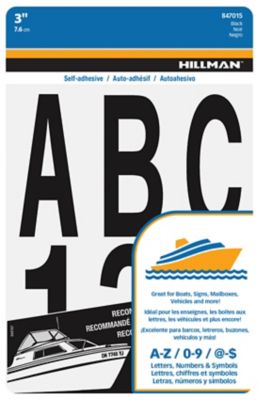
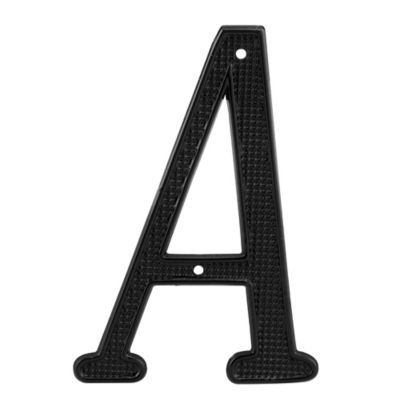
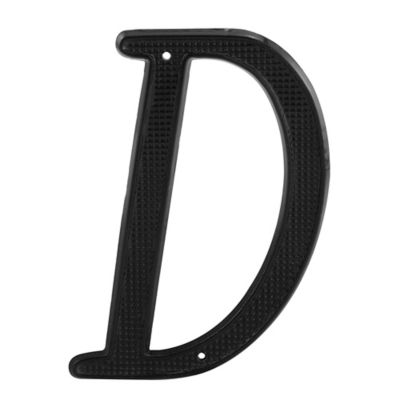
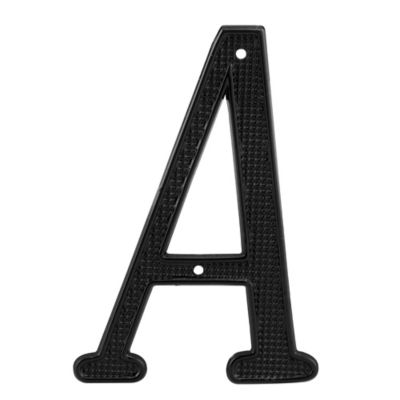
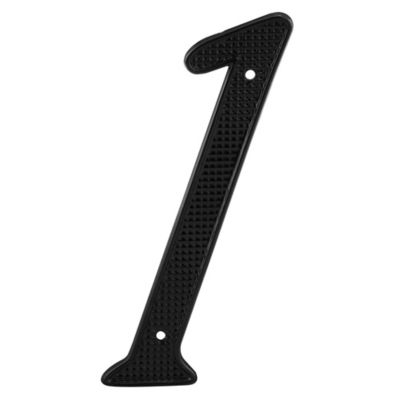
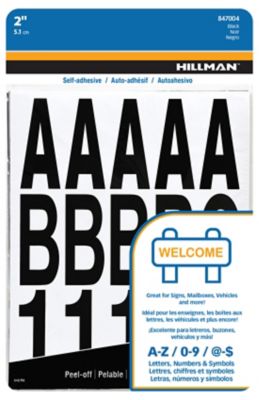
The details around a black mailbox help make it useful long after installation. Address markings stand out best when their color contrasts clearly with the dark surface and the lettering is large enough to read from the normal approach. For entrances set back from the road,
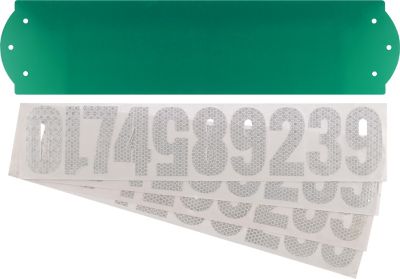
reflective numbers for mailboxes can help make an address easier to spot when headlights reach the markings. Placement matters alongside visibility: a number partly hidden by a flag, a door edge, or the curve of the box may be harder to read than the same number on a clear, flat section. The outgoing-mail flag should move freely and remain easy for the carrier to see. Nearby plants, fence rails, and gate hardware also need enough clearance that they do not interfere with delivery or the door’s full swing. For curbside installations, local postal guidance determines acceptable placement, height, and setback, and road authorities may have requirements for the support. A larger replacement box can change where the door sits even when the post stays put, so fit includes the relationship between the box and the delivery route, not just the mounting holes. Routine care is generally straightforward: a soft cloth and mild soap can lift dust and fingerprints without the scratching that harsh scrubbers may leave behind. Cleaning directions for the material and finish take priority, particularly around lettering, locks, and moving parts. Chips in a coated metal surface deserve attention before exposed areas deteriorate, and a loose hinge or mounting bolt is easier to address before the door begins to sag. Periodic checks of the latch, flag, and attachment points help keep the whole setup working smoothly. The best fit for a property balances room for the usual mail, comfortable access, a secure mounting arrangement, and an appearance that belongs at the entrance. Whether the setting is a close-in neighborhood lot or a gravel drive with a long walk to the house, a black mailbox keeps an everyday necessity simple, recognizable, and easy to work into the surroundings.