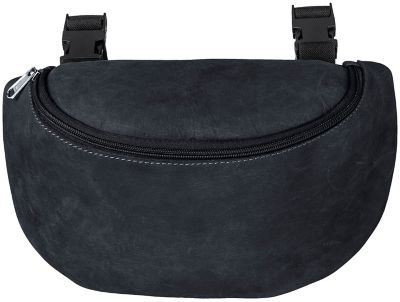
A bike saddle bag is a handy way to carry the small essentials that make a ride smoother without filling your pockets or strapping a bulky backpack to your shoulders. Also called a seat bag, it mounts beneath the bicycle saddle and keeps useful gear close at hand, including a spare tube, tire levers, a compact pump or CO2 inflator, a multi-tool, keys, cash and snacks. A small saddle bag can be just the right size for a quick ride around the neighborhood, a trip to the feed store or a morning on the rail trail, while a larger pack gives touring riders and bikepackers room for a light jacket, gloves, extra food and other trail-day necessities. Many riders learn the value of that extra storage the hard way: a long ride can feel effortless until a tire goes soft several miles from home. Keeping a repair kit tucked under the saddle means the fix is close by, dry and ready to use instead of rattling around in a jersey pocket or getting left behind on the workbench. Pair a saddle bag with a spare
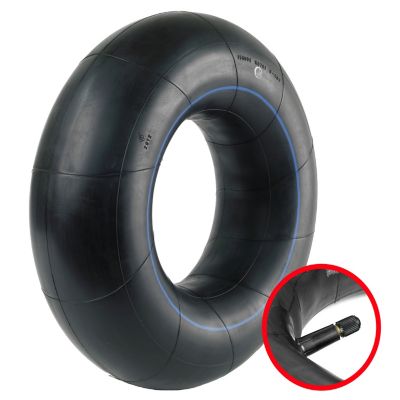
Bike Inner Tube and basic tire tools for a practical setup that can help handle an ordinary roadside flat. These bags are useful for commuters, recreational cyclists, road riders, mountain bikers, gravel riders and anyone who prefers to travel light while still being prepared. They also make a thoughtful gift for a new cyclist, a student riding to school, a family member who enjoys weekend paths or a friend getting ready for a longer cycling trip. A saddle bag is a simple piece of gear, but it can quickly become part of a rider’s everyday routine.
When choosing among bike saddle bags, start with capacity and match the size to the way the bike will be used. Compact bags in the half-liter range are often suited to a tube, patch kit, tire levers and a few personal items. Medium bags offer more room for a windbreaker, larger repair tools or lunch, making them a practical choice for commuting and light touring. High-capacity seat packs may hold several liters of clothing, food and camping supplies for overnight trips or bikepacking routes. More space is not always better, though. An oversized bag can add weight, sway from side to side or make it harder to reach the saddle area, so carrying only what the ride calls for usually makes for a steadier, more comfortable trip. Pay close attention to how the bag attaches. Hook-and-loop straps are easy to adjust and convenient for moving one bag between bikes, while rail-mounted systems or quick-release hardware can offer a snug, secure fit for riders who use the same setup often. Check the shape and dimensions against the bicycle before buying, especially on a mountain bike with rear suspension or a road bike with a low saddle. The bag should sit clear of the rear tire, seatpost and brake hardware through the full range of movement. On a loaded bag, take a moment to tighten every strap so the pack stays stable over washboard gravel, roots and rough pavement. A well-fitted saddle bag should feel like part of the bike rather than a loose bundle hanging behind the seat.
Weather and daily handling matter just as much as capacity. Look for durable fabric, reinforced attachment points and closures that are easy to operate with cold or dusty hands. Water-resistant materials and covered zippers help protect tools, snacks and spare clothing from road spray, damp grass and sudden showers, while a fully waterproof design can be a better choice for wet commutes, creek-side trails and long rides where there is no easy shelter. Even a weatherproof bag benefits from sensible packing: place sharp tools where they cannot rub against fabric, keep food in a sealed wrapper and avoid overstuffing the closure. Reflective details or a light-colored panel can improve visibility when riding during the cooler months, at dawn or near sunset, and some riders use the bag as a convenient spot for a small safety light. A quick check before each ride goes a long way—make sure the straps are tight, the zipper is closed, the contents are not shifting and the bag is not touching the tire. As the weather warms, a saddle bag can carry sunglasses, sunscreen and extra water-treatment or trail items; when conditions turn cooler, it can hold a vest, gloves and a hat without taking up valuable space on the rider. Whether it is packed with flat-fixing supplies for a short spin or loaded with camp gear for a backcountry adventure, the right bike saddle bag helps keep the ride organized, comfortable and ready for the road ahead.