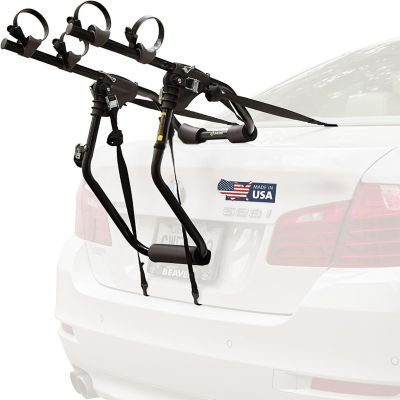
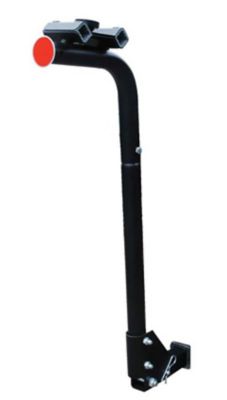
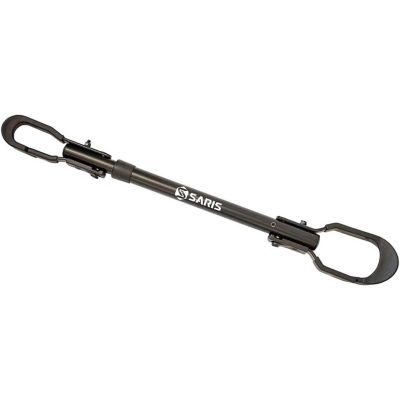
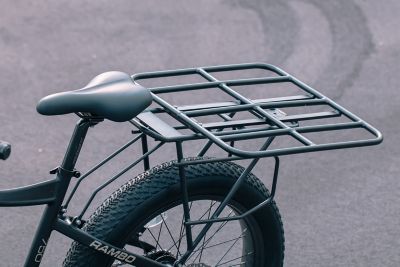
A bike cargo rack gives your bicycle a practical way to haul everyday gear without putting all the weight on your back. Most racks attach to the rear of the bike and provide a steady platform for panniers, baskets, trunk bags, grocery bags, work gear, or a tightly secured bundle. Rear-mounted racks are a dependable choice for commuting, running errands, carrying lunch and a change of clothes, or packing supplies for a ride down a gravel road. Front-mounted racks can help spread lighter loads between the front and rear of the bicycle, and some use a flat platform that works well with a basket, crate, or box-style bag. A seatpost-mounted rack is useful when a bike does not have traditional frame mounting holes, though these racks generally have lower weight limits and are better suited to lighter loads. Quick-release designs are handy for riders who want to remove a rack when it is not needed, while a permanently mounted rack can be a better fit for a bicycle that regularly carries tools, feed-store purchases, school bags, or touring equipment. Before choosing a bike cargo rack, think about the way you actually ride. A short trip to the mailbox calls for a different setup than a full day on the trail, and a rack that carries a jacket and small backpack may not be built for a loaded basket of groceries. Always check the rack’s stated weight capacity and count the weight of the bag, basket, hardware, and cargo together. Many standard racks are rated for roughly 25 to 55 pounds, while heavy-duty touring styles may support more, but the bike frame, wheels, tires, and mounting hardware also need to be able to handle the load. Keeping heavier items low and centered helps the bike feel more stable, especially when turning, stopping, or rolling over uneven ground.
Fit is just as important as carrying capacity. Measure the bicycle and confirm the rack is made for its wheel size, such as 26-inch, 27.5-inch, 29-inch, or 700c wheels, since the wrong length or shape can leave the platform sitting too high, too low, or too close to the tire. Look over the frame for threaded eyelets near the rear axle and dropouts, as well as mounting points near the seat stays. If the bike has disc brakes, full suspension, unusual frame tubing, fenders, or a rear shock, it may require a rack with special bends, adjustable legs, seat-stay clamps, or axle adapters. Some bikes do not have rack eyelets at all, so a seatpost rack or compatible adapter may be the practical solution. E-bikes deserve extra attention because battery placement, wide tires, rear motors, and heavier frames can affect clearance and mounting. Make sure the rack does not interfere with brake cables, the chain, suspension movement, fenders, or a tail light. When installing a rack, use the correct bolts and washers, tighten each fastener evenly, and recheck everything after the first few rides. A dab of thread-locking compound may help keep bolts from loosening when allowed by the rack and bicycle manufacturers. Test the loaded bike in a driveway or quiet parking area before heading into traffic. The load should stay secure, the wheels should spin freely, and the handlebars should not pull sharply to one side. Panniers should sit clear of the heel as you pedal, while baskets, boxes, and bags should be fastened with straps or bungee cords designed for outdoor use rather than loose rope that can slip into the spokes. Add reflective material or a light when cargo covers the bike’s original reflectors or lights, and keep the rear reflector and license plate visible where required. During the cooler months, a rack can make it easier to bring along a rain shell, gloves, insulated layers, or a thermos without filling a jacket pocket. On country roads and mixed-use paths, a balanced load and a little extra stopping distance go a long way toward a comfortable ride.
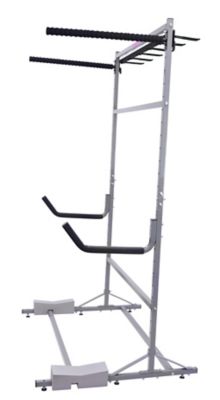
Bike cargo racks are useful for a wide range of riders, from farm and ranch workers carrying small hand tools to commuters hauling a lunch bag, families packing snacks for a park outing, and recreational cyclists preparing for a weekend on the trail. They can also make a thoughtful gift for someone who enjoys practical upgrades, rides to work, bikes to a local farmers market, or wants to spend less time carrying gear on their shoulders. Pairing a rack with a compatible pannier, basket, cargo net, or weather-resistant bag can turn a basic bicycle into a more useful errand runner, but compatibility should be checked before adding accessories. Some racks include side rails made for pannier hooks, while others are designed mainly for a top-mounted bag or basket. A flat platform may work well for a crate, though the crate needs a firm attachment and should not extend so far that it catches on gates, branches, or other riders. For deliveries, longer rides, or back-road trips, look for strong construction, secure stays, a broad platform, and clear weight information. For occasional use, a lighter rack with simple installation may be easier to live with. Riders who store bicycles in a shed, mudroom, or truck bed may prefer a quick-release design, while those who ride with cargo most days may appreciate a sturdy rack that stays in place. If the bicycle itself is kept in a garage, make room for helmets, pumps, bags, and seasonal gear with
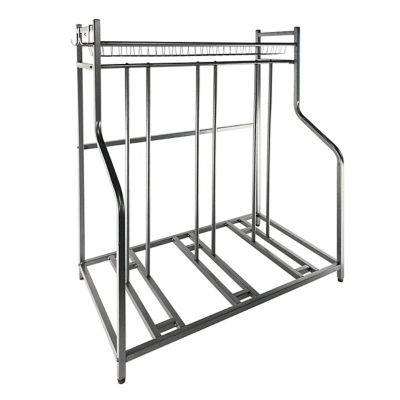
Garage Bike Racks. No matter the style, match the rack to the bike, the route, and the load, then inspect the bolts, straps, and mounting points from time to time. A few minutes of care helps prevent rattling, shifting cargo, and worn hardware, leaving more room to enjoy a smooth ride whether the destination is a nearby store, a worksite, a trailhead, or home after a long day.