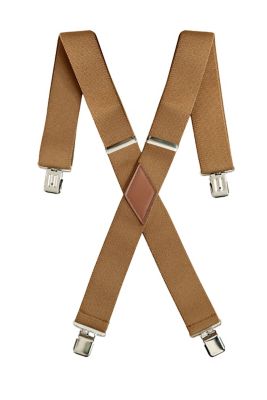
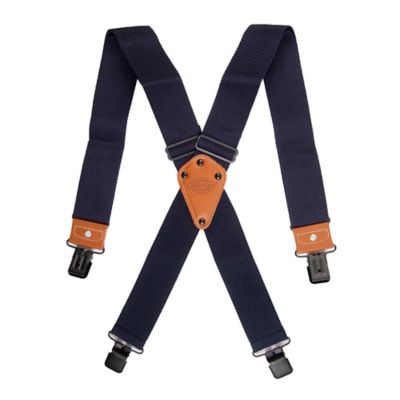
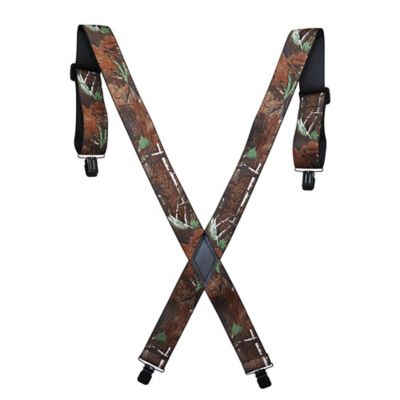
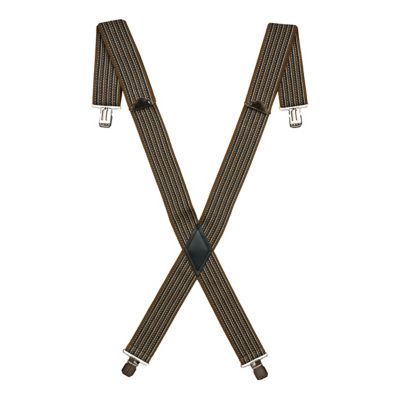
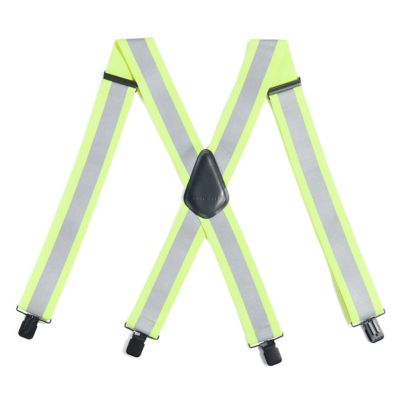
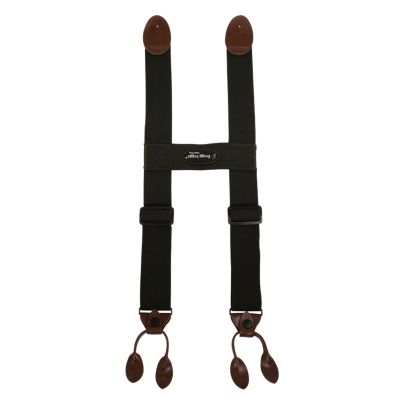
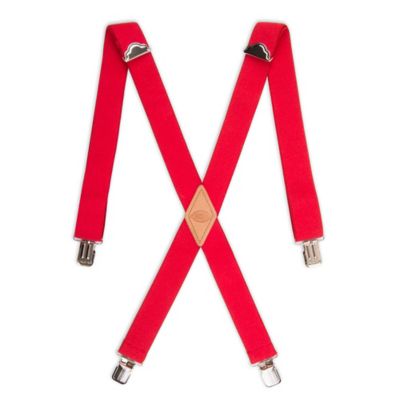
Work suspenders for jeans help keep denim at a comfortable height by supporting the waistband from the shoulders rather than relying only on a belt at the waist. The right pair depends on the attachment style, strap fit, and amount of support needed for everyday chores or a full workday. Clip-on suspenders attach directly to the waistband, making them a straightforward match for many jeans without extra sewing. Their grip depends on the clip design, the thickness of the denim, and the condition of the waistband. Clips should close fully over the fabric without catching a belt loop, pocket edge, or thick seam. Button-on suspenders connect to suspender buttons sewn into the waistband, creating a different kind of attachment that does not depend on clamp pressure. Most jeans do not come with those buttons, so compatibility matters before choosing that style. Some suspenders attach to belt loops or work with a belt, and those designs need the attachment points specified for them. For someone bending over a feed trough, climbing onto a tractor, or walking fence lines, a secure connection matters just as much as the feel of the straps. Heavier denim and pockets carrying a phone, keys, or a pocketknife can add downward pull, but suspenders should not be treated as a substitute for a tool belt built to carry equipment. A comfortable setup holds jeans in place without tugging the waistband sharply upward or pulling the shoulders down. Jeans also need enough room through the seat and thighs for the job at hand; suspenders cannot make a tight pair fit better. For folks who find a snug belt uncomfortable while sitting in a truck or crouching beside a gate hinge, shoulder support offers another way to keep the waistband where it belongs. It can also help reduce the need to hitch up jeans between tasks, leaving more attention for the work in front of them.
Materials and construction shape how work suspenders feel after several hours of movement. Elastic straps give as the body bends, reaches, and sits, while woven straps with less stretch provide a firmer feel. Some designs combine firmer front straps with an elastic section at the back, balancing support with room to move. Polyester and nylon are common strap materials, and the weave, edge finish, and stitching can make a noticeable difference against a shirt. Leather may appear in attachment tabs, back patches, or straps, bringing its own feel and care requirements. Broader straps spread pressure across more shoulder area, though width alone does not determine comfort. Smooth edges, well-positioned hardware, and a strap path that stays clear of the neck matter, too. X-back suspenders cross behind the wearer and generally connect at two rear points, while Y-back designs meet at the back and typically continue to a single rear attachment. Either arrangement can suit jeans when the connections line up with the waistband and the straps sit naturally on the shoulders. The best fit depends on torso length, body shape, jean rise, and how the suspenders will be worn. Adjustable length is especially helpful when switching between tucked and untucked shirts or between jeans with different rises. Measuring along the intended strap path, following the sizing directions for the suspenders, gives a better starting point than guessing from height alone. Once adjusted, the straps should stay in place without digging in, sliding toward the upper arms, or making the back connection ride awkwardly high. A few ordinary movements tell more than standing still: reaching toward a shelf, sitting on a bench, and bending to pick up a feed scoop can reveal rubbing or excess tension. Hardware should rest where it will not press against the body or catch on a pocket opening. For work around moving machinery, straps and loose ends need to stay secured, with workplace clothing requirements taking priority over personal preference.
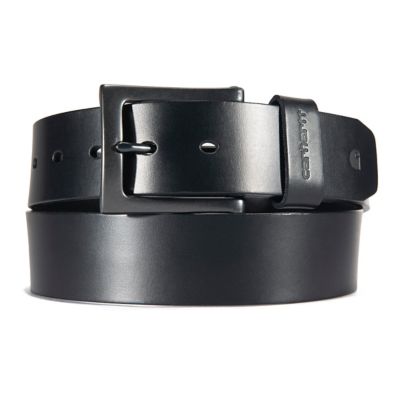
Long service starts with a good match between the suspenders, the jeans, and the work. Repeated bending puts stress on strap joints and attachments, so reinforced stitching, firmly secured tabs, and clips that open and close cleanly are useful details to consider. Rough edges, bent hardware, frayed elastic, and loose stitching deserve attention before another day of chores. Attachment points on the jeans matter as well: worn fabric may not hold a clip securely, and loose suspender buttons need repair before they carry tension. Removing suspenders from jeans before laundering helps keep metal parts from banging against the washer and lets each piece receive the care its materials call for. Care labels should lead the way, since elastic, leather, and metal finishes do not all respond the same way to water, detergent, or heat. A damp cloth may handle surface dirt on some straps, while other styles permit hand washing or machine washing under specified conditions. Letting straps dry as directed and keeping them away from unnecessary heat can help preserve their stretch and shape. Leather sections may need a suitable leather-care treatment rather than the same cleaning routine as fabric. Between wears, hanging suspenders without stretching them or laying them flat keeps straps from tangling and makes attachment problems easier to spot. Practical details like these matter to farmers, ranch hands, mechanics, carpenters, and anyone who spends plenty of time moving in work jeans. Suspenders can also make a thoughtful gift for someone who already prefers shoulder support, especially when their usual attachment style and measurements are known. Personal preference still counts: some folks like a plain strap that blends into a work shirt, while others prefer a stronger color or pattern. For shoppers comparing another way to support a denim waistband,
Women's Belts for Jeans provides a related option. Whether the day involves tending animals, making repairs, or heading into town afterward, the goal stays simple: jeans that stay comfortably in place and straps that let the wearer get on with the day.