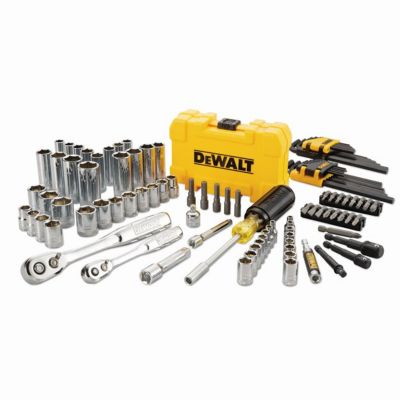
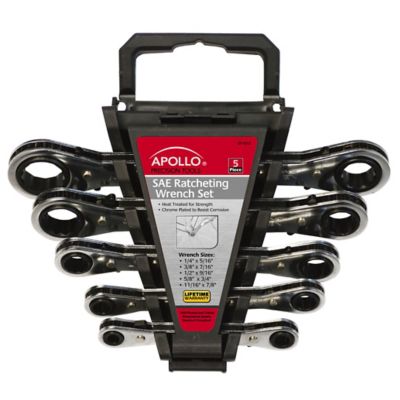
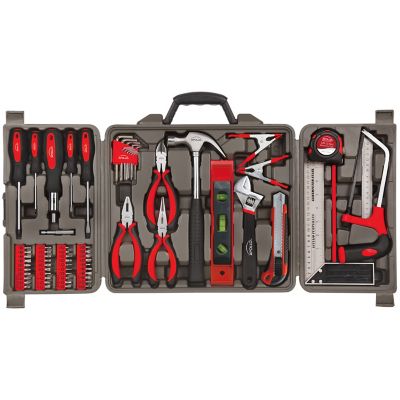
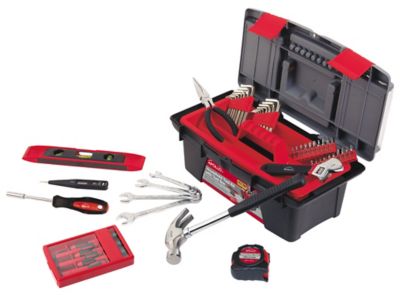
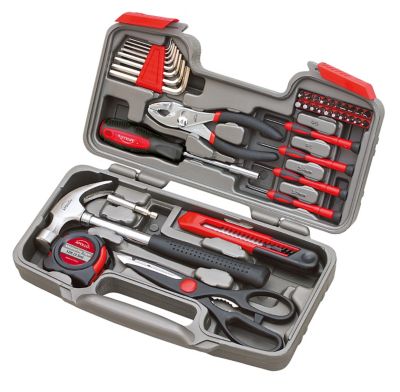
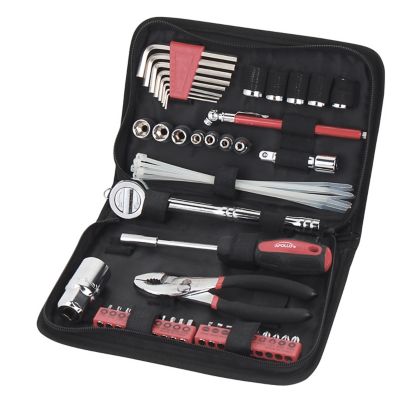
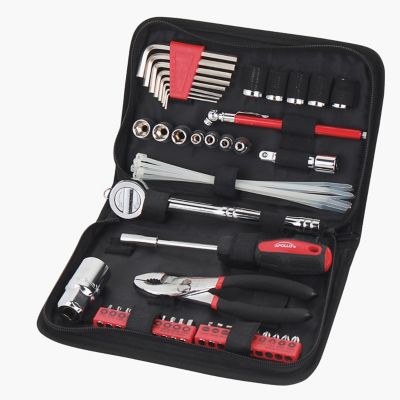
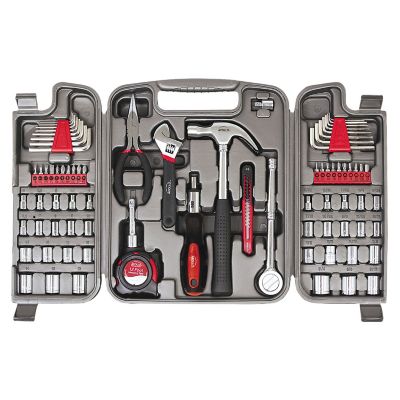
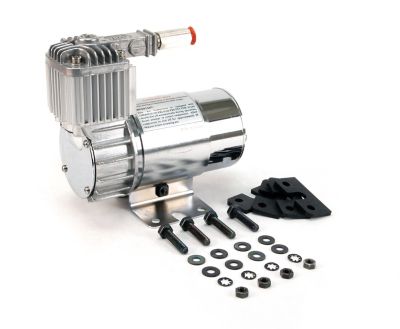
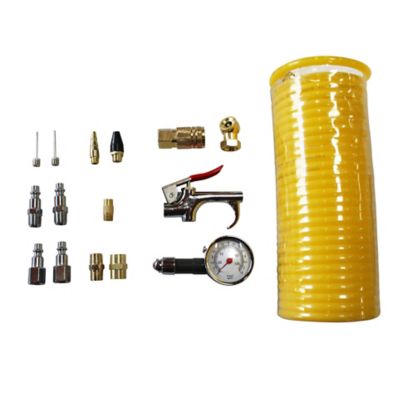
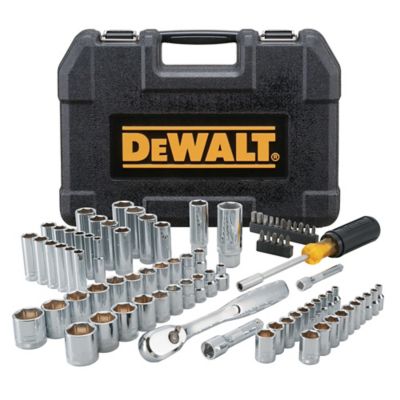
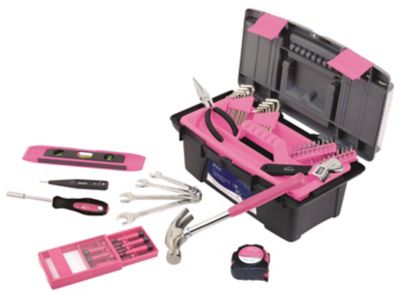
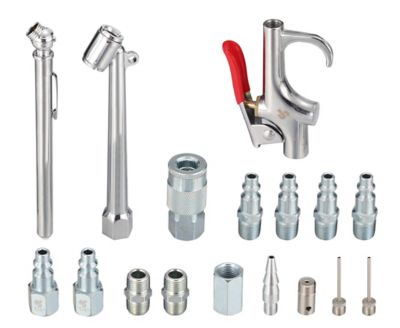
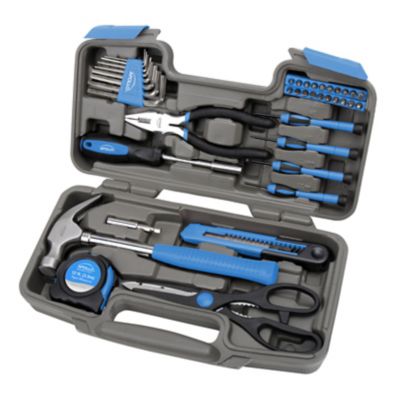
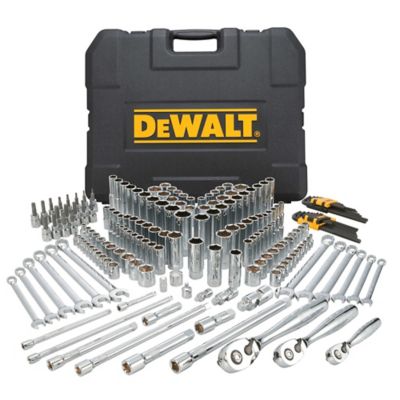
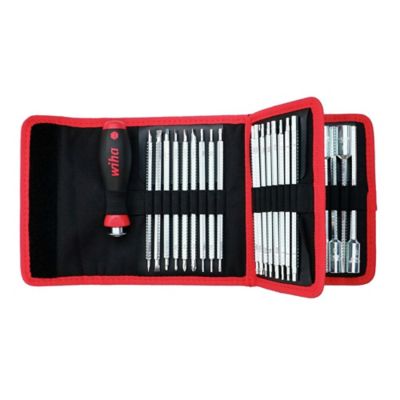
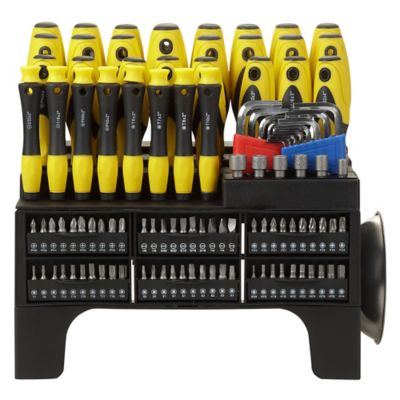
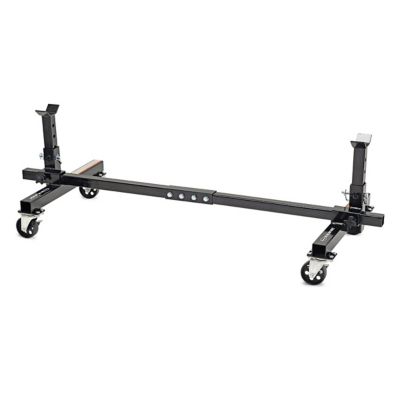
Car maintenance tools cover the hand tools, lifting equipment, measuring instruments, and diagnostic gear that support routine vehicle care. A practical selection brings together sockets and ratchets, combination wrenches, screwdrivers, pliers, a torque wrench, and equipment suited to the vehicle and the work. For someone keeping a commuter car running or looking after a pickup that travels between the house and the pasture gate, fit matters more than the number of pieces in a case. Metric fasteners are common on modern vehicles, while older vehicles and some components may call for SAE sizes. Socket size, drive size, and reach each describe something different: the socket must fit the fastener, the drive must match the ratchet, and the overall length must leave room to work. Deep sockets accommodate some protruding studs, while shallow sockets can fit where clearance is limited. Six-point sockets grip the flats of compatible hex fasteners and can help reduce rounding when properly fitted. Extensions offer reach around brackets and other obstructions, though extra length is not always helpful in a crowded engine bay. Combination wrenches provide open-end access and a box end for a more enclosed grip, while pliers serve gripping and hose-clamp tasks rather than replacing a correctly sized wrench. Materials and construction also shape intended use. Chrome vanadium steel is common in hand sockets and wrenches, and smooth plated finishes make grease easier to wipe away. Impact sockets have construction intended for powered impact tools; a dark finish alone does not establish that rating. Handle shape, ratchet head size, and clear size markings become noticeable details when working around a battery tray or reaching a tucked-away bolt. A comfortable grip and a manageable tool length can matter more than a larger collection of attachments. For a first garage setup, everyday coverage usually makes more sense than specialty pieces that do not match the vehicle. For an experienced home mechanic, a missing size or a shorter ratchet may fill a much more useful gap.
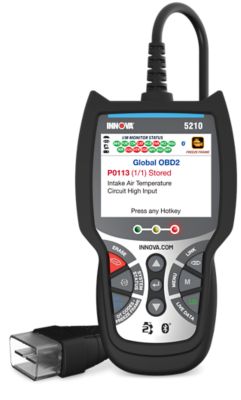
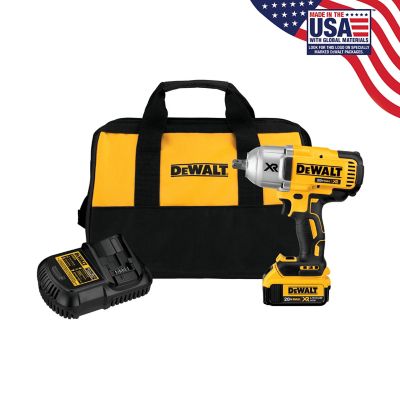
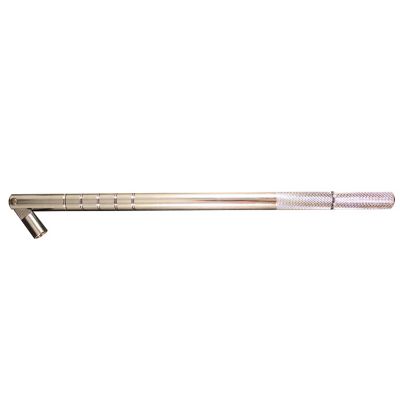
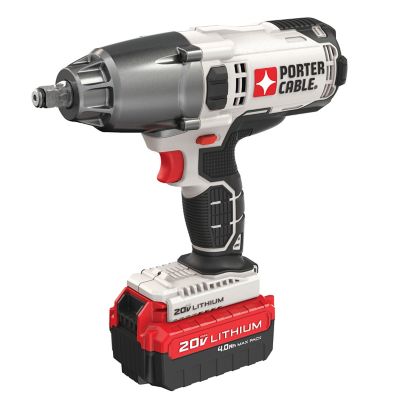
Lifting and fastening equipment deserves close attention because vehicle weight and specified tightening force leave little room for guesswork. Floor jacks raise a vehicle, while appropriately rated jack stands support it during work; a jack alone is never sufficient support for anyone working underneath. Vehicle-approved lifting and support points, a hard and level surface, and wheel chocks are essential parts of that setup. Jack capacity, minimum saddle height, and maximum lift height all influence fit, especially when comparing a low passenger car with a taller pickup. The equipment’s stated load rating and operating instructions matter more than its appearance or physical size. Ramps serve some access needs, but they do not provide the wheel-free access needed for brake or wheel work. Once fasteners are involved, breaker bars and torque wrenches have separate jobs. A breaker bar supplies leverage for loosening stubborn hardware, while a torque wrench applies a specified tightening force during assembly. The proper torque range and units should match the vehicle’s service information; wheel fasteners and smaller engine fasteners may call for different tools. Impact tools speed some removal tasks, but they do not replace final tightening to the manufacturer’s specification. Diagnostic tools add another kind of capability to a garage or shop. An OBD-II scanner can read diagnostic trouble codes from compatible vehicles, including most passenger cars and light trucks sold in the United States for model year 1996 and later. A code points toward a detected condition or affected system, not necessarily a single part that needs replacement. Basic code readers and more capable scan tools differ in the systems and functions they support, so vehicle coverage deserves a careful look. Multimeters help measure electrical values such as voltage and resistance, while battery testers assess battery condition through their supported test methods. A tire pressure gauge handles another common measurement, with the vehicle placard providing the recommended pressure rather than the maximum pressure molded into the tire sidewall. These tools suit owners who want useful measurements before deciding whether a job belongs in the home garage or a repair shop.
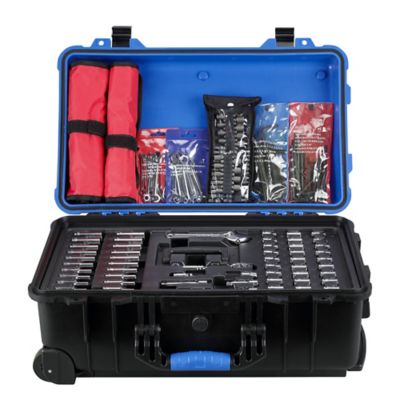
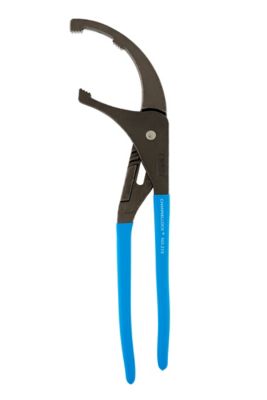
Fluid-service tools, lighting, and storage round out car maintenance equipment by making ordinary jobs less awkward and helping keep the workspace orderly. Oil-filter tools come in several shapes because filter location, housing style, and clearance vary from one engine to another. A tool that grips a spin-on filter may not fit a cartridge-filter housing, and cap-style tools need the correct size and profile. Drain pans need enough capacity for the service and a shape that fits beneath the vehicle, with pouring features and secure closures worth considering for transfer and transport. Funnels help direct fluids into narrow openings, but separate, clearly identified equipment helps prevent mixing fluids that do not belong together. Fluid compatibility matters for plastic containers, seals, and tubing, particularly when equipment will contact fuel, oil, or other automotive chemicals. Task lighting brings visibility beneath a hood or inside a wheel well without tying up a hand, and a stable base or secure mounting feature can be especially helpful around cramped spaces. A creeper or kneeling pad can make low work more comfortable, provided there is enough clearance and the vehicle is properly supported. Tool storage has a practical role beyond a tidy bench: fitted compartments, socket rails, and readable labels make missing pieces easier to spot before the hood closes. Wiping away residue, following care instructions, and keeping measuring tools protected from knocks help preserve their function over time. Torque wrenches also need storage and calibration care appropriate to their design. For someone expanding a home shop, the
Tool For Mechanic page offers a related place to explore equipment for mechanical work. Car maintenance tools can make thoughtful gifts for a new vehicle owner, a trade student, or the family member who enjoys time at the workbench, especially when the selection matches their vehicle, experience, and existing equipment. The most useful setup is one that fits the work, stores within easy reach, and gives each tool a clear job.