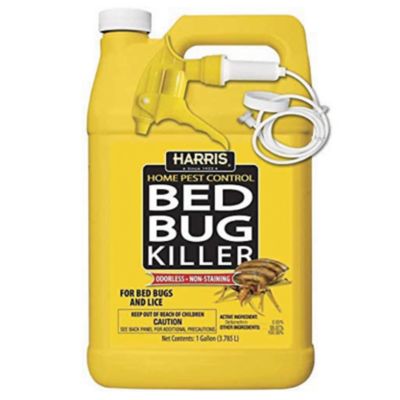
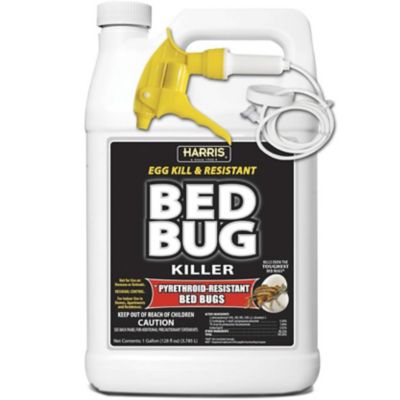
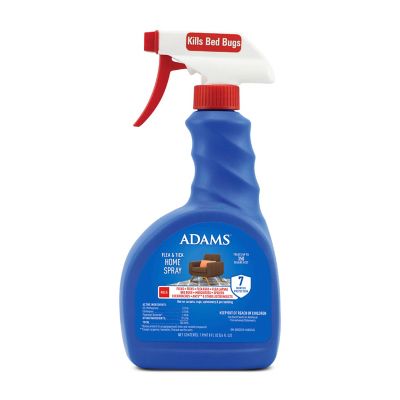
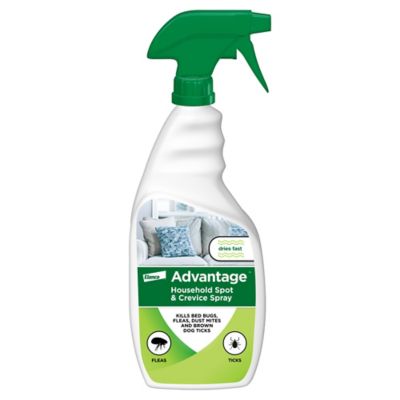
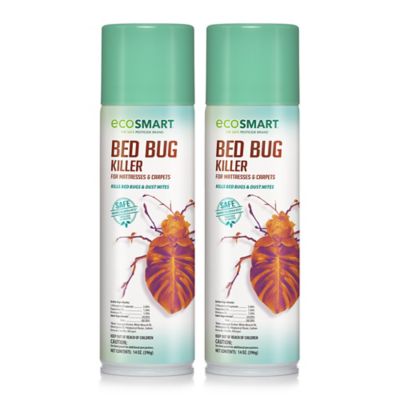
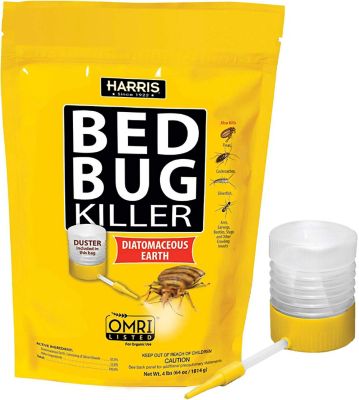
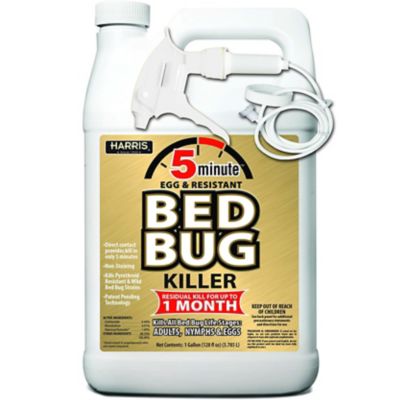
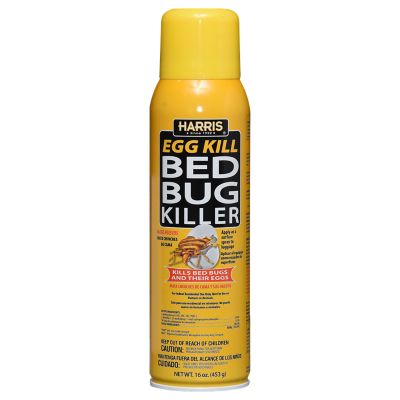
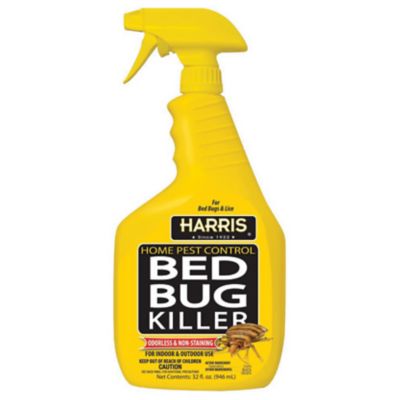
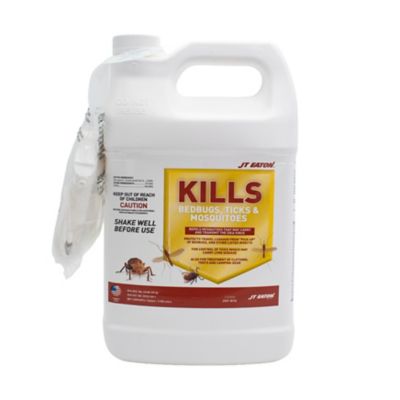
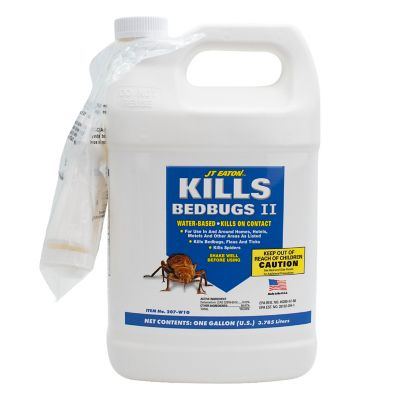
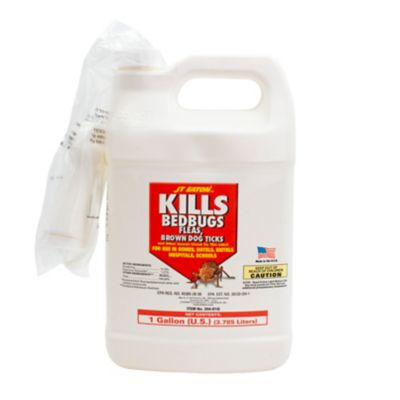
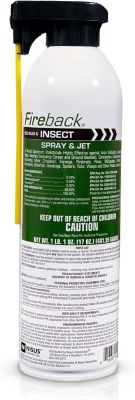
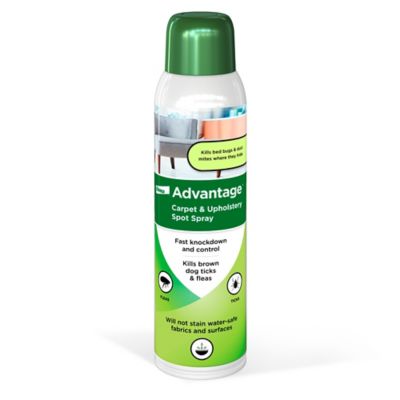
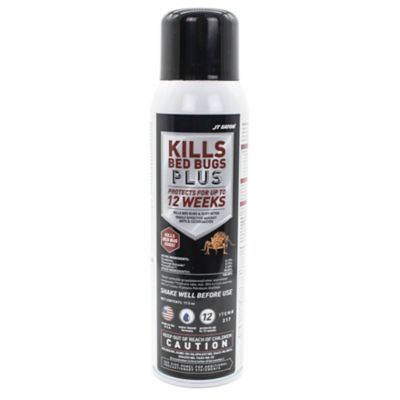
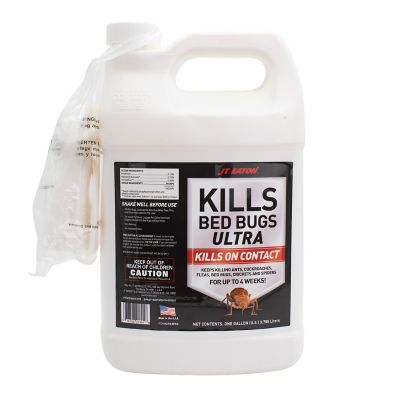
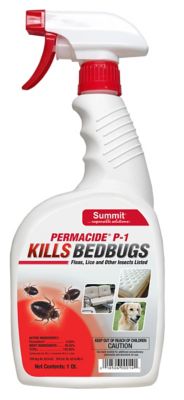
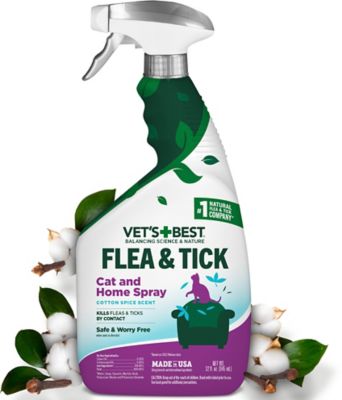
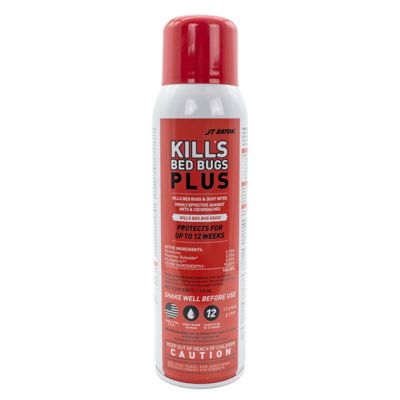
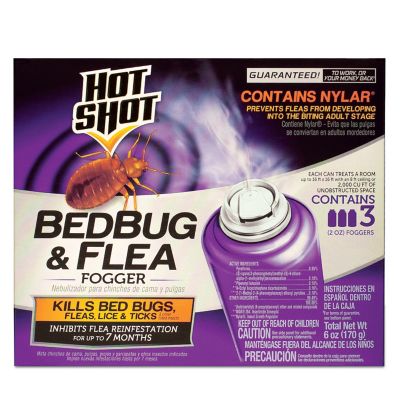
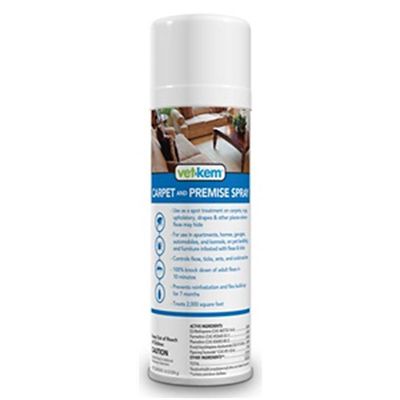
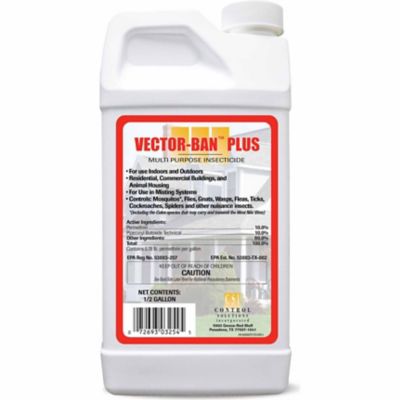
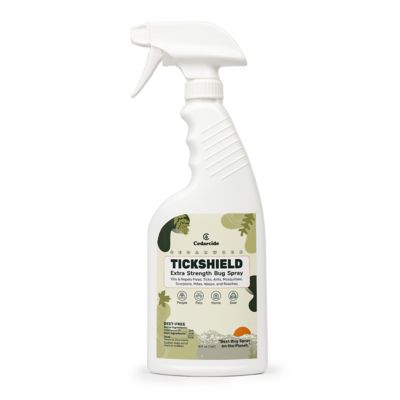
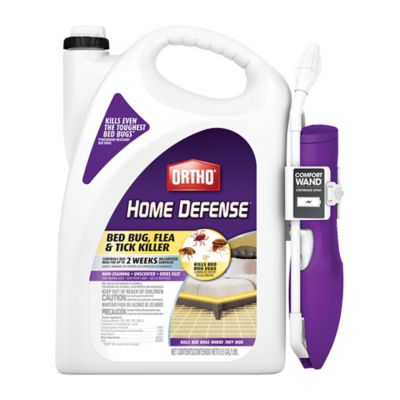
Bed bug sprays for furniture can be a handy part of a home pest-control routine when you need to treat the places where bed bugs may hide, such as couch seams, chair joints, bed frames and other hard-to-reach cracks. These products are made for different surfaces and uses, so reading the label is the best place to start. Look for a formula that is specifically labeled for bed bugs and for the type of furniture you plan to treat. Water-based sprays are often a practical choice for upholstery because they are less likely to leave a heavy residue, but “water-based” does not automatically mean every fabric is protected from spotting or discoloration. Check that the label allows use on water-safe fabrics, wood, or other intended surfaces, and follow all directions for application, drying time and ventilation. Before treating a visible area, test a small amount in a hidden spot beneath a cushion, along the back of a chair or on the underside of a frame. Give the test area time to dry and check for changes in color, texture or finish. This simple step can help protect a favorite recliner, heirloom chair or well-worn sofa from an unwanted mark. Furniture sprays may be useful for homeowners, renters, college students, landlords, caretakers and anyone bringing secondhand furniture into the house. They can also be a thoughtful, practical addition to a new-home care package or a moving-day supply basket, especially for someone setting up a guest room, apartment or hunting cabin. Sprays are not a substitute for a complete bed bug control plan, though. Bed bugs can hide in mattresses, box springs, baseboards, luggage and wall cracks, and a surface treatment may not reach every life stage or hiding place. If bites, shed skins, live insects or dark spotting continue to appear, consider contacting a qualified pest professional and follow local guidance for treatment.
For the best coverage on furniture, work methodically rather than soaking the whole piece. Remove loose cushions and inspect the piping, folds, tufts, zipper edges and underside of the cushions. On upholstered furniture, pay special attention to seams and the areas around staples, where fabric meets the frame. On wooden furniture, inspect screw holes, drawer joints, cracks, slats and the places where wood connects to metal or fabric. Apply the spray only as directed, using a light, even treatment on approved surfaces. A foaming formula may help reach narrow cracks and crevices, while a ready-to-use spray can be convenient for quick application around seams and joints. Neither type should be used to saturate cushions, mattresses or unfinished wood unless the label clearly allows it. Keep the nozzle pointed away from the face, and avoid spraying near food, dishes, pet bowls, aquariums or areas where children and animals play. Open windows or use fans when the label calls for added ventilation, and keep people and pets away from treated furniture until it is completely dry. Do not let pets lie on a damp cushion or rub against wet furniture, even when a product is marketed for indoor use. Wash or launder removable covers according to their care instructions, vacuum seams and crevices with a crevice tool, and empty the vacuum according to the manufacturer’s directions after cleaning. Reinspect the furniture after treatment, since finding a few missed bugs does not always mean the product failed; bed bugs may emerge from protected hiding places over time. Reapply only when the label permits it, and never combine different insecticides, cleaners or home remedies on the same surface. During the cooler months, people often spend more time indoors and may notice pests around couches, guest beds and upholstered chairs that receive less attention during warmer weather. A careful inspection and a properly selected spray can help you stay ahead of the problem without turning the whole room upside down.
When comparing bed bug sprays for furniture, consider more than the bottle size or application style. Check the active ingredients, the pests and life stages listed on the label, the surfaces approved for treatment, the expected drying time and any restrictions for use around children, pets or people with sensitivities. Some formulas are designed for direct contact, while others leave residual control on treated areas; the label will explain where and how each type may be used. A product that works well for a wooden bed frame may not be appropriate for a leather chair, delicate upholstery or a finished antique. For leather, suede, silk, painted finishes and other specialty materials, use extra care and follow the material manufacturer’s cleaning guidance before applying any insecticide. Keep treated furniture away from heat sources and flames when the product label requires it, and store leftover spray in its original container, out of reach of children and animals. If your home also needs help with other common household pests, you can browse
Natural Ant Repellent Sprays for a different pest-control need, but do not use an ant product on bed bugs unless its label specifically says it is intended for them. Bed bug sprays can be especially useful for routine inspection areas such as a spare room, camper, apartment sofa or guest furniture, where early attention may make cleanup easier. They also fit naturally into a larger prevention routine that includes checking used furniture before it comes indoors, keeping luggage off beds after travel, reducing clutter around sleeping areas and sealing cracks where insects may hide. Choose a product that matches the furniture in your home, apply it with a light hand, and allow plenty of time for the treated area to dry before putting the furniture back into everyday use.