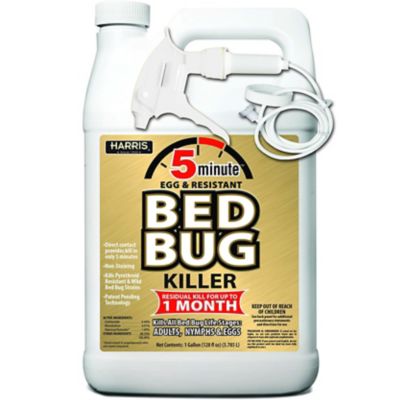
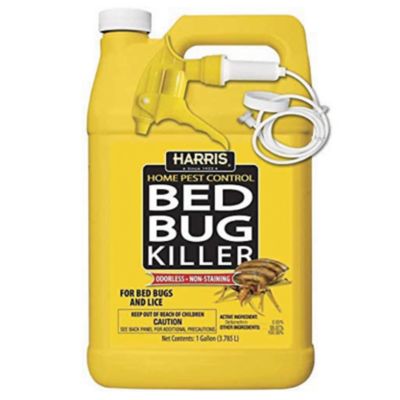
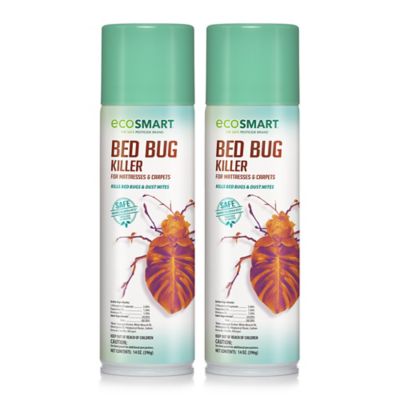
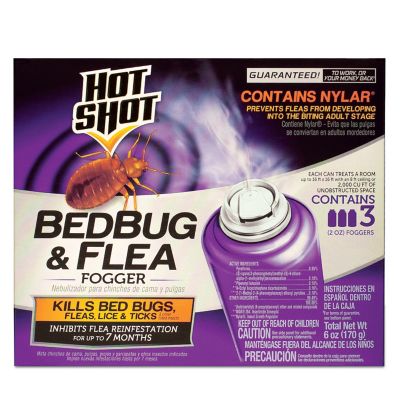
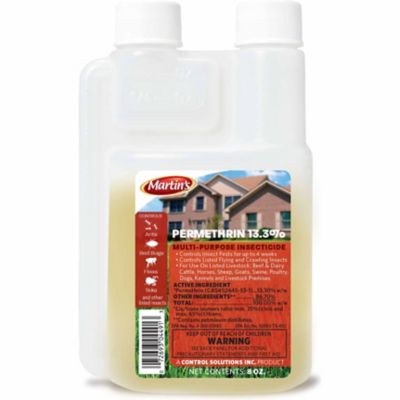
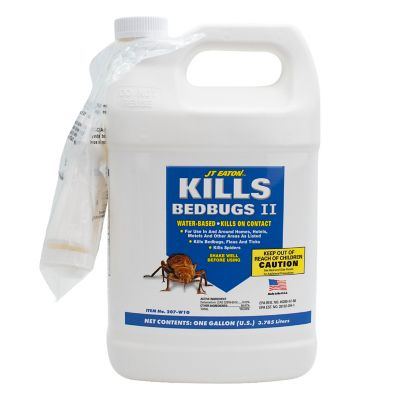
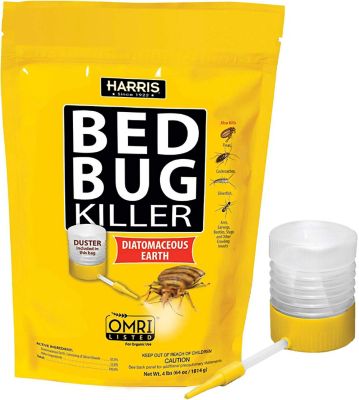
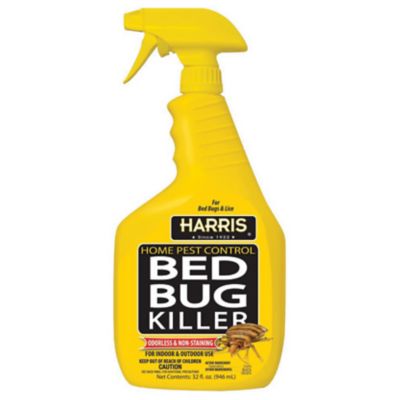
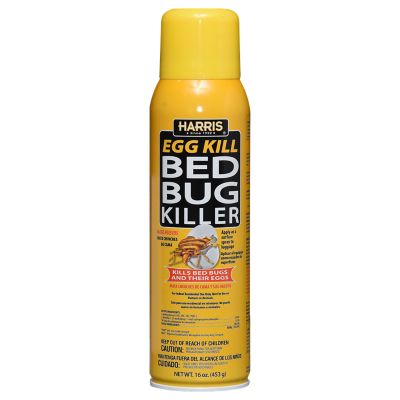
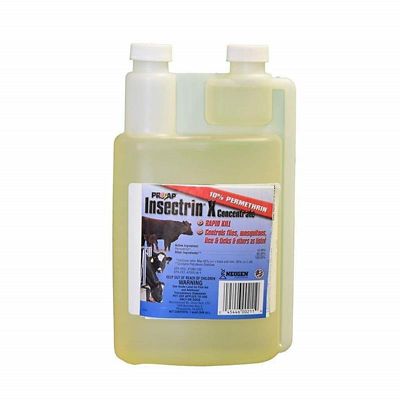
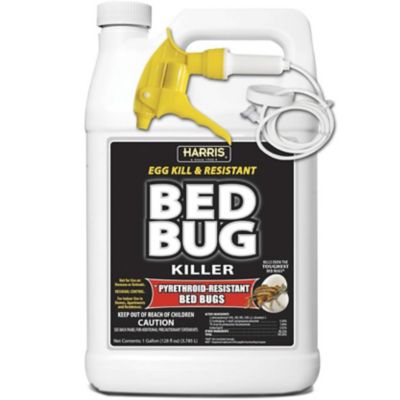
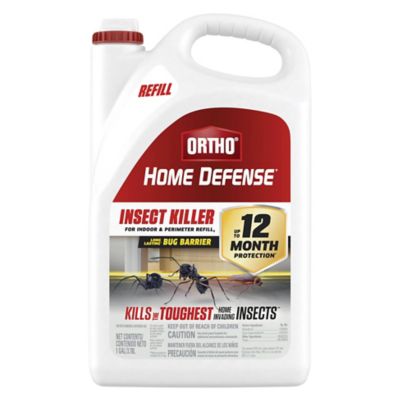
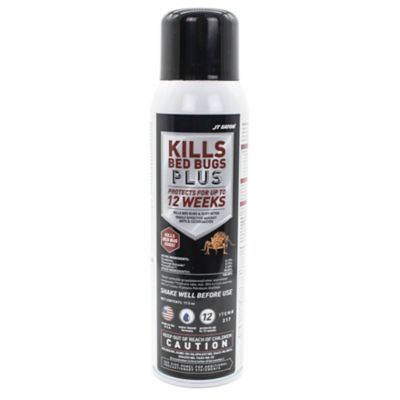
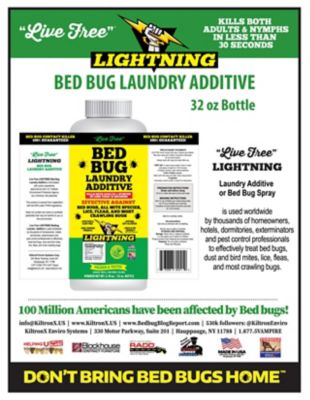
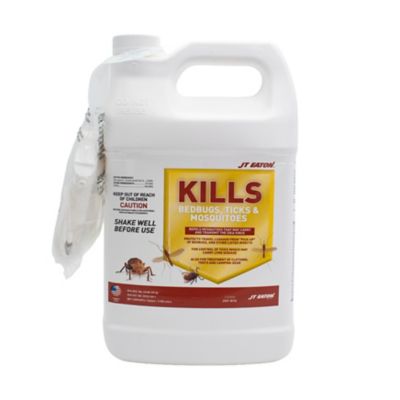
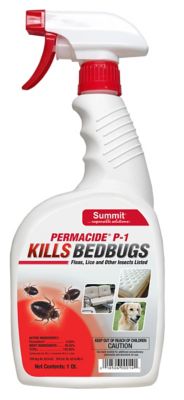
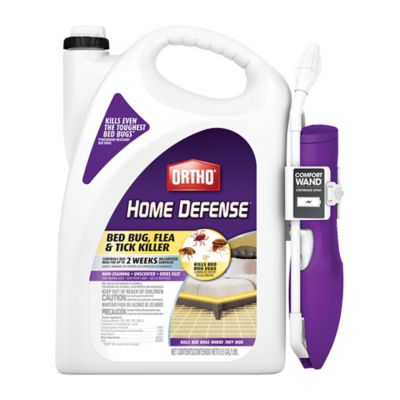
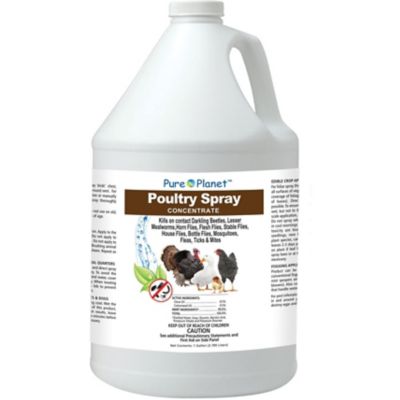
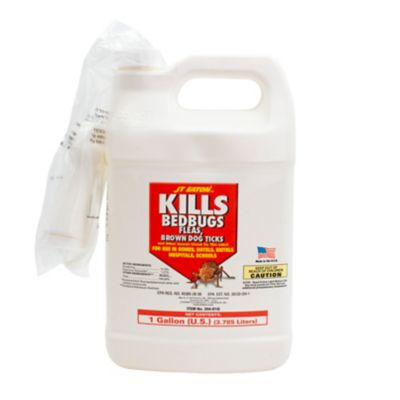
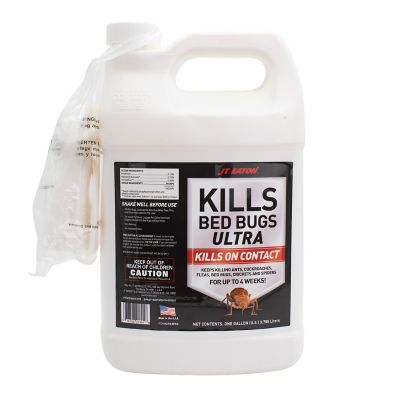
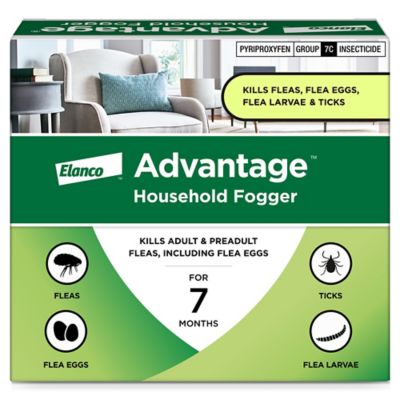
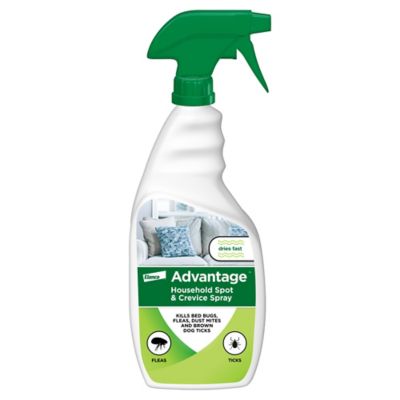
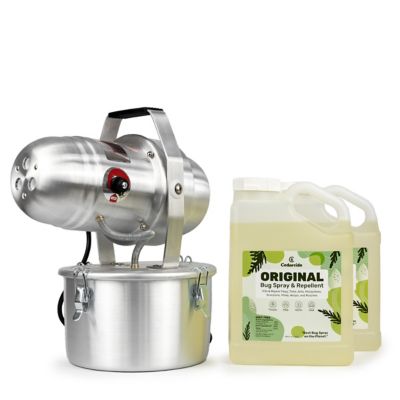
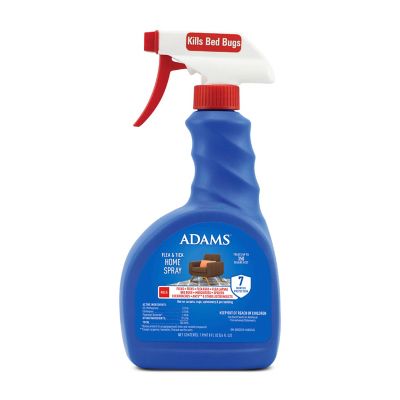
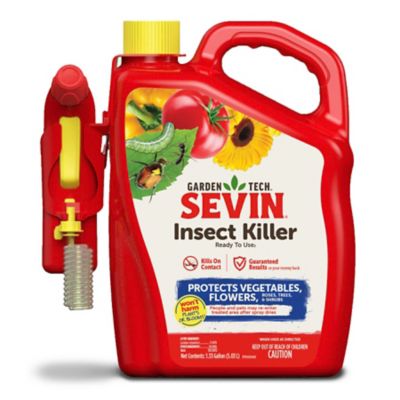
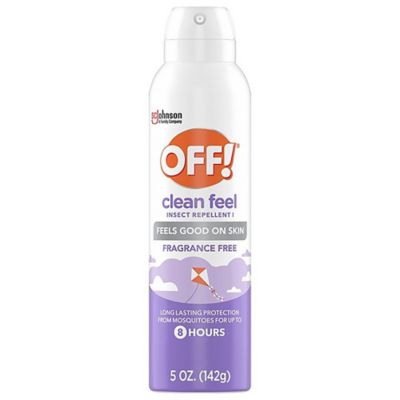
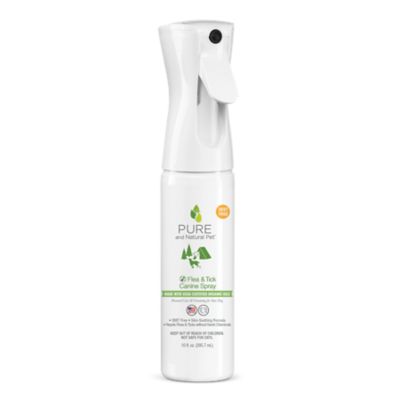
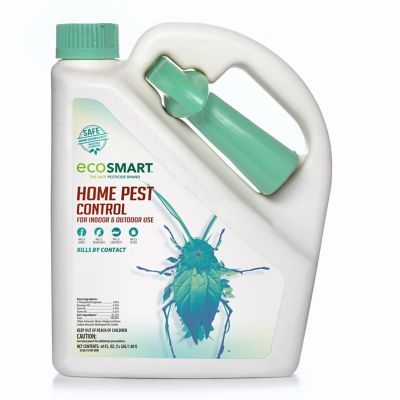
Bed bug sprays are a practical part of a larger plan for dealing with bed bugs in bedrooms, guest rooms, apartments, dorms, campers and other places where people sleep or rest. These small, reddish-brown pests often hide during the day in mattress seams, box springs, bed frames, upholstered furniture, carpet edges, baseboard cracks, behind loose trim and around wall fixtures. Because they are good at slipping into narrow gaps, a spray made for bed bugs can help reach places that are difficult to clean by hand. When shopping, look for a product whose label clearly identifies bed bugs as a target pest and explains whether it works on adults, young nymphs, eggs or resistant bed bug strains. Some formulas are intended for direct contact, while others leave a residual treatment on approved surfaces. That difference matters. A spray may be labeled for bed frames, baseboards, cracks and crevices but not for direct application to a mattress, pillow, blanket or clothing. Always check the directions before treating furniture or bedding, and follow the listed application rate rather than assuming that more spray will work better. A careful inspection helps make each application count. Pull the bed slightly away from the wall, remove bedding, use a flashlight to check seams and joints, and look for dark spotting, shed skins or live insects. Treat only the areas named on the label, allowing surfaces to dry fully before people or pets return to the room. Keep children, dogs, cats, livestock and other animals away from wet treated areas, and store pest control products in their original containers where they cannot be reached. Bed bug sprays are not meant for use on people or pets, and spraying a mattress, couch or carpet without confirming that the surface is approved can lead to stains, damage or unnecessary exposure. A clean, organized room also makes it easier to spot hiding places, so bag loose items before moving them and avoid carrying untreated bedding, clothing or furniture into another room.
For many households, the most dependable approach combines a labeled bed bug spray with laundering, vacuuming, mattress encasements and close follow-up. Bedding, sleepwear and clothing that can safely go in the dryer should be handled according to care instructions, with high heat commonly used to help kill bed bugs and eggs; items that cannot be washed or dried may need to be sealed, treated by another approved method or handled by a pest professional. Vacuum mattress seams, bed frames, floor edges and upholstered furniture with care, then empty the vacuum outdoors into a sealed bag. Encasements made for bed bugs can trap insects inside a mattress or box spring, but they need to stay in place for the period recommended by the manufacturer. Sprays may need to be reapplied because newly hatched nymphs can appear after the first treatment, and the label will specify whether and when a repeat application is allowed. Avoid mixing products, using outdoor pesticides indoors, setting off foggers in a sleeping area or repeatedly soaking the same surface. If bites or signs continue, if insects are found in several rooms, or if the infestation involves a rental property or shared building, contact a licensed pest professional and follow local rules for pesticide use. Bed bug sprays can be useful for homeowners, renters, landlords, property managers, travelers checking a camper or guest room, and anyone preparing a recently purchased piece of furniture for safe use. They are usually more of a practical household supply than a traditional gift, though a small pest-control kit can be a thoughtful addition to a first-apartment, dorm-room or housewarming bundle when given with clear instructions and respect for the recipient’s needs. Keep the same thoughtful approach when shopping for other household pest concerns, including
Natural Ant Repellent Sprays. As the weather shifts from warm days to cooler months, bed bugs can still remain active indoors, where steady temperatures and regular access to people make bedrooms comfortable hiding places. Choosing a product for the surfaces you need to treat, reading every precaution and pairing treatment with heat, cleaning and monitoring can help turn a stressful discovery into a more manageable home-care task.