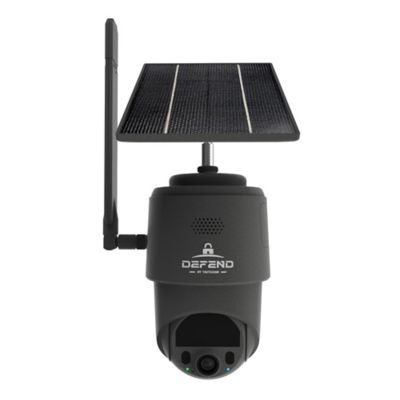
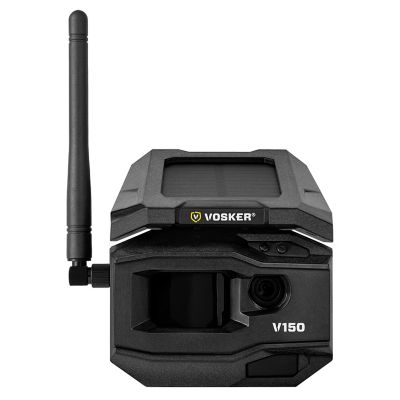
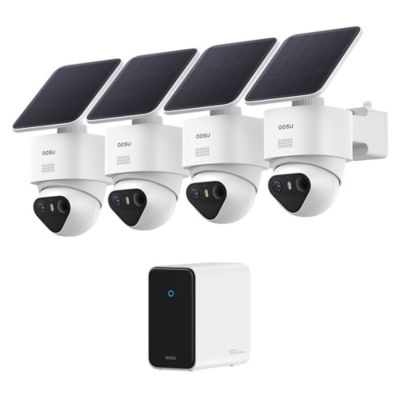
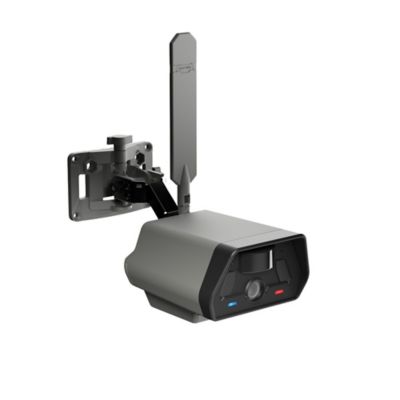
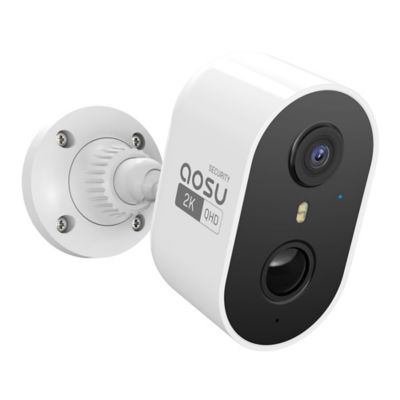
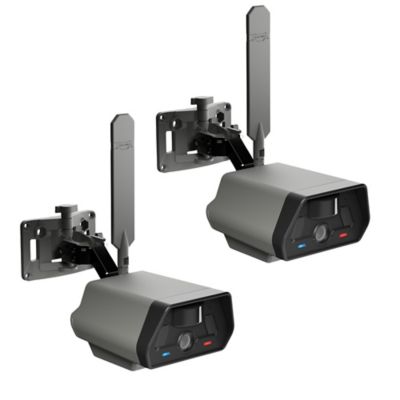
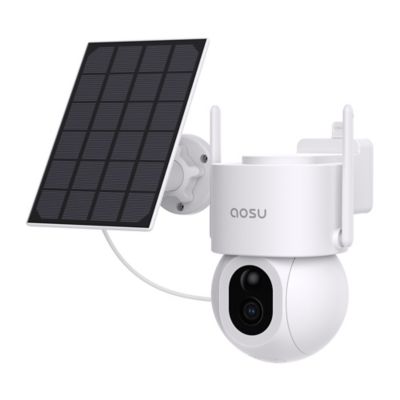
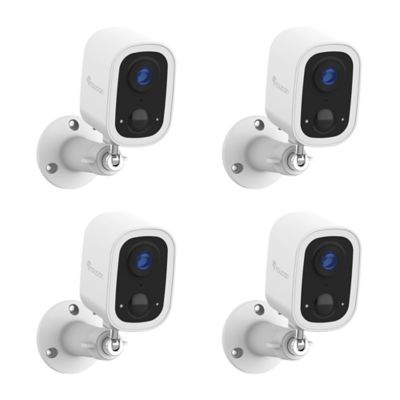
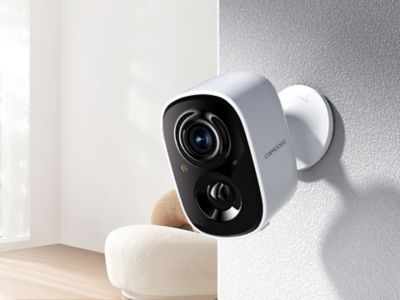
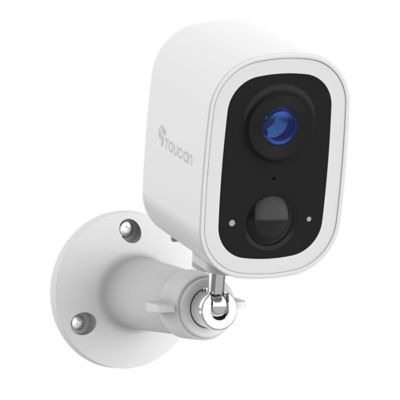
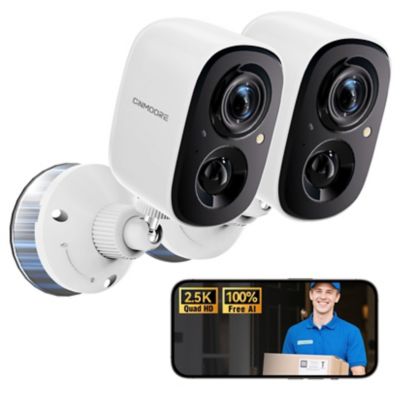
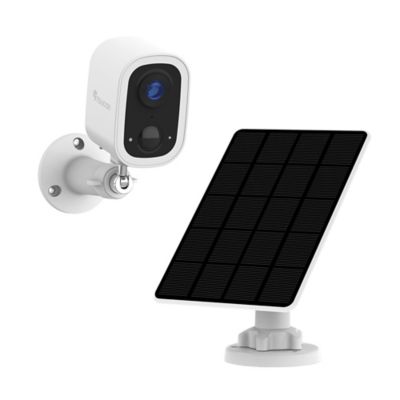
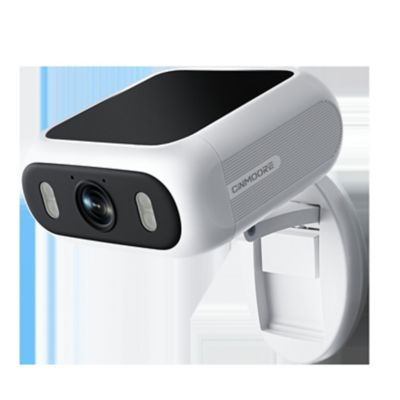
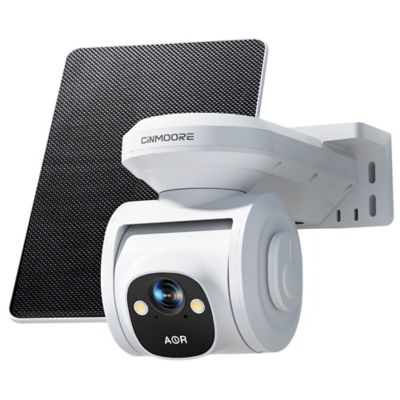
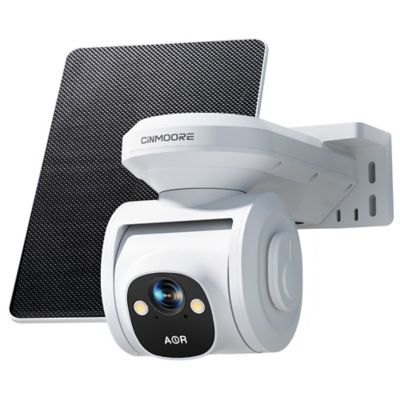
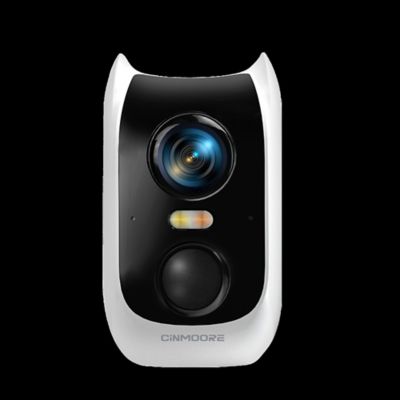
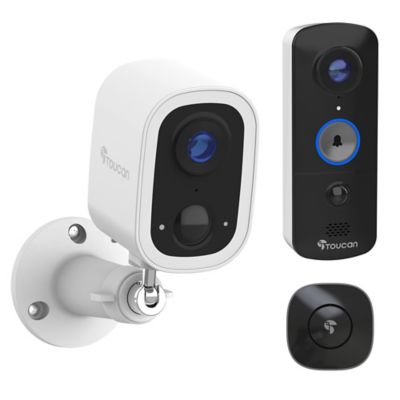
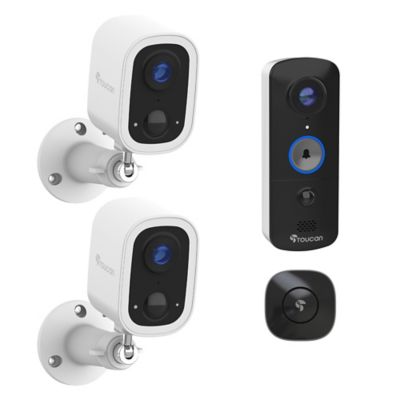
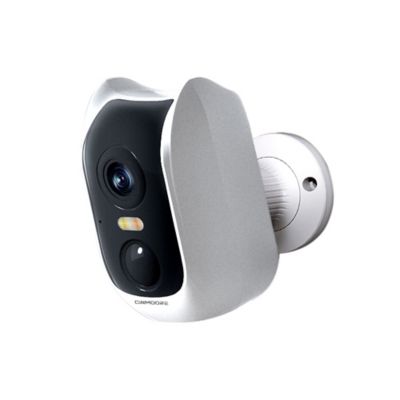
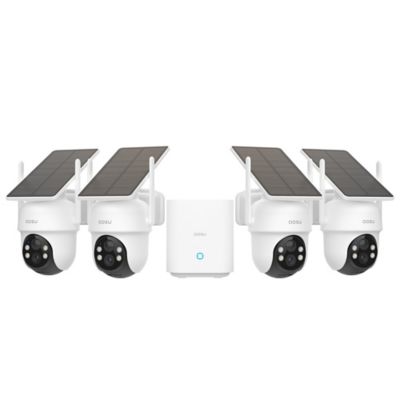
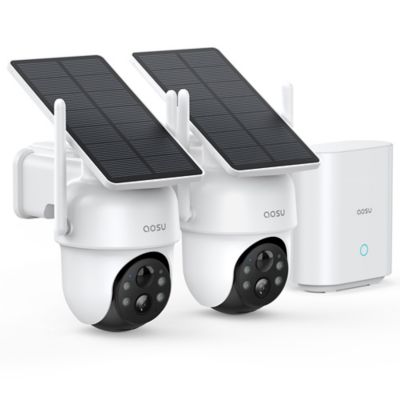
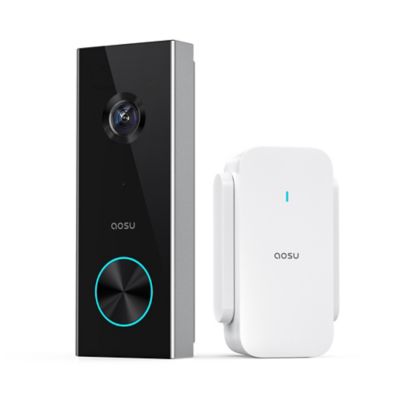
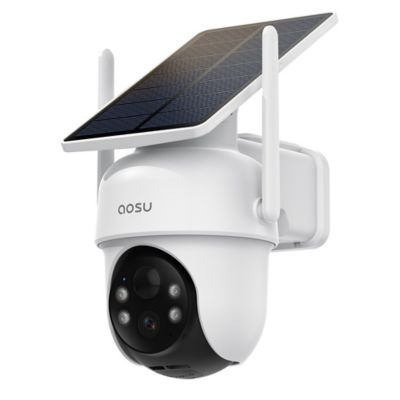
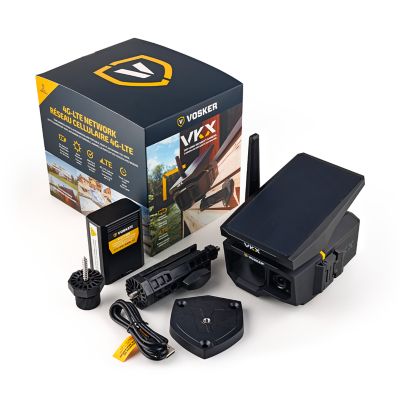
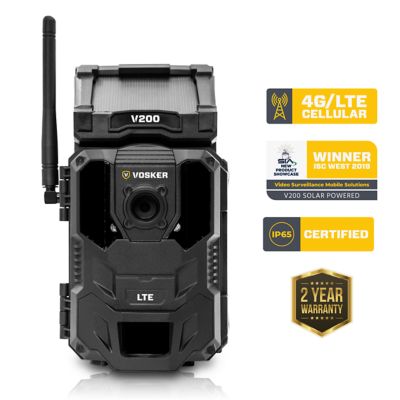
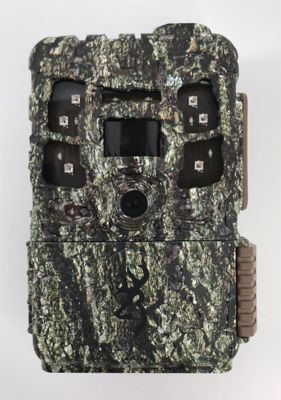
Battery-powered security cameras make it easier to keep an eye on the places that matter, even when an electrical outlet is a long way off. From a front porch and side door to a detached workshop or equipment shed, these cameras offer placement flexibility without running a power cable to every viewing spot. They can help show when a delivery reaches the house, when someone pulls into the drive or whether a gate was left open after chores. For folks with a larger property, the right setup depends as much on connection range as it does on the view through the lens. Battery power does not automatically mean a camera works without internet access. Many cameras connect through home Wi-Fi, some communicate through a compatible base station, and cellular options depend on supported service and may require a separate data plan. A barn that sits beyond the router’s reach needs a different connection plan than a porch just outside the kitchen. Camera placement also shapes what appears in the recording. A broad view can cover a parking area, while a tighter view may show more useful detail at a doorway or gate latch. Higher resolution can help with detail, but distance, lighting, lens design and connection performance still affect the picture. A camera aimed across the driveway may show a vehicle arriving without capturing a readable license plate. Mounting height deserves the same attention: a high corner can take in more ground, but an overhead angle may miss faces beneath hat brims. Sturdy mounting surfaces, secure brackets and a position that leaves charging access within reach all matter for everyday ownership. For outdoor locations, housing materials, sealed openings and the manufacturer’s installation rating help determine whether a camera fits the intended spot. Plastic housings can keep weight down, while metal components may add strength at mounting points; construction varies by model.
Motion alerts and recorded clips are often the features that make battery-powered security cameras useful between trips outside. Rather than watching a screen all day, a phone notification can point to activity near the feed room, garage entrance or front steps. Detection features differ, with some cameras responding to general motion and others offering person, vehicle or animal recognition. Those distinctions matter on a working property, where a barn cat, passing truck or shifting branch could otherwise fill the notification list. Adjustable activity zones can help keep attention on a gate opening or walkway instead of the road beyond the fence, though not every camera supports them. Clip length, detection distance and the delay between recordings also affect what gets captured. Many battery-operated cameras conserve energy by waking for an event rather than recording continuously, so their recording behavior may differ from a plugged-in system. Night viewing deserves a close look, too. Infrared viewing commonly produces black-and-white footage, while color night recording may depend on a built-in light or sufficient surrounding light. A camera behind a window can have trouble with infrared reflections, and headlights aimed toward the lens can obscure detail. Along a side entrance or path to an outbuilding,
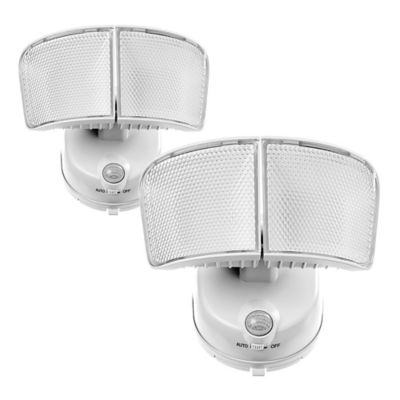
Outdoor Battery Powered Security Lights can complement camera coverage by helping people see where they are walking. Light placement still matters, since a bright fixture shining straight into the camera can wash out the view. Two-way audio can let someone speak with a visitor or give a delivery driver directions, provided the camera, app and connection support it. Clear expectations help here: background equipment noise and distance can make conversation harder. Views and audio settings should also respect neighboring property and private spaces. A useful frame keeps attention on the entrance, parking spot or work area that needs watching rather than gathering more of the surroundings than necessary.
Battery life is part of the day-to-day fit, not just a number on a package. A quiet side door may trigger only a handful of recordings, while a busy driveway can keep a camera waking throughout the day. Longer clips, frequent live viewing, built-in lighting and a weak wireless signal can all draw down a charge faster. Manufacturer estimates reflect particular test conditions, so actual charging intervals will depend on the installation and settings. Removable battery packs can make charging easier when the camera sits in a hard-to-reach location; other designs require taking down the camera or connecting a charging cable at the unit. A compatible solar charging accessory may reduce trips to recharge, but it needs suitable placement and does not remove the need to check battery status. Everyday care stays fairly simple when the camera is accessible. A soft cloth and manufacturer-approved cleaning methods help keep the lens clear of dust, fingerprints and spiderwebs, while occasional checks of brackets, covers and charging-port seals can catch a loose connection before it causes trouble. Storage deserves attention before important footage is needed. Depending on the system, recordings may save to an onboard memory card, a local hub or an online account. Some features require a subscription, and retention limits determine how long a clip remains accessible. Local storage may continue recording through certain connection interruptions, but remote viewing and alerts generally need a working connection; the exact behavior depends on the setup. For households sharing responsibility for livestock, deliveries or equipment, supported account-sharing features can give the right people access without passing around a single password. Strong passwords, account protections and software updates are sensible parts of owning any connected camera. Compatibility matters when adding coverage, too, since cameras from different systems may not share an app, hub or storage plan. Whether the goal is checking the porch from the back pasture or seeing what happened beside the workshop, a well-matched battery-powered camera brings the most value when its view, connection, recording features and charging needs suit the way the property runs.