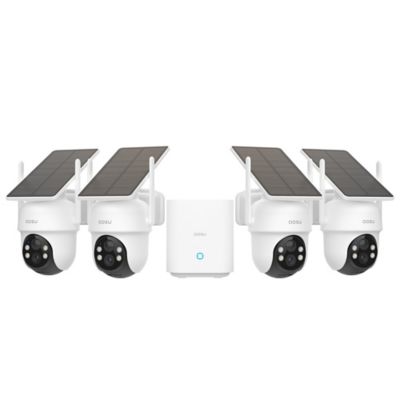
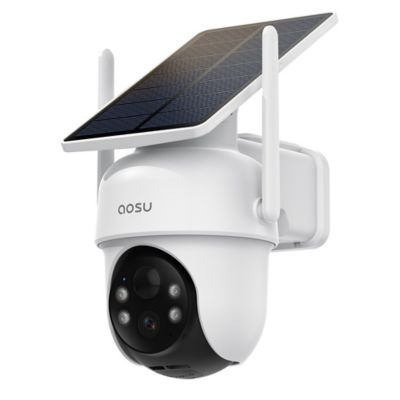
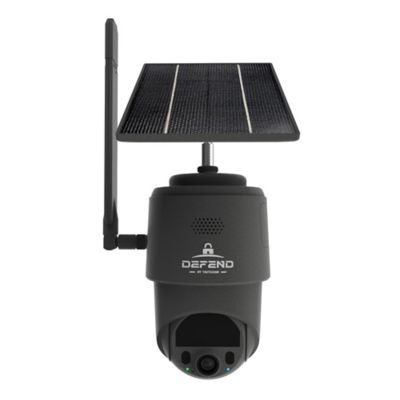
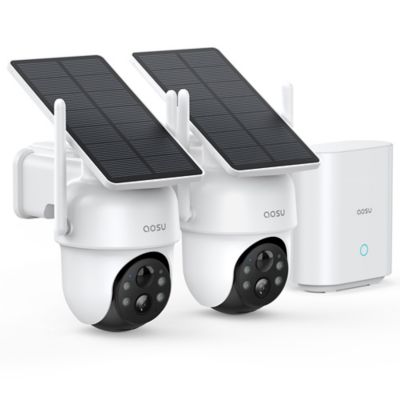
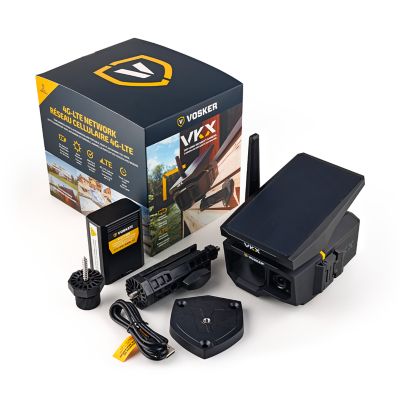
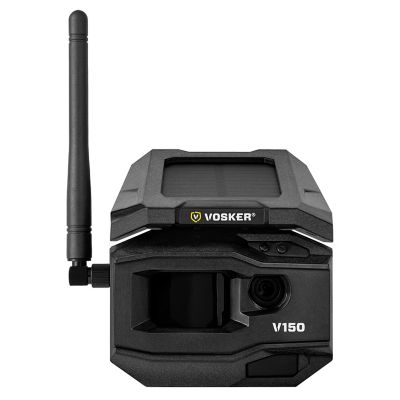
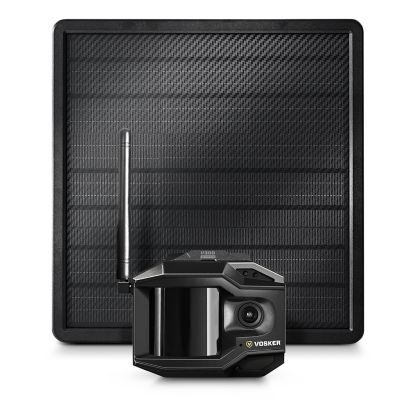
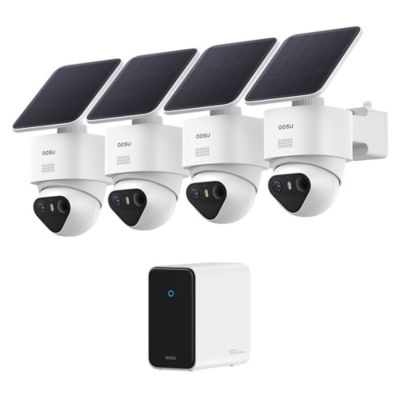
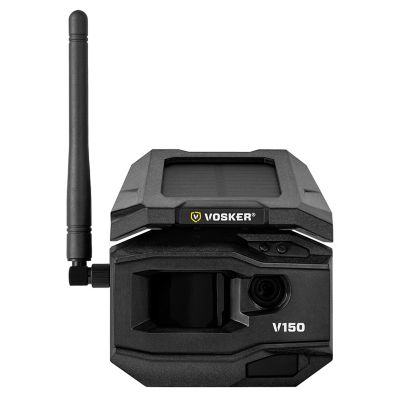
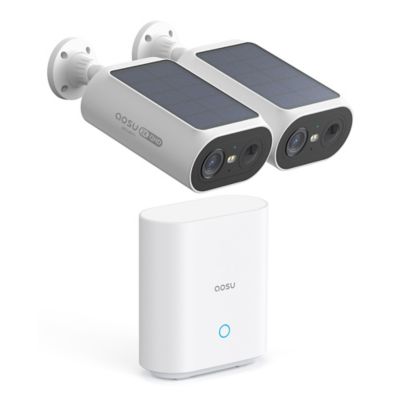
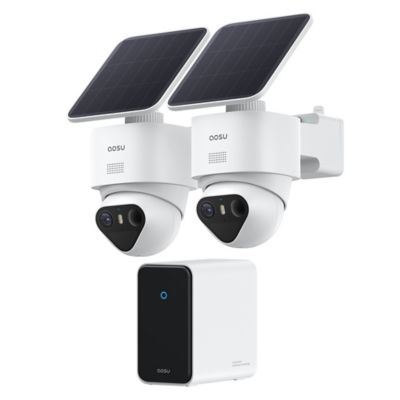
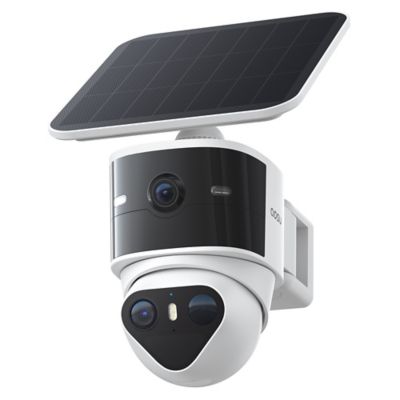
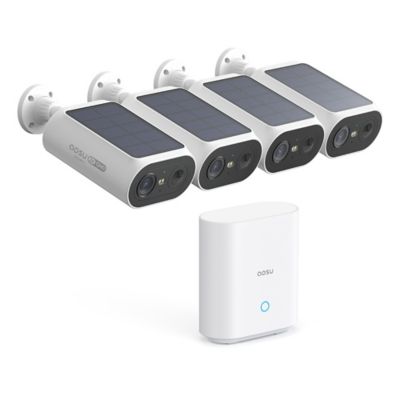
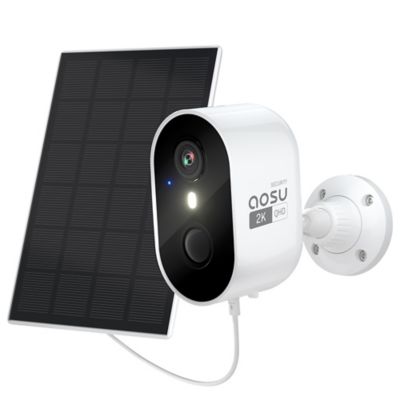
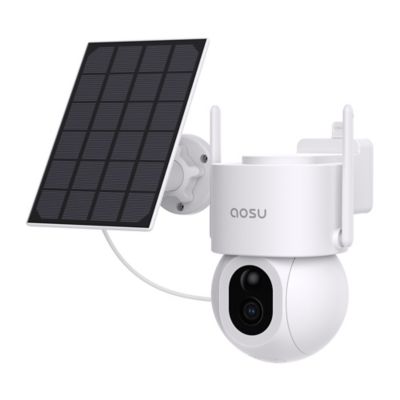
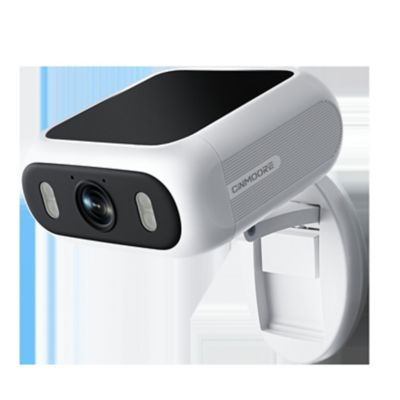
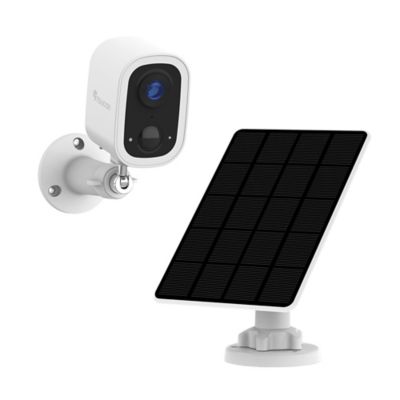
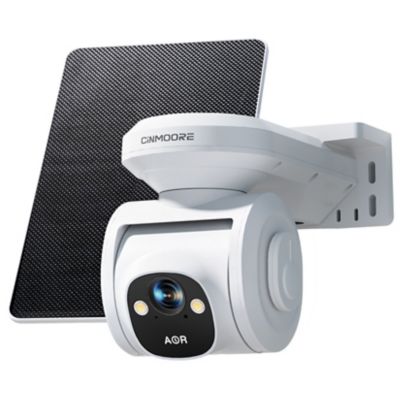
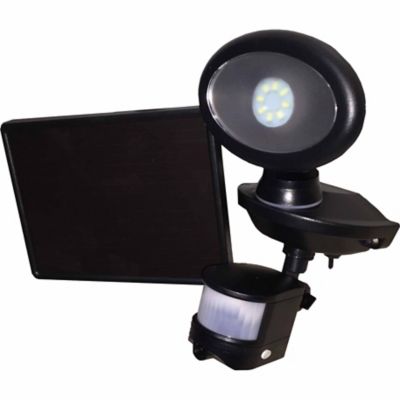
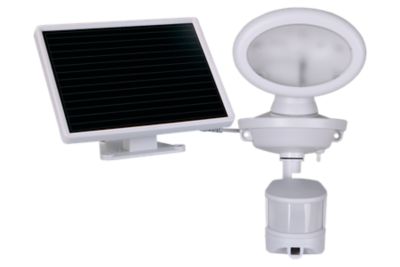
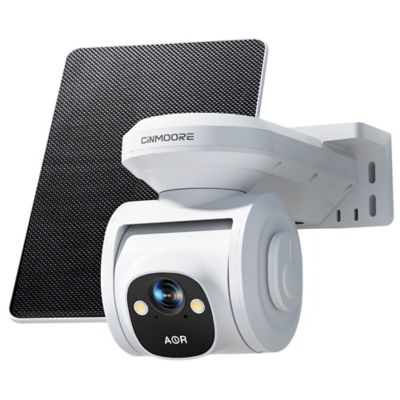
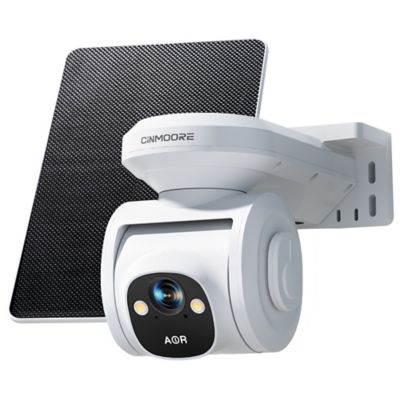
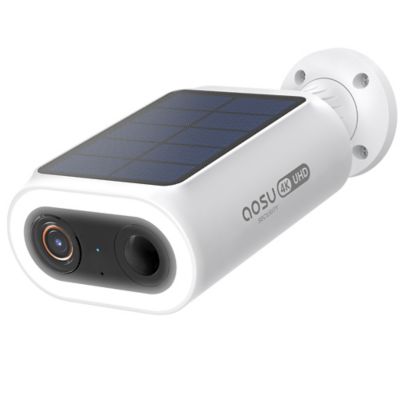
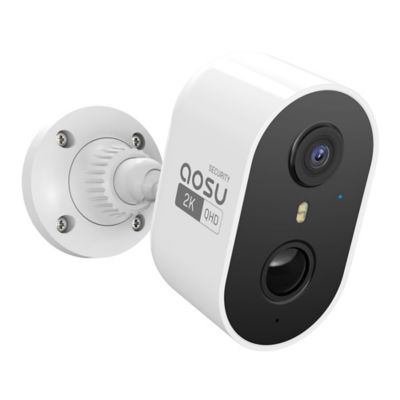
Solar-powered security cameras pair an outdoor camera with a solar panel that helps recharge its battery, reducing the need for an electrical outlet at the mounting spot. The camera runs on stored battery power, including after dark, while the panel replenishes that power when it receives enough sunlight. That setup makes sense for watching a driveway entrance, equipment shed, backyard gate or the stretch between the house and barn. Solar charging does not automatically mean nonstop recording or freedom from manual charging; battery capacity, sunlight exposure, recording activity and camera settings all affect how long a system can operate between charges. A busy driveway with frequent alerts draws more power than a quiet side entrance, and repeated live viewing can increase battery demand, too. Some designs have a panel built into the camera, keeping the installation compact. Others have a separate panel connected by a cable, allowing the lens to face the area being watched while the panel sits in a sunnier spot. That separation can be handy when the best camera position is beneath an overhang but the best panel position is farther up a wall or on a nearby post. Panel cable length, compatible connectors and mounting hardware all matter to that arrangement. Outdoor-rated housings, sealed charging connections and secure brackets help protect the electronics and keep the view steady. Housing materials vary, so the outdoor rating and mounting requirements tell more about suitability than appearance alone. On a farm or acreage, the appeal is practical: a solar security camera can put another set of eyes near a tack room, trailer parking area or feed storage entrance without running a new power line to that location. It still needs a suitable connection to deliver remote video and alerts, and solar power alone does not provide internet access. The right arrangement brings together charging, coverage and connectivity rather than treating the panel as a solution for every part of the installation.
Connection type makes a big difference once a camera moves beyond the porch. Wi-Fi security cameras need a strong enough signal at the actual mounting point, not just inside the house. A metal-sided barn, thick masonry wall or long distance from the router can interfere with that connection. A phone’s signal reading can offer a starting point, but the camera’s own connection test is more useful for confirming performance before the bracket is fastened in place. Cellular solar security cameras use a compatible mobile network instead of home Wi-Fi, making them worth considering for gates, remote sheds and other spots outside router coverage. They still depend on cellular reception and any required service activation, so a remote location is not automatically a workable location. Once connected, the camera’s lens, resolution and recording features shape what can be seen. Higher resolution can preserve more detail, but recognizable faces and readable markings also depend on distance, lighting, viewing angle and motion. A wide-angle lens covers more ground, while a narrower view may put more attention on a doorway or gate latch. Pan-and-tilt functions can help check different parts of a yard, though a moving camera does not watch every direction at once. Infrared night vision generally produces black-and-white images; color night viewing may depend on ambient light or an onboard light. Person, vehicle and animal detection, where supported, can help separate relevant activity from other movement. Adjustable activity zones are especially useful beside a road or livestock pen, where passing traffic or animals could otherwise fill an alert history. Many battery-based cameras record motion-triggered clips rather than continuous footage, making recording length, wake-up behavior and the interval between events important considerations. A clear view of someone approaching a shed is more helpful than a sharp picture of their back after they have walked past it. Camera placement and recording behavior work together to capture that approach.
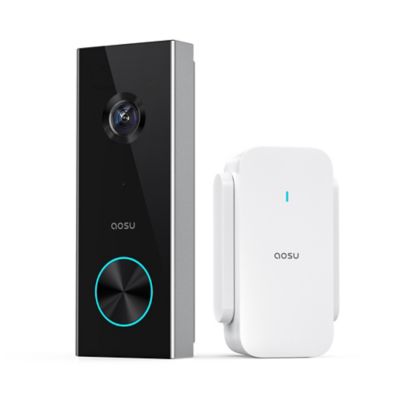
Storage and day-to-day care round out the setup. Depending on the system, recordings may save to a compatible memory card, a nearby recording hub or cloud storage. Those arrangements differ in how footage can be retrieved, how long it stays accessible and what happens if the internet connection drops. Local recording does not always mean remote playback is possible during an outage, and a card inside the camera may be harder to recover if the camera is taken. Supported card capacity, recording compatibility and account requirements belong alongside resolution and battery capacity when comparing options. For locations without a practical place to mount a panel,
Battery Powered Security Cameras offer another way to monitor an area without an outlet at the camera. Either setup benefits from a mounting surface that holds the bracket firmly and keeps the lens clear of swinging gates, branches and equipment traffic. Fasteners need to suit the surface, whether that is a wooden post, siding or masonry, and a separate panel’s cable needs a protected route away from pinch points and curious animals. A camera mounted beyond easy reach can discourage tampering, but it still needs to remain accessible for cleaning, battery service and adjustments. Dust on the panel can limit charging, while dirt or cobwebs near the lens can spoil an otherwise useful view. Gentle cleaning and periodic checks of brackets, cables and connection seals help keep the system ready for everyday use. App access matters just as much as physical upkeep: strong passwords, supported account protections and carefully managed sharing help keep footage in the right hands. Two-way audio can make it easier to speak with a visitor at the gate, with microphone placement and applicable recording rules worth keeping in mind. For homeowners, landowners and folks checking on outbuildings, a well-matched solar-powered camera adds a convenient way to see arrivals and review activity. It works best as one part of a property’s security setup, alongside sound locks, sensible lighting and clear sightlines.