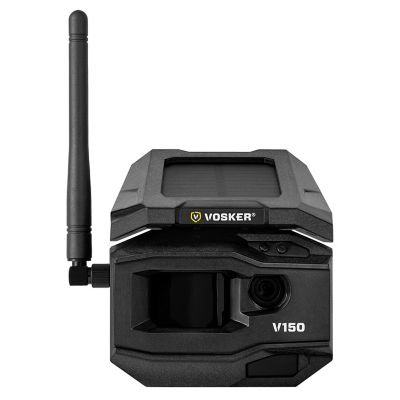
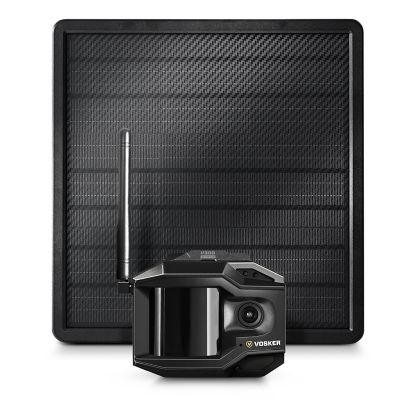
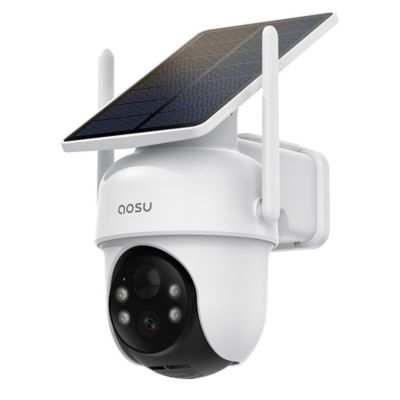
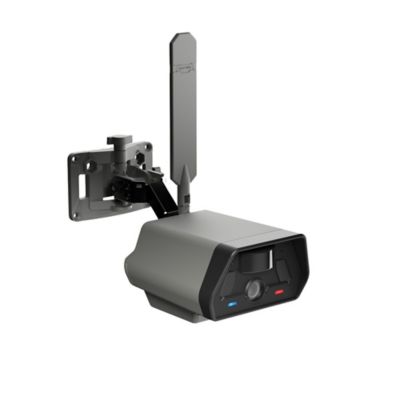
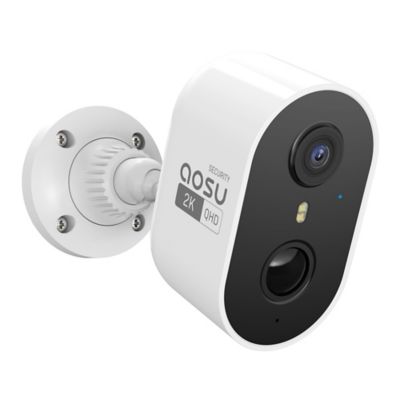
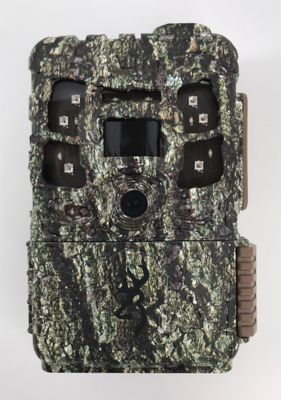
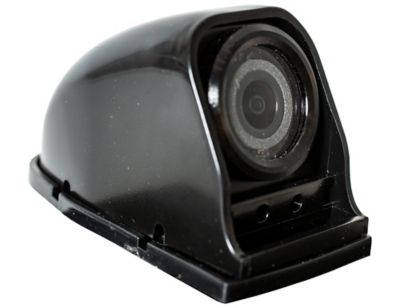
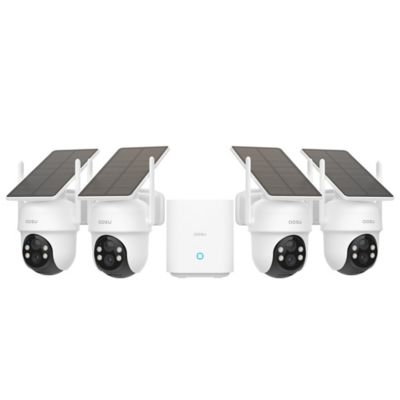
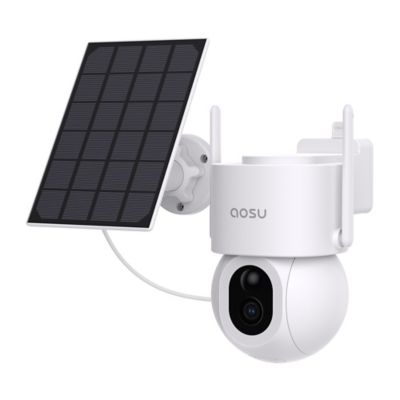
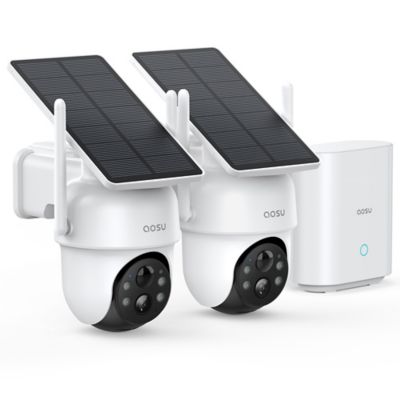
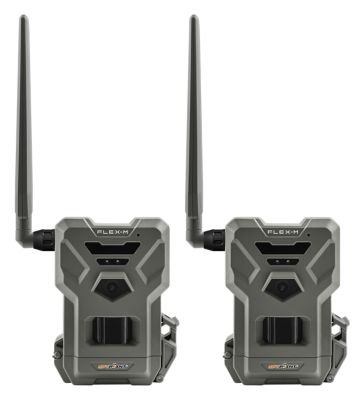
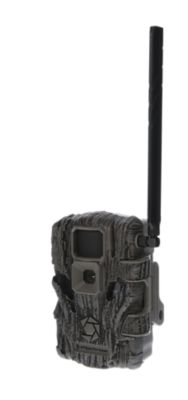
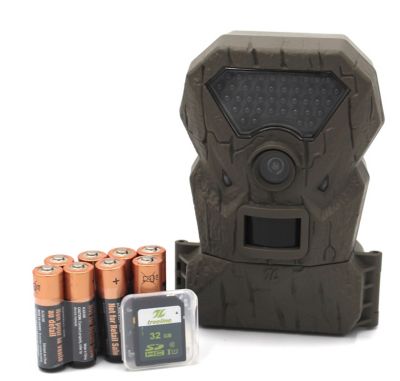
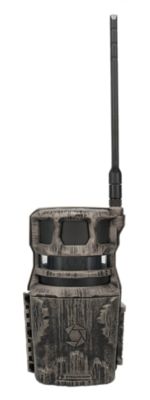
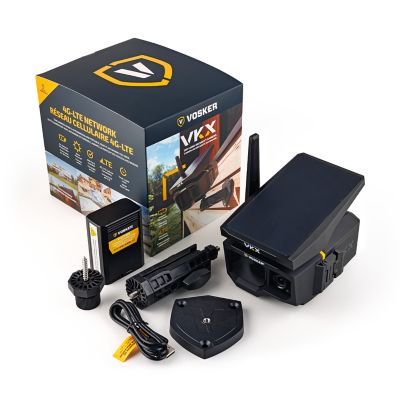
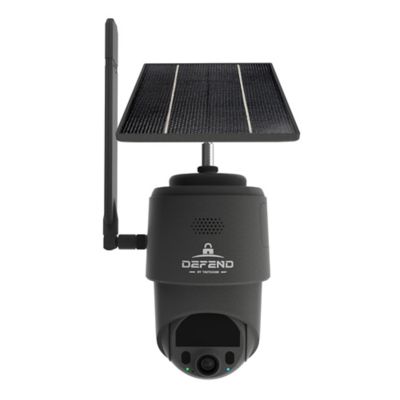
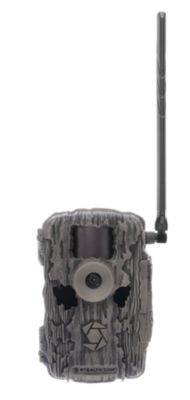
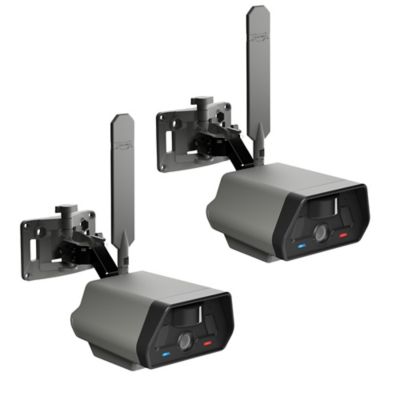
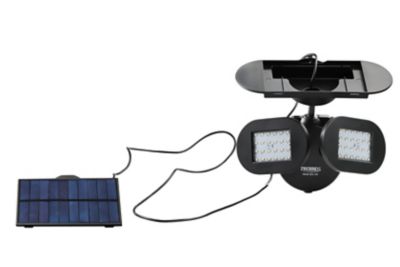
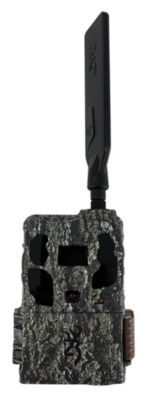
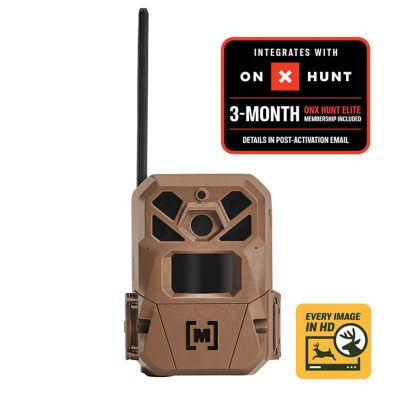
Wireless security cameras send video and, on models with a microphone, audio over Wi-Fi or another wireless connection to an app, base station, or compatible receiver. They offer a way to keep an eye on the front porch, garage, feed room, or driveway without running a video cable from each camera to a recorder. Wireless describes the connection, not necessarily the power source: some cameras plug into an electrical outlet, while wire-free cameras run on batteries. That difference matters around a home or acreage, where a porch outlet may be handy but power at a back gate can be a different story. Plug-in cameras suit locations with an appropriate nearby outlet and can support ongoing operation without battery changes. Battery-powered cameras offer more flexibility for spots where an electrical connection is out of reach, although charging access still matters. Some work with compatible solar panels that help replenish the battery when sunlight and temperatures allow; solar charging does not guarantee uninterrupted power. For households comparing connected options, a
Wi-Fi Security Camera connects through a compatible wireless network, with remote viewing generally depending on internet access and the camera’s app or service. Network reach is especially important on rural properties. A camera mounted across the yard still needs a strong enough signal at that location, and metal siding, masonry walls, trees, and distance can weaken the connection. A wireless camera is not automatically a solution for a barn beyond the router’s reach. Compatibility with the network’s supported Wi-Fi bands also matters, since connection requirements vary. Single-camera setups suit one doorway or a small work area, while multi-camera systems can bring several views together in one app. For a family splitting time between the house, shop, and livestock chores, those different views can make it easier to check a delivery at the steps or see whether a vehicle has pulled up by the garage.
The right wireless security camera for a location depends as much on its housing, mounting arrangement, and viewing angle as on its video resolution. Outdoor cameras need an enclosure rated for the conditions where they will hang, including rain, blowing dust, and the expected temperature range. Weather resistance varies, and a camera’s rating does not necessarily apply to its power adapter, extension connections, or other accessories. Molded plastic and metal housings each appear in outdoor designs, but the stated environmental rating and installation requirements tell more about suitability than appearance alone. Under an eave, a camera may have some shelter from direct rainfall, yet wind-driven moisture and condensation still deserve consideration. Mounting brackets should fit the surface and hold the camera steady; a solid post or wall provides a better foundation than a loose trim board that moves in the wind. A wide field of view can cover a porch and its approach, while a narrower view may put more detail on a gate opening or shop entrance. Higher resolution can help reveal detail, but usable footage also depends on lighting, distance, lens design, and connection strength. A broad view of the whole yard will not necessarily show a clear face at the far fence. Infrared night vision provides a view after dark, often in black and white, while some cameras offer color night viewing with sufficient ambient light or a built-in spotlight. Infrared light can reflect off window glass, nearby walls, and spiderwebs, washing out part of the image. Camera placement also affects how headlights, low sunlight, and porch lights appear in a recording. During the cooler months, shorter daylight hours make low-light performance especially relevant. Battery runtime can decline in cold weather, and charging may pause outside a battery’s permitted temperature range. A location within reach for charging and an occasional lens wipe makes upkeep simpler than a high mounting point that calls for a ladder every time.
Recording features shape what wireless security cameras can show after an event, not just what appears on a live screen. Depending on the system, footage may save to a compatible memory card, a local base station or recorder, or cloud storage accessed through an account. Storage capacity, recording settings, and retention limits determine how much footage remains before older recordings are overwritten or removed. Local storage and cloud storage have different requirements, and neither should be assumed to work through every network or power interruption. A battery camera may record short motion-triggered clips rather than continuous footage, making event length, wake-up behavior, and the time between recordings worth comparing. Plug-in power alone does not guarantee continuous recording; that capability must also be supported by the camera and storage setup. Motion alerts can bring attention to activity without keeping a live view open all day. On compatible cameras, detection settings can distinguish between certain kinds of activity, such as people, vehicles, or animals, though results vary with distance, lighting, and placement. Activity zones can help keep a waving tree branch or passing road traffic from filling a phone with notifications. Two-way audio offers a way to speak with someone at the door, but wind, machinery, and connection delays can affect the conversation. Around a property with pets or livestock, cameras can provide an extra view of a sheltered resting area or an entryway, but they do not replace hands-on animal checks or emergency monitoring equipment. For everyday care, a soft cloth and the manufacturer’s cleaning directions help keep the lens clear without scratching its surface or harming seals. Secure account passwords, supported software updates, and appropriate access permissions matter just as much as the physical setup, particularly when several family members share viewing access. Views should stay focused on the property and respect neighboring spaces, with audio recording handled in line with applicable laws. From checking the porch while working out back to reviewing activity near a tool shed, wireless security cameras fit best when their connection, power, coverage, and recording features match the place they are meant to watch.