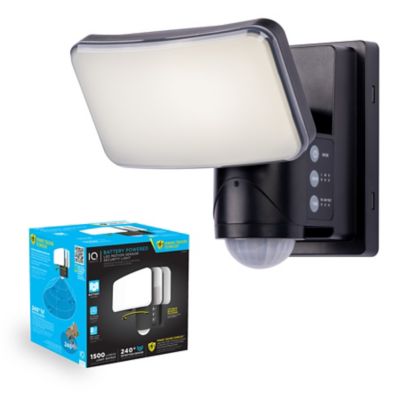
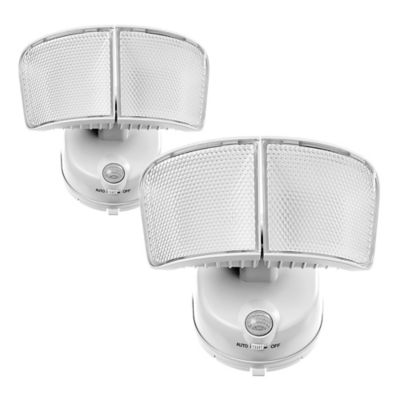
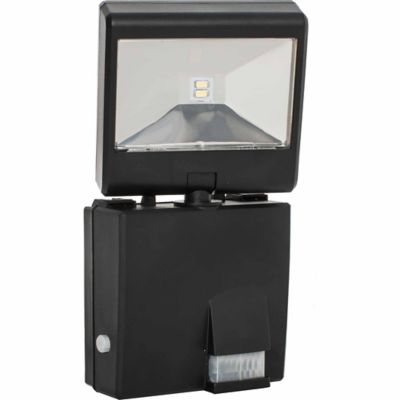
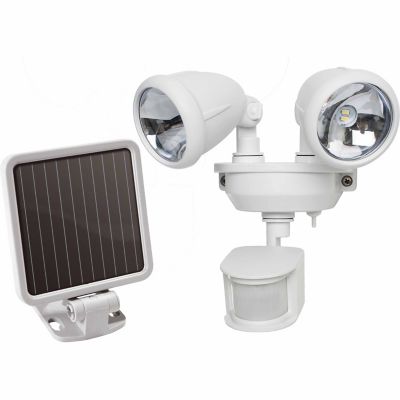
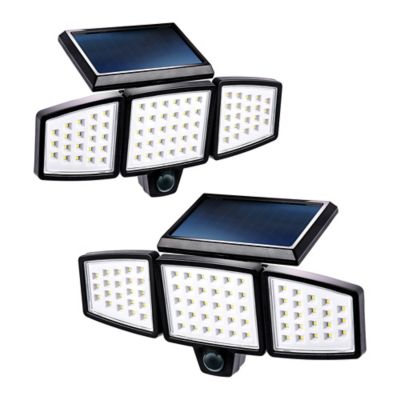
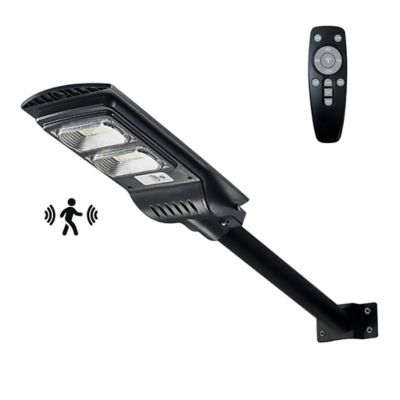
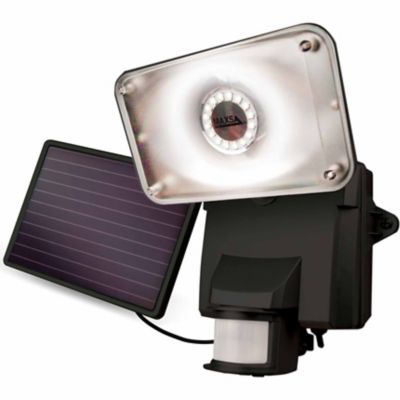
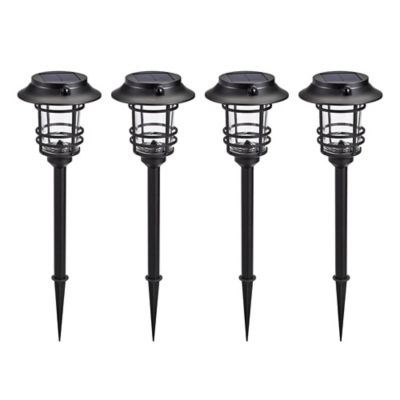
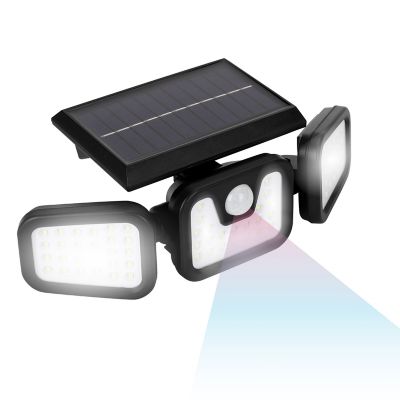
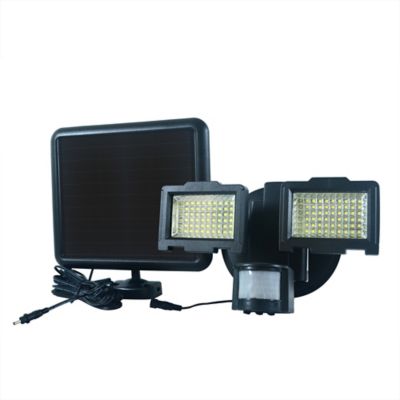
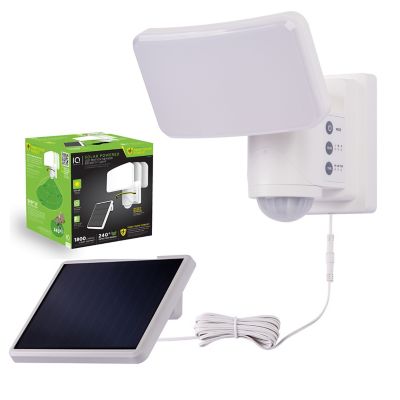
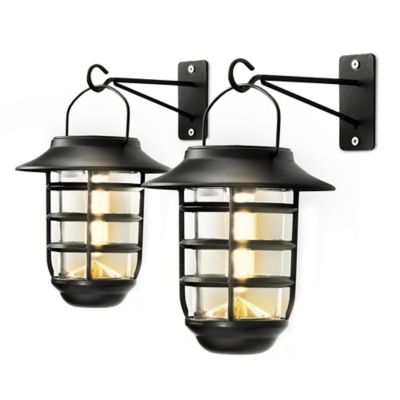
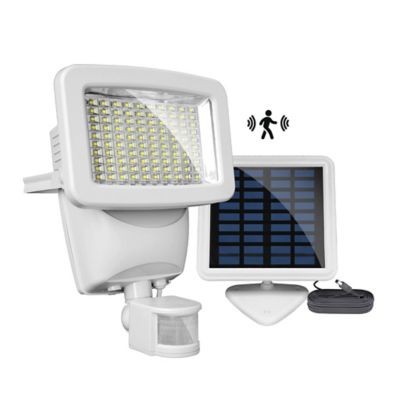
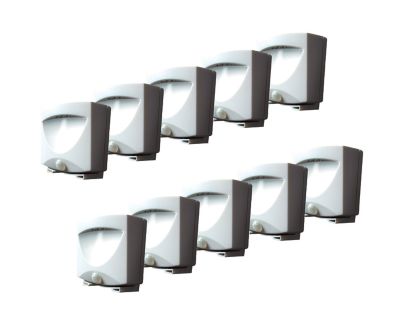
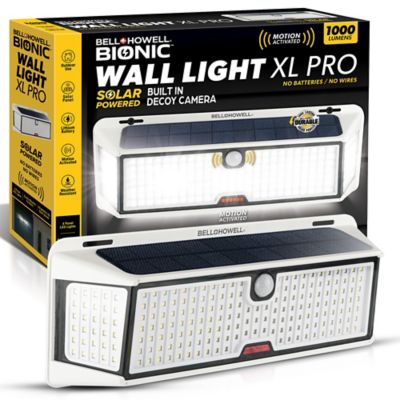
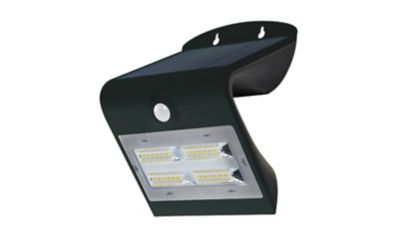
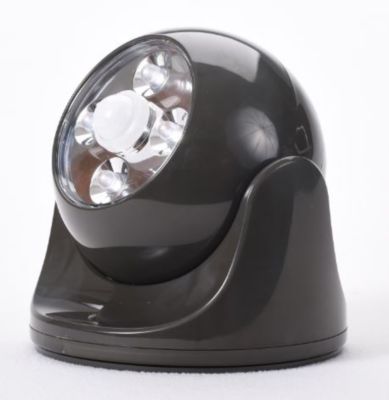
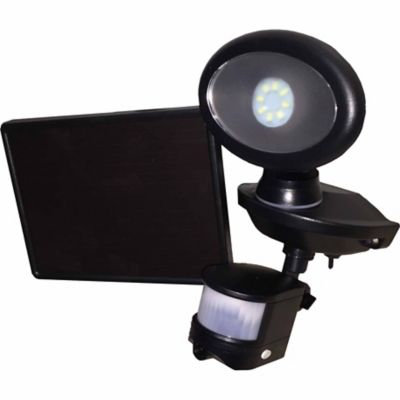
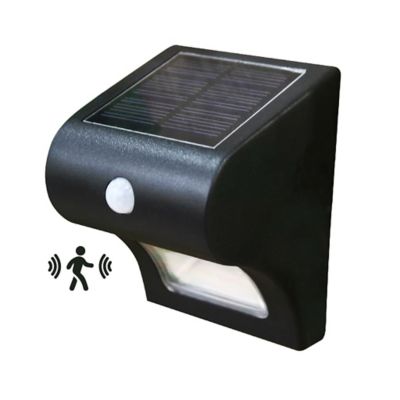
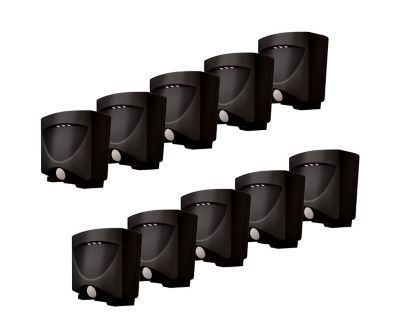
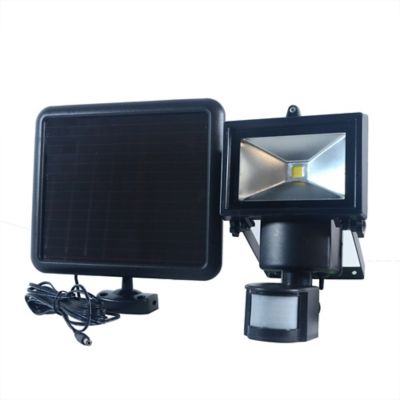
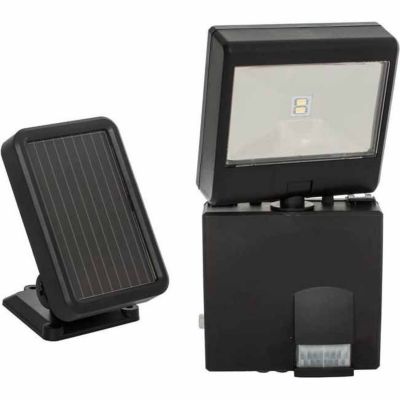
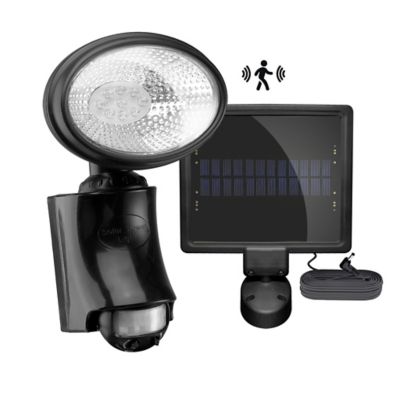
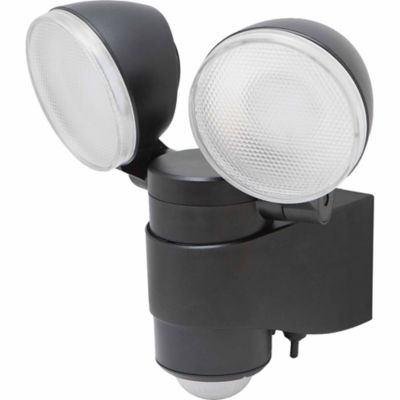
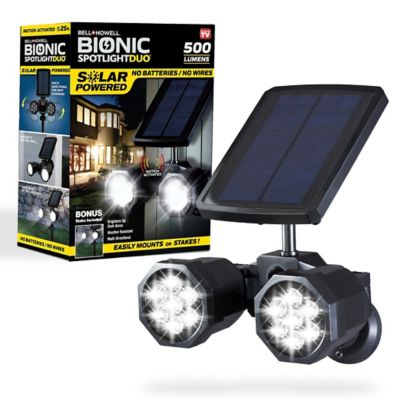
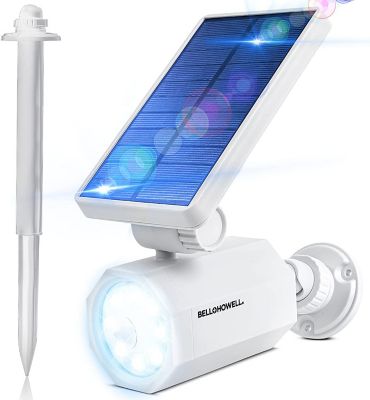
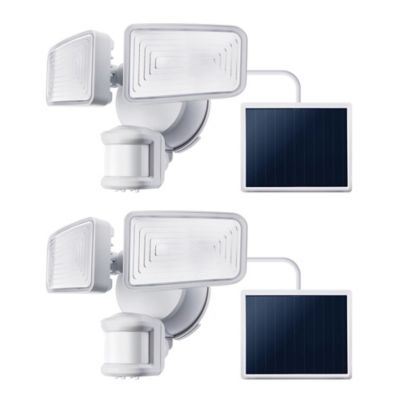
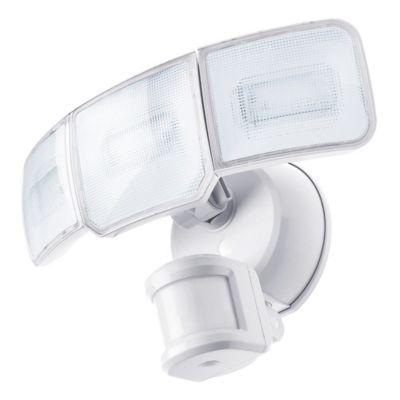
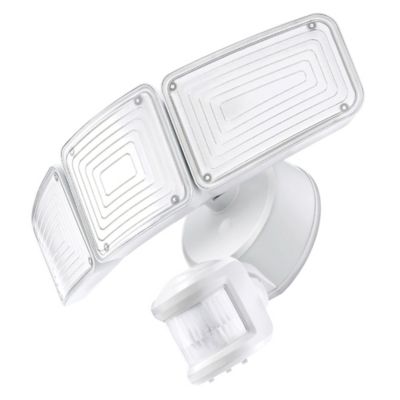
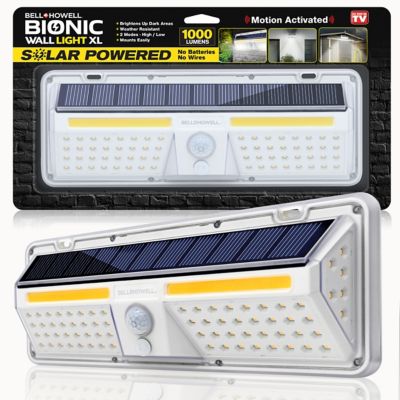
Outdoor battery-powered security lights are a handy way to brighten dark spots around a home, farm, workshop, garage, or rental property without running electrical wiring. They work especially well along driveways, walkways, side gates, back steps, porches, barns, sheds, chicken coops, equipment shelters, and other areas where a hardwired fixture would be difficult or costly to install. Most use bright LED bulbs or LED panels, which provide clear light while using less power than traditional bulbs. A motion-activated light can stay off while the yard is quiet, then switch on when someone, a vehicle, or an animal moves through its detection area. That helps preserve battery life and gives you a quick view of what is happening outside, whether you are carrying feed to the barn before sunrise, checking a gate after dark, or coming home with a truckload of supplies. Battery-powered designs are also useful where there is no nearby outlet, including remote outbuildings and temporary work areas. Installation is usually as simple as mounting the fixture to a wall, post, fence, or overhang with the included hardware, though a sturdy mounting surface and a clear view of the area will help the light perform its best. When choosing a light, start with brightness. Output is measured in lumens, and outdoor security lights commonly range from about 300 lumens for a smaller entry or path light to 1,000 lumens or more for wider driveways, yards, and work areas. A single-head light may suit a doorway or narrow passage, while a multi-head design can spread light in several directions and cover a broader area. Adjustable heads are useful when you need to aim light toward a gate, stairway, or parked vehicle without shining it directly into a window.
Motion detection is another important detail. Many outdoor battery-powered security lights detect movement from roughly 25 to 50 feet away and cover an area between about 120 and 160 degrees, although actual performance depends on placement, temperature, obstructions, and the model. Mounting height and angle make a noticeable difference. A fixture aimed too high may allow movement to pass beneath its sensor, while one pointed directly at a busy road may activate every time a car goes by. For a driveway, position the light so approaching vehicles or people cross the sensor’s field of view rather than moving straight toward it. Around a back door or shed, aim it toward the path someone would naturally take. Adjustable sensitivity, brightness, and shut-off settings can help reduce unwanted activation from passing pets, waving branches, or livestock. Some lights offer a dusk-to-dawn setting for steady low-level illumination, while others turn on only when motion is detected. Motion-only operation generally makes batteries last longer, especially in a quiet area. Battery life varies with the number of activations, the length of each lighting cycle, the brightness setting, and cold weather. Many fixtures use three or four C-cell or D-cell alkaline batteries and may run for several months under normal use, while rechargeable or solar-assisted options can reduce the need for replacement batteries. If the light will be installed in a place that is hard to reach, look for a long expected runtime, an accessible battery compartment, and a low-battery indicator when available. For exposed locations, check the weather-resistance rating before making a purchase. An IP65 rating or a fixture marked for wet locations can provide better protection against rain, dust, and water spray than a light intended only for a covered porch. Sealed housing, a snug battery door, and corrosion-resistant mounting hardware are helpful during rainy days, freezing temperatures, and the rough conditions common around barns and outbuildings.
These lights can support everyday safety and convenience, but they are not a substitute for a complete security system, a properly locked gate, or good outdoor habits. Place them where they improve visibility without creating glare for drivers, neighbors, or anyone walking near the property. Along a farm lane, a wide flood-style light can make it easier to spot ice, puddles, tools, or uneven ground. Near a workshop, a focused spotlight can illuminate a lock, door handle, or equipment area. At a shed or woodpile, motion activation can save fumbling with a flashlight while keeping both hands free. Homeowners may use them around steps and decks, landlords may add them to shared entrances, and small business owners may place them near loading areas or storage buildings. They are also a practical gift for new homeowners, rural families, campers, hunters, contractors, property managers, and anyone improving an older house where outdoor wiring is limited. A light can be especially welcome for someone moving into a new place and learning which corners of the property stay dark after sunset. Before installing one, consider the area’s size, the distance from the mounting point to the activity you want to detect, and whether you need a narrow beam or broad coverage. Take note of nearby trees, fences, rooflines, and reflective surfaces that may affect the sensor or throw light into unwanted areas. During the cooler months, keep in mind that freezing conditions can reduce the performance of some batteries, so using fresh, high-quality batteries and checking the contacts from time to time can help. Wipe dust, mud, cobwebs, and bird debris from the lens and sensor so the light stays responsive, and inspect the housing after strong wind or storms. For portable illumination while repairing equipment, walking between buildings, or working inside a dim barn, a separate set of
Battery Operated Work Lights can complement fixed security lights. With the right brightness, detection range, weather protection, and power source, outdoor battery-powered security lights offer a straightforward way to make dark areas more visible without trenching wire or depending on a nearby outlet.