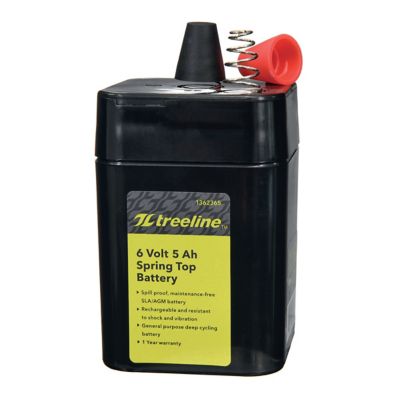
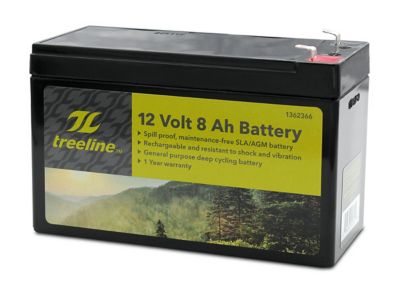
Batteries for emergency lighting supply backup power to compatible exit signs and emergency light fixtures when normal electrical service is interrupted. Common rechargeable types include sealed lead-acid (SLA) and nickel-cadmium (Ni-Cd) batteries, while some fixtures require nickel-metal hydride or lithium-based packs specified by their manufacturers. These battery types are not interchangeable simply because they fit inside the same housing. The right replacement matches the fixture’s required chemistry, voltage, capacity, dimensions, and electrical connections. In a feed room, workshop hallway, farm office, or small business, that match helps keep designated lighting ready to mark an exit or illuminate a path when the main lights go out. An exit sign with battery backup and a two-head emergency light may perform different jobs, but both depend on a battery that works with the equipment’s charging system. During normal operation, the fixture maintains the battery’s charge; during an interruption, the battery supplies the energy needed for emergency operation. Some fixtures illuminate an exit legend all the time, while their backup batteries support that light only when building power is lost. Other fixtures have emergency lamps that come on during an outage. Batteries intended for this standby duty spend much of their service life connected to a charging circuit, rather than being regularly removed and charged elsewhere. That makes compatibility with the fixture just as important as the battery’s physical size. For property owners and maintenance crews looking after several buildings, replacement records tied to each fixture can help distinguish batteries that look alike but have different ratings. A unit above the shop door may need a different battery from the one serving a hallway in the office, even when both lights have similar-looking housings. Batteries for emergency lighting belong to the complete safety system, so the equipment label and manufacturer’s replacement specifications provide a firmer starting point than appearance alone.
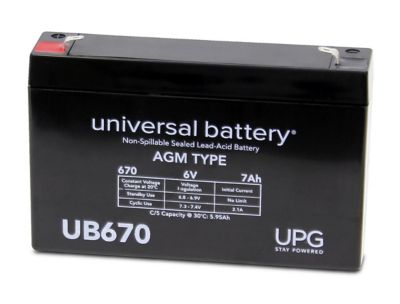
Fit involves more than getting a battery through the fixture’s access panel. The case or cell pack needs to sit securely in its designated space without crowding wiring, pressing against components, or interfering with the cover. Terminal style, connector shape, lead length, and polarity also matter. A wired plug that looks close to the original may have a different pin arrangement, and a flat terminal may differ in width from the connection already in the fixture. Matching the specified connection helps avoid improvised wiring or strain on the leads. Electrical ratings deserve the same attention. Voltage must match the equipment requirement, while capacity, commonly expressed in amp-hours or milliamp-hours, describes how much charge the battery can hold under stated conditions. A larger capacity number does not automatically mean a suitable replacement or a guaranteed increase in operating time. The charger, lamp load, battery chemistry, and fixture design all affect performance. Many commercial egress applications call for at least 90 minutes of emergency operation, but the fixture listing and applicable local requirements determine the needed performance. A capacity rating alone does not establish compliance. Construction also varies across battery families. Sealed lead-acid batteries contain lead-based plates and electrolyte inside a closed case, while nickel-cadmium packs commonly group rechargeable cells together with an outer covering and attached connections. Both require the handling and charging conditions specified for their design. Sealed batteries are intended to remain closed, not to be opened or refilled. Cracked cases, swelling, leakage, or damaged connections are reasons to have the battery and fixture evaluated rather than put back into service without further attention. A protected battery compartment and secure mounting help keep the assembly properly positioned during everyday building activity, including vibration around busy work areas. For hardwired equipment, battery replacement may also involve access to energized components, making trained maintenance personnel or a qualified electrician the appropriate choice when the work calls for electrical knowledge.
Long service life depends on the condition of the whole fixture, not just the replacement battery. A charging fault, damaged connector, or failing lamp can leave an emergency light short of its intended performance even after a new battery is installed. Routine inspections and functional testing help reveal those problems before an outage turns a familiar hallway into a dark passage. A brief test can show whether the light switches to battery power, while a full-duration test evaluates whether it can keep operating for the required period. Testing schedules and procedures should follow the equipment instructions and applicable building requirements, with enough recharge time afterward for the battery to return to readiness. A charge indicator can be helpful, but an illuminated indicator by itself does not establish that the battery will support the required runtime. Dated maintenance records make it easier to track installation, test results, and replacement needs across a barn office, storage building, service shop, or other work space. Keeping the fixture housing intact, the light heads properly positioned, and the sign face clear also supports the job the battery is there to do. For spaces that need everyday illumination rather than a designated emergency system,
Battery Powered Ceiling Lights offer a separate lighting category; a ceiling fixture that runs on batteries is not automatically a substitute for a listed emergency light or exit sign. The distinction matters in buildings where people need a clearly marked way out, including visitors who may not know the layout. At replacement time, spent rechargeable batteries belong in an appropriate battery recycling program, with handling based on their chemistry and local rules. Careful matching, sound connections, and documented testing keep the focus where it belongs: a battery and fixture working together to provide the intended backup lighting when normal power is interrupted.