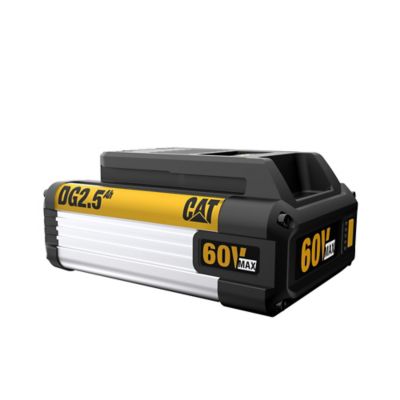
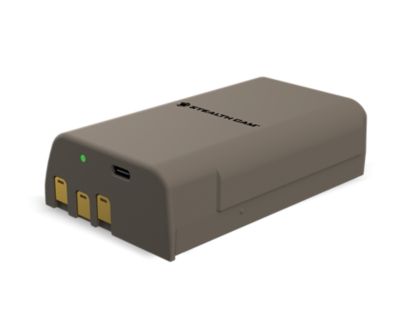
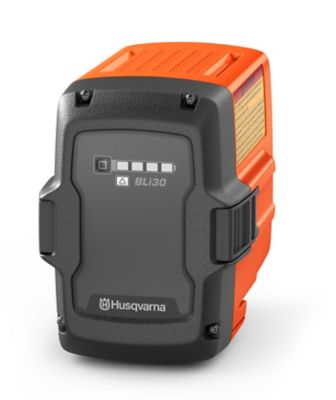
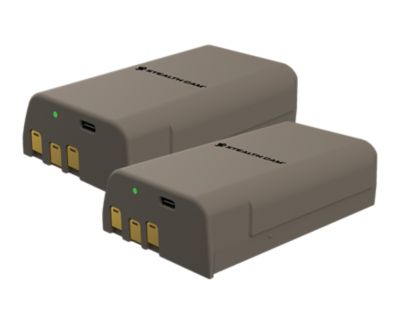
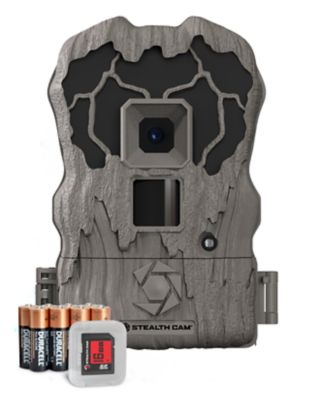
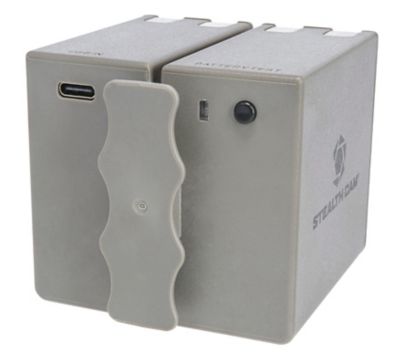
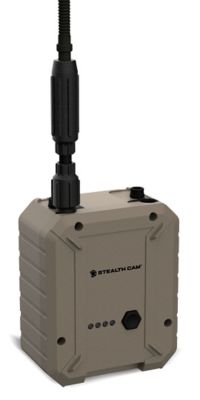
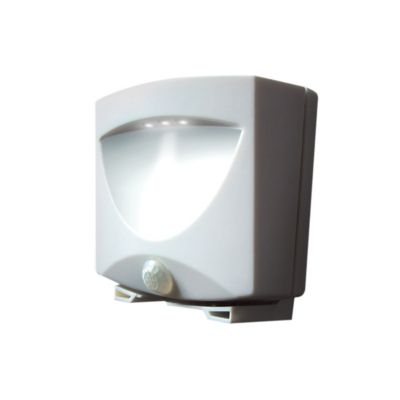
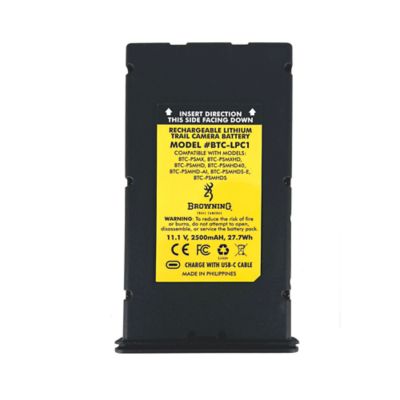
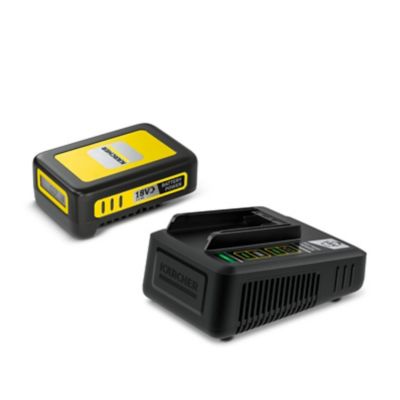
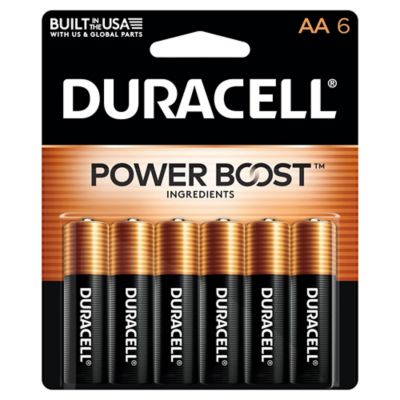
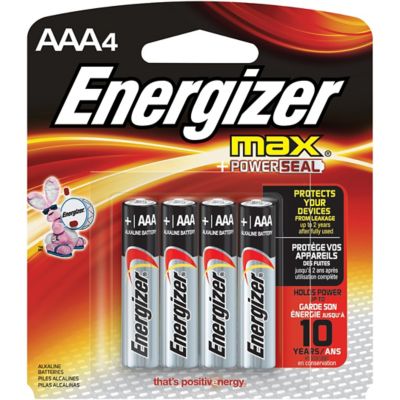
Outdoor batteries help keep the gear around your home, campsite, property and travel setup ready when an outlet is nowhere close by. The right choice depends first on what you need to power and how you plan to use it. Small rechargeable AA and AAA batteries are a handy fit for headlamps, flashlights, trail cameras, wireless weather stations, solar garden lights and other everyday outdoor equipment. They can be recharged many times, which makes them useful for regular chores and a practical option for anyone trying to cut down on disposable batteries. For equipment that needs more portable power, a rugged power bank can charge phones, GPS units, cameras and other USB devices while hiking, camping, fishing or working away from the house. Look for capacity measured in milliamp hours or watt-hours, along with the number and type of charging ports you need. A higher capacity generally means more stored energy, but it can also mean a larger, heavier battery pack. Weather resistance matters outdoors, too. Water-resistant or waterproof ratings, sealed covers, a tough outer case and protection against drops can help a battery handle damp grass, dusty truck beds, sudden showers and the general bumps that come with life outside. An outdoor battery makes a thoughtful gift for campers, hunters, anglers, gardeners, travelers, emergency-preparedness minded family members and anyone who spends long days on the job. Even a small rechargeable set can be useful in a cabin, barn or garage, especially when a cold evening sends everyone looking for a flashlight.
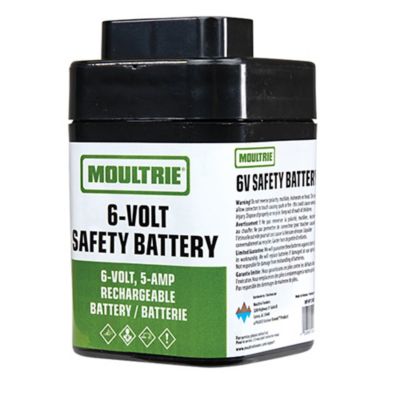
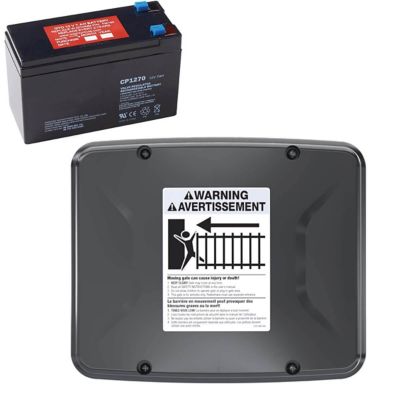
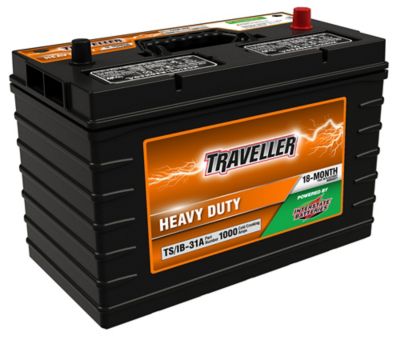
For larger equipment, deep-cycle batteries are built to provide steady power over longer periods rather than a quick burst just to start an engine. They are commonly used in RVs, boats, trolling motors, off-grid solar systems, electric fences, portable work setups and backup power arrangements. When comparing these outdoor batteries, match the battery voltage to the equipment and consider amp-hour capacity, which indicates how much energy the battery can store over time. A higher amp-hour rating may support longer runtime, though actual performance depends on the load, temperature, wiring, age and condition of the battery. Lithium iron phosphate, often called LiFePO4, is popular for many deep-cycle applications because it offers a long service life, steady output and less weight than many traditional battery types. Built-in battery management systems can help monitor charging, discharge, temperature and other operating conditions, adding an extra layer of protection when the battery is used correctly. Lead-acid options remain useful for many farm, marine, RV and backup applications, so the best fit comes down to the equipment, available space, expected runtime and budget. Check the manufacturer’s guidance for charger compatibility, maximum charging current and installation requirements before connecting anything. A battery that fits in the compartment is not necessarily a suitable match if the terminals, chemistry, voltage or charging system do not line up. For more options to compare across everyday and heavy-duty uses, browse
Quality Batteries and pay close attention to the specifications listed for each application.
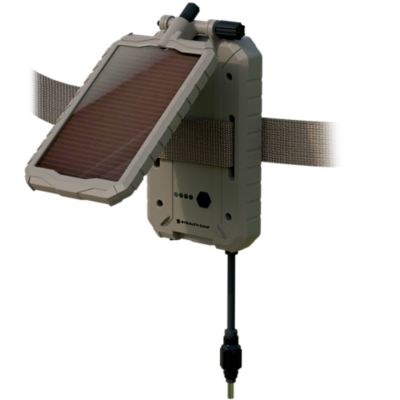
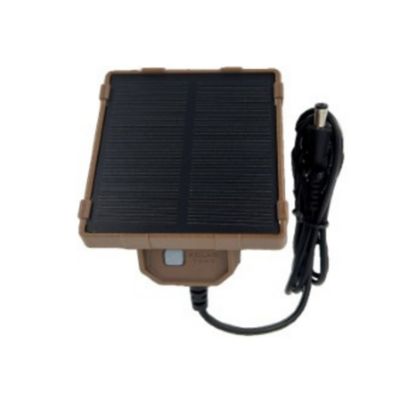
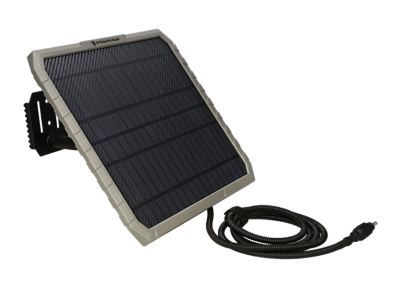
Outdoor conditions can change battery performance, so storage and care deserve just as much attention as capacity. Cooler weather may reduce the available runtime of some battery types, while heat can shorten service life if a battery is left in direct sun, a closed vehicle or an unventilated shed. Store batteries in a dry location away from sparks, open flame, moisture and extreme temperatures, and keep rechargeable batteries topped up according to the manufacturer’s instructions rather than letting them sit completely drained for long periods. Before heading to the hunting blind, loading the boat or checking fence lines, inspect cables, connectors and terminals for wear, corrosion or loose connections. Use the correct charger for the battery chemistry, and do not rely on a charger meant for one type of battery to charge another. Portable power banks and small rechargeable cells should be protected from crushing, punctures and water intrusion, even when they carry a weather-resistant rating. Deep-cycle batteries may need secure mounting so they do not slide or tip during travel over gravel roads or rough water. Solar setups also require a compatible charge controller and wiring sized for the expected load. Taking a few minutes to check capacity, operating temperature, weather protection, charging needs and physical fit can prevent a dead battery from cutting short a trail-camera check, a weekend at the lake or a long afternoon of chores. With the right outdoor batteries on hand, phones stay charged, lights come on, equipment runs longer and dependable power is close by wherever the work or adventure leads.