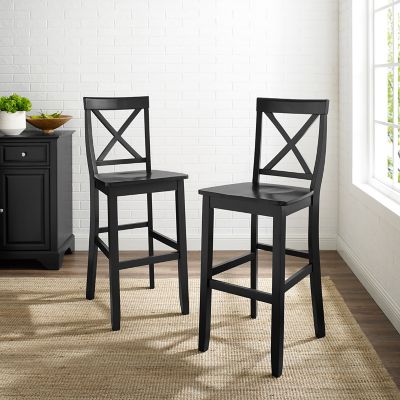
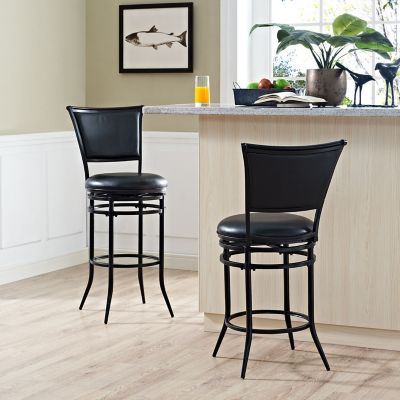
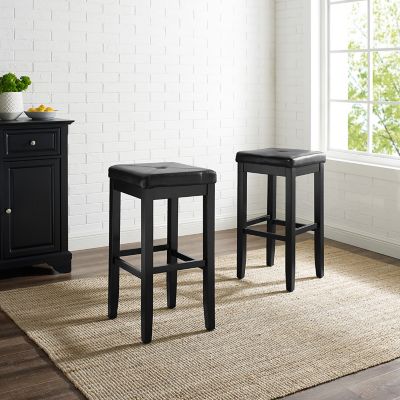
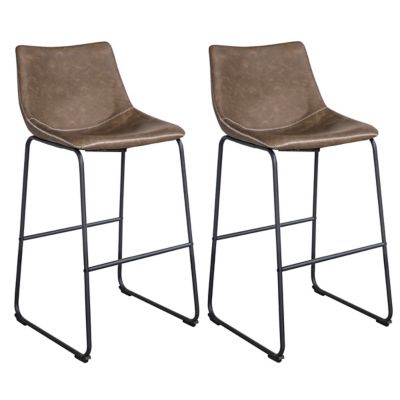
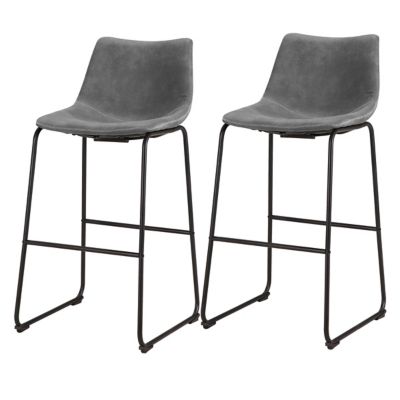
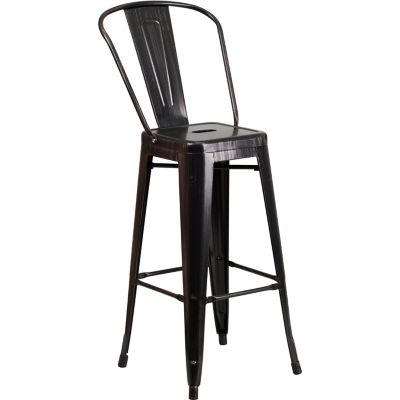
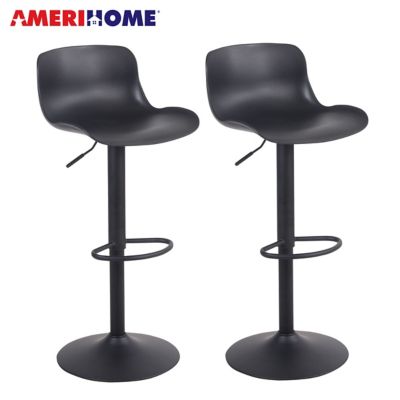
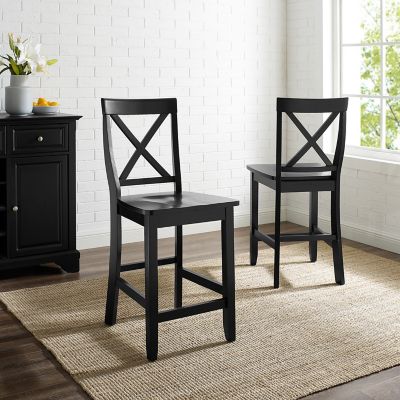
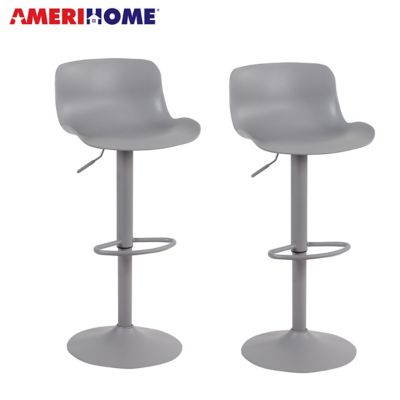
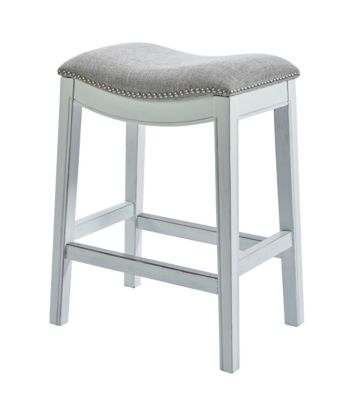
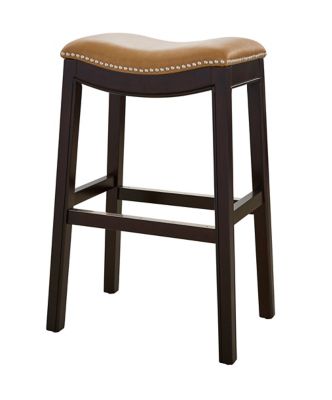
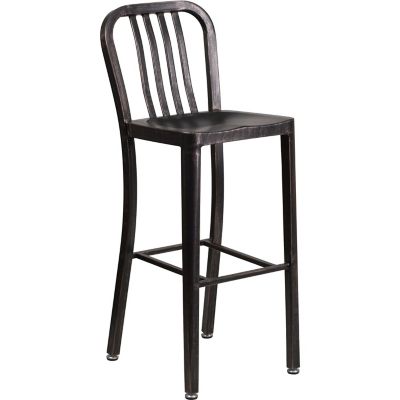
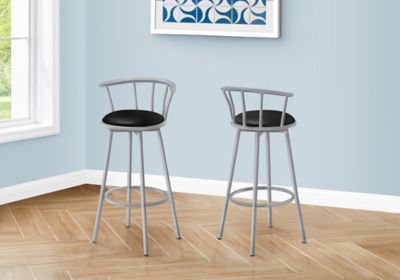
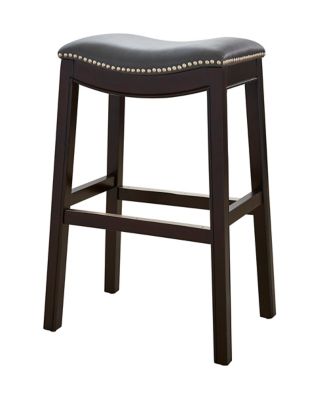
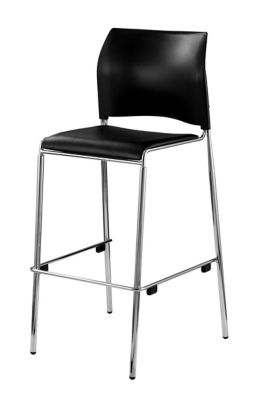
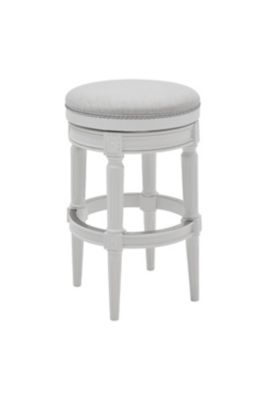
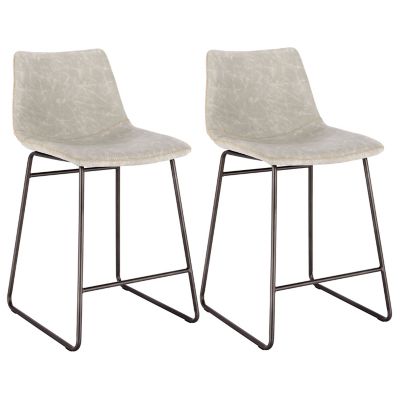
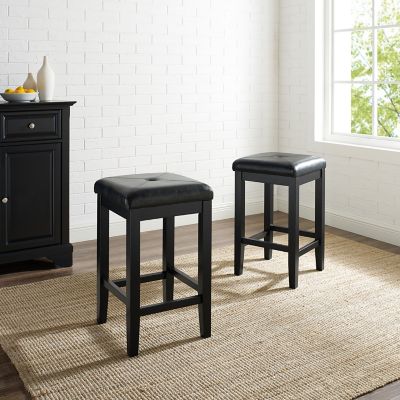
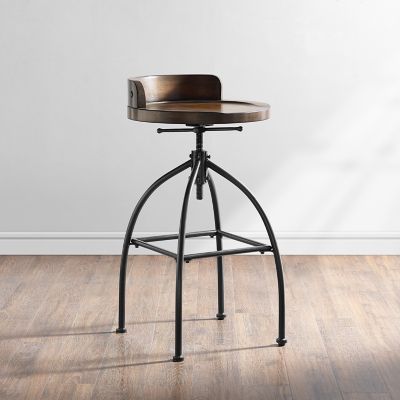
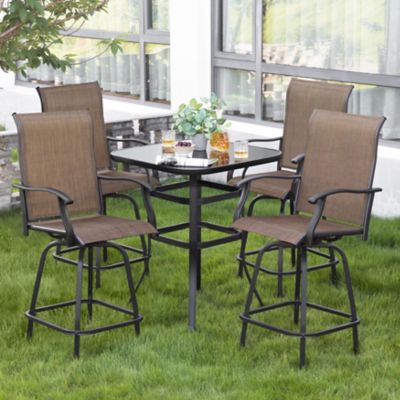
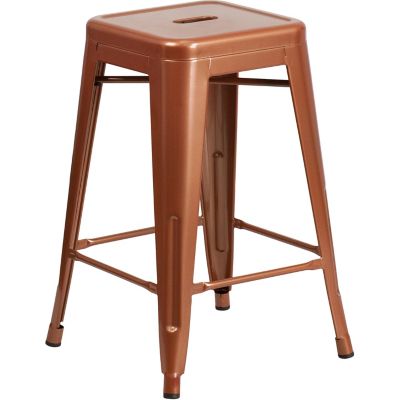
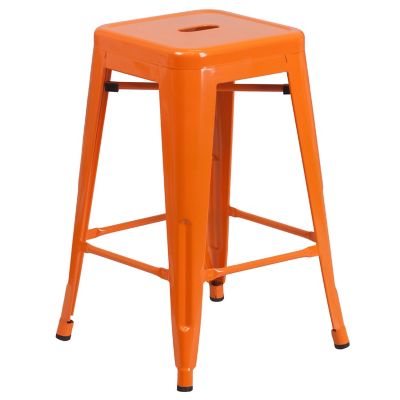
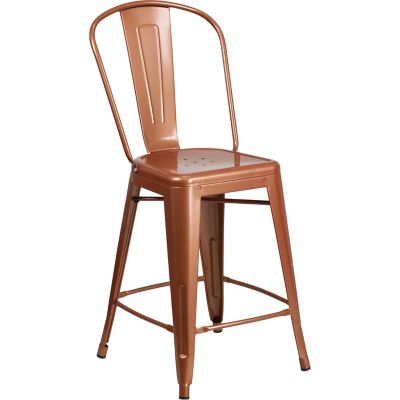
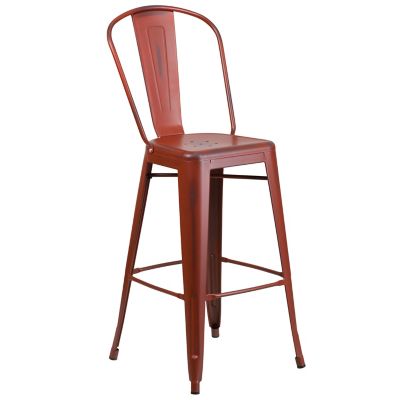
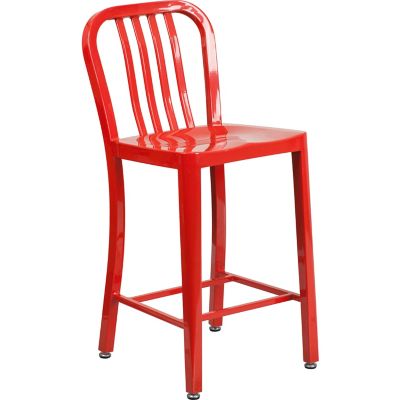
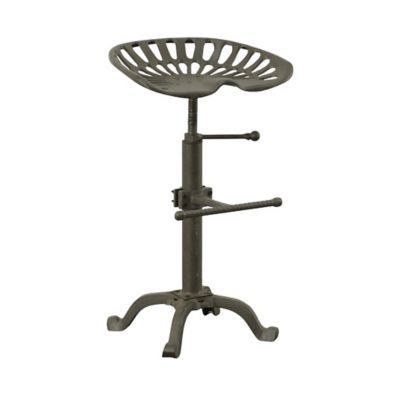
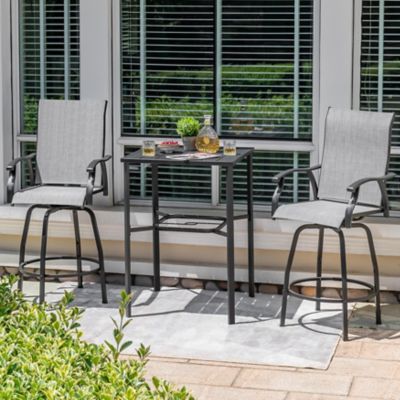
Bar stools for bar height tables typically have seats 28 to 30 inches high to pair with tabletops measuring 40 to 42 inches from the floor. That taller profile sets them apart from counter stools, which generally have 24- to 26-inch seats for counters around 34 to 36 inches high. Getting that distinction right makes a difference at breakfast, over a card game or when neighbors pull up a seat for a visit. A seat roughly 10 to 12 inches below the tabletop generally leaves comfortable room for legs, though a thick top, low apron or support rail can reduce the space underneath. The seat height listed for a stool refers to the distance from the floor to the sitting surface, not the top of its back. Upholstered seats may also settle slightly under weight, so the overall fit depends on more than the tallest measurement in the description. Seat width, table legs and the distance between stools all affect how comfortably people can sit together. Allowing around 24 to 30 inches of table edge per person is a useful starting point, with wider seats, arms and swivel movement calling for more room. At a narrow table, a slim stool can leave more elbow space than a broad chair-style design. Around a larger gathering table, a deeper seat and supportive back can make a long supper feel less cramped. A stool also needs enough room behind it for someone to get seated without blocking the path to a doorway or cabinet. Bar-height seating works well in a kitchen dining nook, a recreation room or a gathering spot beside a home bar, but the best fit still comes down to the people sitting there and the space around them. A tall table should feel like a comfortable place to settle in, not a perch that leaves knees pressed against the underside or feet searching for support.
Materials give bar stools much of their character, while the frame, joints and finish determine how they handle everyday activity. Wood brings visible grain and a familiar feel that sits comfortably alongside plank tabletops, painted cabinets and farmhouse furnishings. Solid wood frames can take on small marks over time, and the finish influences how easily those marks blend in or stand out. Painted wood offers a different look, though foot rails and seat edges can show wear where boots and clothing rub. Metal frames often have a slimmer profile, leaving more open space beneath a table and making it easier to tuck seating out of the walkway. Welded joints, cross braces and firmly attached footrests contribute to a steady feel; the material alone does not tell the whole story. Weight capacity matters as well, particularly in a household where the same seat serves several family members and visiting friends. A broad base helps support taller seating, while floor glides can limit scraping and help protect hard flooring. Wood or metal seats are practical around quick meals because their surfaces generally wipe clean without much fuss. Upholstered seats add cushioning for longer visits, with fabric texture, seam placement and the care label all worth considering around crumbs and spills. Some coverings call for spot cleaning, while others tolerate a damp cloth; soaking a seat or reaching for a strong cleaner can harm the finish or covering. Spills wiped up promptly are less likely to leave marks, and grit cleared from foot rails and floor glides can help prevent scratches. Fasteners may need occasional tightening as stools move across the floor and people shift their weight. A steady stool should sit evenly without rocking, so level flooring and properly adjusted feet matter just as much as a sturdy frame. These everyday details help bar-height seating hold up to family meals, homework breaks and the steady traffic of a busy kitchen.
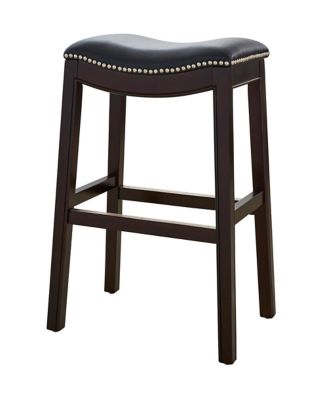
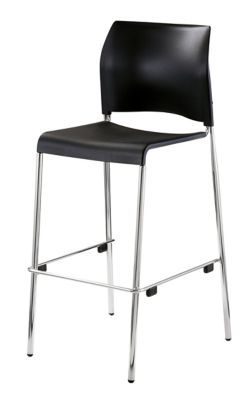
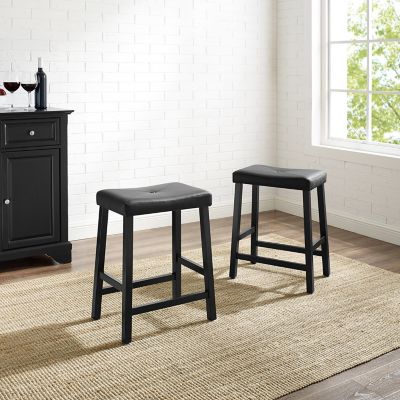
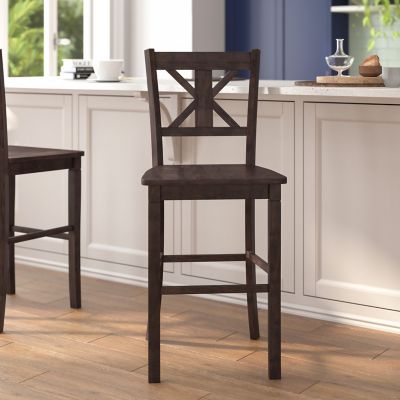
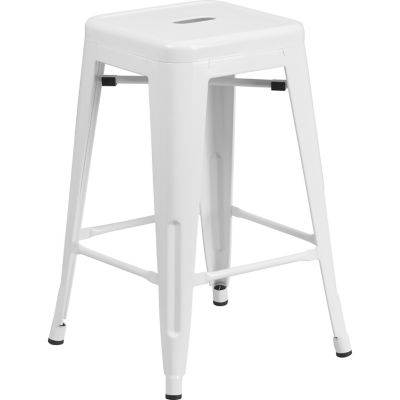
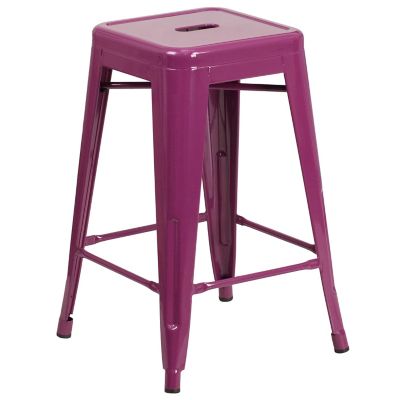
Seat shape and back style influence whether a stool suits a quick cup of coffee or an evening spent catching up. Backless bar stools keep sightlines open and can slide farther beneath a table when their dimensions allow, making them a good fit where the dining area shares space with the kitchen. Low backs offer some support without rising far above the tabletop, while taller backs provide more contact for someone who likes to lean back between bites. A contoured seat can feel different from a flat one even when both measure the same width, and a rounded front edge may put less pressure behind the knees. Footrests are especially helpful at bar height because most people cannot rest their feet on the floor. Their height and placement affect comfort, particularly for shorter adults, so a well-positioned rail is more than a finishing detail. Arms can provide a comfortable place to rest elbows, but they also need clearance beneath the table if the stool is meant to tuck in. Swivel seats make turning toward a conversation easier, though they need space to rotate without striking the tabletop, another chair or a nearby wall. Stationary stools keep movement simpler and may suit a compact arrangement better. Pairing seating with
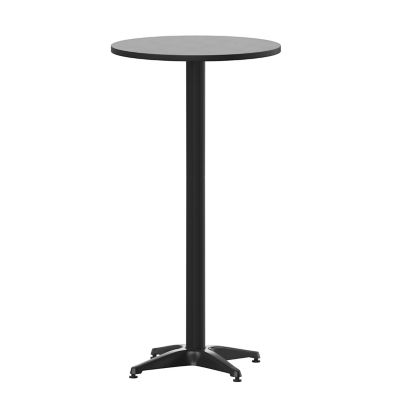
Bar Height Round Tables creates a gathering spot where everyone can face toward the center, but the table’s base still affects legroom. A pedestal can open up the perimeter, while splayed legs or a wide lower support may compete with stool feet. Matching finishes are not essential: wood seats can soften the look of a metal table, and dark frames can give a light tabletop a grounded feel. What matters most is that the heights work together, the seats feel welcoming and there is enough room to move. Thoughtfully matched bar stools turn a tall table into a practical place for an early breakfast, a shared snack or a long conversation after the dishes are cleared.