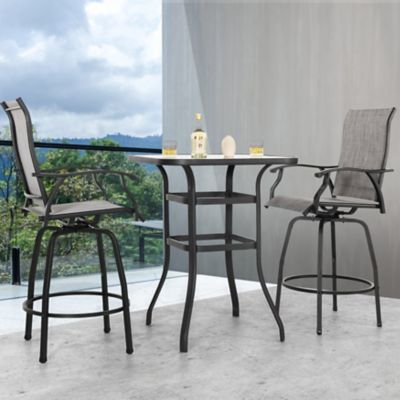
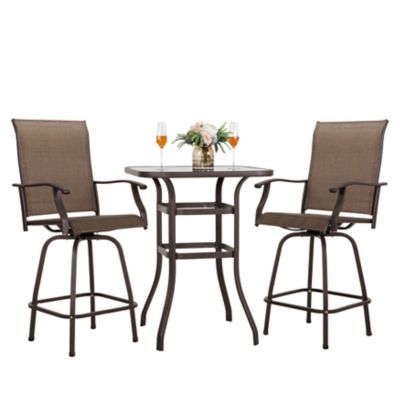
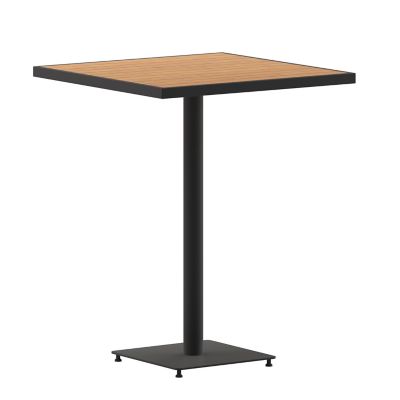
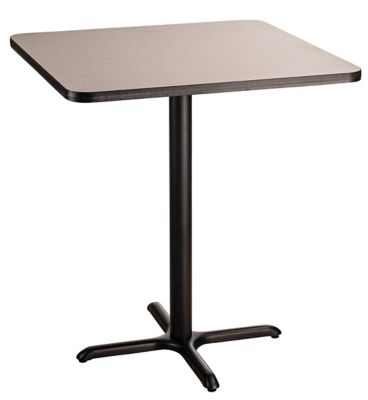
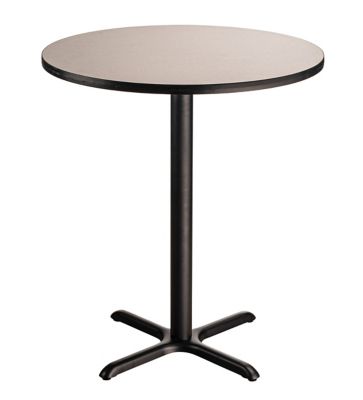
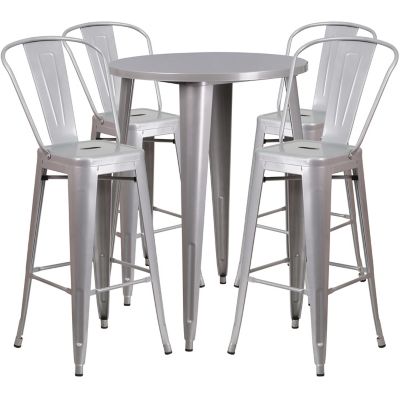
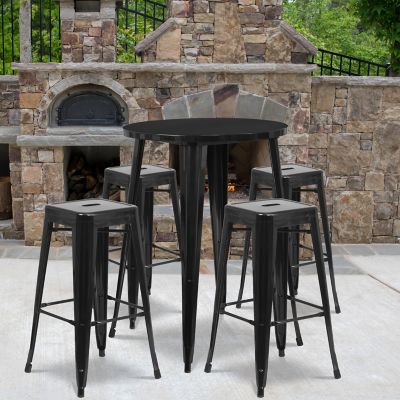
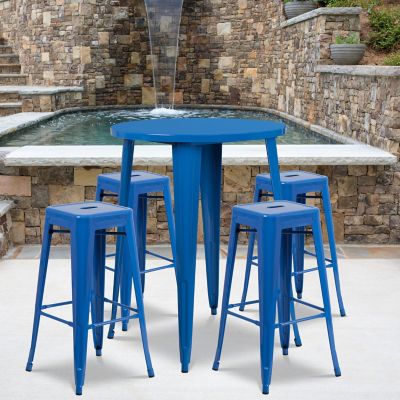
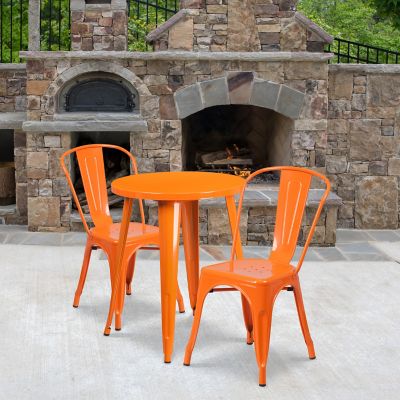
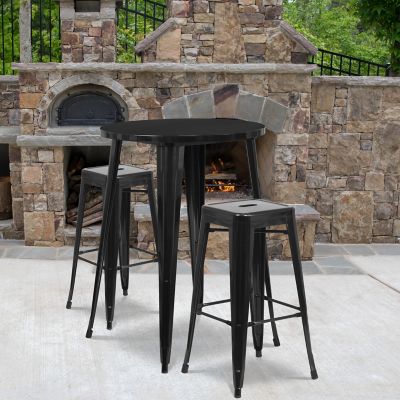
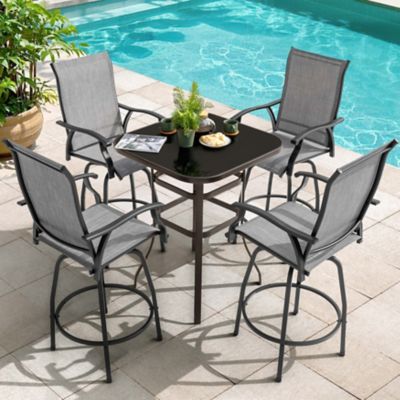
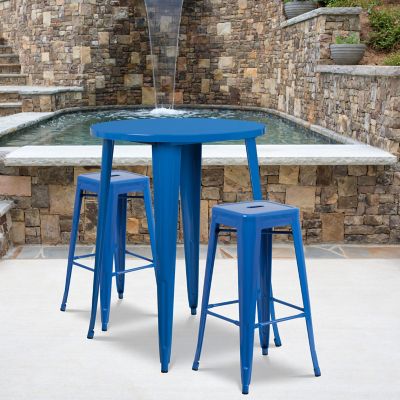
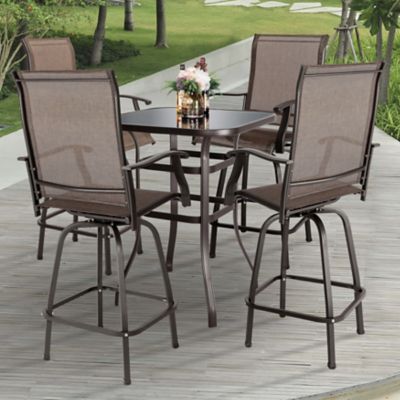
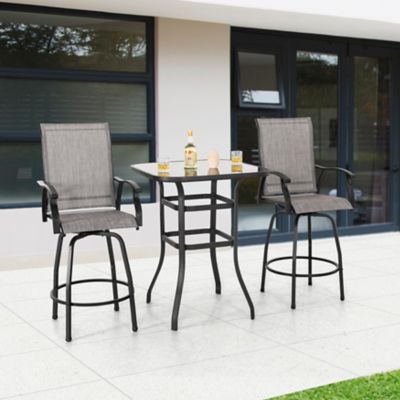
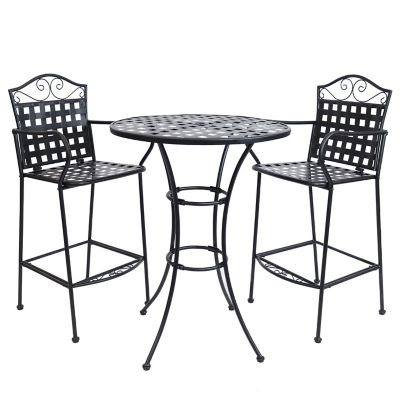
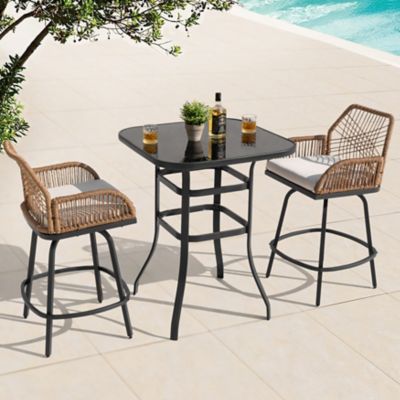
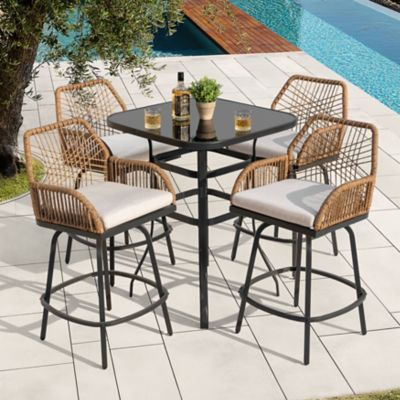
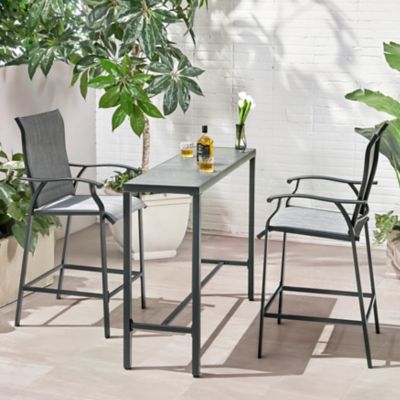
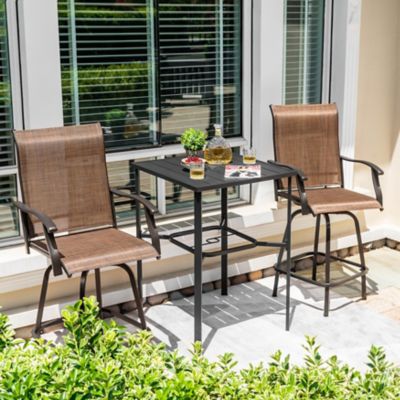
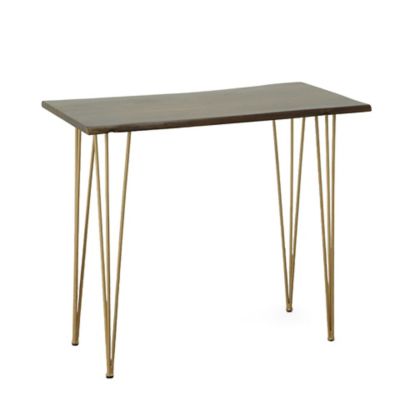
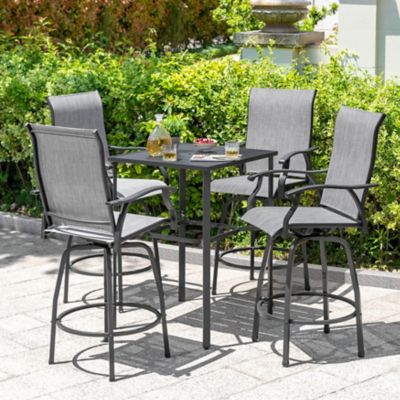
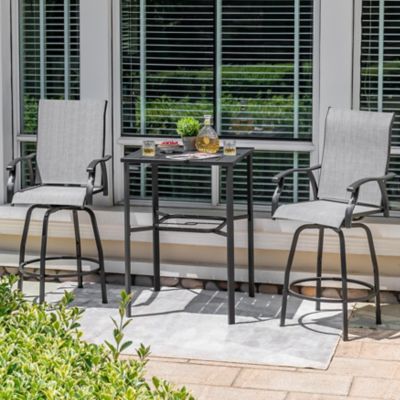
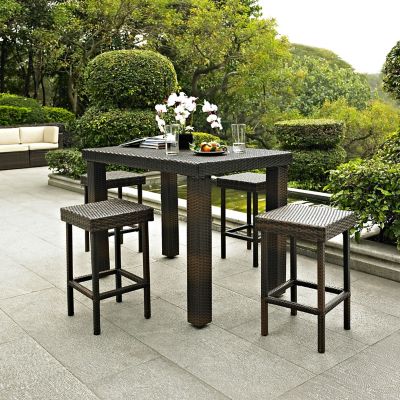
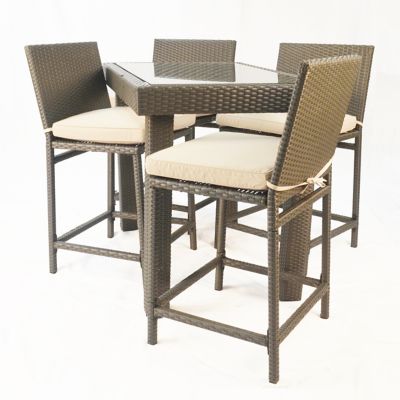
Bar height dining table sets bring a little gathering-place feel to a kitchen nook, dining area, or open corner beside the living room. The taller table puts seated guests closer to standing conversation height, making it a comfortable spot for coffee before chores, a sandwich at midday, or a card game after supper. A matching table and stools also give the space a pulled-together look without the work of pairing every piece separately. Bar height tables generally stand around 40 to 42 inches tall, noticeably higher than standard dining tables and a few inches above most counter height tables. That difference matters when fitting a set beside an island or choosing seating that lets everyone settle in comfortably. These sets suit adults and older teens who enjoy an elevated seat, though the climb onto a stool may be less convenient for small children or anyone who has trouble stepping up. In a smaller home, a two-seat arrangement can turn an overlooked corner into a real place to eat instead of balancing a plate on the couch. A larger arrangement gives family and friends room to share a meal, spread out a board game, or linger over conversation. Round tops keep everyone facing toward the middle and leave no sharp corners jutting into a tight walkway, while square tops can sit neatly in a compact nook. Rectangular tables often make sense along a wall or in a longer room, with more space down the center for serving dishes. The base helps shape the feel, too: a pedestal can free up space around the edge, while a four-leg frame gives the table a familiar farmhouse look. An open frame keeps sightlines clear across a room; a more substantial base makes the dining area feel firmly anchored. Either way, the best fit leaves enough room for daily life to carry on around it, from carrying groceries inside to bringing a full platter to the table.
Materials and construction play a big part in how bar height dining table sets look, feel, and hold up to everyday meals. Solid wood brings visible grain and a warm, natural character that fits comfortably alongside plank floors, painted cabinets, and well-loved household furniture. Wood veneer provides a real wood surface over another core material, while laminate surfaces can offer a consistent finish that is often straightforward to wipe down, depending on the manufacturer's care directions. Metal frames lend a simpler, workshop-inspired look and can pair well with either wood-look tops or solid wood. Glass tops keep a small dining area visually open, though fingerprints, crumbs, and smudges tend to show more readily. Beyond appearance, the table's stance matters. Taller furniture needs a steady base, secure connections, and a level resting place, especially where someone might lean an elbow on the edge while talking. Crossbars and stretchers can help brace a frame, but their placement also affects foot space and how far stools tuck underneath. A broad tabletop does not always mean generous seating room if thick legs or supports occupy the space below. For shared meals, roughly 24 inches of table edge per person is a useful starting point, with extra elbow room welcome for wider seats or larger place settings. A clear path of about 36 inches around the table is another common planning allowance, although an active walkway behind occupied stools may need more. In a kitchen where the refrigerator, pantry, and back door all get regular traffic, that breathing room makes a difference. Rounded edges may feel more forgiving in close quarters, and a smooth top gives plates and glasses an even resting surface. Weight limits, assembly requirements, and floor-contact details are worth checking as well. Protective pads beneath the feet can help spare finished floors from scuffs, provided they suit both the furniture and the flooring. A set that sits squarely and leaves room to move feels more welcoming than one that fills every available inch.
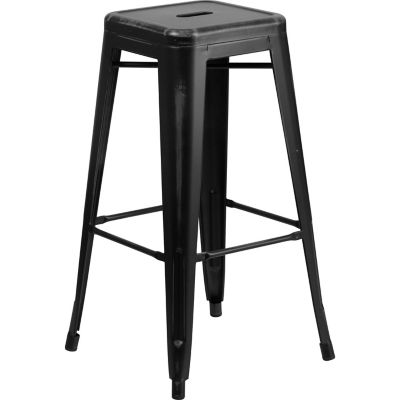
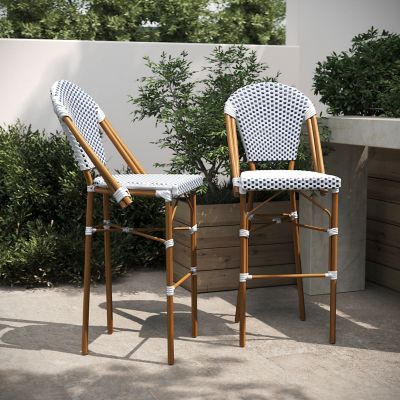
Seating is where the height of the table becomes an everyday comfort decision. Bar height stools commonly have seats around 28 to 30 inches high, but the actual table measurements matter more than the category name alone. Many arrangements work well with roughly 10 to 12 inches between the seat and the underside of the tabletop, with any apron or support rail taken into account so knees have room. A footrest is especially helpful at this height because most seated adults cannot rest their feet flat on the floor. Backrests offer support during longer meals, while backless stools can tuck away more completely and keep a small room feeling open. Upholstered seats add cushioning for an evening of dominoes or a long catch-up with neighbors; smooth, nonupholstered seats make stray crumbs and small spills easier to spot and wipe away. Swivel seats can make getting in and out less awkward, though they need clearance from walls and nearby furniture. Arms take up additional width and may prevent a stool from sliding under the table, so both seat height and arm height affect the fit. When expanding a seating arrangement or matching a separate gathering spot,
Bar Stools for Bar Height Tables offer another way to coordinate seating height, back support, and frame style. Day-to-day care helps keep the whole dining set ready for the next meal. Promptly wiping up spills, setting hot dishes on trivets, and placing coasters beneath drinks can help protect finishes; cleaning methods should always match the surface and the manufacturer's instructions. Upholstery benefits from attention to its care label, and hardware may need an occasional check as part of normal upkeep. Chairs and stools should remain on all their feet rather than tipped back, and a dining stool is not a substitute for a step ladder. With comfortable seating, practical surfaces, and room for people to come and go, a bar height dining set can become an easygoing part of the household routine—a place for a quick bite, a full meal, and good company.