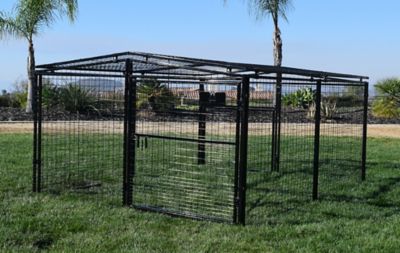
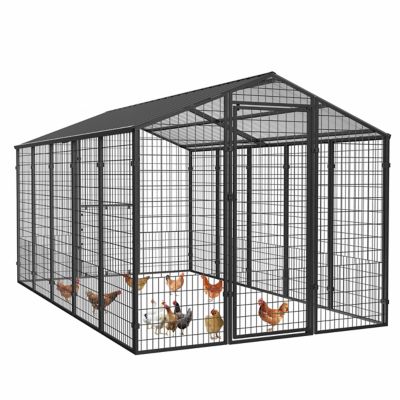
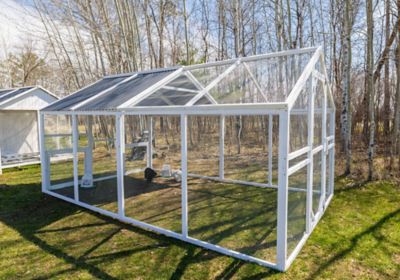
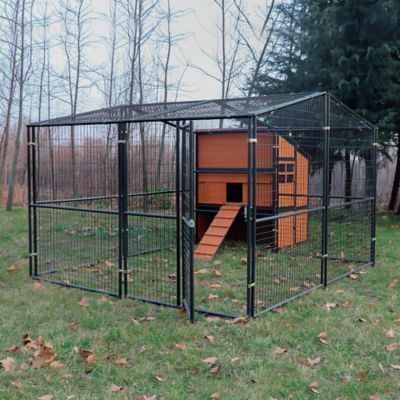
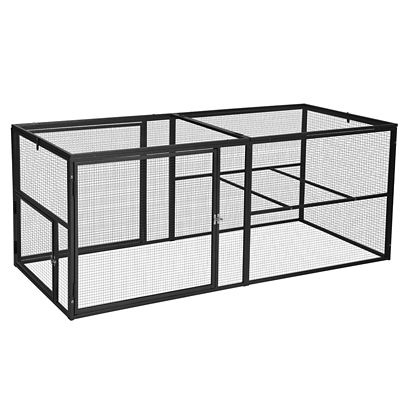
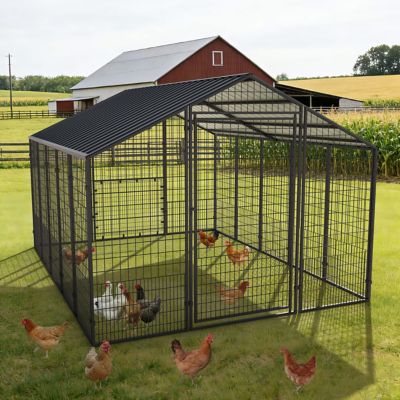
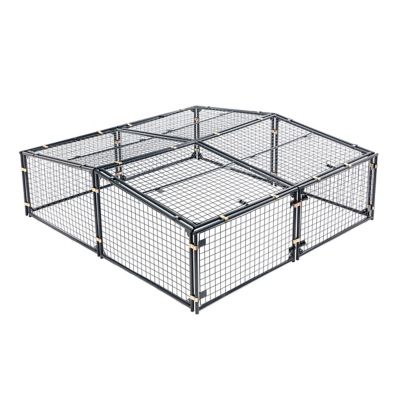
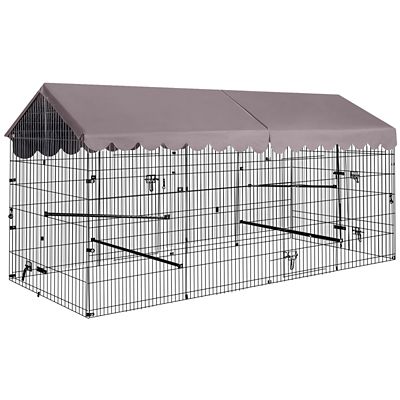
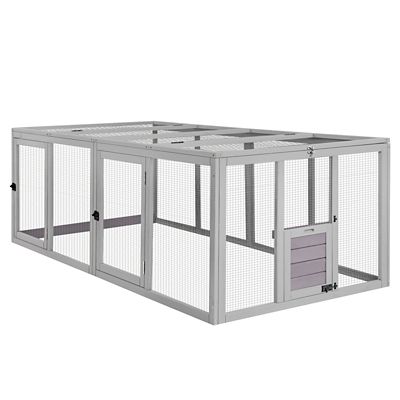
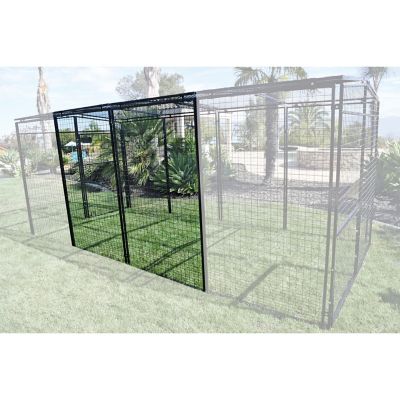
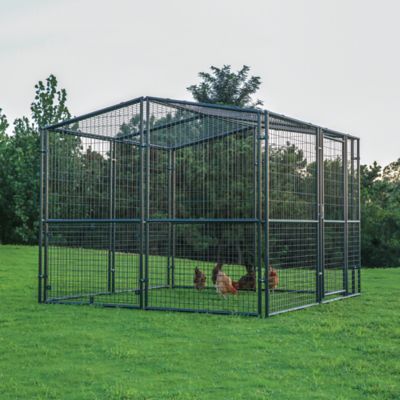
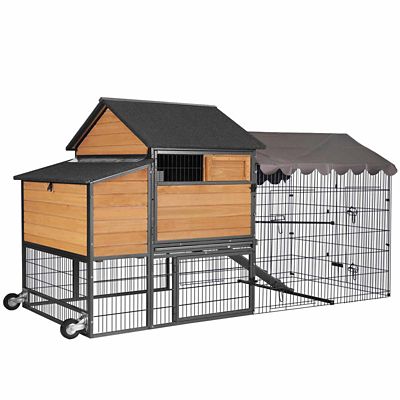
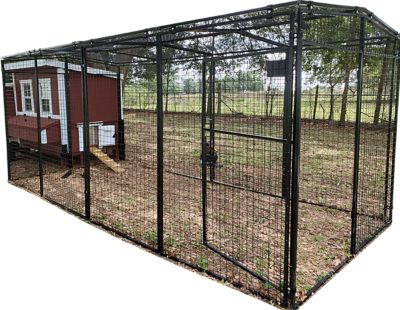
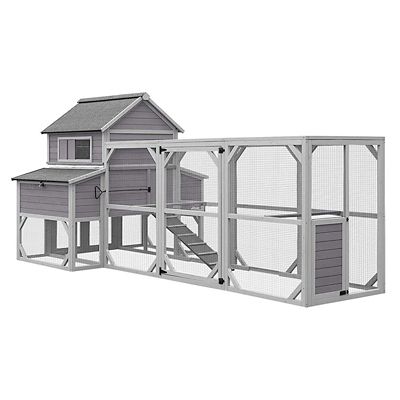
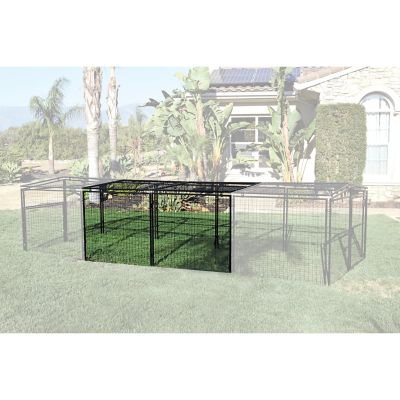
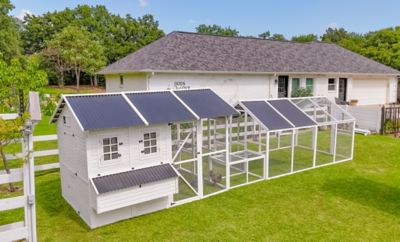
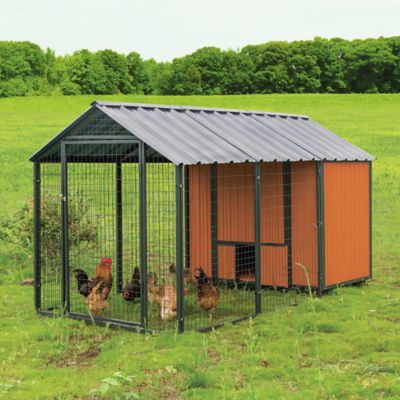
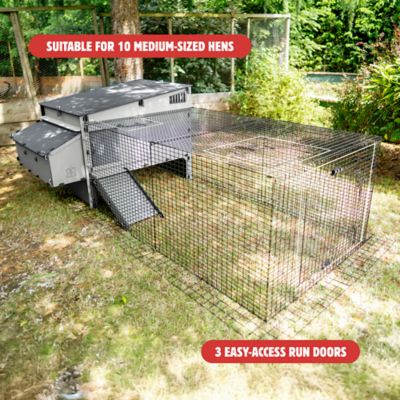
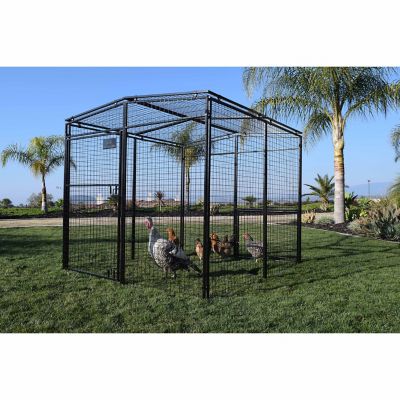
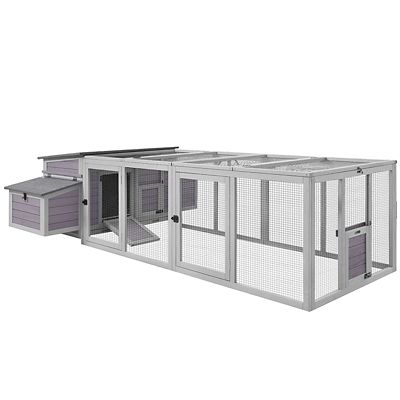
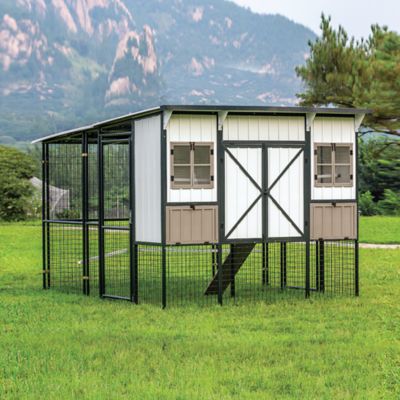
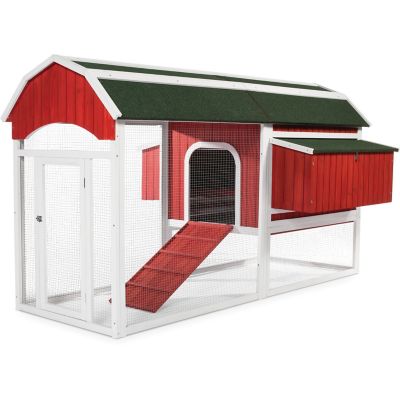
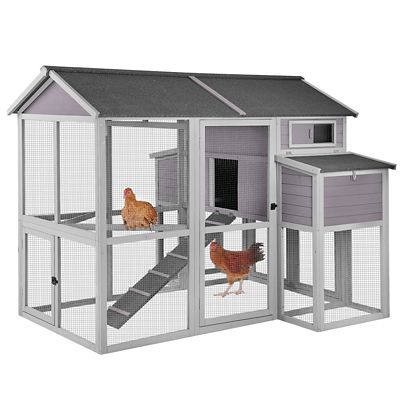
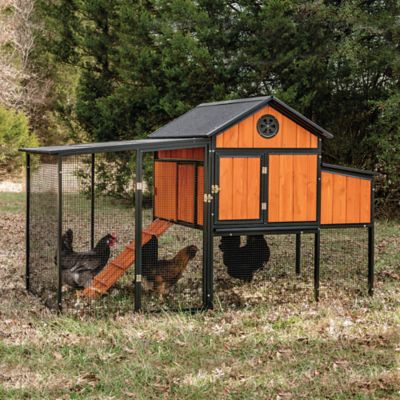
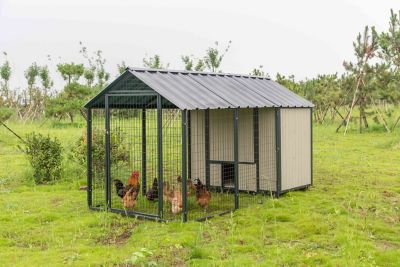
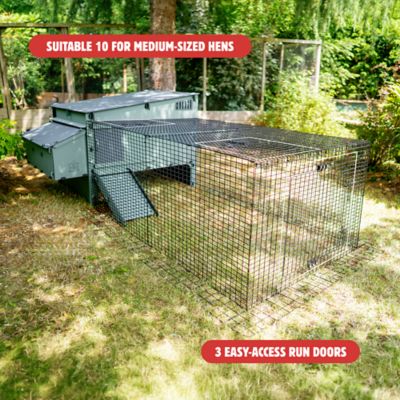
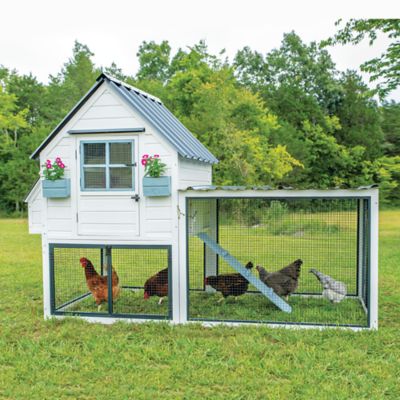
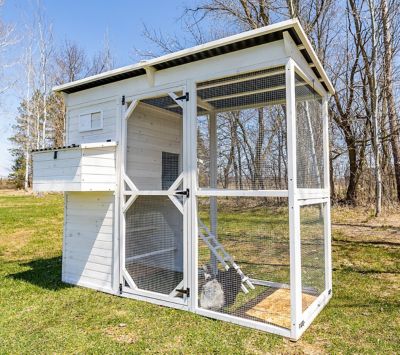
Large chicken runs give a flock room to scratch, stretch, dust-bathe and follow the sun without wandering into garden beds or open pasture. They’re a practical choice for backyard keepers, homesteaders, small farm families and anyone raising more than a few hens. When choosing a run, start with the number of birds and give them as much space as your property allows. A useful rule of thumb is about 8 to 10 square feet of run space per chicken, with more room helping reduce crowding, boredom and pecking-order trouble. Six chickens may do well with roughly 48 to 60 square feet at a minimum, while a flock of 20 often needs 160 to 300 square feet or more for comfortable daily use. Hens that have room to roam tend to spend more time scratching through leaves, pecking at scattered treats and moving naturally instead of bunching together around the feeder. If you’re building a new setup from scratch, large chicken runs can be paired with a separate coop, or you can browse
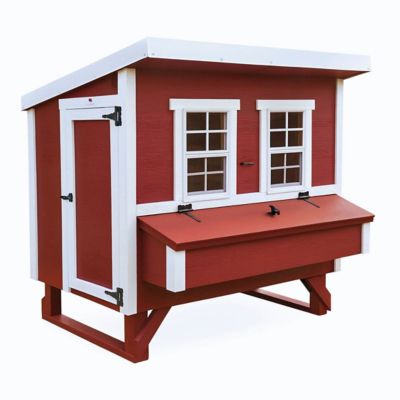
Chicken Coops With Run Included for an all-in-one option. A walk-in design is especially handy for larger flocks because it gives you space to carry feed, refill waterers, gather eggs and rake out bedding without stooping or crawling. Look for a height that feels comfortable for the people who will use it, along with wide, secure doors and dependable latches. Modular panels are useful when your flock may grow, since sections can often be rearranged or added to suit a changing layout. They also make it easier to divide birds during introductions, isolate a hen that needs extra care or create a separate area for pullets. Before choosing a size, measure the level ground available and think about the path between the coop, run and feed storage. A convenient setup gets used and maintained more consistently, especially on muddy mornings or during the cooler months.
Strong construction matters just as much as square footage. Chicken wire can help contain birds, but it is not the best stand-alone barrier against determined predators. For better protection, look for runs made with sturdy welded wire or hardware cloth, a rigid frame and closely spaced openings that make it harder for raccoons, dogs and other animals to reach through. Hawks and owls may also be a concern in open country, so a covered top can help protect the flock from above while offering shade and shelter. A weather-resistant roof or tarp section gives chickens a dry place during passing rain and relief from direct summer sun, while still allowing good airflow through the enclosure. Avoid sealing the run so tightly that heat and moisture build up; fresh air is important in every season. A predator apron, skirt or buried section around the outside edge adds another layer of security by discouraging animals from digging under the fence. On uneven ground, pay close attention to gaps at the bottom and anchor the frame so wind, curious livestock or an active flock cannot shift it out of place. Gates should close firmly and be easy for you to operate, but difficult for a raccoon to lift or manipulate. Inside the run, plan for a dry feeding area, clean water, dust-bathing space and a few simple perches or objects to explore. Natural ground works well when it drains properly, though high-traffic areas may benefit from gravel, sand or another surface that stays manageable after wet weather. During periods of heat, shade cloth and extra water access can make a noticeable difference; when temperatures drop, keep the coop itself draft-free while allowing the run to remain ventilated. Large chicken runs also make thoughtful gifts for new homesteaders, families getting their first hens or experienced keepers expanding a backyard flock. The right enclosure can turn an open patch of yard into a safer, livelier space where chickens can forage and exercise through changing weather, while giving the caretaker a practical place to tend the flock day after day.