Fourth Of July Sale On Backyard Garden Party Essentials
Get your backyard ready for summer fun with the Backyard Garden Party Essentials Fourth Of July Sale. Whether you’re planning a big barbecue, a cozy family cookout, or just want to spruce up your outdoor space, you’ll find everything you need to celebrate in style. From festive décor to must-have supplies, it’s all right here to help make your Fourth of July gathering one to remember. Fire up the grill, invite the neighbors, and enjoy the season with savings on all your garden party essentials.
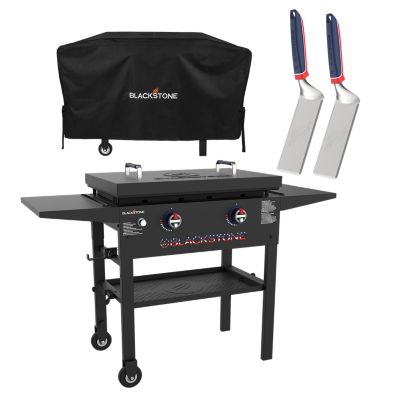
$329
.99
Sale Was $399.99 Save $70.00 (18%)
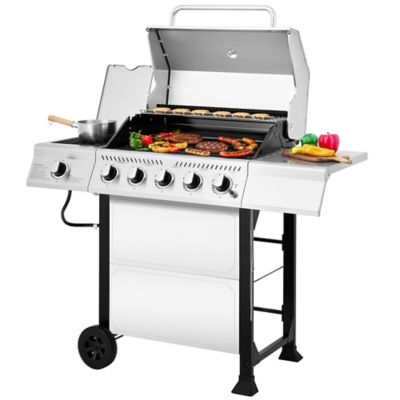
$280
.99
Sale Was $329.99 Save $49.00 (15%)

$263
.99
Sale Was $329.99 Save $66.00 (20%)
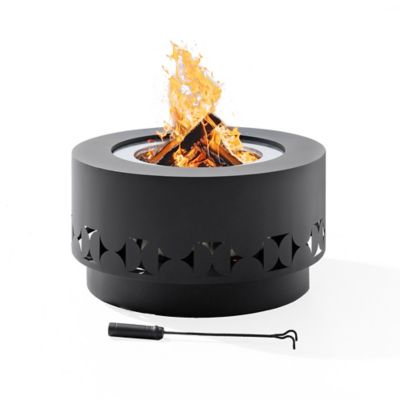
$159
.99
Sale Was $199.99 Save $40.00 (20%)
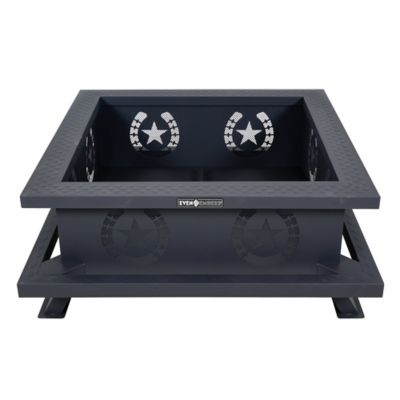
$229
.99
Sale Was $299.99 Save $70.00 (23%)
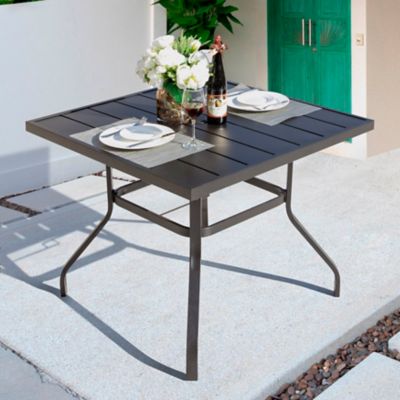
$86
.99
Sale Was $149.99 Save $63.00 (42%)
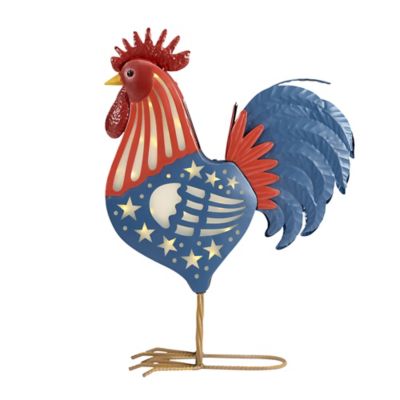
$14
.99
Sale Was $29.99 Save $15.00 (50%)

$141
.99
Sale Was $216.99 Save $75.00 (35%)
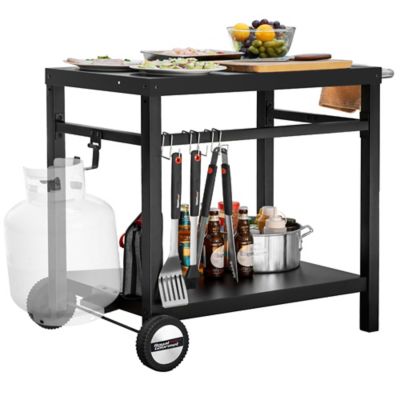
$116
.99
Sale Was $129.99 Save $13.00 (10%)
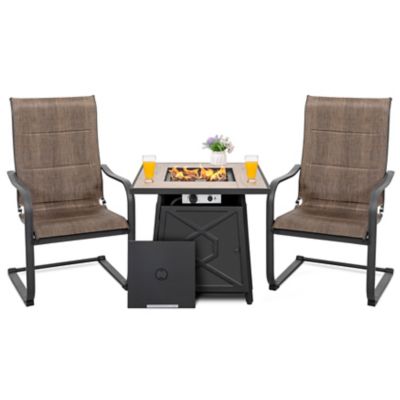
$289
.99
Sale Was $389.99 Save $100.00 (26%)
$24
.99
Sale Was $49.99 Save $25.00 (50%)
$406
.99
Sale Was $529.99 Save $123.00 (23%)



$189
.99
Sale Was $249.99 Save $60.00 (24%)
$131
.99
Sale Was $184.99 Save $53.00 (29%)

$382
.99
Sale Was $492.99 Save $110.00 (22%)

$677
.99
Sale Was $852.99 Save $175.00 (21%)

$927
.99
Sale Was $1,088.99 Save $161.00 (15%)
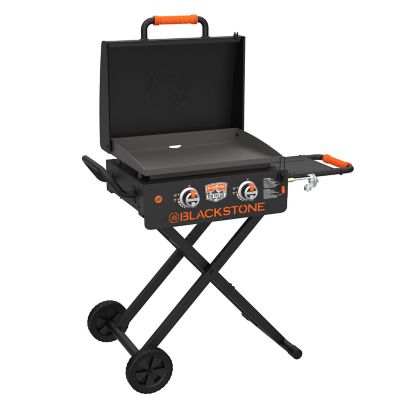
$249
.99
Sale Was $299.99 Save $50.00 (17%)

$260
.00
Sale Was $325.00 Save $65.00 (20%)
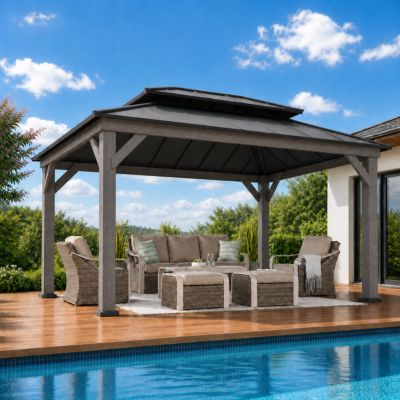
$1,699
.99
Sale Was $2,599.99 Save $900.00 (35%)
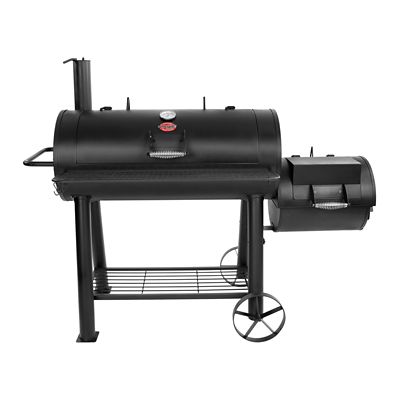
$299
.99
Sale Was $399.99 Save $100.00 (25%)
Best Of FAQ
What are some must-have essentials for hosting a backyard garden party?
Must-have essentials for a backyard garden party include outdoor seating, tables, lighting such as string lights or lanterns, serving ware, coolers for beverages, and decorations like tablecloths and patriotic accents for the Fourth of July.
How can I create a festive atmosphere for a Fourth of July garden party?
To create a festive atmosphere, use red, white, and blue decorations, hang patriotic banners or flags, set up themed table settings, and incorporate outdoor lighting. Adding music and comfortable seating will also enhance the celebration.
What types of outdoor furniture work best for garden parties?
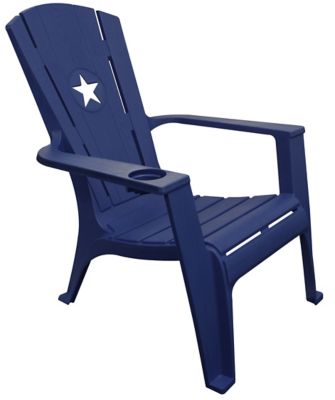
Outdoor furniture such as folding chairs, picnic tables, patio sets, and benches are ideal for garden parties. Look for weather-resistant materials to ensure comfort and durability throughout your event.
Which grilling accessories are helpful for outdoor celebrations?
Helpful grilling accessories include grill tools like tongs and spatulas, grill covers, thermometers, skewers, charcoal or propane tanks, and serving trays to make cooking and serving food easier during your backyard gathering.
How can I keep food and drinks cool during my backyard party?
Use insulated coolers or beverage dispensers with ice to keep drinks cold. For food items that need to stay chilled, consider using ice packs or placing serving dishes in larger containers filled with ice.
Best Sellers
-
"looks and Price best deal in town"
-
"I never use my grill and this does a great job and works best with my needs"
-
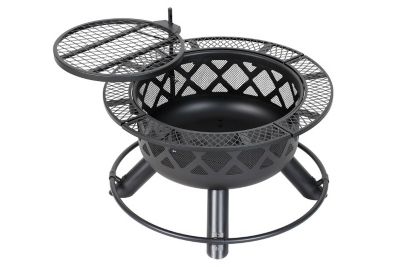
"This is great to use year round. I love the top grill part. It works great for grilling hot dogs"
-
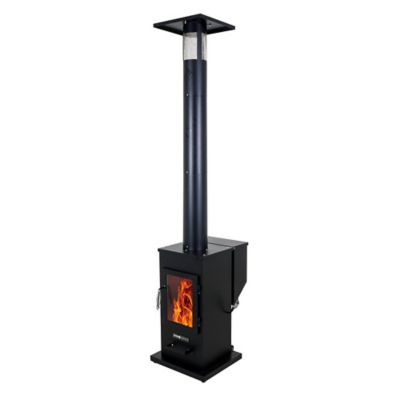
"Love it. Great product, well made and plenty of heat"
-
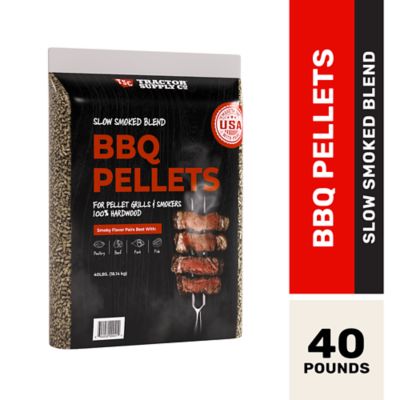
"Operates great in My rec tech grill And The best price for the amount Of pellets"