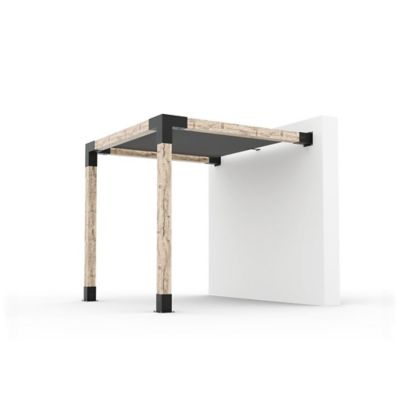
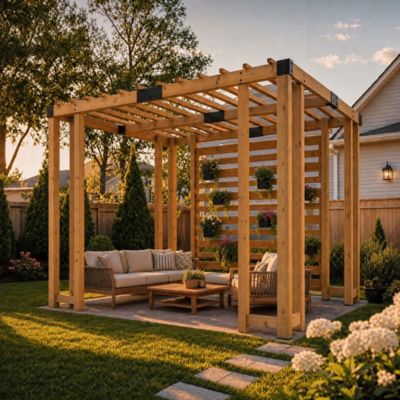
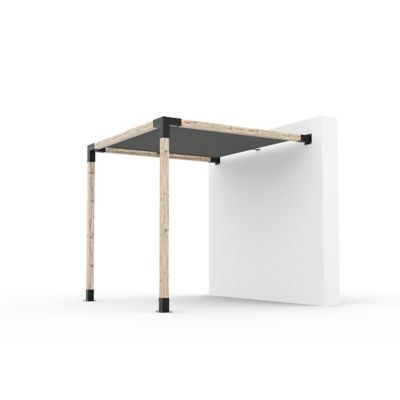
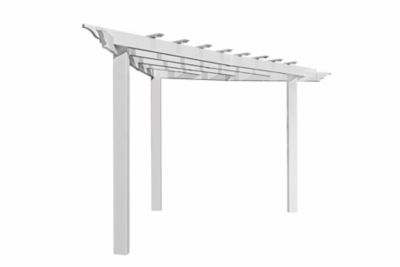
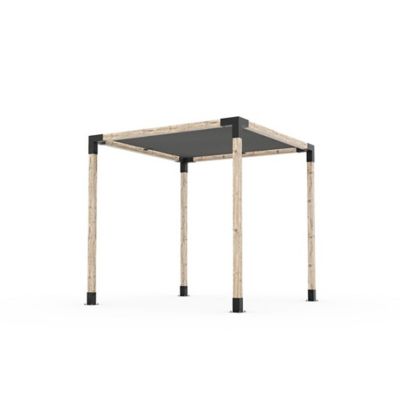
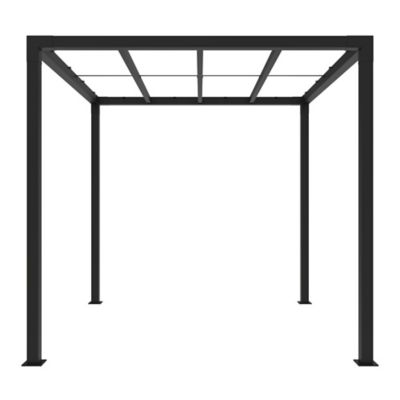
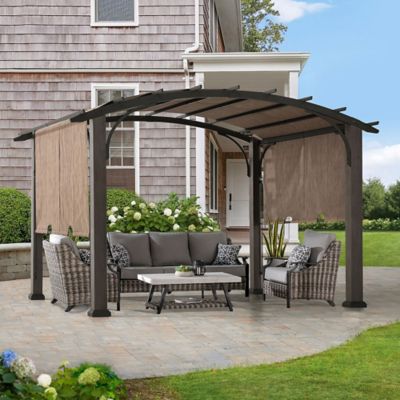
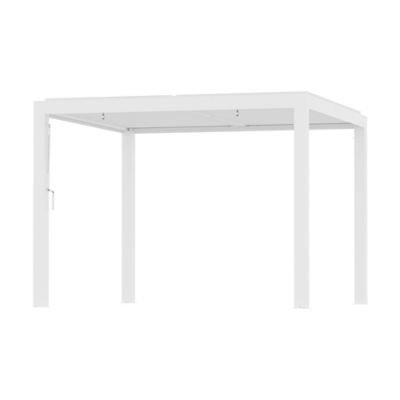
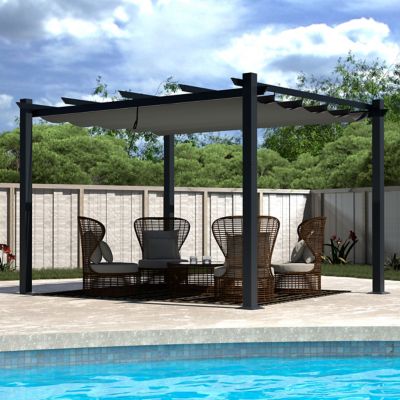
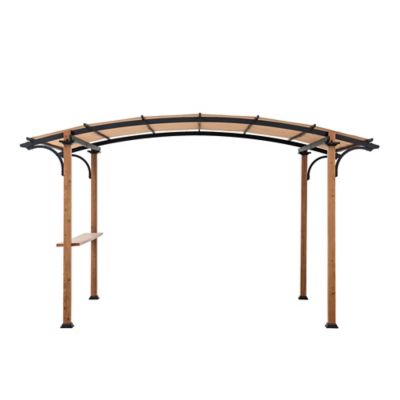
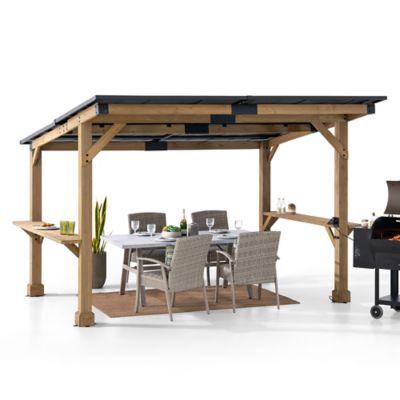
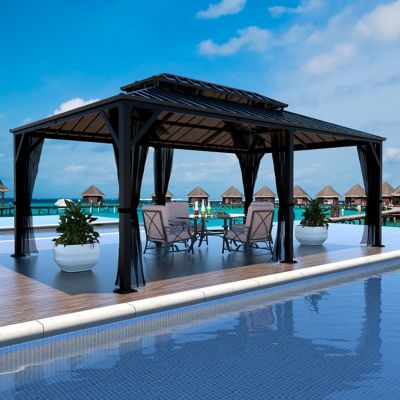
Pergolas for small backyards help turn a modest patch of outdoor space into a comfortable place to sit, eat, and spend time together without enclosing the whole yard. Their posts and overhead beams give a patio or seating area a clear outline while leaving room for views, conversation, and everyday traffic. The best fit depends as much on the layout beneath the structure as on its listed dimensions. A compact square pergola can frame a pair of chairs and a side table, while a narrow rectangular design may work better over a bench or a small dining set beside the house. Simple frames with slim posts and uncluttered roof lines tend to keep tight spaces feeling open. Corner pergolas can make practical use of an overlooked part of the yard, provided their footprint leaves enough clearance along fences and property lines. Attached pergolas connect to an existing building and may reduce the number of posts needed along one side, though that connection calls for suitable structural support and proper installation. Freestanding pergolas offer more freedom of placement, whether the gathering spot belongs near the back door or farther out beside the garden. On either style, the overall roof dimensions may extend beyond the post spacing, so both measurements matter. A structure that fits on paper still needs space around it for chairs to slide back, a gate to swing, and someone to carry a basket through without squeezing sideways. Overhead clearance matters, too, especially near eaves, exterior lights, and doors. For a small backyard, a pergola generally feels most at home when it frames one useful gathering spot rather than taking over every available foot. Leaving a clear route between the house, shed, and garden keeps the space working as hard as it looks good, with room for a watering can, a passing wheelbarrow, or the family dog to get through.
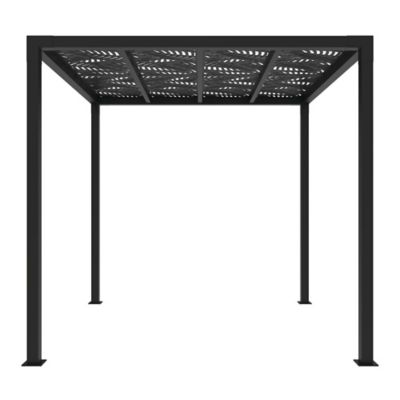
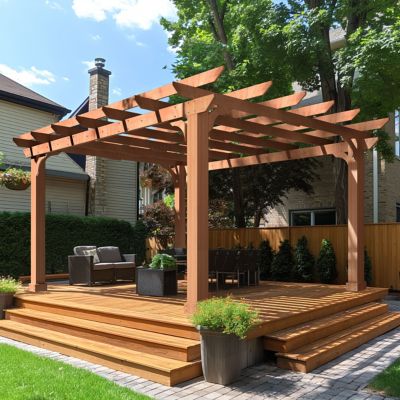
Materials shape a pergola’s appearance, upkeep, and long-term performance. Wood pergolas bring visible grain and substantial posts that sit comfortably alongside a farmhouse porch, a fenced garden, or a simple gravel patio. Cedar and pressure-treated lumber are common choices, but their care requirements differ, and the finish recommendations for the particular structure deserve attention. Wood may need periodic cleaning, inspection, and refinishing to help keep surfaces and connections in good shape. Aluminum pergolas generally offer a lighter frame and less surface upkeep, with clean lines that suit a small patio where visual space matters. Steel can provide a substantial frame with relatively slim members, though its protective finish needs attention wherever scratches expose the metal beneath. Vinyl-clad designs offer another look, with support requirements that depend on the structure underneath the outer surface. Across materials, sturdy joints, suitable hardware, and an anchoring system matched to the installation surface matter more than appearance alone. A concrete slab, a wood deck, and a prepared footing are not interchangeable foundations; each calls for the attachment method specified for the pergola. Deck installations also depend on the capacity and condition of the supporting framing, not just the surface boards. Assembly kits can make the project more straightforward by bringing matched components together, but larger sections may still require several adults or professional help to position safely. An attached structure deserves particular care at the building connection, which may call for a qualified contractor. Local building rules, property setbacks, permits, and any neighborhood requirements can affect which size and style belongs in a given yard. These practical details help distinguish a pergola that merely fits the available area from one that suits the site for the long haul. For households that would rather spend their time tending the garden than maintaining another wood structure, material and finish choices can make a meaningful difference in the upkeep ahead.
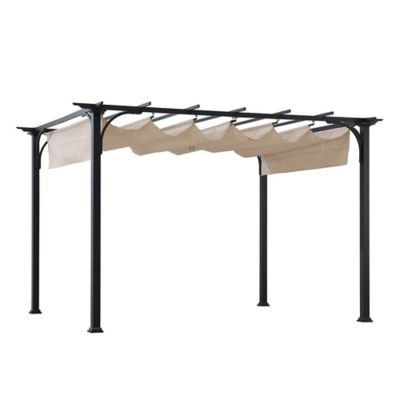
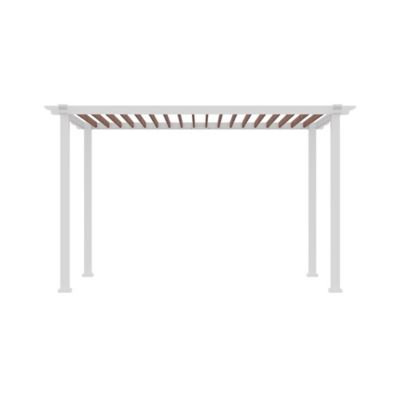
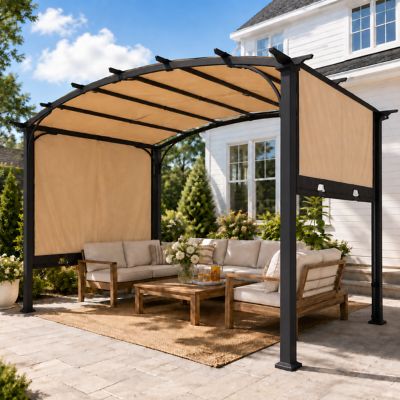
The overhead design determines much of the everyday experience beneath a small backyard pergola. Traditional open slats provide partial shade while preserving an airy feel; they do not create the same coverage as a solid roof. Slat spacing and the direction the structure faces affect where that shade falls, so a pergola’s size alone does not tell the whole story. Retractable canopy pergolas add flexibility, allowing the fabric to be drawn across the frame for more coverage or pulled back for a more open overhead view. Adjustable louver designs offer another way to change the amount of light passing through, with operating and care requirements that vary by model. For a breakfast table near the kitchen door, easy access and enough elbow room may matter most. For a reading spot along a fence, a comfortable chair, partial shade, and a little separation from neighboring yards may take priority.
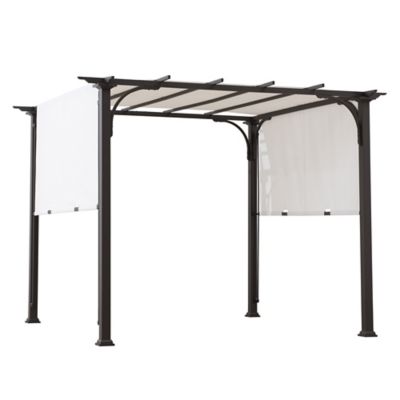
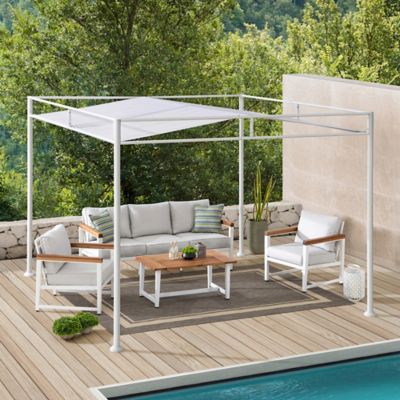
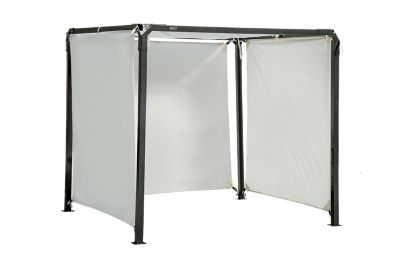
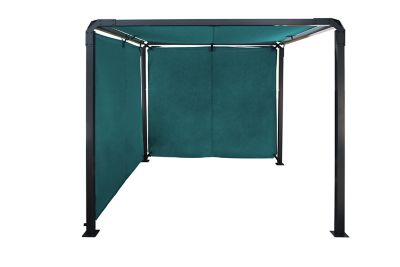
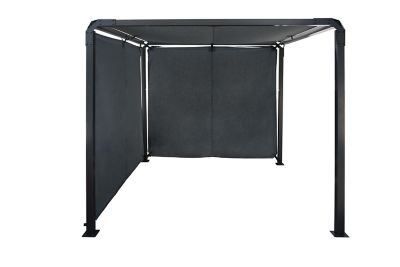
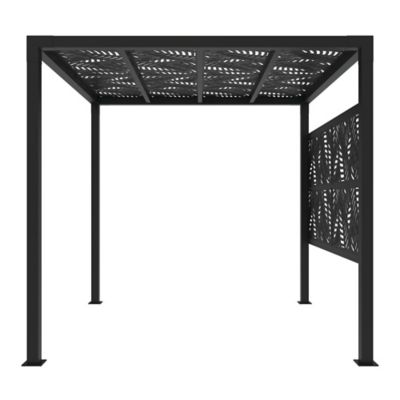
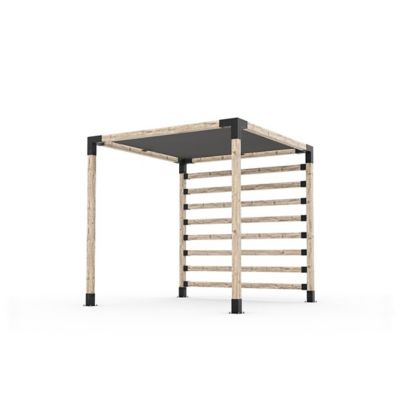
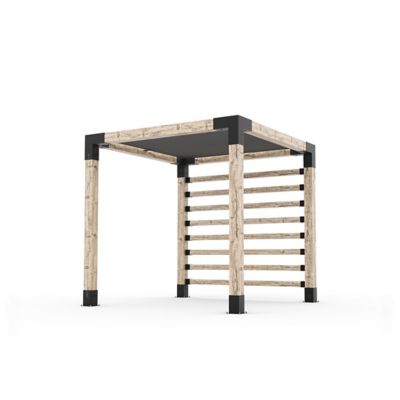
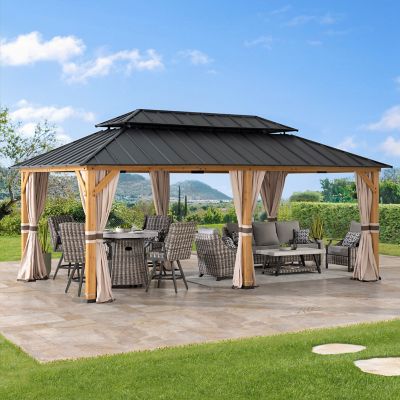
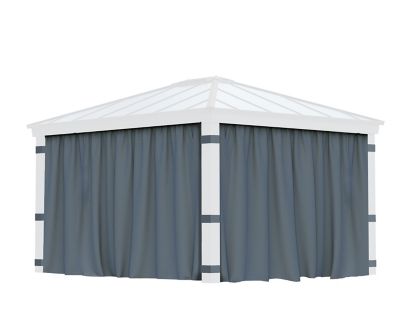
Pergolas With Privacy Screens can help define that quieter space, especially when screening sits along the side facing a nearby walkway or neighboring patio. Keeping other sides open can preserve sightlines and make the footprint feel less confined. Any screen, curtain, canopy, or climbing-plant support should be compatible with the frame and its stated load limits; adding attachments changes what the structure must support. Small furniture arrangements usually make the most of the room beneath, such as a bench tucked along one edge or two chairs angled toward a shared table. A clear walking path keeps the spot welcoming for guests carrying plates and family members heading in and out. Routine care includes cleaning surfaces as directed, checking fasteners and anchors, and inspecting moving parts or fabric attachments where present. Easy access to those components makes maintenance less of a chore. With proportions that suit the yard and features that match daily habits, a compact pergola can give even a modest outdoor space a settled, inviting feel—a place for morning coffee, a good book, or supper with a few favorite people.