Backup generators for rural properties help keep the essentials moving when utility power stops: water from the well, a freezer full of meat, lights in the house and an outlet for charging a phone. On an acreage, those essentials may sit in several buildings rather than under one roof. A house, detached shop and livestock barn can each have different electrical needs, and a generator connected to one panel will not automatically power every building on the property. The right fit starts with the loads that need to stay on, not just the square footage of the home. Running watts describe the power equipment needs while operating; starting watts account for the brief extra demand required to start certain motors. Well pumps, refrigerators and freezers can draw substantially more power at startup than they do once running. Generator sizing needs to account for the expected running load plus motor startup demands, especially when several appliances might cycle on together. A pump’s horsepower alone does not tell the whole story, so its voltage, electrical ratings and starting requirements matter, too. Many rural well pumps require 240-volt power, but not every portable generator or battery power station provides that output. A compatible receptacle is only part of the picture; the generator also needs enough capacity to start and run the pump through the planned connection. A licensed electrician can check those requirements and determine whether an essential-circuit setup or a larger standby system makes more sense. Essential loads might mean well water, food storage and a few household circuits, while broader coverage could include cooking equipment, additional appliances or selected barn circuits. Electric heating equipment and shop tools can add substantial demand. Keeping nonessential equipment off, or using properly configured load management, helps keep a generator within its rated output without giving up the essentials.
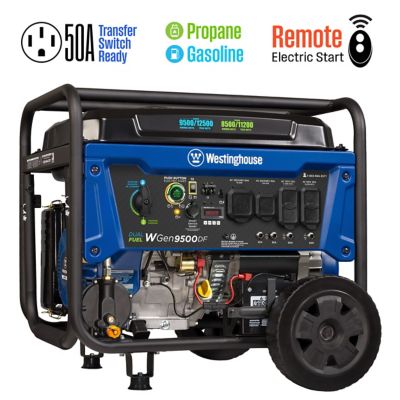
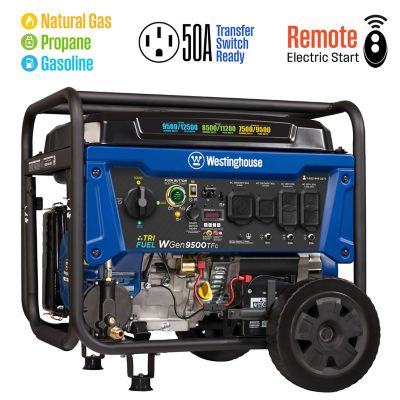
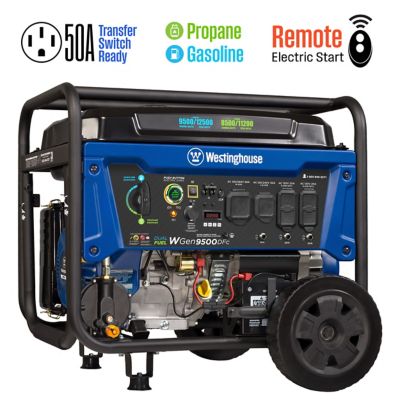
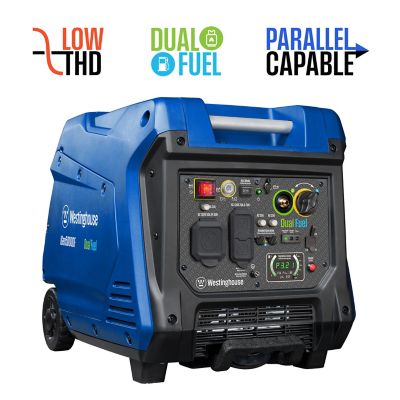
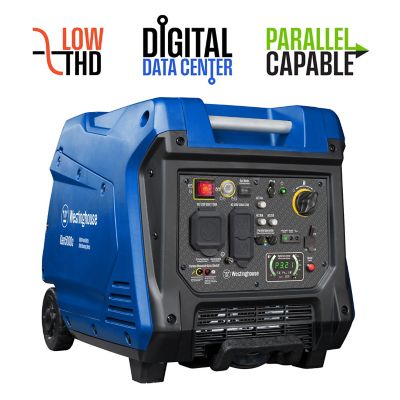
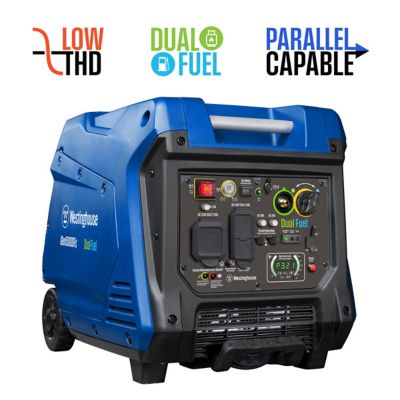
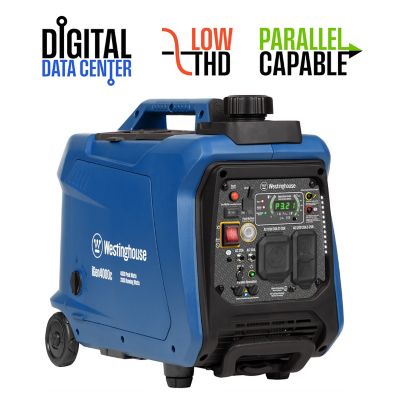
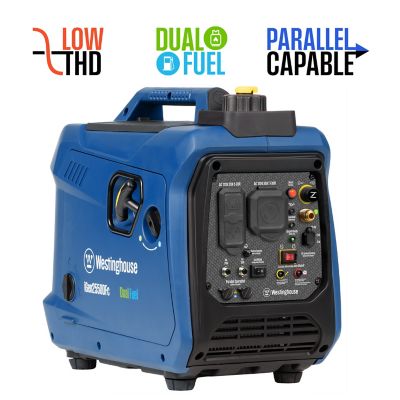
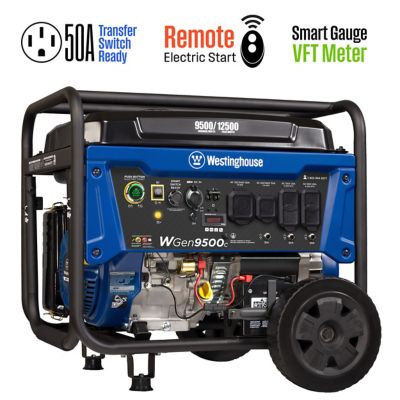
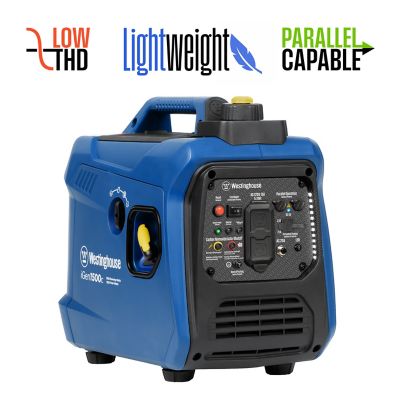
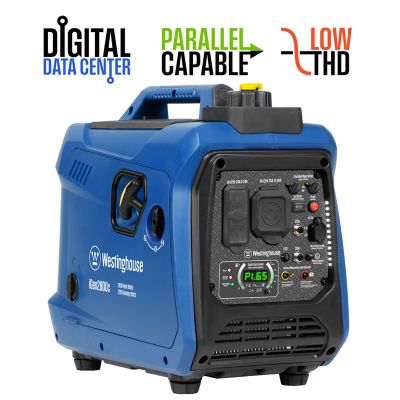
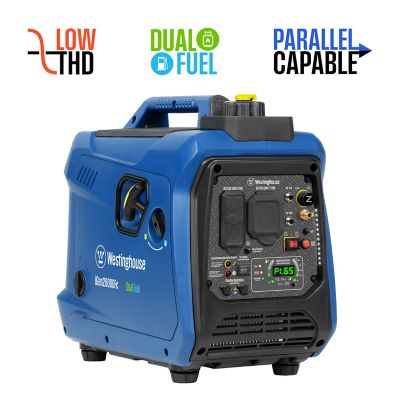
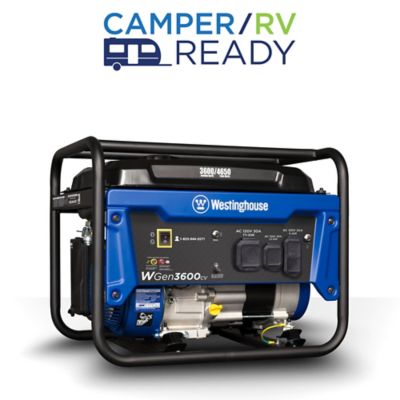
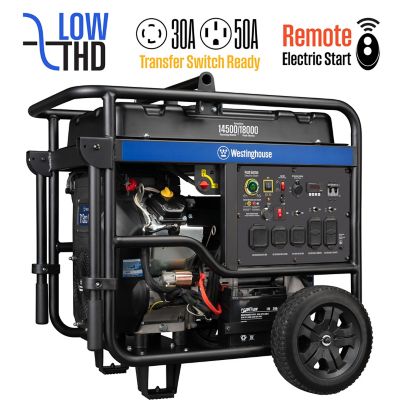
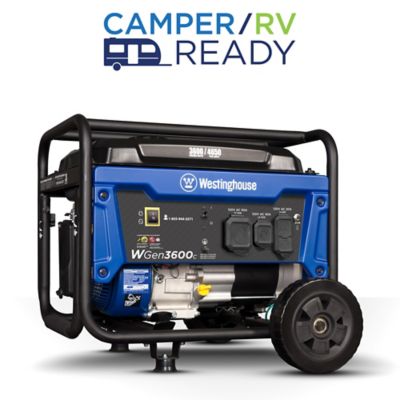
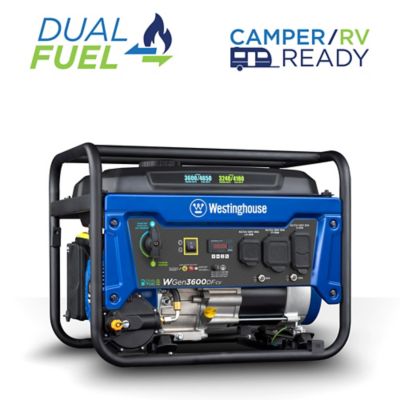
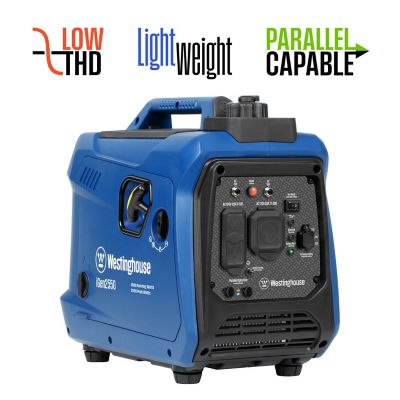
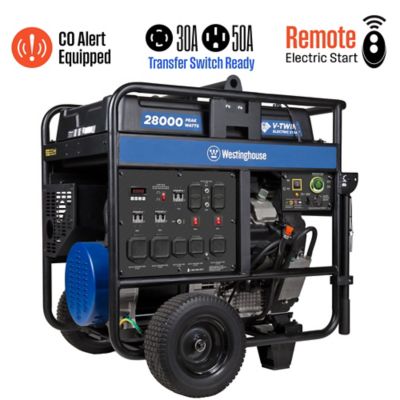
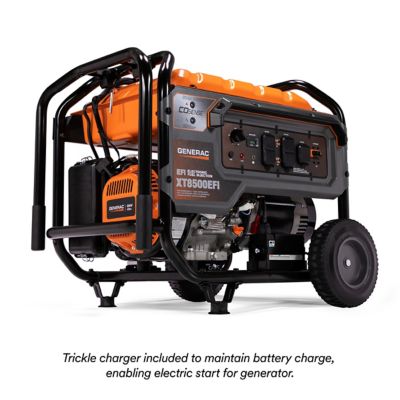
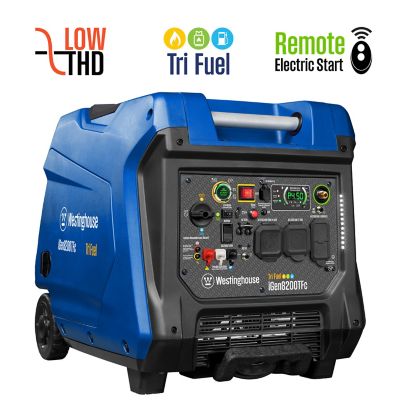
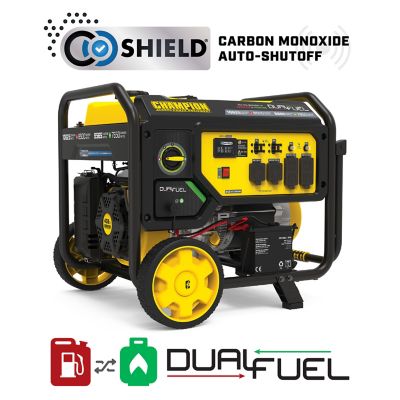
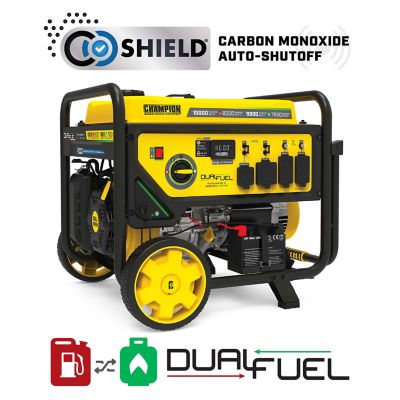
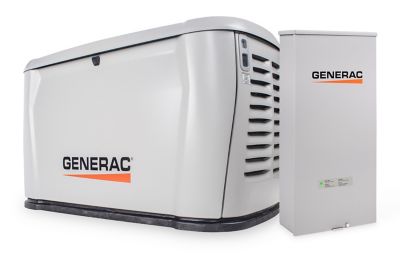
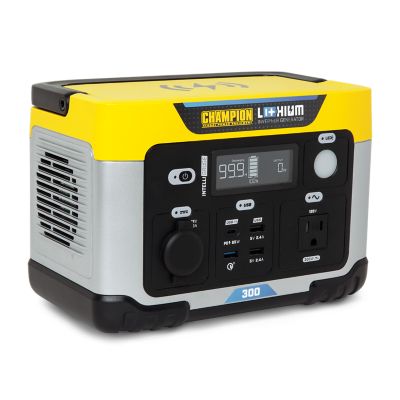
Standby generators, portable generators and battery backup systems handle those needs in different ways. A permanently installed standby generator typically works with an automatic transfer switch to supply selected circuits or a larger portion of the property after utility power fails. That automatic response can be helpful when nobody is home to start equipment, but the generator’s capacity and wiring determine what actually receives power. Standby systems commonly run on propane or natural gas. Propane can suit properties without natural gas service, provided the tank, regulator and fuel piping meet the generator’s requirements. Tank capacity also affects how long the system can operate between deliveries. Natural gas avoids an on-site fuel tank but depends on continued gas service and sufficient supply capacity. Portable generators offer more flexibility for a household that needs backup power at home and electrical power elsewhere on the property. Wheels, lifting points and well-placed handles matter when moving a heavy machine across a gravel drive or into storage. Gasoline models require a fuel-storage and replenishment plan, while dual-fuel and tri-fuel designs offer additional fuel choices where supported. Output can differ by fuel, so the rating for the intended fuel matters more than the largest number on the label. Runtime estimates also depend on the electrical load and fuel supply. Battery power stations provide stored electricity without engine exhaust at the point of operation and can suit lights, communications equipment and other loads within their ratings. Larger systems may support more demanding equipment, but 240-volt output and motor-starting capability must be confirmed rather than assumed. Battery capacity, measured in watt-hours, describes stored energy; output watts describe how much equipment the system can power at once. Actual runtime depends on the load and system losses. Solar charging can extend operation when paired with compatible panels and sufficient sunlight, but recharge time and charging limits remain part of the setup. No battery system provides unlimited power simply because solar panels are connected.
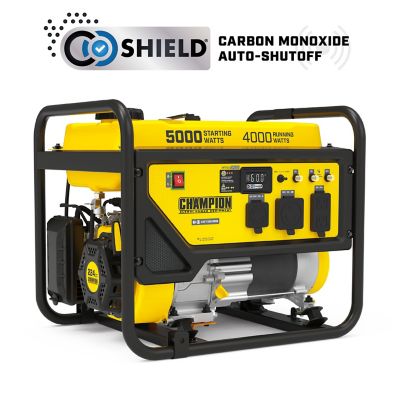
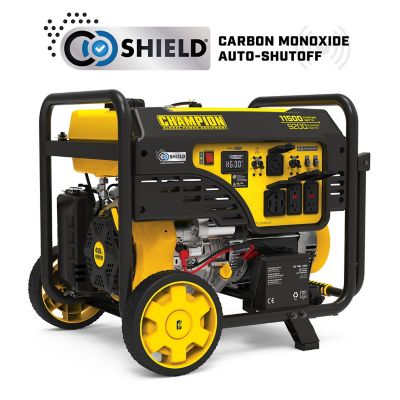
Construction, placement and routine care matter just as much as electrical capacity on a working property. Steel frames can help protect portable equipment during handling, while standby enclosures may feature coated steel or aluminum to help resist corrosion. Clear service access, secure mounting and room for ventilation are more important than squeezing a generator into an otherwise convenient corner. A standby installation needs a suitable base, required clearances, proper fuel connections and compliance with local codes and the manufacturer’s instructions. Engine-driven portable generators belong outdoors, at least 20 feet from homes, with exhaust directed away from doors, windows, vents and occupied buildings. They must never run inside a house, garage, barn or other enclosed or partly enclosed space, even with doors open. Carbon monoxide shutoff features add protection but do not replace safe placement or working carbon monoxide alarms inside the home. Connections to household wiring require a properly installed transfer switch or another code-compliant transfer arrangement approved for that application. Plugging a generator into a wall outlet can send electricity back through utility lines and endanger line crews and others. For appliances connected directly to a portable generator, outdoor-rated cords need the right wire gauge, length and electrical rating for the load and the manufacturer’s requirements. Routine upkeep includes checking oil where required, servicing filters, inspecting cords and connections, and following the scheduled exercise and maintenance instructions. Gasoline storage calls for approved containers and attention to the engine manufacturer’s fuel and storage directions. Engines should be shut down and allowed to cool before refueling. Battery systems also need storage, charging and inspection practices suited to their chemistry and manufacturer’s instructions. For household-focused options, explore
Home Generators For Power Outages, keeping the demands of the well, freezer and other essential circuits in mind. A setup matched to the property’s real electrical needs can help keep water flowing, food storage running and everyday chores moving without trying to power everything at once.