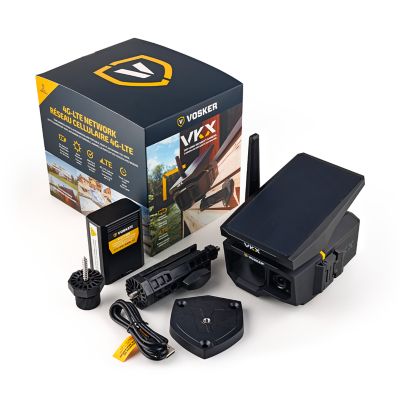
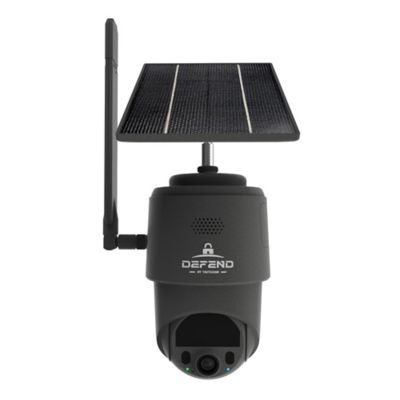
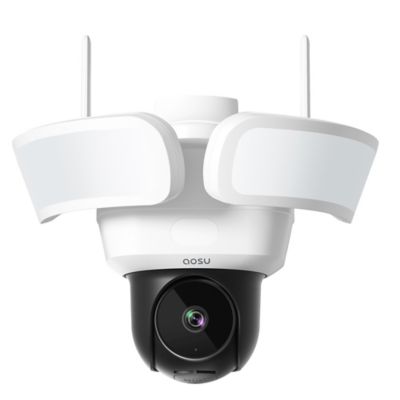
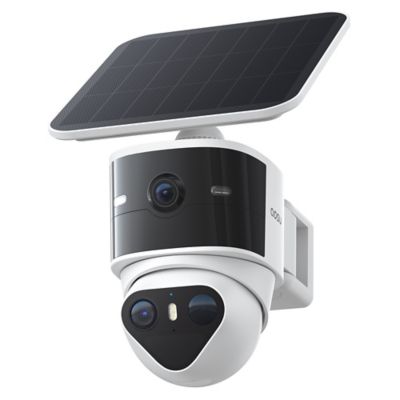
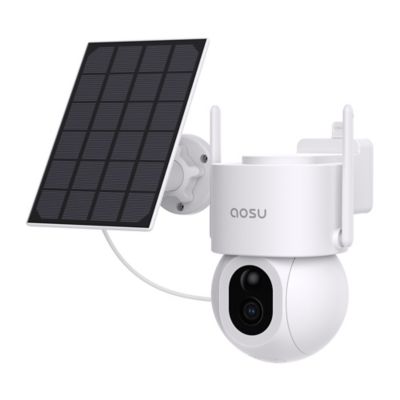
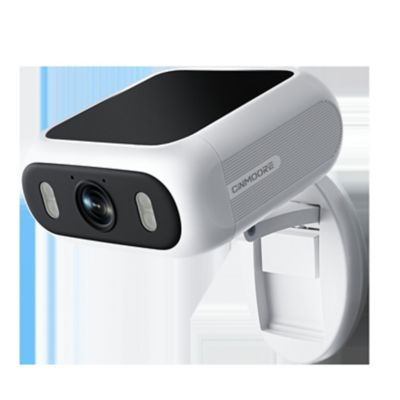
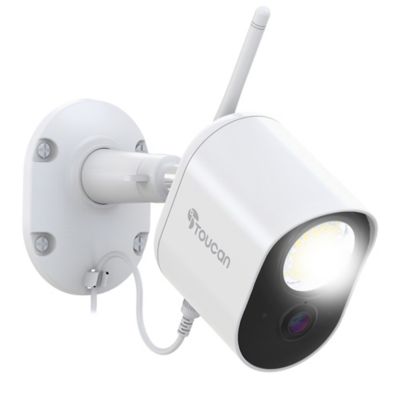
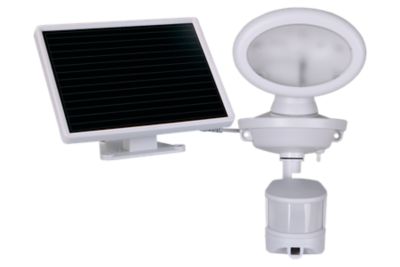
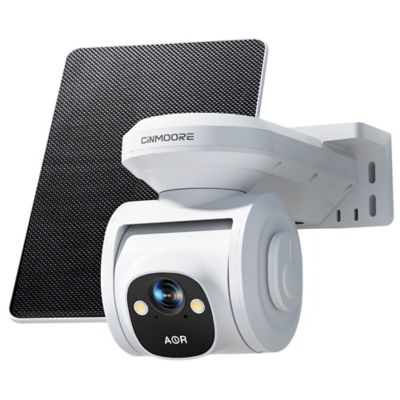
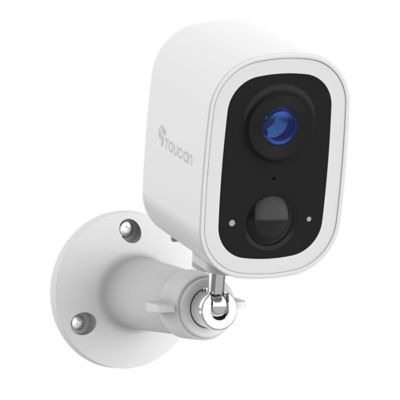
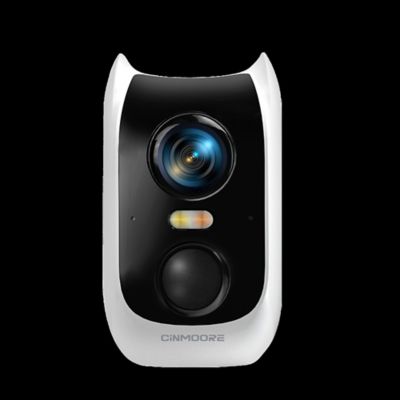
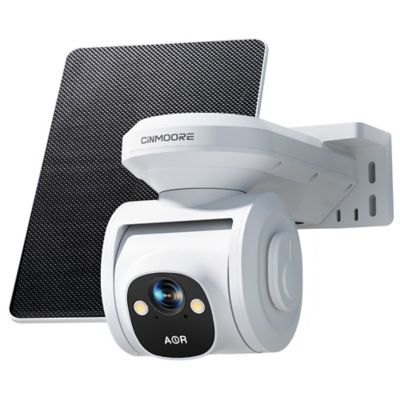
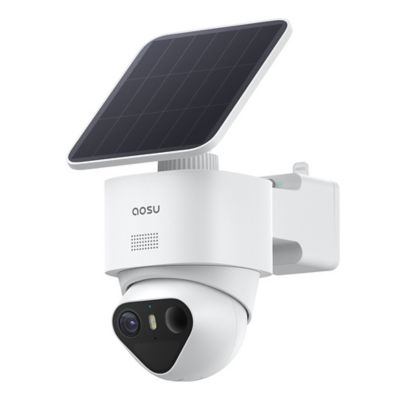
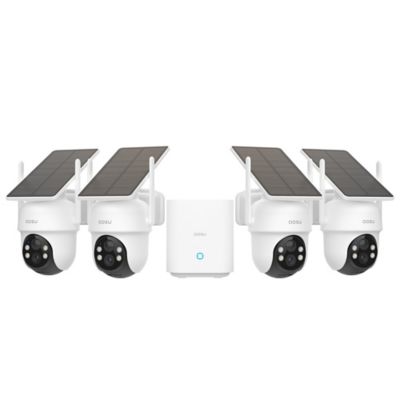
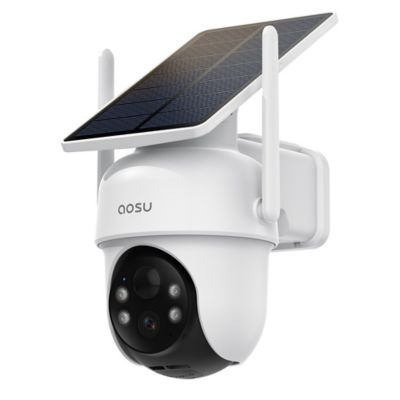
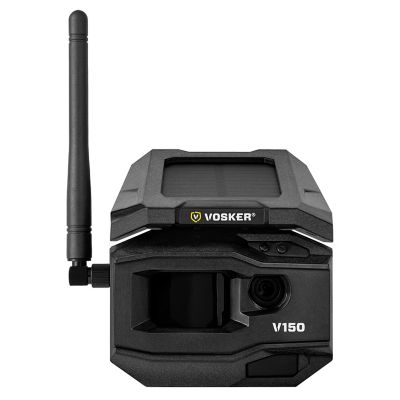
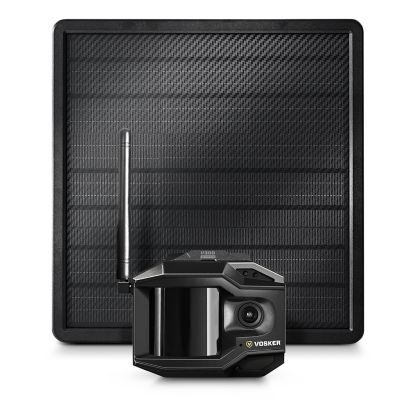
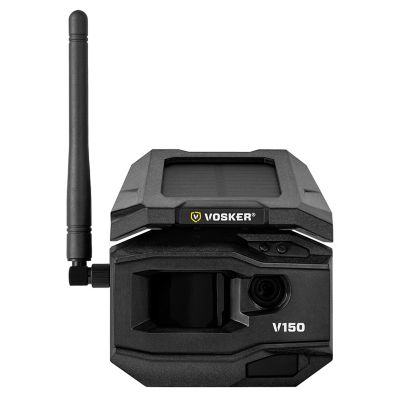
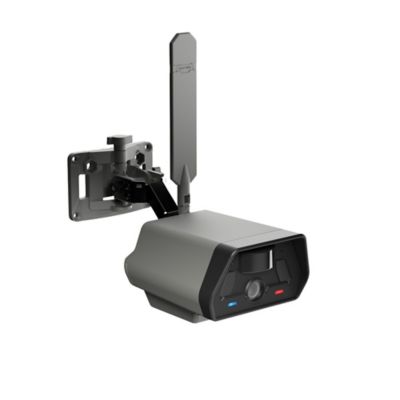
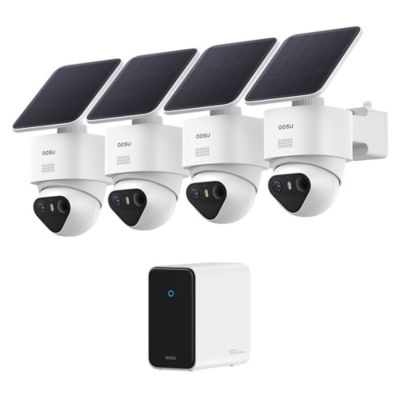
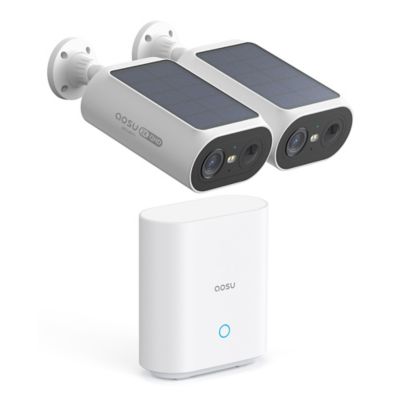
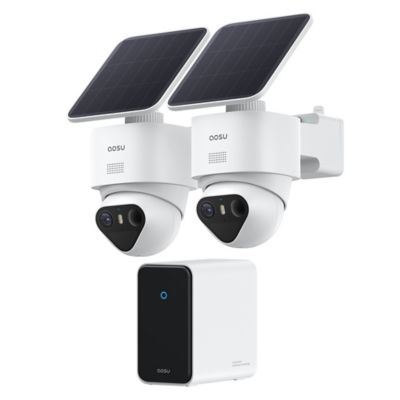
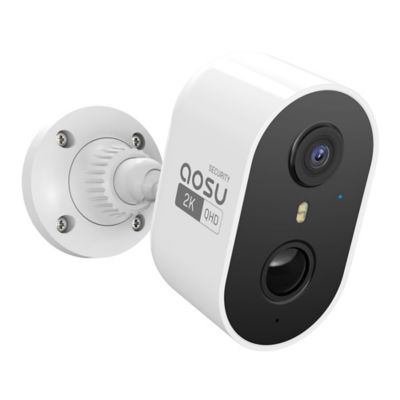
A security camera for equipment helps keep an eye on tractors, trailers, implements and tools by capturing activity around the places where they’re parked or stored. For a farm, acreage, repair shop or jobsite, the right setup depends on the size of the area, the distance to the equipment and the power and network connections nearby. A camera watching a single shop door has a different job than one overlooking a machinery shed with several open bays. Wide-angle views can cover more ground, while a narrower view may show more detail at a gate, hitch or entry point. Resolution matters, but it works alongside lens design, lighting, mounting position and distance from the subject. A high-resolution camera mounted far from a trailer may provide less useful identifying detail than a closer camera aimed at the approach. Night vision supports monitoring after dark, with infrared and color viewing options offering different results depending on the camera and surrounding light. Bright lamps, reflective metal and nearby walls can affect the picture, so the view deserves a check both in daylight and after dark. Motion detection can flag activity, and some cameras distinguish people or vehicles from other movement. Those detection features can help cut down on alerts from a swinging gate or livestock passing outside the equipment area, though performance varies with placement and settings. For a busy property, a broad overview paired with a closer view of the main entrance can provide helpful context without expecting one camera to capture every detail. Mounting height also makes a difference: a camera tucked high beneath a roof may be harder to reach, but an overly steep angle can show the tops of hats instead of faces. Equipment position matters, too. A clear view of an empty bay can disappear once a tall tractor or enclosed trailer pulls into place. Thinking about the space as it functions on a normal workday helps match coverage to the chores, traffic and equipment that belong there.
Power and connectivity shape which equipment security camera setup fits a property. Wired cameras can suit permanent buildings where cable routes are practical, and Power over Ethernet systems carry power and data through a compatible Ethernet connection. That can simplify wiring at each camera, although the system still needs suitable networking equipment and a power source. Wi-Fi cameras connect through a wireless network, but many still need an outlet or another wired power supply. Battery-powered cameras offer more placement flexibility, with charging intervals influenced by recording settings, activity levels and how often live viewing runs. Compatible solar charging can support some battery systems where placement allows, but a solar panel does not provide a network connection or eliminate every charging need. Cellular cameras can make sense for equipment storage beyond the reach of a building’s Wi-Fi, provided the location has compatible cellular coverage and the camera has the required service plan. A strong signal at the house does not guarantee the same connection behind a metal-sided shed, so the actual mounting location matters more than a signal reading taken somewhere else. Remote viewing generally requires an internet connection at the camera or its recording system; some systems can continue recording locally without remote access, depending on their design. Storage options may include a supported memory card, a separate recorder or cloud recording. Local storage keeps footage on the property, while supported off-site storage can preserve recordings away from the camera itself. Continuous recording provides a fuller timeline, but it calls for suitable power and storage capacity. Motion-triggered clips take less storage space, though clip length, detection range and recording delays affect what gets captured. For a trailer that comes and goes throughout the day, those details can determine whether playback shows the whole approach or only the departure. Storage capacity and retention settings also determine how far back footage remains accessible before older recordings are overwritten.
Camera construction and mounting hardware matter around working equipment. Outdoor-rated housings, sealed cable connections and brackets suited to the mounting surface help protect the installation from dust and everyday exposure. Metal and molded polymer housings each have their place; the enclosure rating, bracket design and installation requirements tell more about suitability than the housing material alone. A camera above a tool bench faces different demands than one mounted beside a busy equipment lane, where vibration, flying debris or a passing loader can threaten an exposed bracket or cable. Protected cable routes and placement outside normal equipment clearance help keep the system out of the way of daily work. Cameras and wiring also need separation from moving doors, livestock access and spots where hoses or tools get hung between chores. Care is generally straightforward: follow the manufacturer’s cleaning directions, keep the lens cover clear, check mounting points and confirm that recordings still play back. Dust, cobwebs and fingerprints can soften a picture or interfere with night viewing even when the camera is otherwise working. Account security deserves the same attention as the hardware, with a strong password, available software updates and two-factor authentication where supported. Shared access settings can let a farm manager, family member or shop supervisor check the equipment area without everyone sharing one login. Camera angles should respect neighboring property, and audio recording calls for attention to applicable laws and consent requirements. For a broader look at camera options for shops, sheds and equipment areas, visit
Shop Security Camera. A setup that fits the property’s layout and daily routine can make it easier to check a parked trailer, review activity near a locked shed or confirm when equipment returns to the yard. Cameras add visibility and a record of activity; sturdy locks, controlled access and sensible equipment storage remain important parts of the picture.