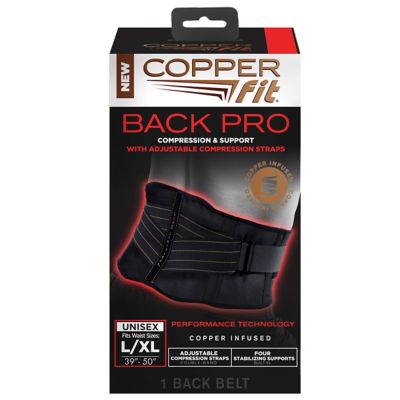
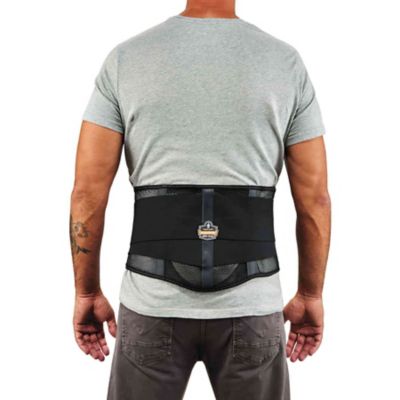
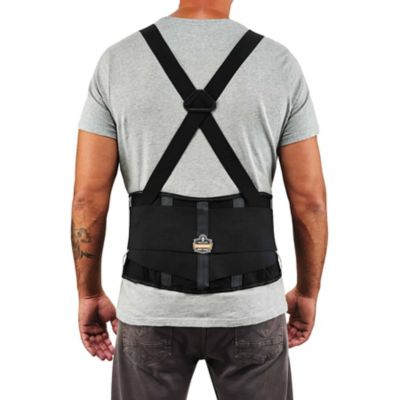
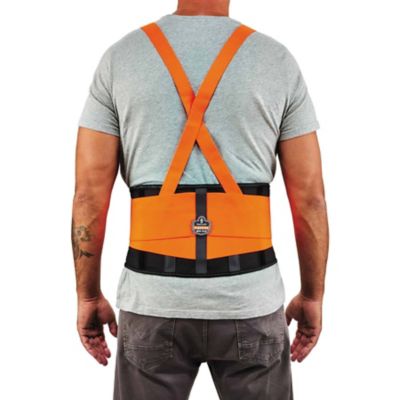
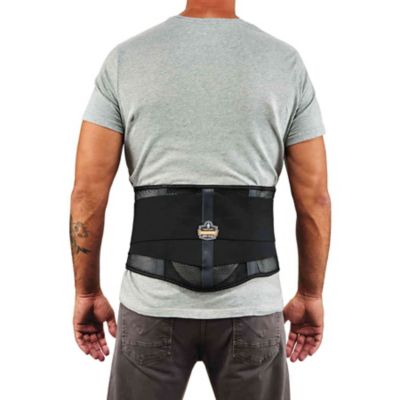
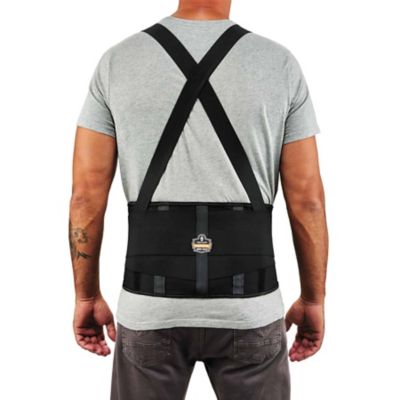
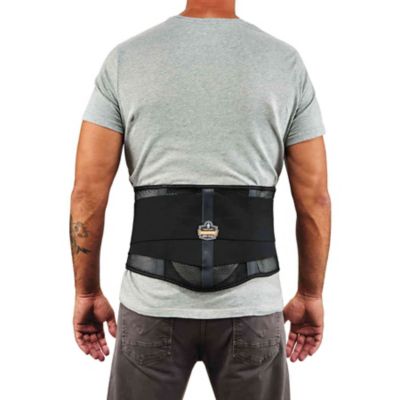
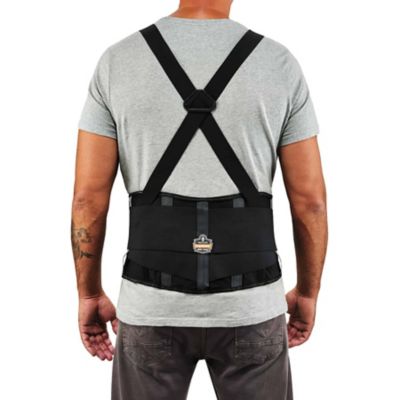
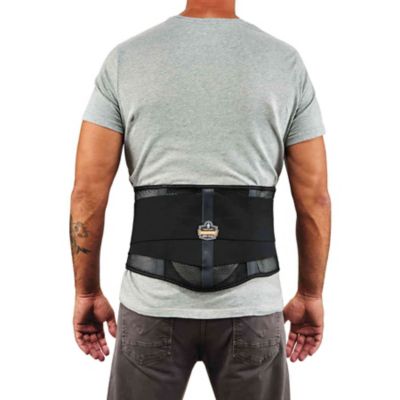
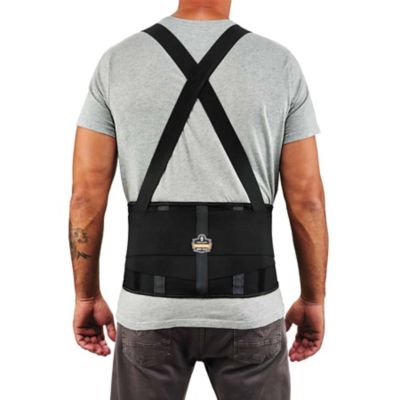
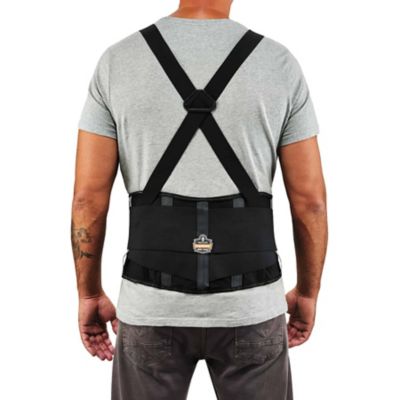
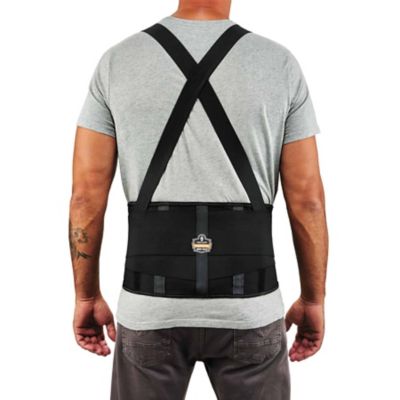
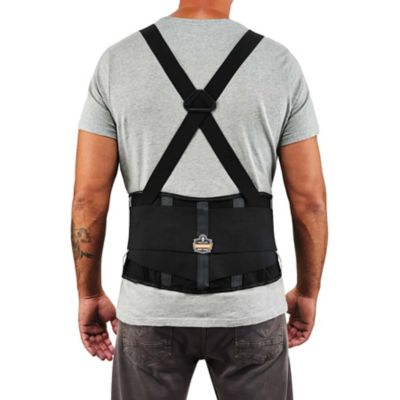
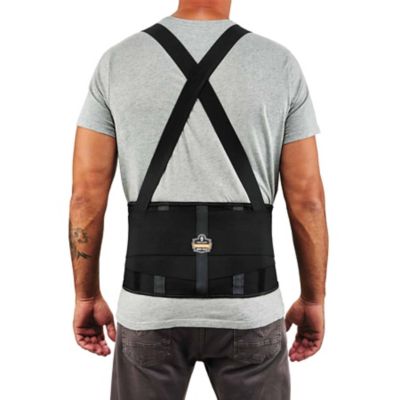
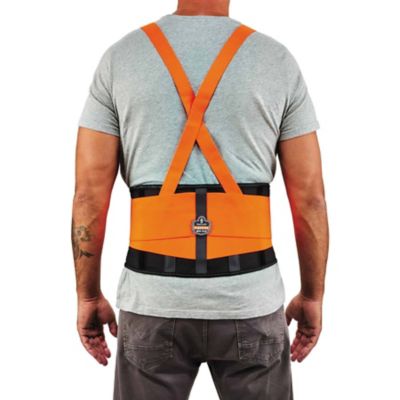
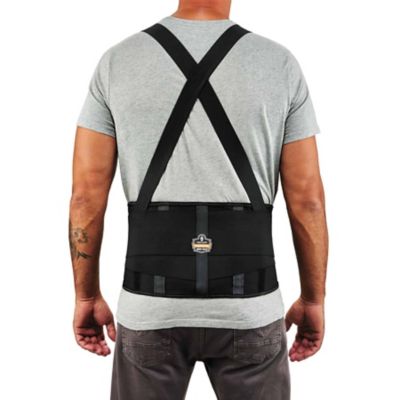
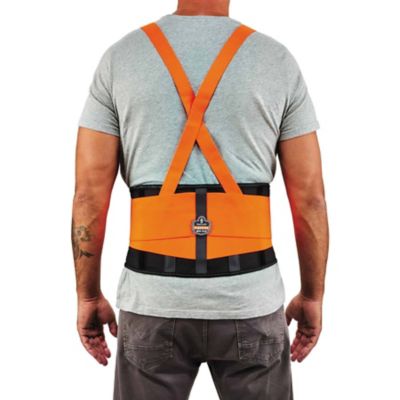
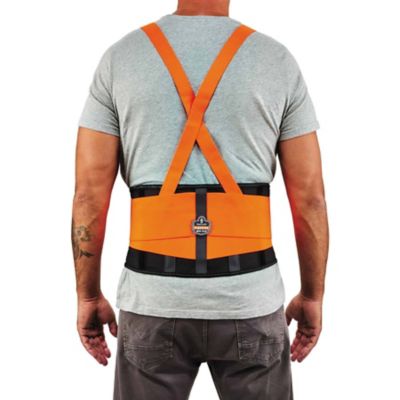
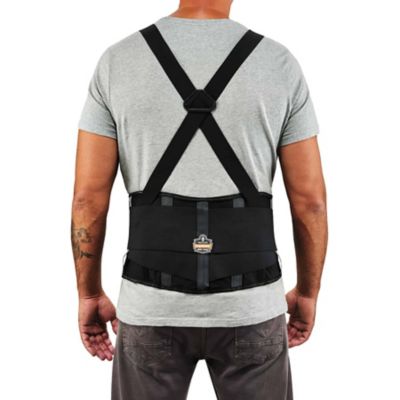
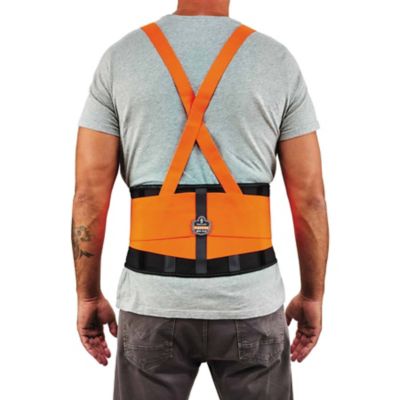
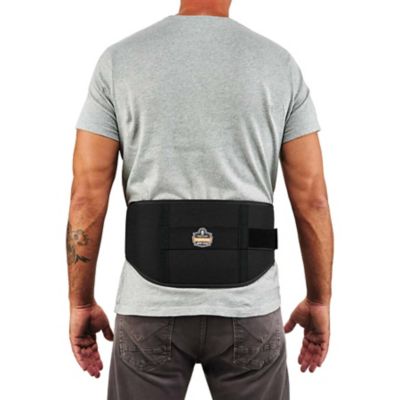
Back braces for posture support are wearable supports designed to encourage a more upright position and provide a physical reminder when the shoulders begin to round forward. Many styles rely on adjustable straps and light tension across the shoulders or upper back rather than holding the body rigidly in place. Others extend farther down the torso, adding a waist belt or back panel for a broader area of support. That difference matters: a shoulder-focused posture support and a lower-back belt do not necessarily serve the same purpose, even when both fall under the back brace category. The right match depends on where support is needed, how the brace fits and what the wearer expects to do while wearing it. For someone leaning over farm records at the kitchen table, sitting through long stretches of paperwork or spending time at a workbench, a posture brace may offer a noticeable cue to reset a slouched position. It is not meant to force the shoulders as far back as possible or create a stiff, chest-out stance. Comfortable, upright posture still allows normal breathing and easy movement. Products described as posture correctors should also be understood as supports, not a promise of permanent correction. A brace alone does not build strength, change a poorly arranged workspace or address every reason a person might round their shoulders. Regular movement, an appropriate work surface and exercises recommended by a healthcare professional can all play a part alongside a support. Someone looking for an everyday posture reminder has different needs from someone recovering from an injury or managing a diagnosed spinal condition. Medical braces prescribed for those situations may have different construction and wearing requirements. Keeping that distinction in mind helps set sensible expectations for everyday posture support without treating every back brace as interchangeable.
Materials and construction affect how a posture support feels against the body and how well it fits into an ordinary day. Elastic webbing allows some give as the wearer moves, while mesh panels can make a larger support feel less enclosing. Neoprene blends often provide a close, flexible feel, though material sensitivities are worth checking before purchase. Soft edging and padding at the shoulder straps can matter just as much as the main fabric, especially where a strap passes near the underarm. A narrow strap may feel less noticeable beneath a shirt, but a wider strap can spread contact over a larger area. Neither design is automatically the better choice; comfort depends on body shape, strap placement and adjustment. Low-profile buckles and flat seams can reduce pressure beneath clothing, while sturdy stitching and firmly attached fastening tabs are worth a close look when comparing construction. Some braces include flexible stays or reinforced panels that add structure. Those features should match the intended purpose rather than simply adding more stiffness. Sizing deserves the same attention as materials. Depending on the design, a size chart may call for a chest, waist or torso measurement, so shirt size alone may not be enough. A snug fit should not mean restricted breathing, pinched skin or straps digging into the neck. Adjustment points also need to be within comfortable reach, particularly for someone with limited shoulder mobility. A support that takes a struggle to fasten can become a nuisance before the day gets going. Everyday movements help reveal whether the shape makes sense: sitting at a desk, reaching toward a shelf or bending slightly over a bench should not make the brace bunch sharply or ride up. Where the label permits it, a thin shirt underneath can provide a barrier between skin and straps. Extra fabric, however, should not substitute for the correct size or cover up a fit that feels wrong.
Intended wear time and care requirements are practical details worth weighing before settling on a back posture brace. These supports are not automatically meant for continuous wear, and there is no single wearing schedule that suits every design or every person. The manufacturer’s directions and advice from a healthcare professional should determine when and how long a brace is worn. A brief period during a task that tends to bring on slouching may serve a different purpose from a medically prescribed support schedule. More tension and longer wear are not necessarily better. The wearer should still be able to move comfortably, and a brace should not create pain, numbness, tingling or persistent skin irritation. Those symptoms are reasons to take it off and get advice rather than keep tightening the straps. Persistent or worsening back pain also deserves medical attention instead of relying on posture support alone. For routine upkeep, check whether the brace calls for hand washing, machine washing or spot cleaning, and follow any directions about removing inserts. Fastening hook-and-loop tabs before cleaning, when directed, helps keep them from catching on fabric. Complete drying according to the care label matters before the support goes back against the body. Straps, seams and closures also need occasional inspection; stretched elastic, fraying attachment points or fasteners that no longer hold can change the fit. A brace that is straightforward to clean and adjust is easier to work into a regular routine, whether that means paperwork after chores or time spent sorting supplies at a bench. Posture support should also stay separate from expectations about lifting capacity. For task-focused options,
Back Braces for Heavy Lifting covers a related category, but no brace makes an oversized load safe or replaces lifting equipment, sound technique or another set of hands. For posture-focused shopping, the most useful features remain a suitable support area, manageable adjustments, comfortable materials and a fit that encourages awareness without getting in the way.