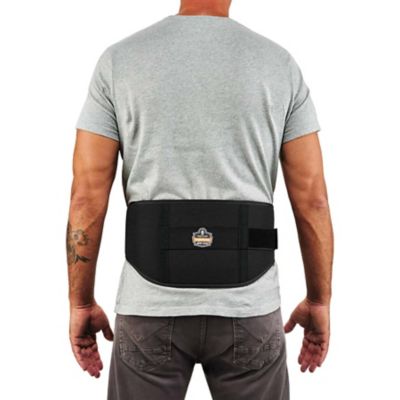
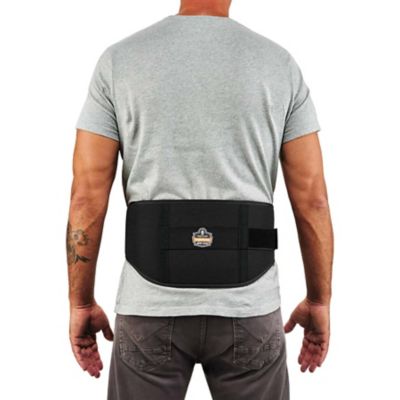
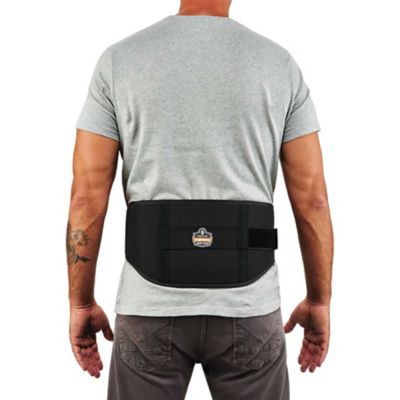
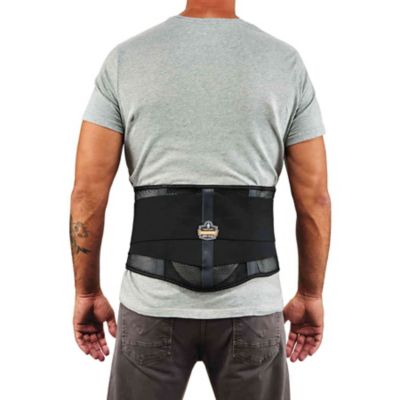
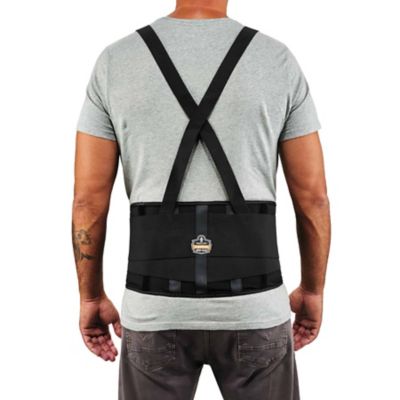
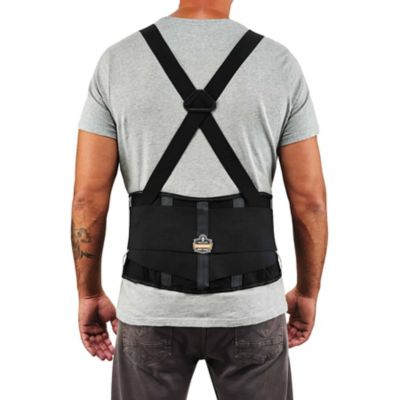
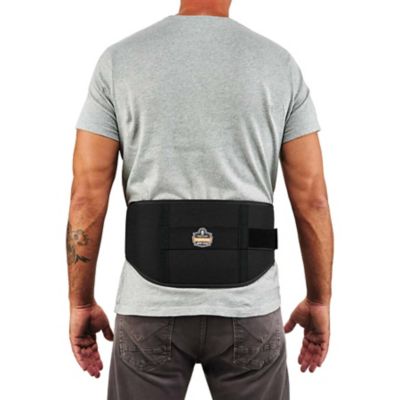
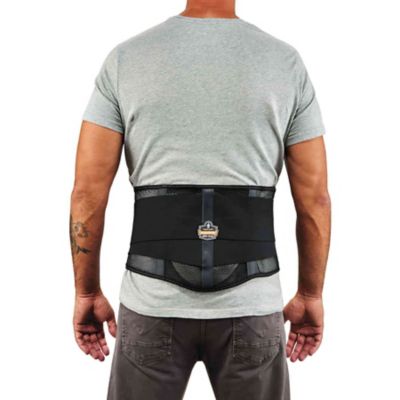
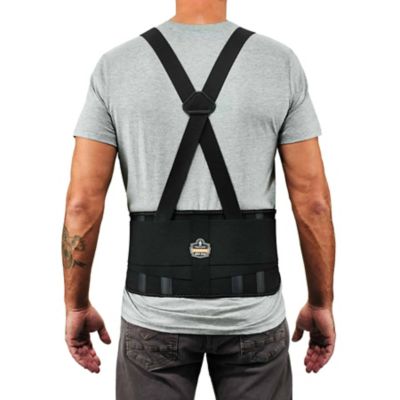
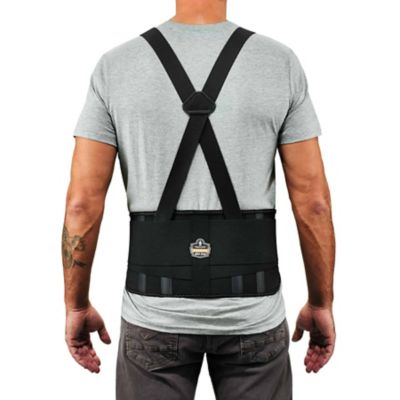
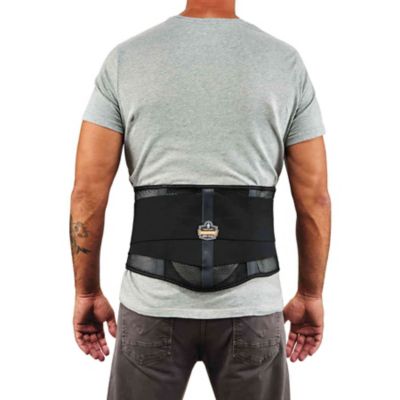
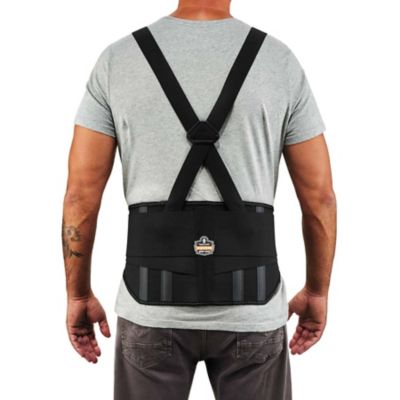
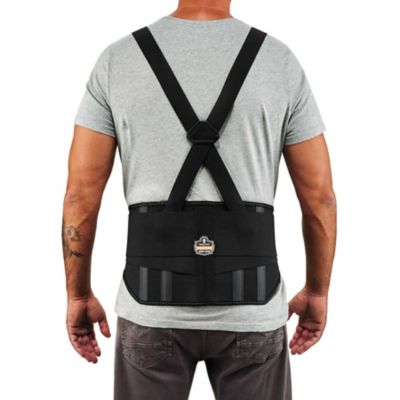
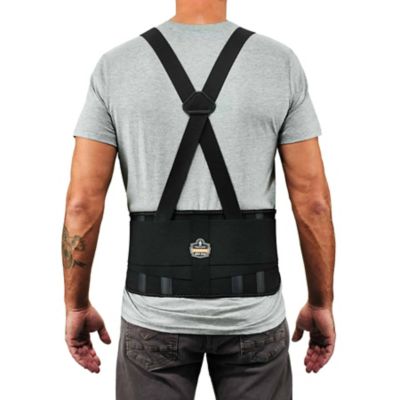
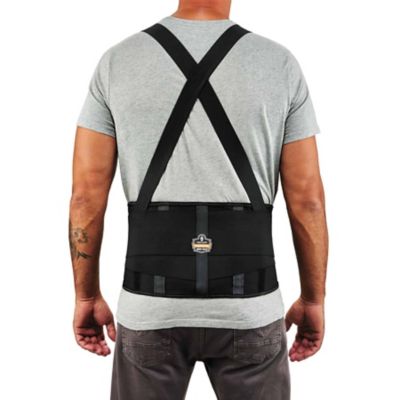
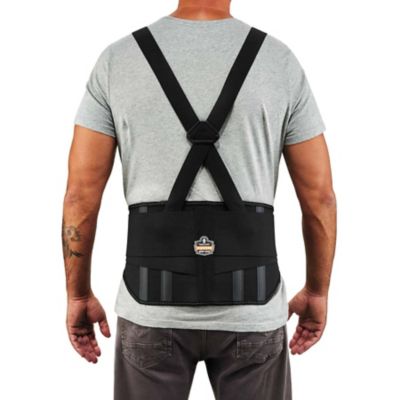
Back support braces for men range from flexible lumbar belts to more structured designs with reinforced panels or stays. The right choice depends on the intended activity, the amount of movement involved, body measurements, and any guidance from a healthcare professional. A flexible lower back support belt generally offers light compression while allowing bending and walking, while a semi-rigid design adds structure through stays or supportive panels. Rigid medical braces serve a different purpose and may be prescribed for particular conditions or recovery needs; a stiffer brace is not automatically a better work belt. Around a farm, shop, or property, the practical differences show up in everyday tasks: climbing into a pickup, walking a fence line, leaning over a workbench, or sitting behind the wheel of a tractor. A brace that feels comfortable standing still may feel different once the wearer sits or reaches. Some men prefer a low-profile belt beneath a shirt, while others want an outer layer with closures that are easy to adjust between tasks. For jobs that involve moving feed sacks, carrying supplies, or handling other substantial loads,
Back Braces for Heavy Lifting offer a more focused category to compare by coverage, flexibility, and the manufacturer’s stated purpose. A back brace does not make an oversized load safe or guarantee protection from injury. Sound lifting habits, manageable loads, lifting equipment, and another set of hands still matter. The most suitable support is one that fits the wearer and the task without getting in the way of ordinary movement. For someone who alternates between desk work and chores, that may mean a different shape or support level than for someone following a clinician’s recovery plan. Clear sizing information and intended-use details are more useful than judging a belt by its thickness alone. Coverage matters, too: a broad back panel can feel quite different from a narrower wrap when moving between a seat and a standing position.
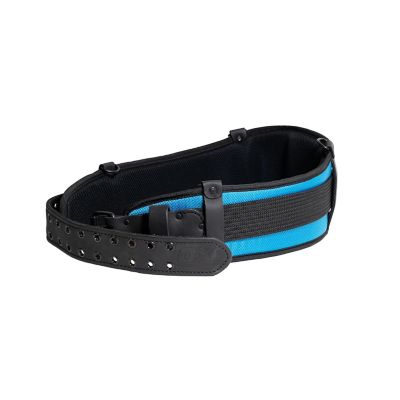
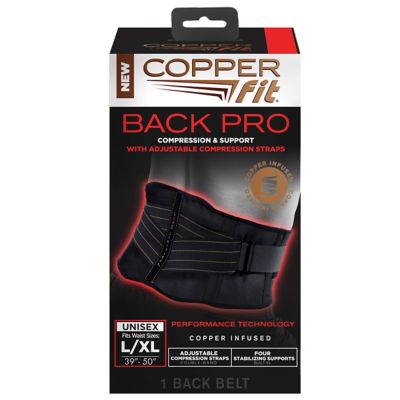
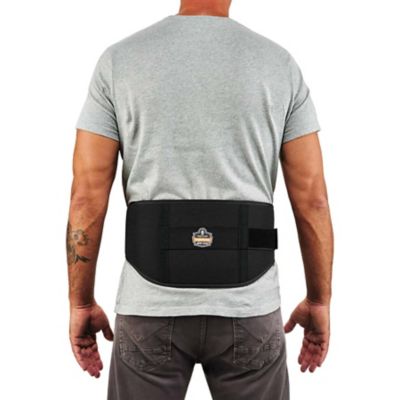
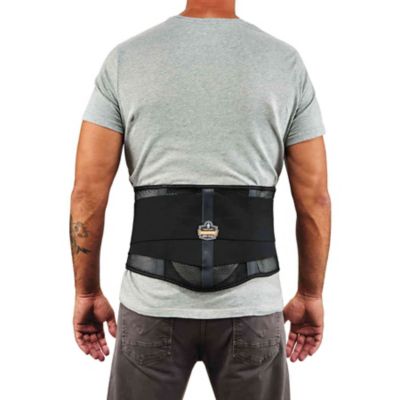
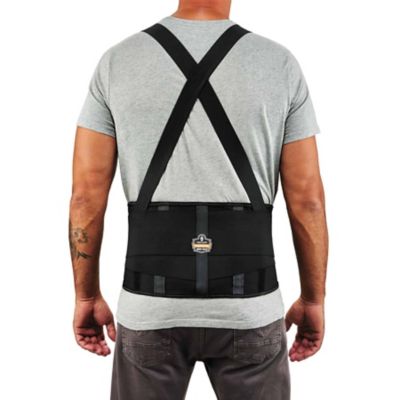
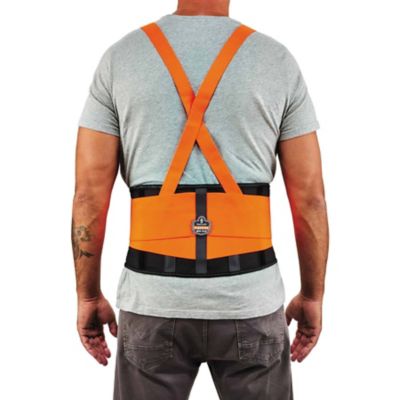
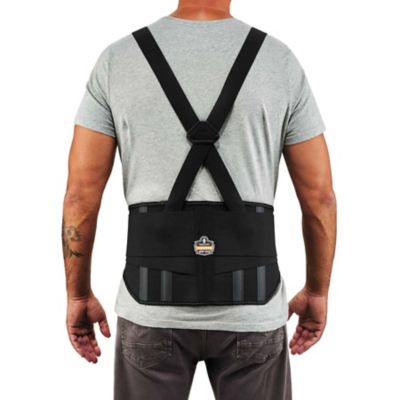
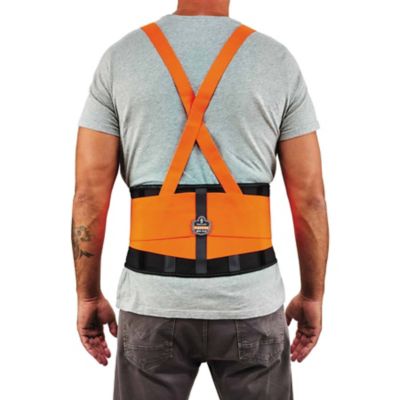
Materials and construction have a lot to do with how a men’s back brace feels through a stretch of wear. Elastic fabric provides stretch and compression, while nylon or polyester panels can add structure without making every part of the belt equally stiff. Mesh sections allow more airflow, and softer edging can help limit rubbing where the support meets the body. Neoprene has a close, flexible feel, though individual comfort varies, especially during active work. Reinforcing stays may be flexible or firm, and their placement affects how the brace follows the lower back. Removable lumbar pads allow changes in cushioning or contact where the design permits, but an extra pad should not be treated as a substitute for proper sizing. Wide hook-and-loop closures provide room for adjustment, while secondary pull straps can make it easier to fine-tune tension after the main belt is fastened. Detachable suspenders on some work-style supports help keep the belt positioned between tasks; they do not increase a person’s safe lifting capacity. Fit starts with the measurement location specified by the manufacturer, which may be around the waist or abdomen rather than the spot where a pants waistband sits. Pants size alone can be misleading because body shape, clothing layers, and sizing charts differ. Torso length also matters. A tall panel that suits one man may press into another man’s ribs or thighs when seated. A well-fitting brace should sit smoothly, stay in its intended position, and feel snug without restricting breathing or causing numbness, tingling, or pinching. Enough adjustment range leaves room to fine-tune the fit over the clothing specified in the product directions. Flat seams, covered stay ends, reinforced stitching, and securely attached closure tabs are worth a close look because those areas handle repeated pulling and movement. For men who spend time driving between chores, the way the lower edge meets the seat can be just as important as how the belt feels while standing. Easy-to-reach tabs also matter when readjusting the fit, particularly for someone with limited hand strength or stiffness.
Care and intended wearing time are part of choosing a back support, not just details to sort out afterward. Sweat, dust, and everyday grime can collect along the lining and closures, so a design with straightforward cleaning directions can be a practical fit for regular chores. Washing requirements vary: some braces allow gentle washing, while others call for spot cleaning or removal of pads and stays before cleaning. The care label should settle those details, since machine washing or drying can damage certain elastic fabrics, foam inserts, and fasteners. Fastening hook-and-loop tabs before washing, when the directions permit, helps keep them from catching on the lining or other fabric. Complete drying before storage helps prevent lingering dampness and odors. Frayed edges, stretched elastic, bent stays, or closures that no longer hold securely can change the way a brace fits and supports the body. A belt that keeps slipping or needs constant tightening deserves another look rather than another hard tug on the straps. Wearing schedules vary with the purpose of the brace, and sleeping in one or wearing it continuously should not be assumed appropriate. For persistent pain, a recent injury, or recovery after surgery, a healthcare professional can help determine whether a brace makes sense and which level of support belongs in the plan. New or worsening symptoms also call for medical attention rather than simply switching to a firmer belt. Back support braces are not a replacement for an evaluation, rehabilitation, or prescribed exercise. As a gift for a husband, father, or another man who has expressed interest in one, personal measurements and comfort preferences matter more than guessing based on build. Whether the goal is support during selected tasks or following a clinician’s recommendation, the strongest match comes down to suitable construction, a steady fit, manageable care, and a clear understanding of what the brace is designed to do.