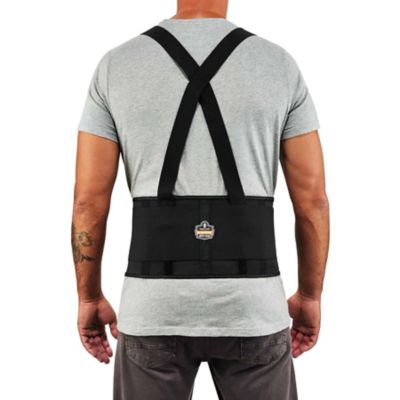
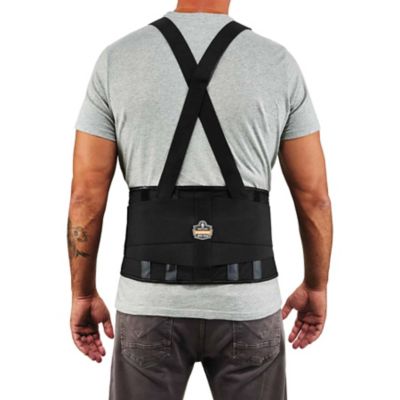
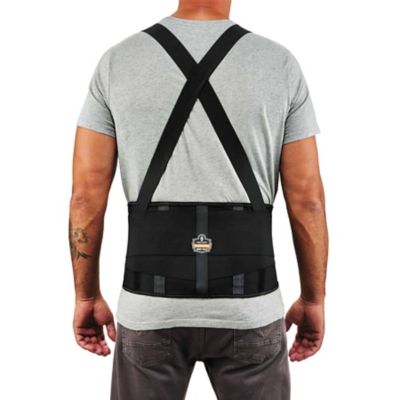
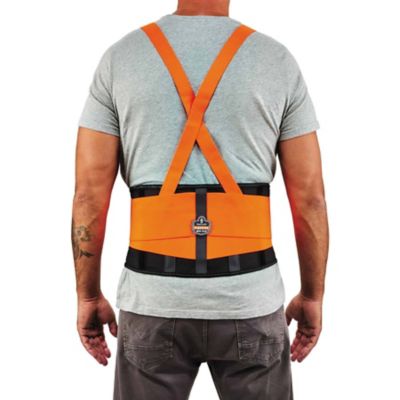
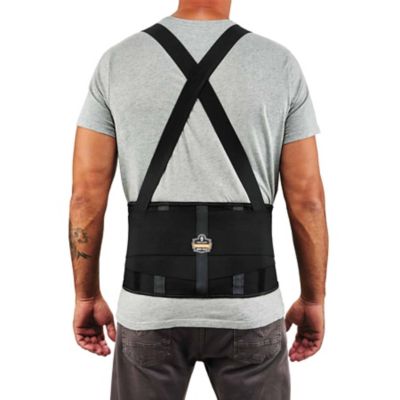
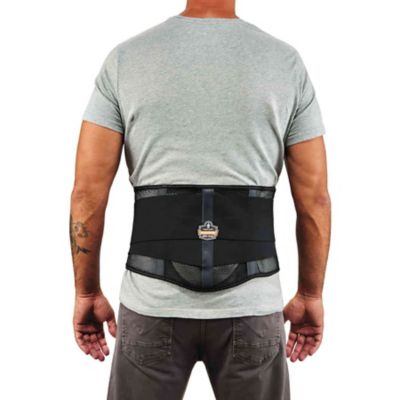
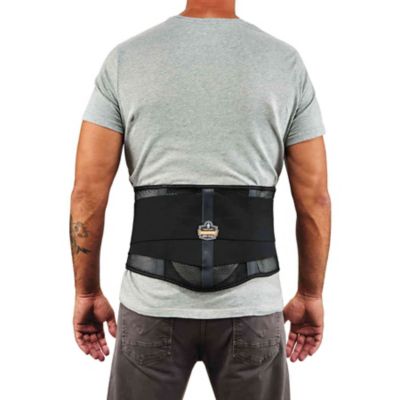
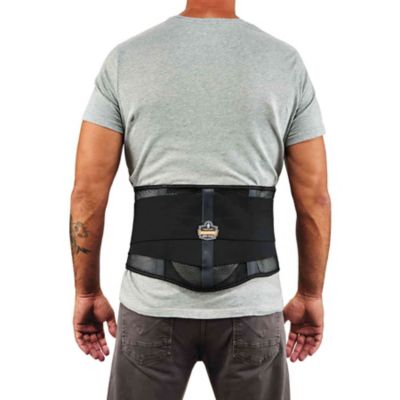
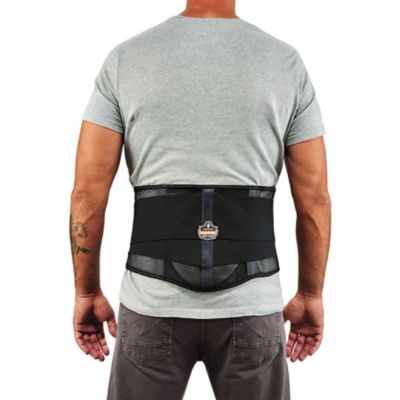
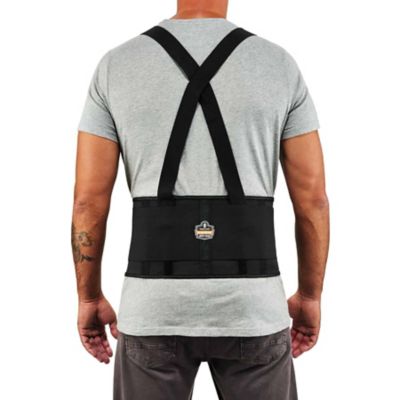
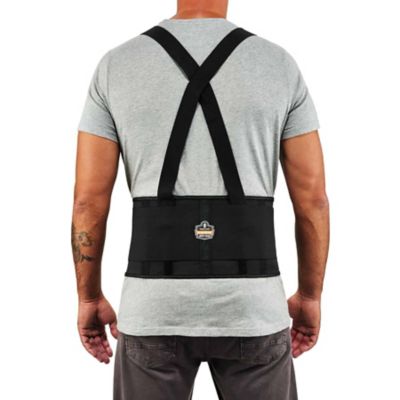
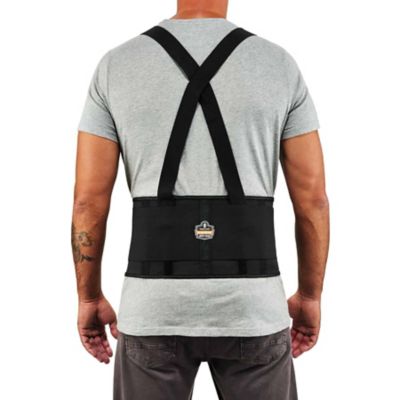
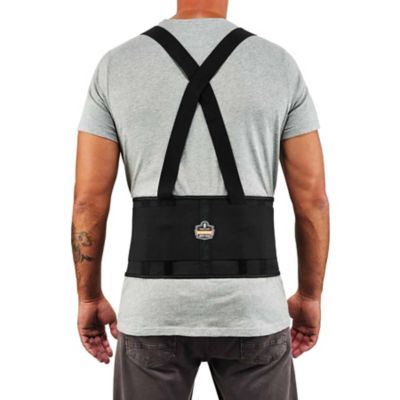
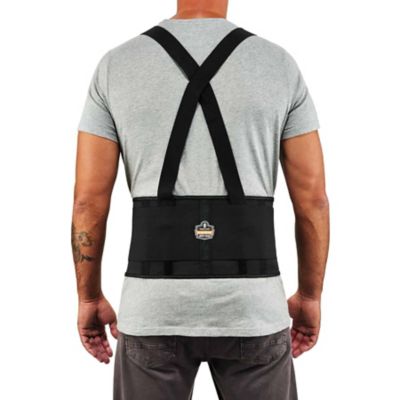
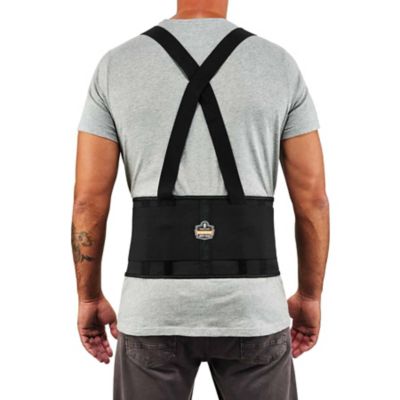
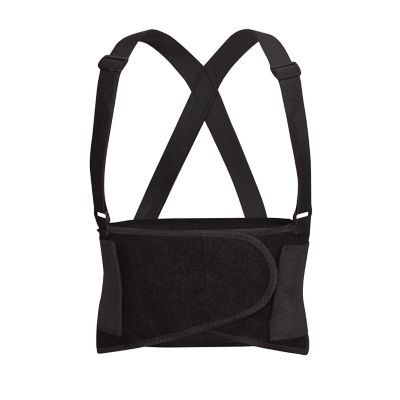
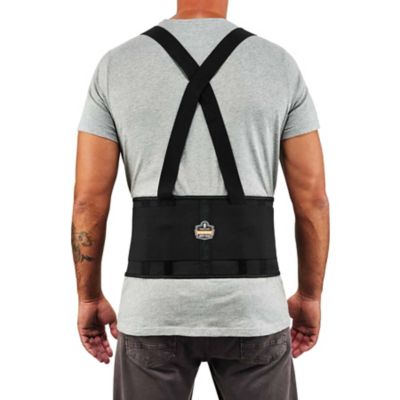
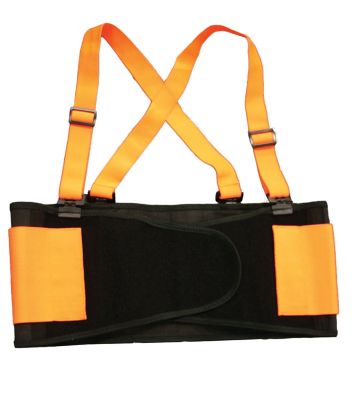
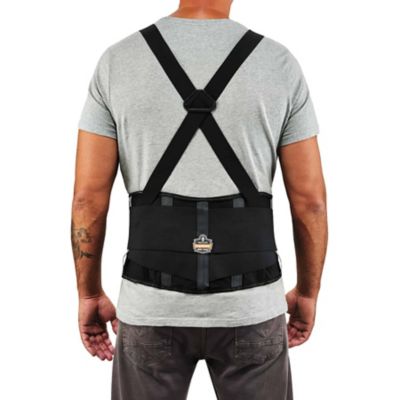
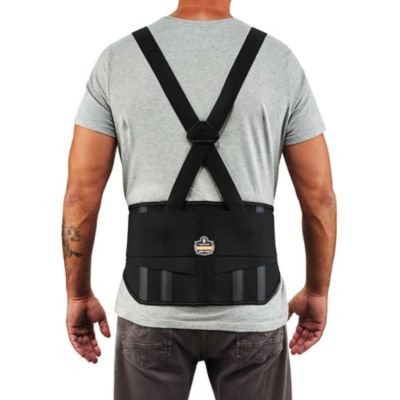
Back braces for heavy lifting are wearable supports that wrap around the lower back and abdomen, offering compression and a sense of support during physical tasks. Often called work back belts or lumbar support belts, they may help a wearer stay aware of body position while handling loads, but they do not increase lifting capacity or guarantee protection against injury. Around a farm, shop, or warehouse, lifting rarely happens in one tidy motion. A feed sack starts on a pallet, a toolbox needs to clear a truck bed, and a carton may need to travel through a narrow doorway before it reaches a shelf. Those situations make freedom of movement, a secure fit, and comfort important parts of choosing a support belt. A brace should work with the task rather than encourage someone to lift more than they can safely manage. Flexible work supports generally differ from rigid medical braces prescribed to limit movement after an injury or procedure, and neither should be confused with a strength-training belt designed for particular gym lifts. Farmers, ranch hands, warehouse workers, delivery crews, and homeowners tackling chores may consider a work back brace as one part of their work setup. Even so, a hand truck, lifting table, team lift, or smaller load often does more to reduce the physical demands of a job. Keeping a load close, avoiding a twist while carrying it, and leaving enough room to move remain important whether a support belt is worn or not. For someone with ongoing back pain, a recent injury, or a medical condition, a healthcare professional can help determine whether a brace is appropriate and what type of support makes sense. The goal is a belt suited to the wearer and the work, not a reason to push through pain or skip lifting equipment when a load calls for it.
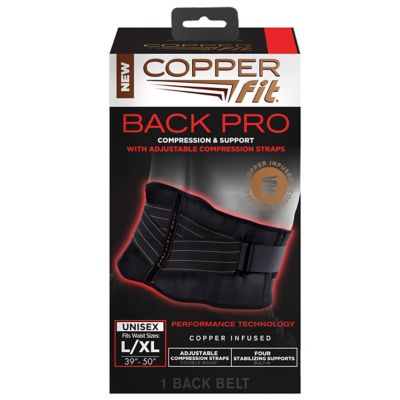
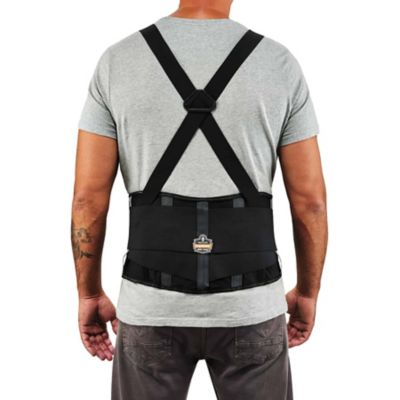
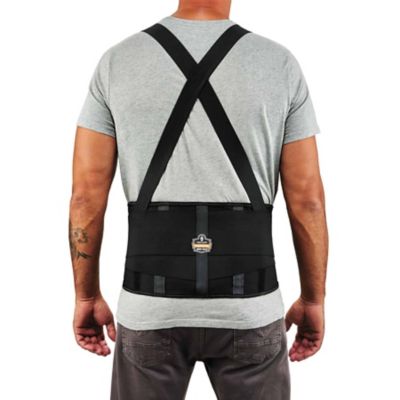
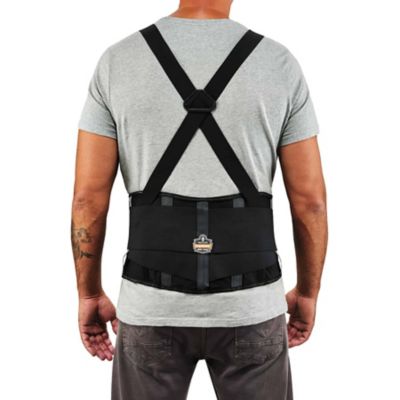
Materials and construction shape how a heavy-lifting back brace feels through a stretch of work. Elastic panels provide give around the waist, while woven fabrics can add structure where the belt needs to hold its shape. Mesh sections allow airflow, and soft edging can help reduce rubbing where the support meets a shirt or the hips. Some designs include flexible stays or reinforcing panels to help the back section resist rolling or bunching. These features vary in firmness, so a wider or stiffer belt is not automatically a better match for every person. A tall back panel may feel supportive while standing yet press against the ribs or hips when sitting in a tractor seat. A lower-profile design may fit more easily beneath work clothing, though the amount of coverage will differ. Double-pull straps offer another point of adjustment beyond the main closure, making it possible to fine-tune compression within the manufacturer's directions. Hook-and-loop closures need enough overlap to hold securely without leaving a loose end that catches on clothing. Suspenders, when included, help keep the belt positioned; they do not turn it into a lifting harness or add to the weight someone can safely carry. Removable suspenders may suit a wearer who prefers fewer straps around the shoulders, while attached styles may appeal to someone whose belt tends to slide between tasks. Fit depends on the measurement specified by the manufacturer, which may differ from a familiar pants size. The intended wearing position matters, too, since waist and abdominal measurements are not always the same. A properly fitted support should feel snug without restricting normal breathing, pinching, or causing numbness. Everyday movements tell plenty about comfort: reaching toward a workbench, sitting down, and walking should not make the edges dig in or the closure pull apart. Compatibility with tool belts, workwear, and required protective equipment deserves attention as well, especially when several layers or straps meet at the waist.
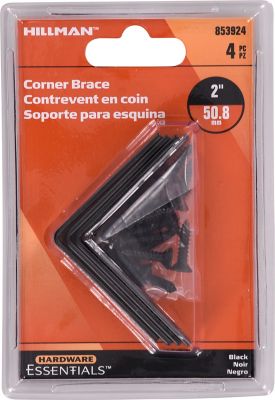
Care and intended use matter just as much as the first fit. Feed dust, sawdust, and lint can collect in hook-and-loop fasteners, while repeated stretching and rough handling can wear on elastic, stitching, and strap attachments. Firm seams, neatly finished edges, and well-secured adjustment points are worth a close look because those areas take repeated strain as a belt goes on, comes off, and moves with the wearer. Cleaning directions vary by fabric and construction; some supports call for hand washing and air drying, while others permit a different routine. Following the care label helps preserve elasticity and keeps removable parts from being damaged during washing. Fastening closures before cleaning, when the instructions call for it, can also keep them from snagging nearby fabric. Between wears, a clean, dry storage spot away from sharp tools helps protect the belt from cuts and unnecessary wear. Stretched panels, cracked stays, unraveling seams, or fasteners that no longer grip are signs that a support may no longer function as intended. Wearing schedules should follow the product directions and any advice from a healthcare professional rather than an assumption that tighter compression or longer wear means more protection. A work support may suit certain lifting tasks without being appropriate for driving, extended sitting, or every chore throughout the day. For shared work settings, individual sizing and personal comfort matter more than treating one belt as a fit for the whole crew. As a practical gift for someone who spends time moving supplies or working around the property, a back support requires a little more planning than a pair of work gloves: correct measurements, the recipient's preferences, and any medical needs should come first. The word brace also appears in shop and building supplies, but those products serve a different purpose.
Steel Braces are structural hardware, not wearable back supports. For lifting work, the useful distinctions are the support's coverage, flexibility, adjustment range, care needs, and fit with the job at hand. A well-matched belt should complement sensible load handling and the right equipment without getting in the way of either.