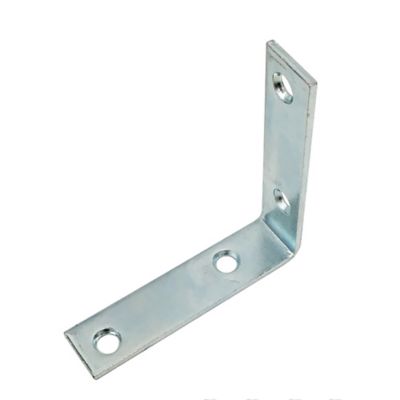
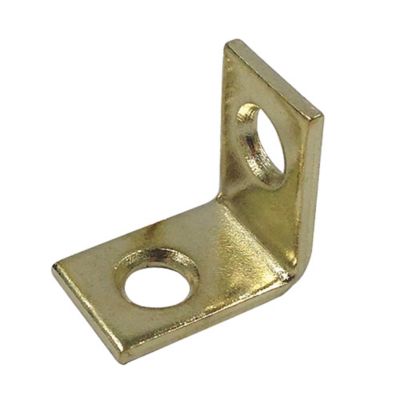
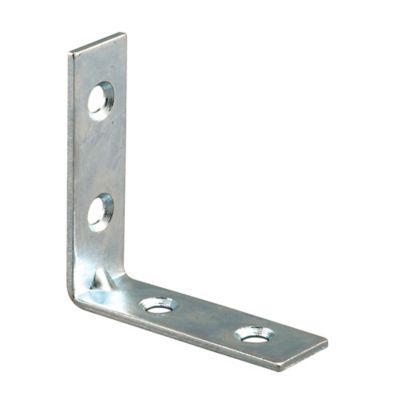
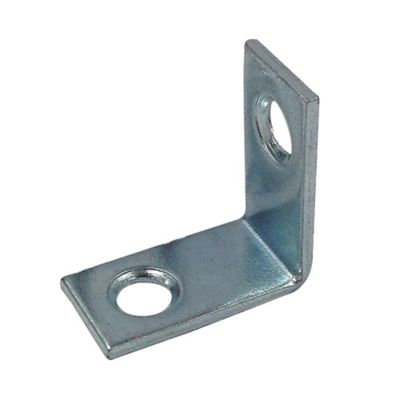
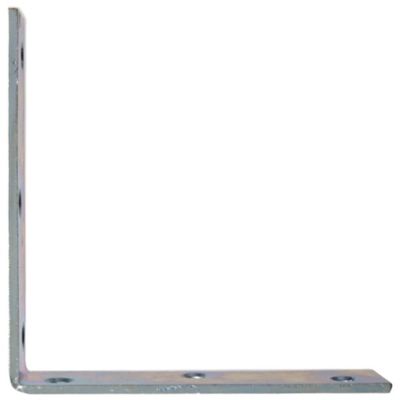
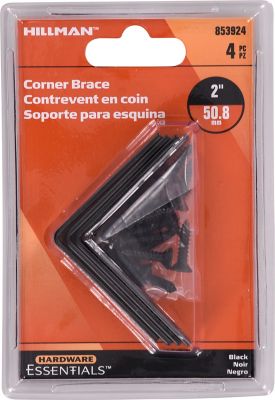
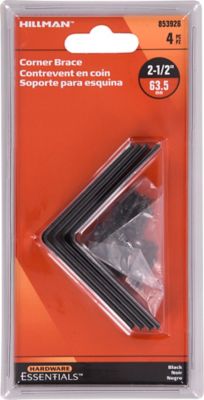
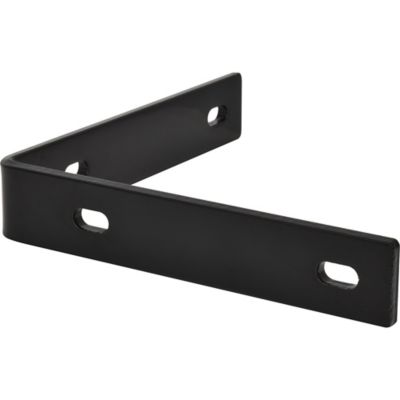
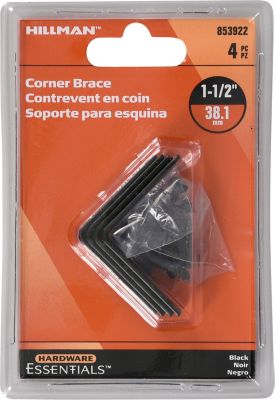
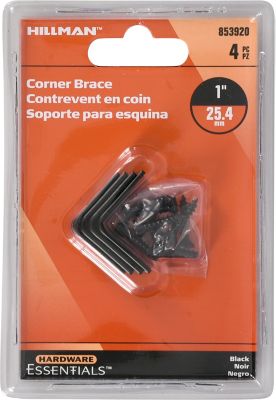
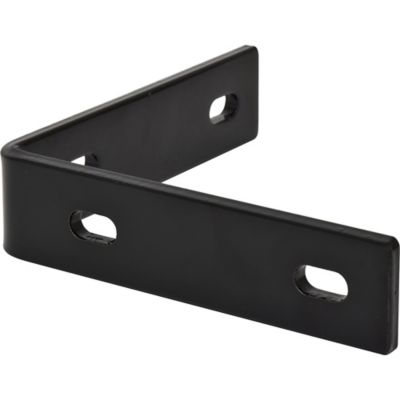
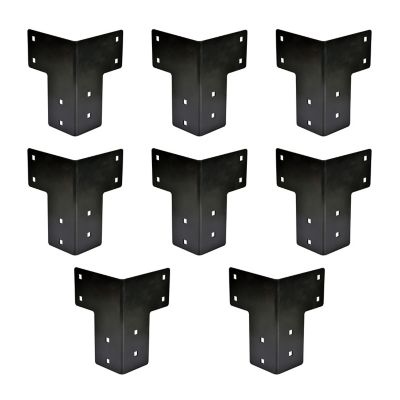
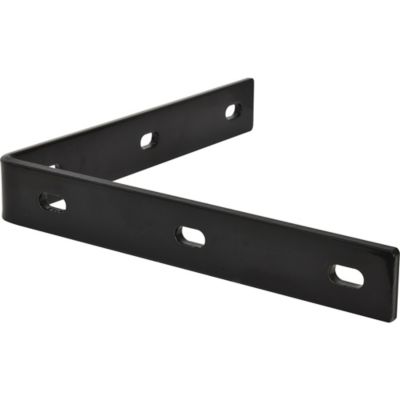
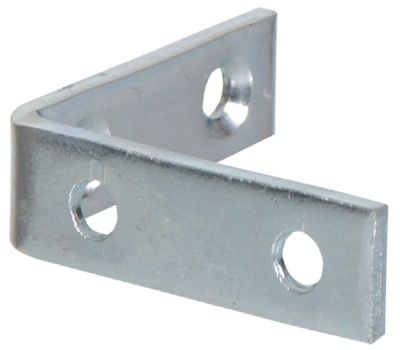
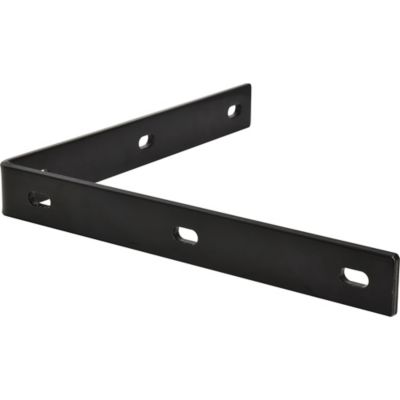
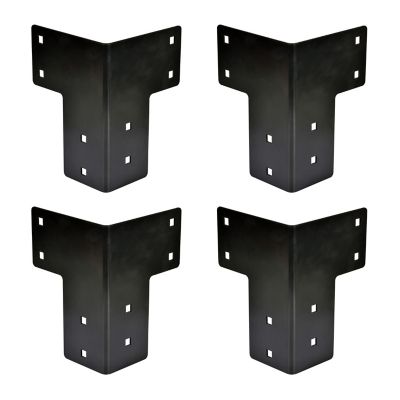
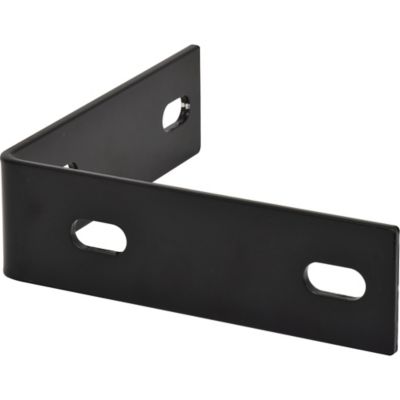
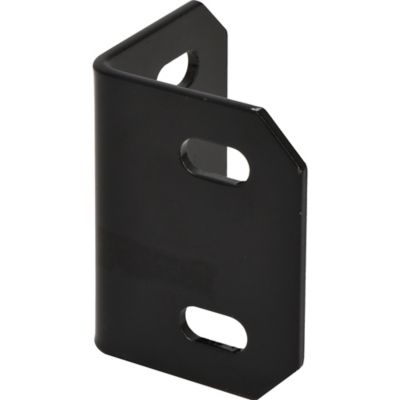
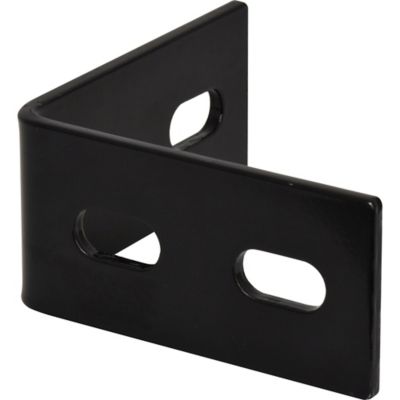
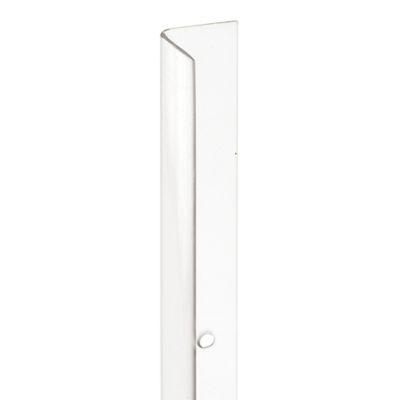
90-degree braces are right-angle connectors that join, support or reinforce two surfaces where they meet at a square corner. Also called L-brackets, corner braces or angle braces, they help hold adjoining pieces in position and limit movement at a joint. That makes them a practical part of furniture repairs, workbench assembly, cabinet construction and other jobs around the house, barn or workshop. A brace tucked inside a wooden frame can add support without taking up much room, while a larger angle may suit a more substantial connection when its specifications match the job. The basic shape is simple: two legs meet at a 90-degree bend, with mounting holes for screws or bolts. The details of that shape make a difference, though. Leg length determines how far the brace reaches along each surface, width affects its footprint, and metal thickness contributes to stiffness. Hole spacing matters just as much, especially on a narrow board where fasteners need enough distance from the edges to avoid splitting the wood. For a bench that shifts when a tool gets set down, or a storage cabinet with a corner that needs reinforcement, a well-fitting brace can help firm up an otherwise sound assembly. It cannot make up for rotten lumber, cracked framing or a joint that has already pulled apart. The surfaces still need to meet correctly, and the brace should sit flat rather than rock across an uneven edge. Inside corners, outside corners and recessed mounting locations may call for different shapes or offsets, even when each connection forms the same right angle. Clearance also counts: a bracket that fits the joint on paper may interfere with a drawer, cabinet door or nearby bolt head once everything comes together. Matching the brace to the actual space helps keep the finished repair tidy and functional. A square, a tape measure and a clear look at both mounting surfaces can tell a lot more about fit than the overall length alone.
Material and finish help determine where a corner brace belongs and how much attention it may need over time. Steel offers stiffness for many general repair and assembly tasks, while stainless steel can suit locations where moisture or frequent cleaning makes corrosion resistance important. Galvanized steel has a zinc coating that helps protect the underlying metal, although suitability depends on the coating, the surrounding materials and the exposure involved. Painted or powder-coated surfaces add another finish option, but scratches and worn mounting points can leave metal exposed. Around livestock areas, wash spaces or equipment that gets wiped down often, those details deserve a closer look. Contact with treated lumber also calls for compatible connectors and fasteners, since some wood-treatment chemicals can accelerate corrosion in unsuitable metals. The whole connection matters, not just the bracket. Screws need the right diameter, length and head style for the mounting holes and the material underneath. A head that seats properly helps the brace lie flat, while sufficient engagement gives the fastener something solid to grip. Bolted connections may call for washers and nuts where the assembly permits them. Hollow walls, thin panels and soft or damaged wood present different challenges from solid framing or sound lumber. A long screw alone does not establish a dependable load path, and a thick brace does not automatically create a high-capacity connection. Published load information, when provided, applies to the mounting arrangement and conditions specified by the manufacturer. The direction of force matters, too: weight pushing downward, a frame pulling apart and a side-to-side shove place different demands on the joint. Small furniture corner braces are not substitutes for rated structural connectors, and a simple L-shaped bracket should not be assumed suitable for overhead loads, climbing surfaces or other safety-critical applications. For those jobs, the connector, fasteners and supporting structure need to meet the applicable design requirements. That distinction helps separate everyday reinforcement from connections that need a more carefully specified solution.
Appearance matters most where the connection stays in plain sight. A brace inside a utility cabinet may need little more than a neat fit, while exposed hardware on an open shelf or shop-built bench becomes part of the finished look.
Black Braces can blend with dark hardware or stand out against lighter wood, depending on the surrounding surfaces. Finish alone does not establish strength or corrosion resistance, so appearance belongs alongside the mounting dimensions and intended application rather than ahead of them. Rounded edges, an unobtrusive profile and properly seated fasteners can also make exposed corners less likely to snag a sleeve or catch a cleaning cloth. In a busy workshop, that small detail can matter as much as how the hardware looks. Farmers, property owners, woodworkers and folks keeping a garage organized may all reach for right-angle braces when a sound assembly needs a little more support at the corner. A lumber rack, storage frame or work surface brings its own demands, so the best match depends on the construction and forces involved rather than the project name alone. Access for later inspection is worth considering, especially on furniture or equipment that moves often. A quick look can reveal a loose screw, a bent leg, a cracked board or rust developing around a mounting hole. Cleaning away dirt and buildup makes those changes easier to spot, and care should follow the guidance for the brace’s metal and finish. Loose connections deserve attention before repeated movement enlarges the holes or damages the surrounding material. If a joint keeps shifting after reinforcement, the underlying construction may need repair rather than another bracket layered on top. With the right fit, compatible hardware and a sound mounting surface, 90-degree braces offer a straightforward way to support square connections across a wide range of everyday building and repair work.