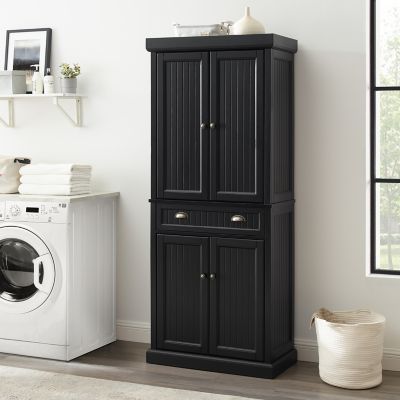
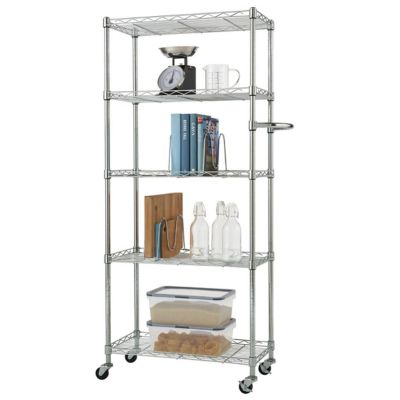
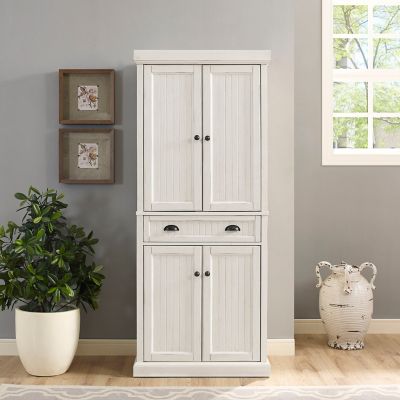
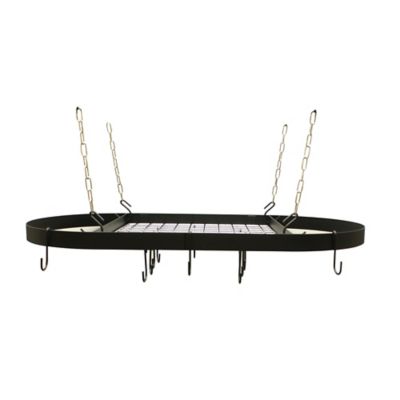
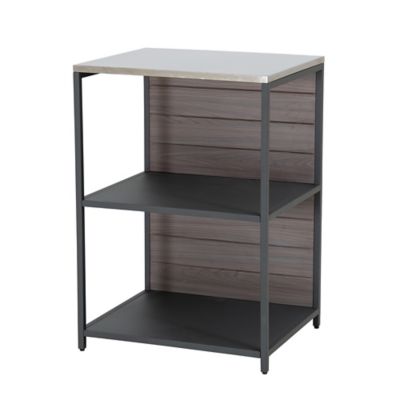
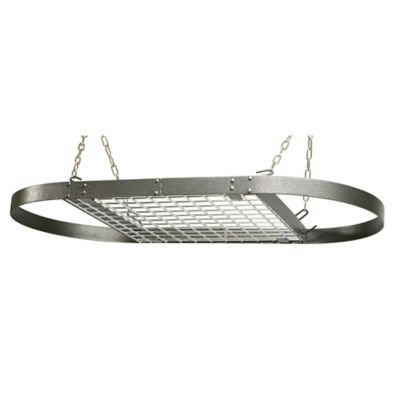
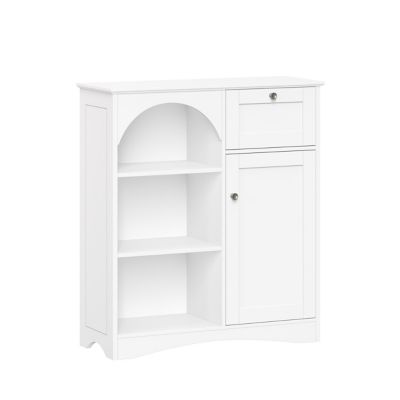
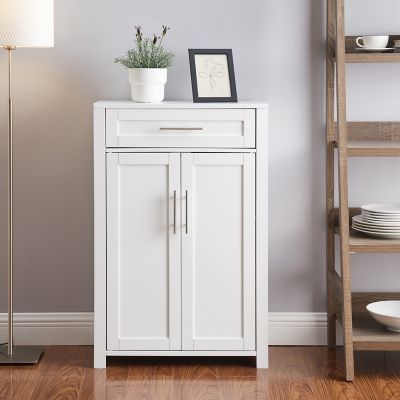
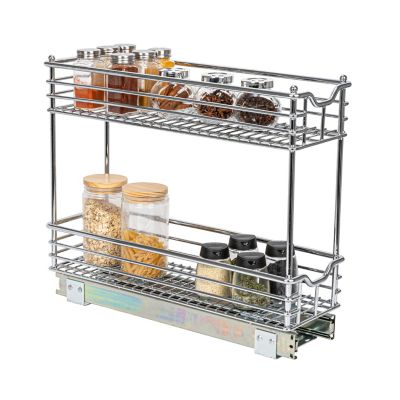
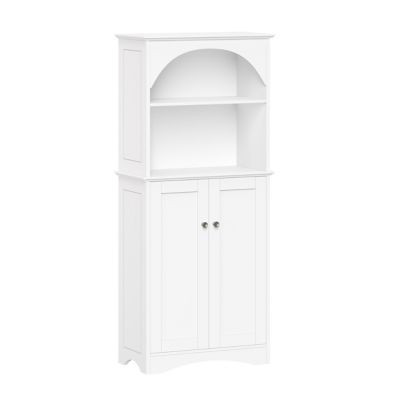
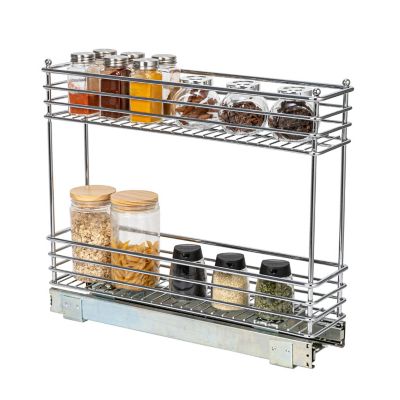
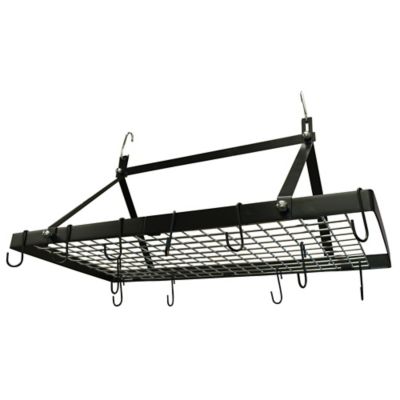
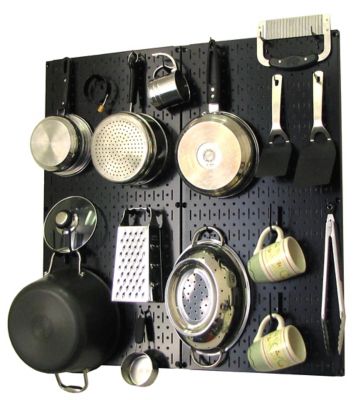
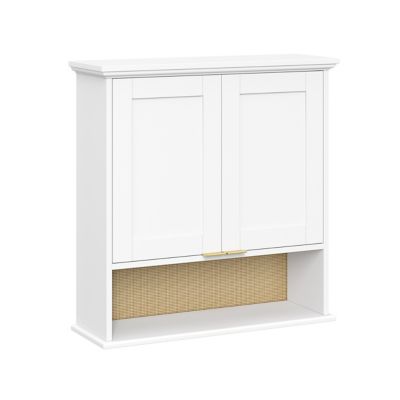
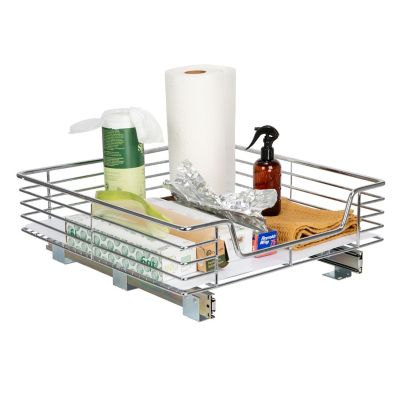
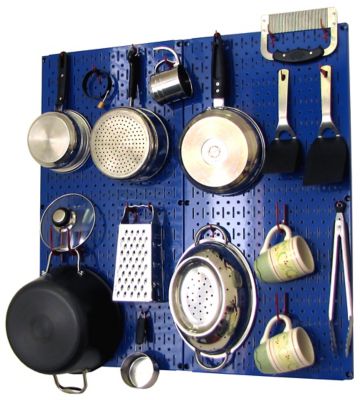
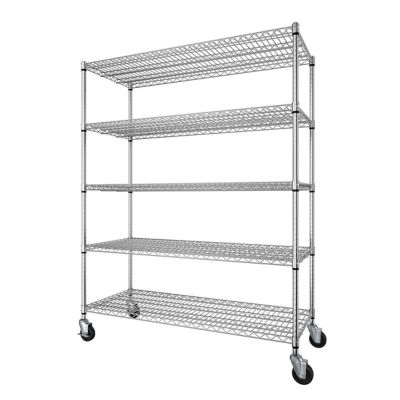
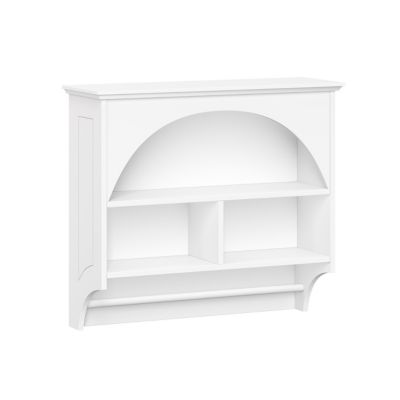
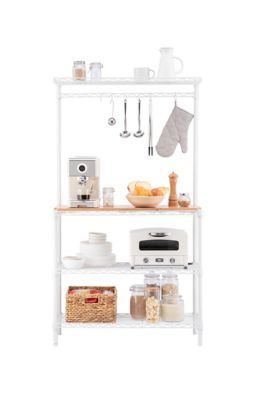
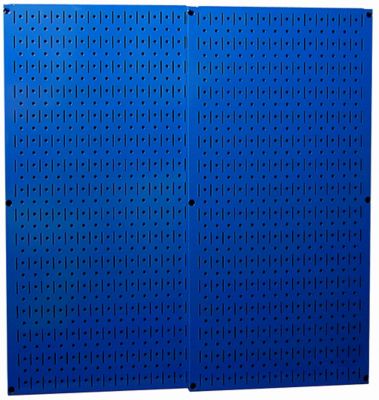
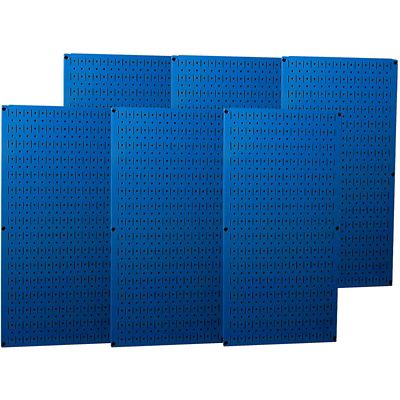
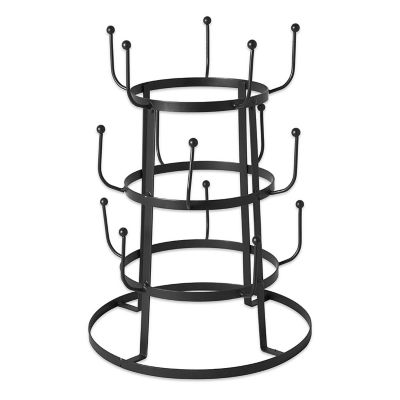
Kitchen storage brings everyday cooking supplies into order with cabinet organizers, drawer dividers, food containers, wall racks, and freestanding pantry cabinets. Each type serves a different purpose: vertical racks make room above a work surface, pull-out organizers bring the back of a cabinet within reach, and freestanding cabinets add enclosed storage where built-in cupboards fall short. A well-arranged kitchen leaves space for chopping vegetables, packing lunches, and setting down a full casserole dish without first moving a pile of odds and ends. In a busy farmhouse kitchen, that might mean keeping breakfast supplies together while giving stockpots and baking pans their own spot. In a smaller home, it might mean making better use of a narrow cabinet or an overlooked stretch of wall. Fit matters as much as overall capacity. Cabinet openings, interior shelf depth, drawer height, and clearance around hinges all affect how an organizer sits and moves. A pull-out tray needs enough room to slide past the door, while a freestanding pantry needs clearance for its doors without blocking a walkway. Wall-mounted storage also needs a suitable mounting surface and hardware matched to the wall construction and expected load. Shelf risers can separate short stacks of dishes, but there still needs to be enough room above each stack to lift a plate out comfortably. Deep cabinets often work better with bins or sliding trays that keep small packages from disappearing behind larger containers. Adjustable shelves offer flexibility for everything from cereal boxes to tall serving pitchers, while narrow racks can keep lids and cutting boards upright instead of stacked flat. Countertop storage has its place, too, especially for supplies that come out at every meal. The goal is not to fill every inch. Kitchen storage works best when it gives frequently reached-for supplies a clear home and leaves enough breathing room to put them away again. Storage that fits the way a household cooks tends to stay organized longer than an arrangement built around appearance alone.
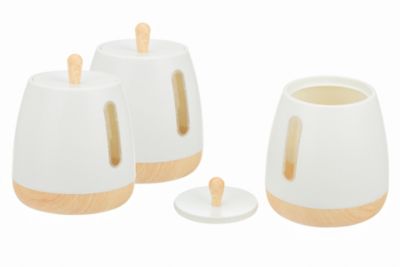
Materials help determine how kitchen storage handles spills, repeated cleaning, and the weight of everyday supplies. Metal racks and organizers offer firm support for cookware and dishes, though finish care matters, especially around sinks where splashes are common. Stainless steel generally resists rust, while coated metal needs care that protects its surface from scratches and chipped edges. Glass food containers make contents easy to see and do not readily hold odors, but their weight and potential for breakage deserve consideration on high shelves or in homes with young children. Plastic containers are often lighter and easier to move, with food-contact suitability and cleaning directions worth checking before they hold flour, rice, or snacks. Wood and bamboo bring a warm look to shelves and counters, but standing water and prolonged soaking can cause swelling, splitting, or changes in the finish. A wipe-down followed by thorough drying is often a better fit for those materials, depending on the manufacturer's care directions. For dry-food storage, a well-fitting lid helps limit exposure to moisture and household pests; an airtight seal is especially helpful for foods that lose their texture when left open. Container capacity should match both the amount of food and the space where it will sit. A tall canister may hold plenty of flour yet be awkward beneath a low shelf, while a wide opening makes scooping and cleaning easier. Stackable shapes can make better use of shelf space when their bases and lids sit securely together. Labels help distinguish similar-looking ingredients, and keeping preparation directions, allergen information, and expiration dates with transferred foods prevents confusion later. Strength matters beyond the container itself. Shelf weight ratings, mounting hardware, drawer slides, and cabinet stability all affect how storage holds up under repeated use. Heavy cookware belongs on supports rated for its load, and tall cabinets may need anchoring according to their assembly instructions. Removable liners and accessible corners also make crumbs and spills easier to clean before they become a bigger chore.
Kitchen storage feels most useful when it follows the daily routine of the people who cook, clean, and gather there. Baking supplies grouped near a mixing area cut down on trips across the room, while plates and glasses near the dishwasher make unloading less of a shuffle. Pots and pans need enough space to come out without dragging several others along, and upright dividers can keep baking sheets, cutting boards, and pan lids easy to spot. Drawer organizers help separate measuring spoons, serving utensils, and small kitchen tools so a quick search does not turn into emptying the whole drawer. Under-sink storage has a different job: it must fit around plumbing and leave access for maintenance, with household cleaners kept separate from food and secured where children cannot reach them. For pantry shelves, visibility can matter more than squeezing in another package. Clear bins, open baskets, and reachable shelf heights make it easier to see what belongs together and bring older food toward the front. The related
Pantry Storage Solutions page covers storage for that part of the kitchen, where dry goods and meal staples often need more space than a countertop can spare. Families packing several lunches may appreciate a dedicated place for food containers and matching lids, while a household that cooks large meals needs room for mixing bowls, roasting pans, and serving dishes. Comfortable reach matters for older adults and anyone who finds bending or lifting difficult; frequently handled supplies are easier to manage between waist and shoulder height. Renters may favor freestanding or removable organizers that do not require permanent changes. Kitchen storage can also make a practical housewarming gift for someone setting up a first home, particularly when its size and care needs suit the recipient's space. Whether the kitchen feeds a pair of people or a tableful of family, storage earns its place by making everyday supplies easier to reach, helping protect food, and keeping work surfaces ready for the next meal.