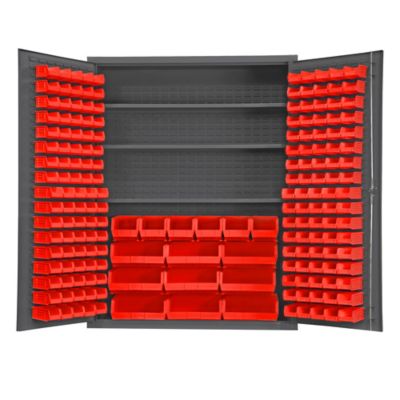
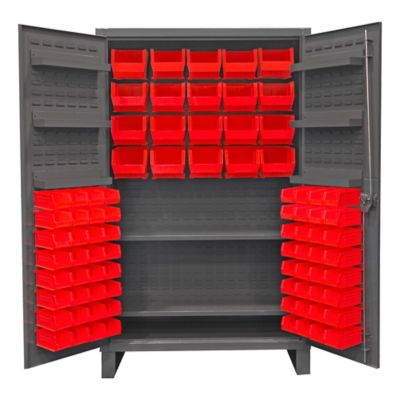
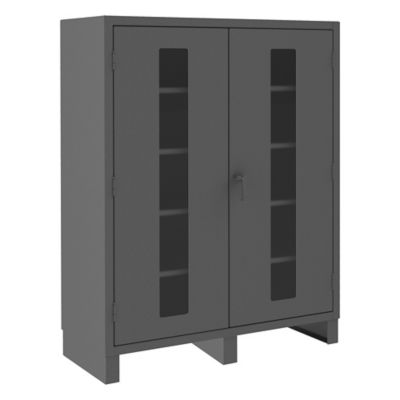
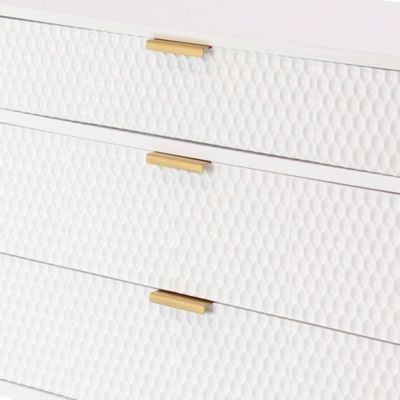
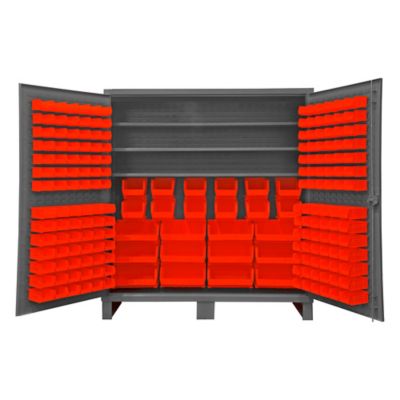
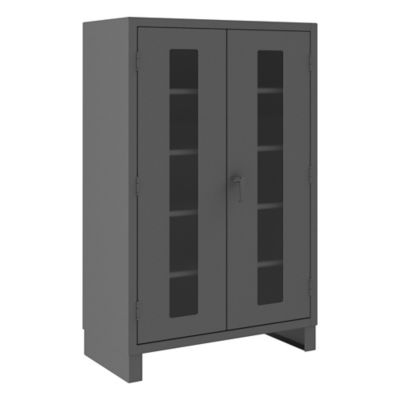
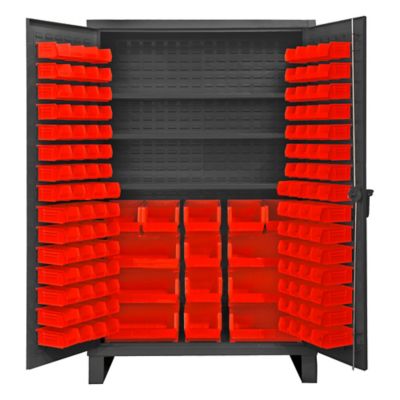
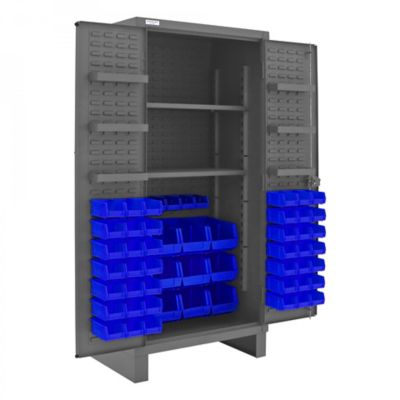
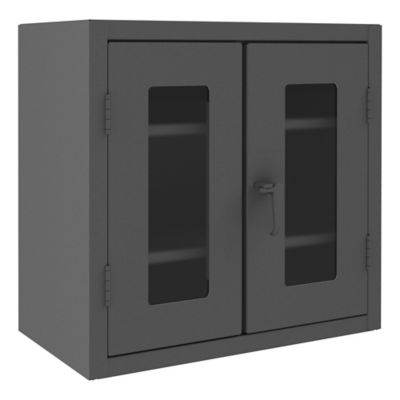
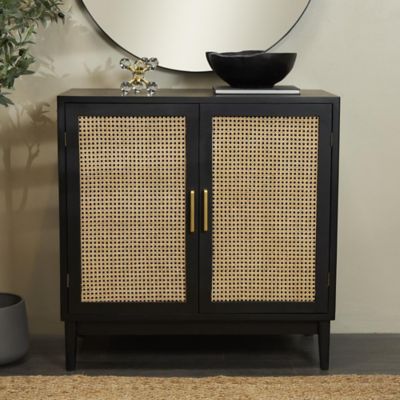
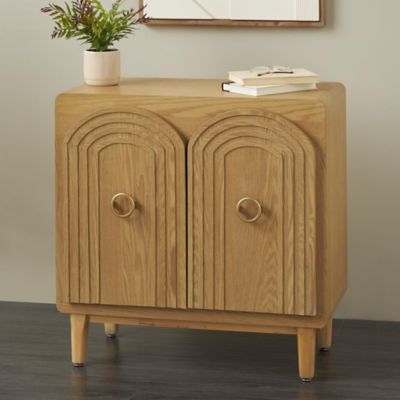
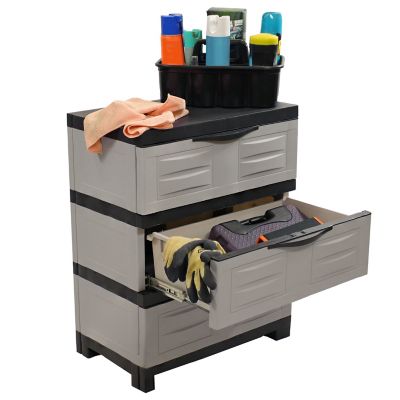
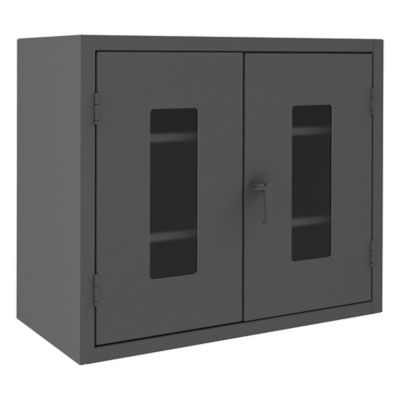
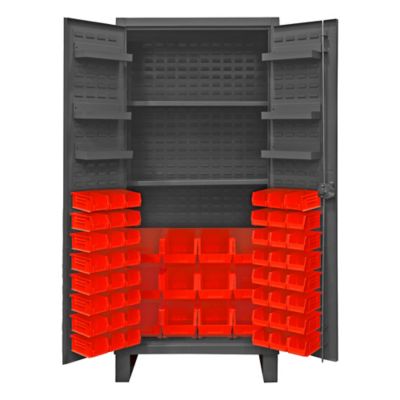
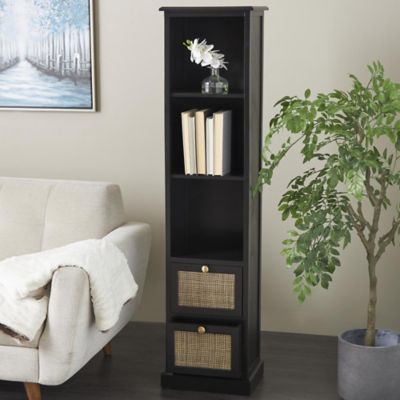
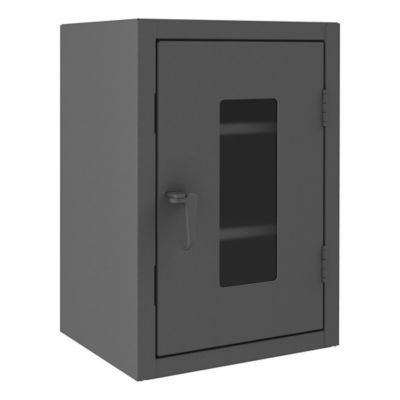
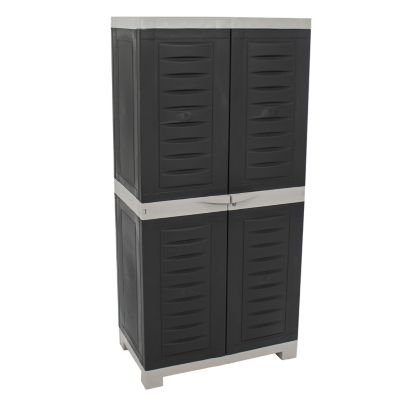
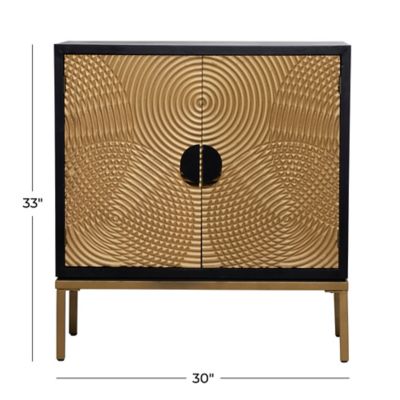
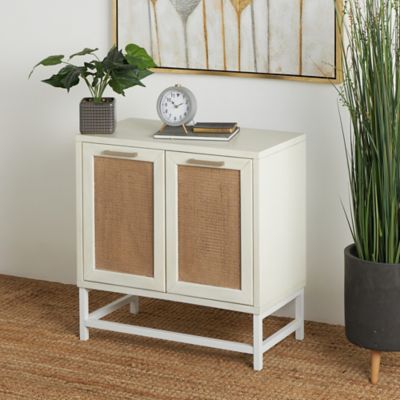
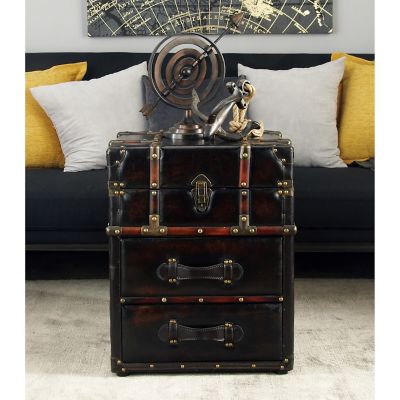
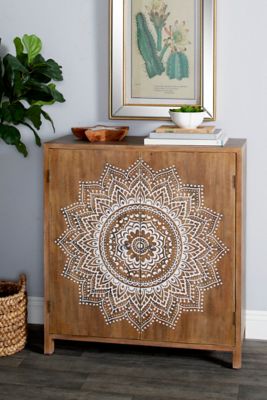
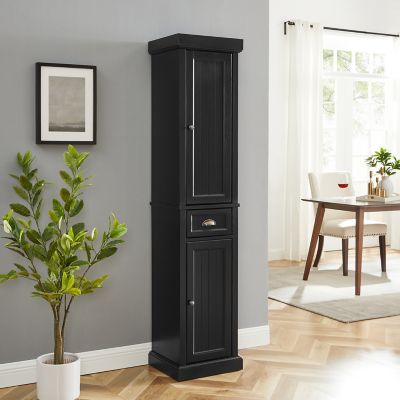
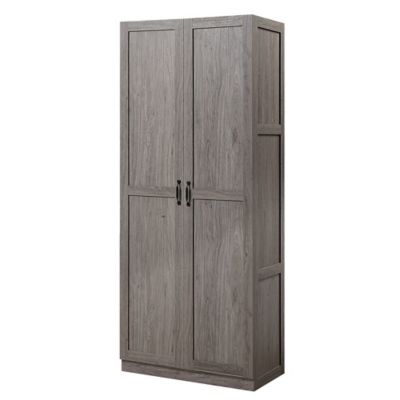
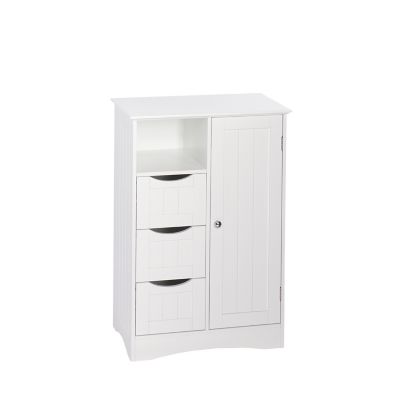
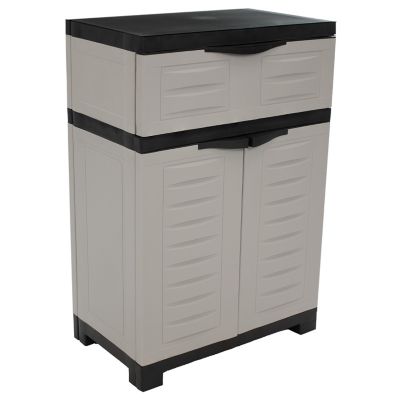
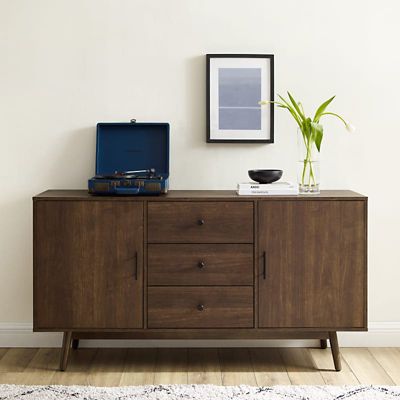
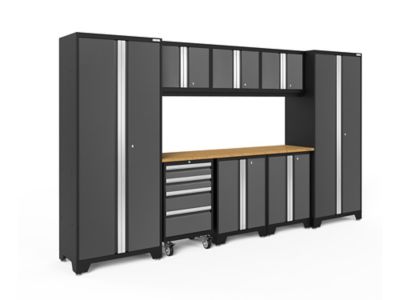
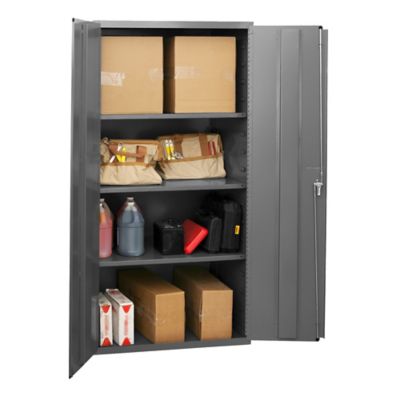
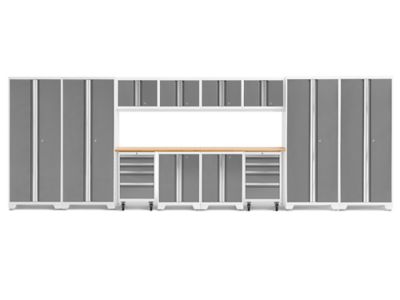
Indoor storage cabinets keep household supplies, tools, paperwork and everyday belongings behind doors, giving busy rooms a little breathing room. Common cabinet materials include wood, metal and heavy-duty plastic, with each offering different benefits for appearance, upkeep and everyday use. Wood and wood-based cabinets often fit naturally into living spaces, home offices and entryways, where a finished surface can help storage feel like part of the room. Solid wood, plywood and engineered wood differ in construction and care needs, so the material beneath a painted or laminated surface matters just as much as the finish. Metal cabinets suit utility rooms, indoor workshops and workspaces where shelf strength and easy cleanup take priority. Steel construction can handle demanding storage jobs when the cabinet and shelves are rated for the load, though scratches in protective coatings deserve attention. Plastic and resin cabinets can be practical for household supplies and lighter equipment, particularly where a wipe-clean surface is helpful. Their weight limits and resistance to particular cleaning products vary, so material alone does not tell the whole story. Across these categories, tall cabinets make use of vertical space, short cabinets can fit beneath windows, and wall-mounted cabinets leave the floor open underneath. Full-height doors conceal larger sections of storage, while separate upper and lower compartments let different supplies have their own place. A cabinet near the laundry area might hold detergent, cloths and spare linens; one in a farm office might keep manuals, record books and printer supplies together. The best match depends on what needs a home, how often it gets reached for and whether the cabinet belongs in a living area or a hard-working utility space. For a household juggling chores, paperwork and hobbies, enclosed storage helps keep those different parts of the day from spilling across every countertop.
A cabinet’s outside dimensions are only part of the fit. Interior shelf depth, the width of the door opening and the space between shelves determine whether belongings actually sit comfortably inside. Tall bottles need enough overhead clearance, deep containers need front-to-back room, and a wide appliance may not pass through a narrow opening even when the cabinet itself looks large enough. Adjustable shelves make it easier to change the layout as storage needs change, while fixed shelves may suit a steady collection of supplies. A full-width compartment leaves room for taller equipment, and divided sections can separate small essentials from larger containers. Shelf ratings and total cabinet capacity are separate measurements worth comparing with the planned load. Heavy belongings generally belong low in the cabinet to help keep weight near the floor, but that does not replace proper anchoring. Tall cabinets need the tip-restraint hardware and installation method specified by the manufacturer, and wall-mounted cabinets need fasteners and wall support suited to their loaded weight. Door swing also matters in a narrow mudroom, beside a washer or along a busy hallway. A cabinet should open without blocking a doorway, hitting nearby furniture or leaving too little room to stand and reach inside. Handles, hinges and latches make a difference through repeated opening and closing, especially when hands are full of towels or work supplies. Leveling feet can help accommodate a slightly uneven floor when included in the cabinet’s design. Lockable doors may help limit access, but a lock alone does not make every cabinet suitable for hazardous materials. Cleaning chemicals, medicines and other potentially harmful supplies need storage that follows their labels and keeps them away from children, pets and food. For daily essentials, shelves within comfortable reach can save a lot of bending and stretching; heavier belongings overhead can be awkward to retrieve even when the shelf can support them.
Everyday upkeep helps indoor storage cabinets stay useful and presentable through years of household traffic. Painted and laminated surfaces generally benefit from a soft cloth and a cleaner approved for the finish rather than abrasive pads that can leave scratches. Wood-based panels need prompt attention to spills, especially around exposed edges, joints and the base, where lingering moisture can cause swelling. Metal cabinets benefit from regular checks around hinges, shelf supports and chipped coatings, with any touch-up work handled according to the manufacturer’s directions. Plastic surfaces also need compatible cleaners, since strong solvents can affect some materials. Shelf liners or trays can catch drips when they are suitable for the cabinet surface, but they should not hide a leak or trap moisture underneath. Clear interior organization matters just as much as a tidy exterior. Frequently reached-for supplies work well toward the front, while clearly marked containers help keep small parts from disappearing behind larger belongings. In a laundry room, keeping cloths separate from cleaning liquids can make the next chore easier to start. In a home office, a shelf for equipment manuals means the instructions for a mower or pressure washer have a place to return after a repair. In a hobby room, enclosed compartments can keep project materials off the dining table without making them hard to find again. The cabinet’s intended location still sets the limits: an indoor cabinet should not be assumed suitable for a patio, porch or other outdoor space. For storage beyond the house,
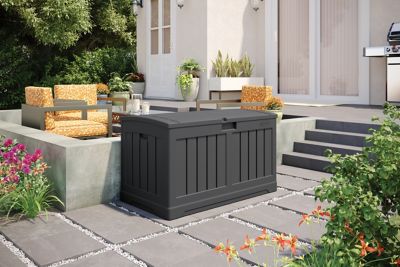
Outdoor Resin Storage Cabinets provide a separate category to consider, with placement and capacity requirements of their own. Inside, the right balance of usable space, sensible shelf layout and straightforward care gives everyday belongings a dependable place to land, whether the goal is clearing a workbench, reclaiming a hallway or keeping household supplies together.