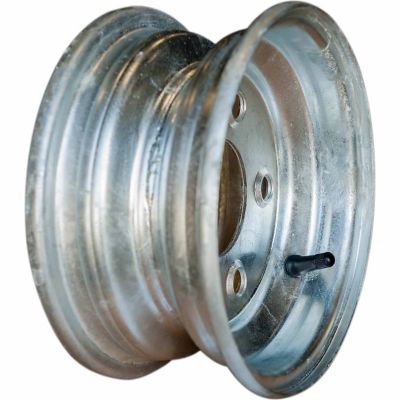
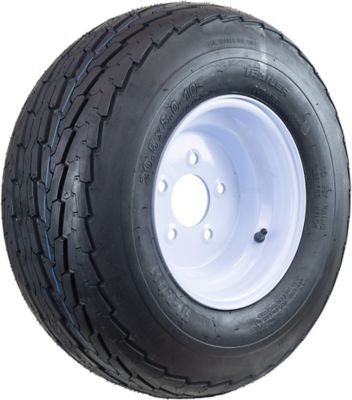
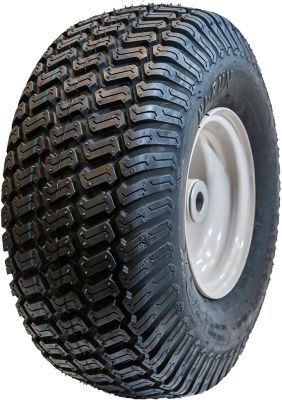
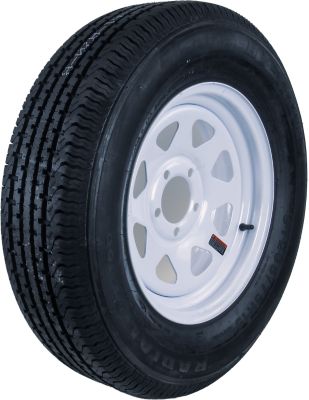
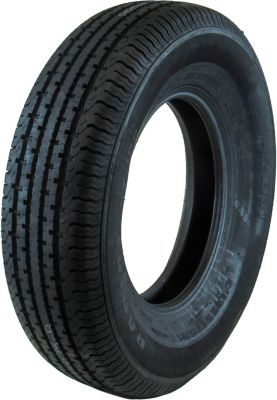
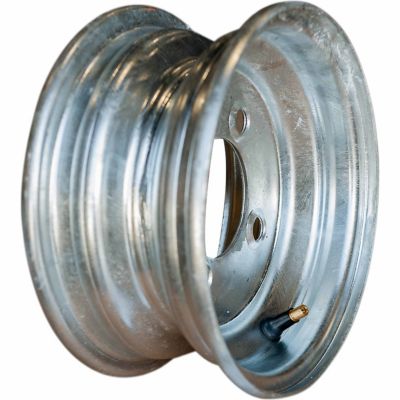
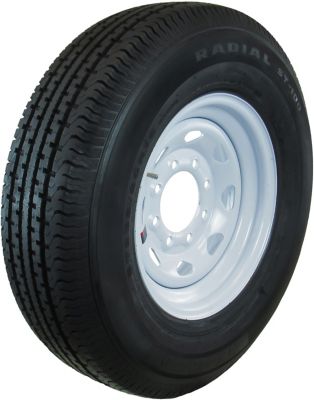
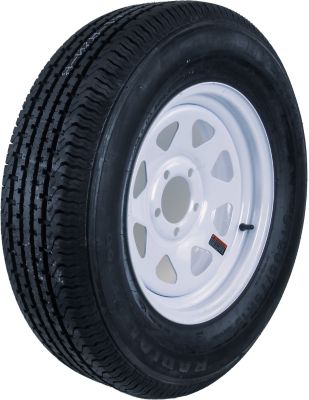
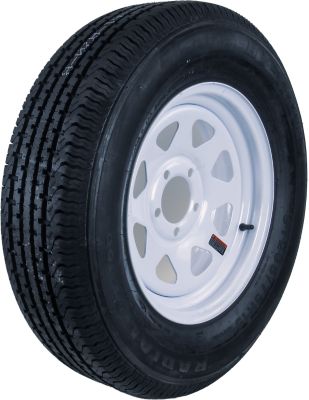
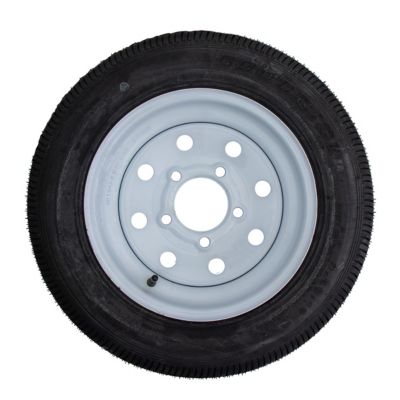
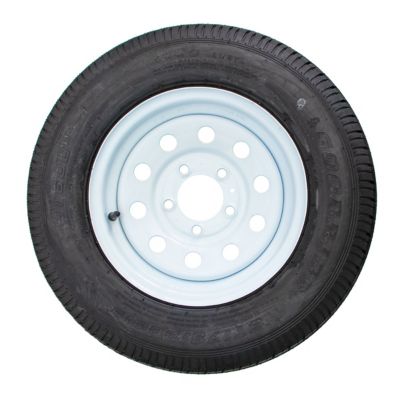
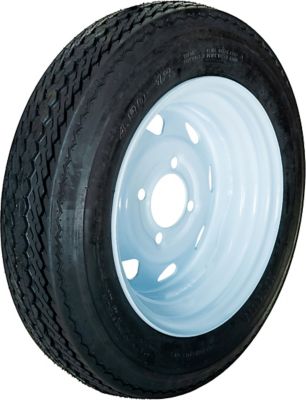
Aluminum trailer wheels are a practical way to refresh the look and performance of a utility, boat, cargo, livestock, landscape, or recreational trailer. Compared with steel, aluminum is significantly lighter, which can help reduce the amount of unsprung weight carried by the trailer and may make towing feel a little easier, especially behind a smaller truck or SUV. The difference is noticeable when handling a wheel by hand, too—useful when changing a tire beside a gravel road or moving spare parts around the shop. Aluminum also naturally resists rust, making it a good fit for trailers that see rain, road spray, mud, fertilizer dust, or salty air near the coast. Many trailer owners choose aluminum for its clean, finished appearance, whether they prefer a bright polished look, a darker finish, or a simple machined style that suits the rest of the rig. The right wheel can make an older trailer look cared for without changing its working purpose. Aluminum trailer wheels are commonly used by farmers hauling equipment and feed, landscapers carrying mowers and tools, campers pulling enclosed trailers, and families moving boats, ATVs, motorcycles, or firewood during the cooler months. They can also be a thoughtful gift for someone who spends weekends maintaining a trailer or preparing a rig for hunting, fishing, camping, and long drives. Along with the wheel itself, make room in the budget for properly matched tires, trailer-rated lug nuts, valve stems, and a spare if the trailer does not already have one. A good-looking wheel is only part of a dependable setup; every component needs to suit the trailer, axle, and load being carried.
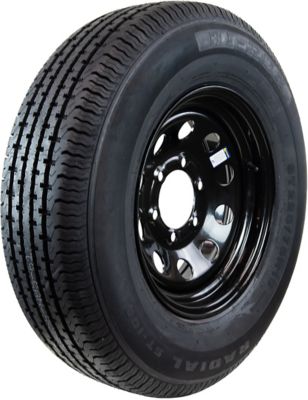
Fitment should come before finish when choosing aluminum trailer wheels. Start by checking the trailer’s hub and axle information, then match the wheel’s bolt pattern exactly. Bolt patterns may use five, six, or eight lugs, and two patterns that look similar can still be different enough to cause an unsafe fit. Measure or confirm the wheel diameter and width, and make sure they work with the tire size listed for the trailer. The wheel’s center bore, offset, and backspacing also matter because the wheel must sit correctly on the hub without contacting suspension parts, fenders, brake components, or the trailer frame. Load capacity is especially important. Add up the expected cargo weight, trailer weight, and any equipment carried on the tongue, then compare that total with the axle, tire, and wheel ratings. The wheel should meet or exceed the required load for its position, with no guesswork based only on appearance or diameter. A larger wheel is not automatically a stronger wheel, and a wheel that fits the tire may still be unsuitable for the trailer’s rated capacity. Check the tire sidewall and trailer information plate, measure carefully, and compare the details with the wheel specifications before ordering. It is also smart to consider how the trailer is used. A rig that stays on paved roads may benefit from a finish chosen mainly for appearance, while a farm trailer that travels over rutted lanes, rocky approaches, and rough gravel deserves close attention to load rating and clearance. Aluminum can be durable and long-lasting with proper care, but it is generally more vulnerable to deep scratches, bends, and impact damage than steel. Avoid striking curbs, rocks, loading dock edges, and hidden holes whenever possible, and inspect the wheels after a hard hit or a trip over rough ground. A bent rim, air loss, vibration, or a tire that no longer sits evenly should be checked before the trailer goes back on the road.
Careful installation and routine checks help aluminum trailer wheels stay dependable through changing conditions. Clean off mud, road salt, manure, and fertilizer residue rather than letting those materials dry onto the finish. Mild soap, water, and a soft brush are usually enough for normal cleaning; harsh abrasives and aggressive chemicals can dull or scratch the surface. Rinse thoroughly and dry around the lug holes and wheel edges, where moisture and grit tend to collect. When installing a wheel, use the correct lug nuts for that wheel style and follow the trailer or wheel manufacturer’s torque instructions with a properly calibrated torque wrench. Recheck lug tightness after the first trip and inspect it at regular intervals, particularly after a wheel has been removed. Trailer tires can lose pressure while a rig sits, so check inflation when the tires are cool and look for uneven wear, sidewall damage, cracking, or objects lodged in the tread. Proper inflation supports the rated load, helps the trailer track more steadily, and reduces heat buildup during a long haul. Store a trailer on a firm, well-drained surface when possible, and cover or shelter it when it will sit unused for an extended stretch. If the trailer carries ramps, machinery, or other heavy gear, distribute the load evenly and keep the center of gravity low. Pairing dependable wheels with the right loading equipment, such as
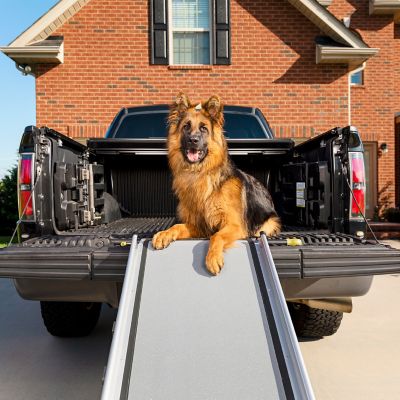
Aluminum Trailer Ramps, can make it easier to move equipment on and off the trailer without unnecessary strain. Before heading out during wet weather or the colder part of the year, take a quick walk around the rig: check the lug nuts, tire pressure, lights, coupler, safety chains, and wheel condition. That small inspection can catch a problem while the trailer is still in the driveway instead of beside a dark highway, muddy field, or busy boat launch.