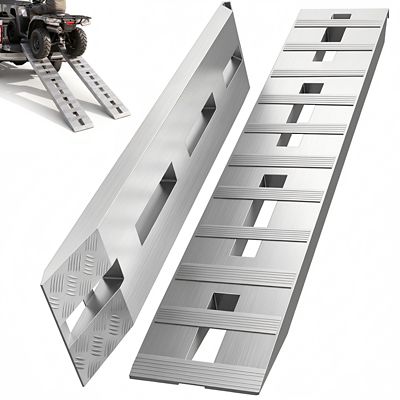
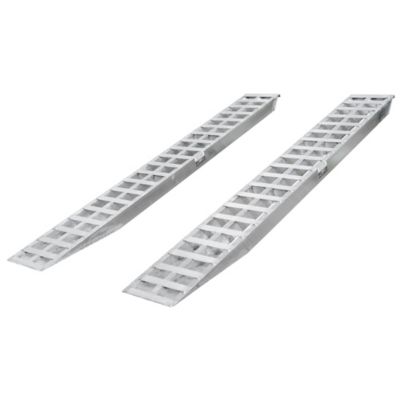
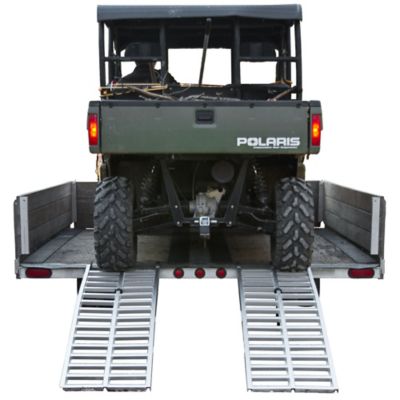
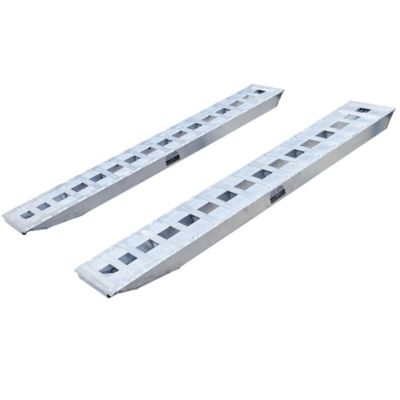
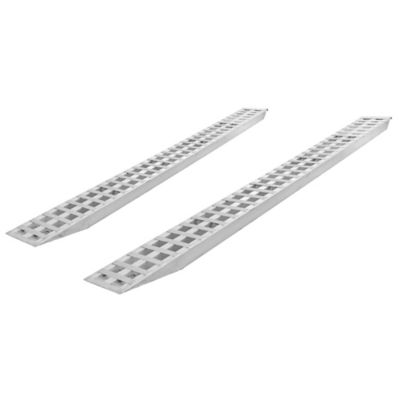
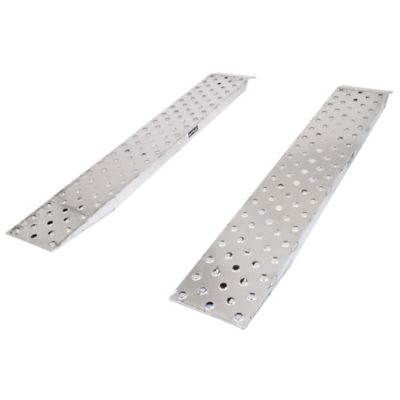
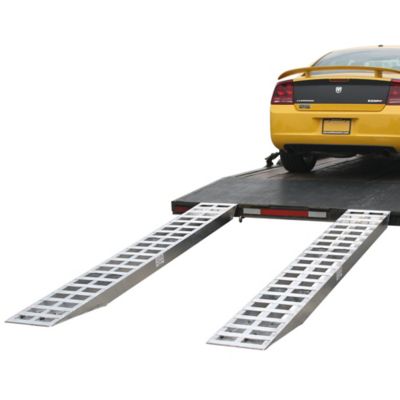
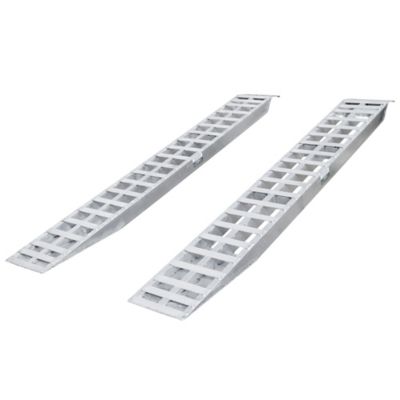
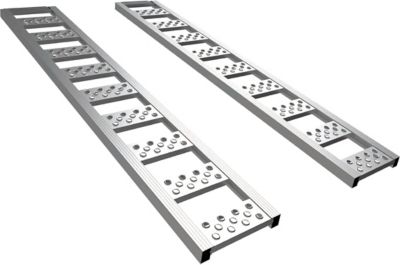
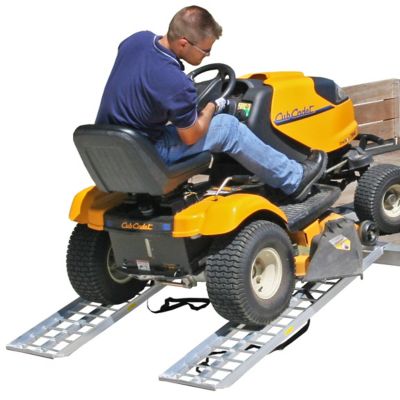
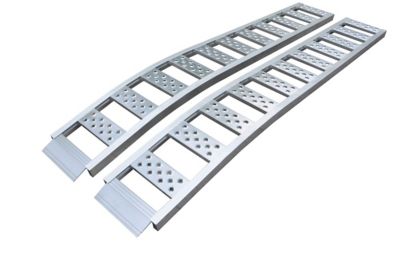
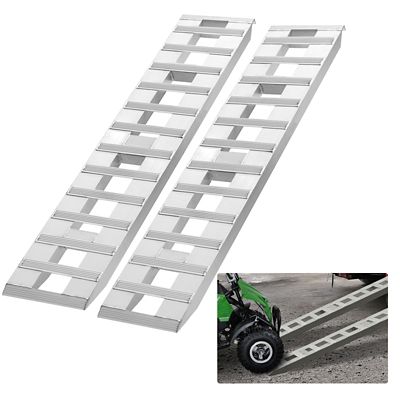
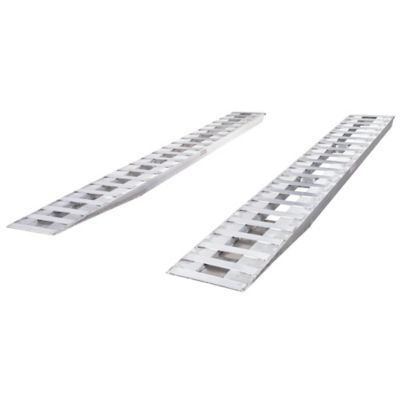
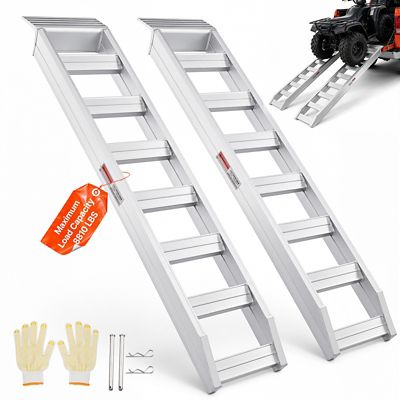
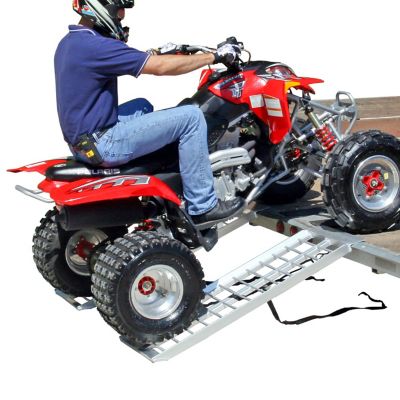
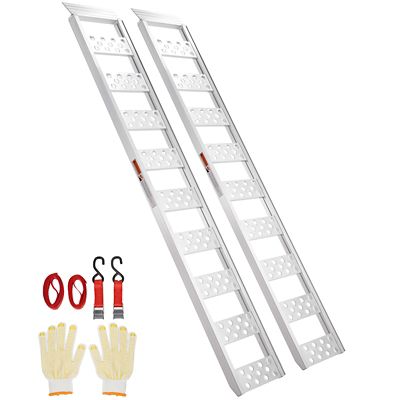
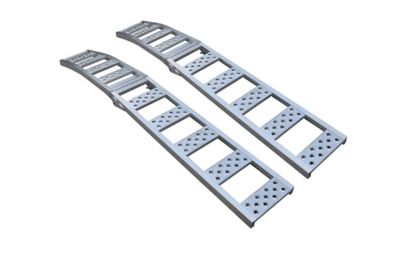
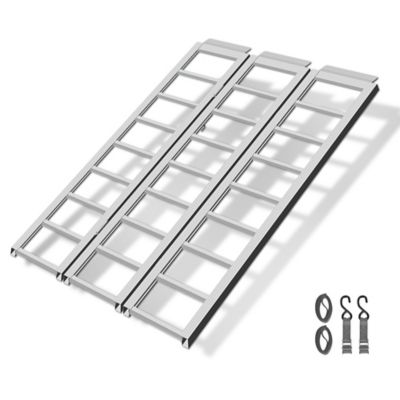
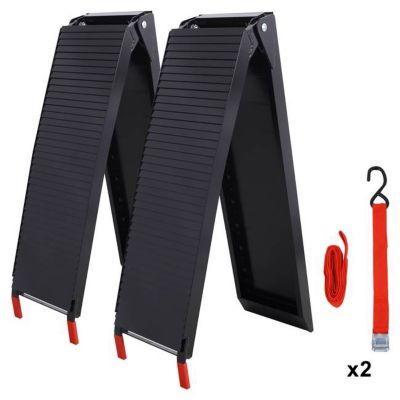
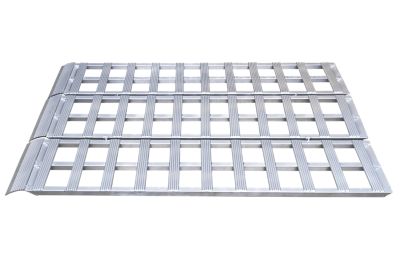
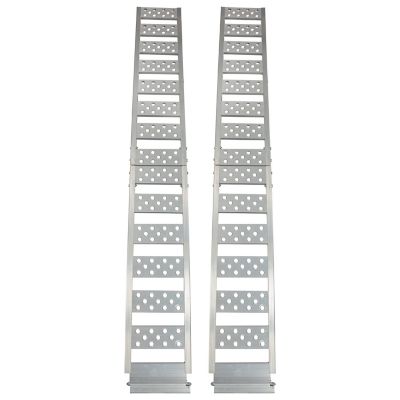
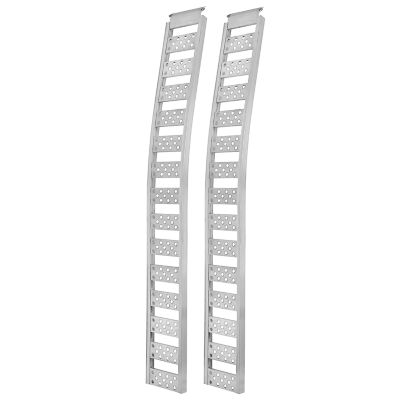
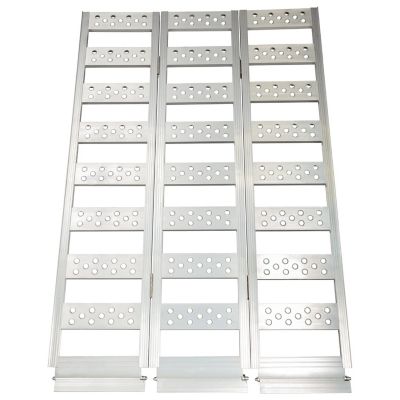
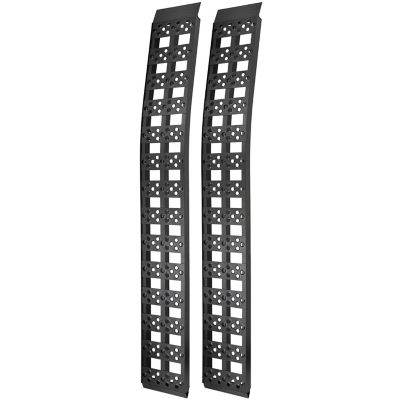
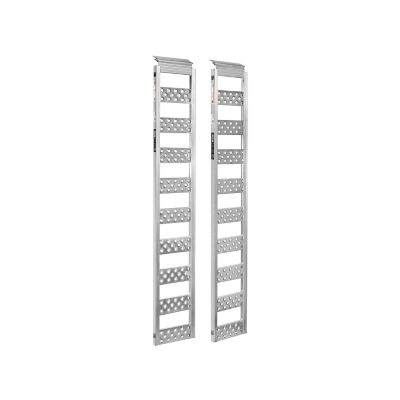
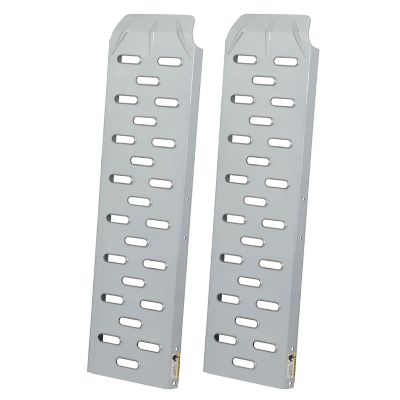
Aluminum trailer ramps are a handy part of the hauling setup for farms, homesteads, workshops and weekend projects. They provide a sloped surface for loading equipment from the ground onto a trailer, helping move ATVs, riding mowers, small tractors, motorcycles, utility carts, generators and other wheeled gear without relying on improvised boards or uneven lumber. Aluminum is popular for this job because it offers a useful balance of strength and lighter weight, making ramps easier to lift, position and store than many steel options. That lighter feel can make a real difference when one person is preparing a trailer in the driveway or out by the barn. Many aluminum ramps also resist rust and corrosion, which is helpful when equipment is used around damp grass, muddy fields, gravel lanes and changing weather. As you look through available options, start by matching the ramp design and load rating to the equipment you plan to haul. The listed capacity should account for the full weight of the machine, along with fuel, attachments, cargo and anything else riding along. A pair of ramps may share the load, but each ramp still needs to support the portion of weight resting on it, especially when a machine has a narrow wheelbase or uneven weight distribution. It is also worth measuring the trailer height, tire spacing and loading surface before choosing a size. A ramp that is too short can create a steep approach, while a longer ramp may offer a gentler angle but require more room to set up and store.
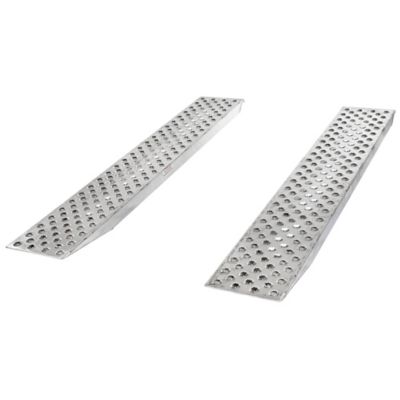
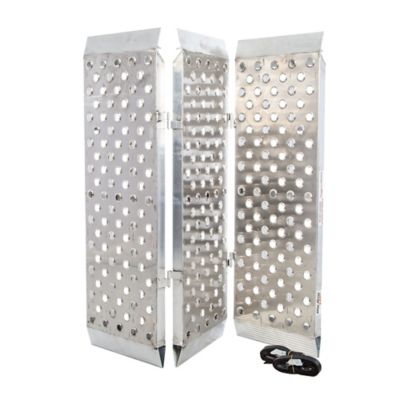
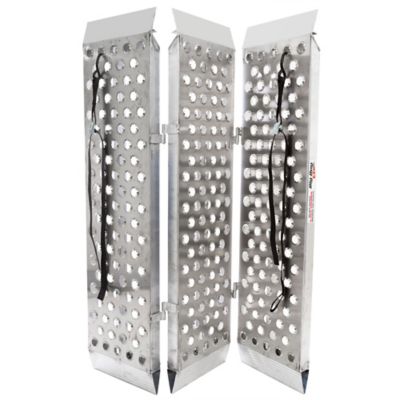
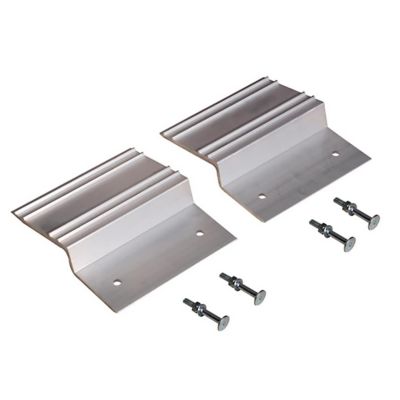
The surface details matter just as much as the overall size. Look for traction features that help tires maintain contact when the ramp is dusty, damp or muddy, since loading conditions are not always as clean and dry as they are in the shop. Raised rungs, expanded metal, punched plate and other tread patterns can provide grip while allowing dirt and water to pass through. The ramp ends and attachment points should sit securely against the trailer, with no rocking, sliding or shifting as equipment moves across the surface. Always confirm that the ramp style works with the trailer's rear edge, tailgate and loading height, and check whether the setup requires pins, straps, brackets or another method to keep the ramps in place. Clearance is another practical consideration. Low-profile equipment may load easily, while machines with a longer wheelbase, low-hanging decks or small front wheels may need a ramp with a smoother transition at the trailer edge. Foldable or pair-style designs can be easier to carry and tuck into a truck bed, trailer side compartment or shed corner, while a straight ramp may suit someone who prefers a simple setup with fewer moving parts. For storage, keep aluminum ramps supported on a flat surface rather than leaving them where they can be bent, struck by heavy equipment or buried under loose tools. Before each use, take a quick look at the rails, welds, hinges, hardware, traction surface and contact points. Clear away packed mud, grass and gravel, and replace or repair any damaged hardware before loading.
These ramps can be especially useful for property owners who move equipment between a house, pasture, hunting cabin, jobsite or equipment shed. A landscaper may use them to load a mower at the end of a long day, while a small-acreage owner may keep them close for hauling an ATV to trail work, moving a garden tractor between fields or carrying a utility cart to a remote part of the property. They also make a practical gift for someone who spends weekends maintaining land, caring for livestock, cutting firewood or working on outdoor projects. During the warmer part of the year, ramps can help with garden hauling, trail riding and seasonal cleanup; during the cooler months, they remain useful for moving snow equipment, feed carts, generators and other gear when ground conditions are less forgiving. Safe loading starts with a firm, level approach and a trailer hitched securely to the towing vehicle. Set the parking brake, keep bystanders and pets away from the loading path, and move at a slow, steady pace without sudden turns or stops. Make sure the machine's tires are properly inflated and that its width fits comfortably between the ramp edges. Once loaded, position the equipment to keep the trailer balanced, then secure it with appropriately rated tie-downs before traveling. The right aluminum trailer ramps can save time, reduce strain and make everyday hauling feel more manageable, whether they live in a barn, truck bed or trailer toolbox. For other portable loading solutions that can be set up and moved around as needed, browse
Removable Ramps.