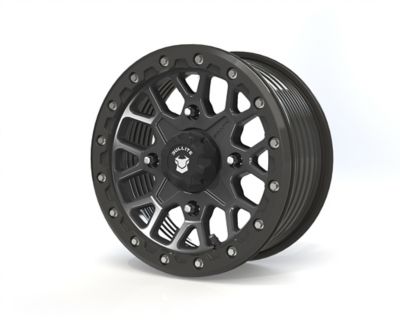
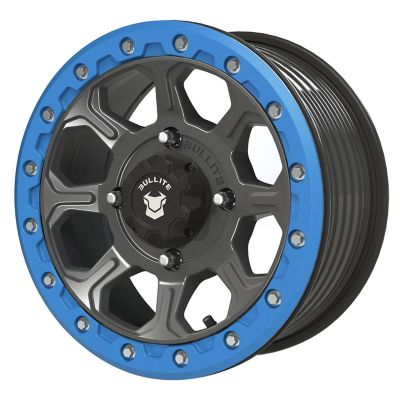
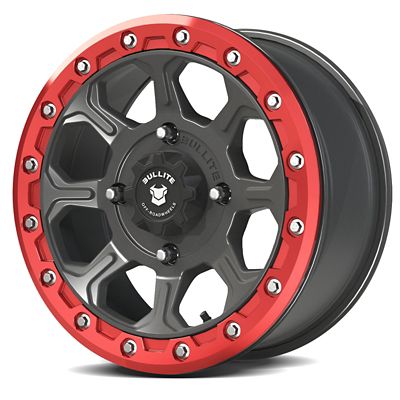
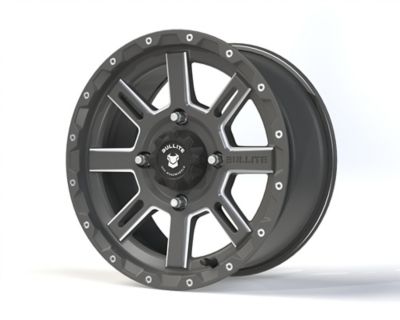
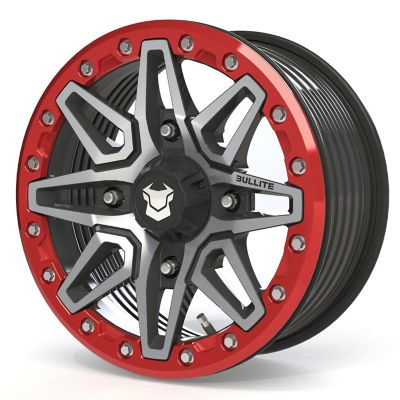
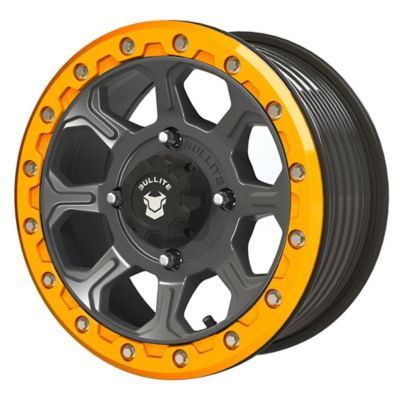
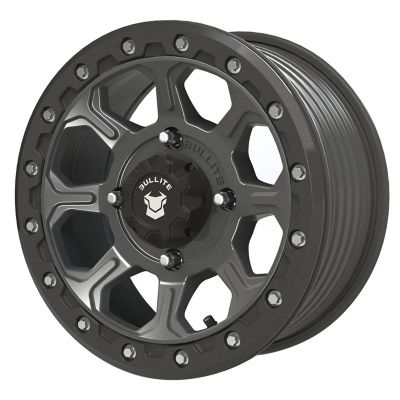
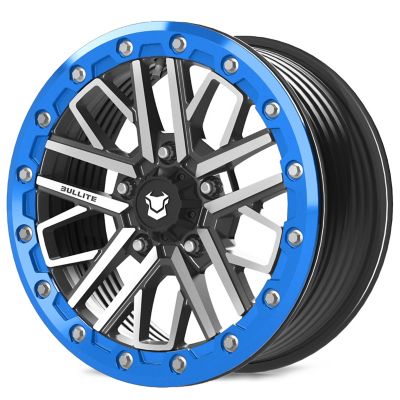
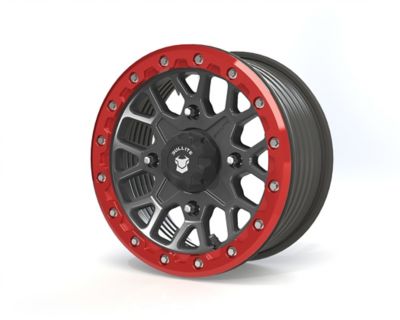
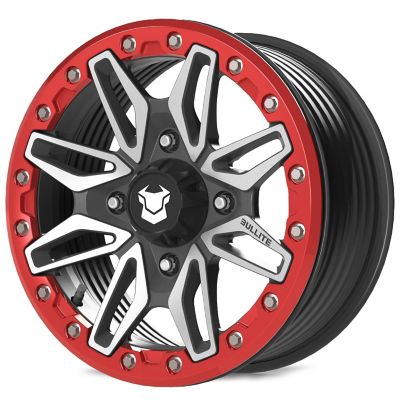
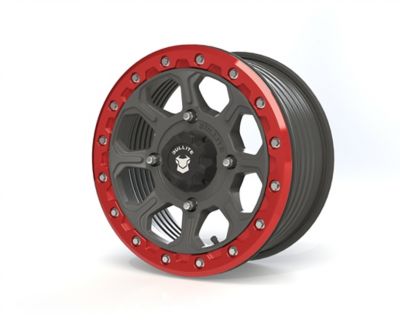
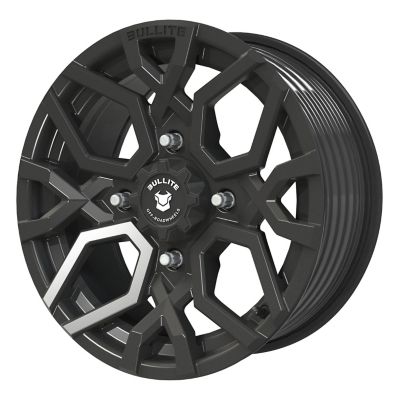
Aluminum alloy wheels are vehicle wheels made from aluminum blended with other elements, commonly silicon or magnesium, to provide a balance of strength, weight and corrosion resistance. They support the tire, attach to the vehicle’s hub and carry the loads that come with driving, braking and turning. Although “wheel” and “rim” often mean the same thing in everyday conversation, the rim is technically the outer portion of the wheel where the tire mounts. Aluminum alloy wheels appear on passenger cars, pickups, SUVs and some trailers, with designs built around different load requirements and driving conditions. Compared with a steel wheel of similar size and load capacity, an aluminum alloy wheel may weigh less, though the actual difference depends on its construction. Lower wheel weight can reduce both rotating mass and unsprung weight—the weight carried below the suspension springs—which may help steering response and suspension movement. Those benefits depend on the whole wheel-and-tire combination, not the wheel material alone. A larger alloy wheel paired with a heavier tire can erase that weight advantage. Construction matters, too. Cast wheels take shape when molten alloy fills a mold, while forged wheels are formed under pressure from a solid piece of metal. Either method can produce a wheel suited to its intended job when its design, testing and load rating meet the application. Spoke layout and surface finish add another layer of choice, from simple painted designs to machined faces and polished surfaces. Open spokes may make brake inspection and cleaning easier, but appearance is only part of the picture. For a pickup that travels between the feed store, the barn and the highway, the right wheel starts with the truck’s requirements and the work it handles, whether that means carrying tools, pulling a trailer or making the daily commute.
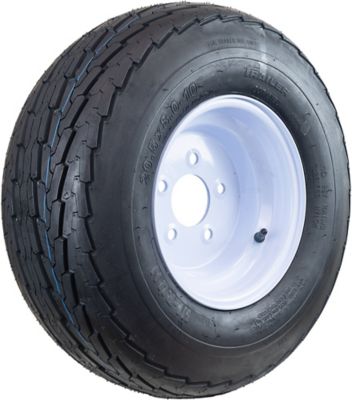
Fit goes well beyond choosing a wheel that looks right beside a tire. Wheel diameter, width, bolt pattern, center bore, offset and load rating all need to match the vehicle’s requirements. The bolt pattern describes the number and spacing of the mounting holes; a matching hole count alone does not establish compatibility. Offset describes the position of the mounting surface relative to the wheel’s centerline, affecting how far the wheel sits inward or outward. A change here can affect clearance around brake calipers, suspension parts and fenders, as well as steering behavior. Backspacing is another measurement that helps describe inward clearance. On a truck that turns into narrow gates or follows rutted lanes, clearance matters through the steering range and suspension travel, not just while parked on level ground. Wheel width also needs to fall within the tire manufacturer’s approved range, and tire diameter must suit the vehicle. Choosing a larger wheel does not automatically mean choosing a larger overall tire diameter; maintaining the intended outside diameter often means changing the tire’s sidewall height. That tradeoff can affect ride comfort and the amount of cushioning between the wheel and a pothole or rock. Load capacity deserves particular attention on work trucks and trailers. Each wheel needs an appropriate rating for its position and application, and adding higher-rated wheels does not increase the vehicle’s factory payload or towing limits. Trailer wheels should meet the trailer manufacturer’s specifications rather than being selected simply because they share a bolt pattern with a tow vehicle. Mounting hardware matters as well: lug nuts must have the correct thread and seat shape, with enough engagement for the application. Brake clearance, valve stems and tire-pressure monitoring sensor compatibility belong in the fit check, too. Vehicle documentation, wheel specifications and a qualified installer can help confirm that these details work together. A wheel is also different from a complete wheel-and-tire assembly, so keeping that distinction clear helps avoid confusion when planning a replacement.
Day-to-day use helps narrow the choices among aluminum alloy wheels just as much as measurements do. A commuter pickup may spend most of its miles on pavement, while a farm truck might cross gravel, loose stone and rough entrances before reaching the road. A trailer hauling equipment has a different job again, with wheel ratings and tire compatibility tied to the weight it carries. For these applications, sensible sizing and a suitable tire sidewall can matter more than a large wheel diameter or an elaborate spoke pattern. Aluminum resists corrosion by forming a thin oxide layer, but that does not make every finish immune to damage. Brake dust, packed dirt and chemical residue can mark surfaces or contribute to deterioration if left in place. Routine cleaning with mild soap, water and a soft brush helps keep buildup from hiding damage, while wheel-safe cleaners should match the finish. Harsh acids, strong alkaline cleaners and abrasive pads can harm coatings or polished surfaces. Letting brakes and wheels cool before cleaning also helps protect the finish. Around a working property, a quick visual check can catch a bent edge, cracked spoke, damaged valve stem or fresh scrape after a hard impact. Vibration, repeated pressure loss or a change in handling calls for inspection rather than an assumption that balancing alone will solve it. Lug fasteners need tightening to the specified torque, with any follow-up checks performed according to the vehicle or wheel manufacturer’s directions. Wheel repairs likewise need professional evaluation; cosmetic damage and structural damage are not interchangeable. For a separate kind of hauling around the property,
Aluminum Carts help move tools and supplies without bringing the truck into every corner of the barn or yard. Vehicle wheels and cart components have different fit and load requirements, but both call for matching the equipment to the task. For aluminum alloy wheels, that means sound fitment, suitable load capacity and regular care that supports a long service life.