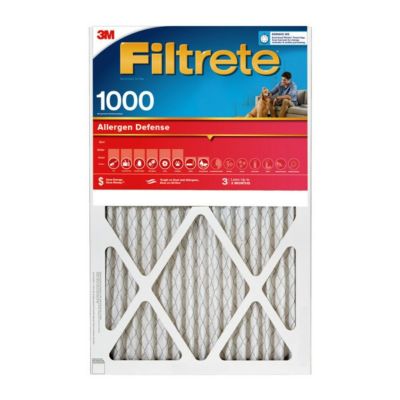
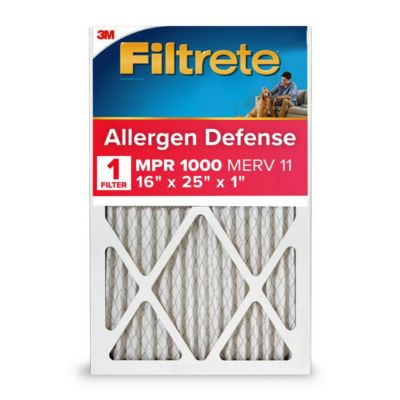
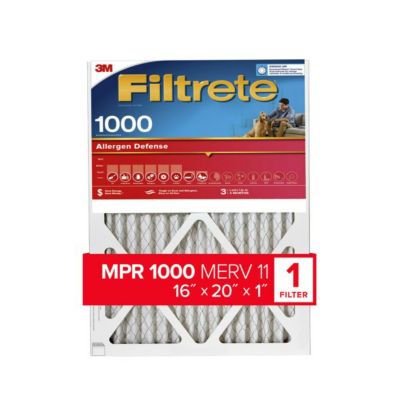
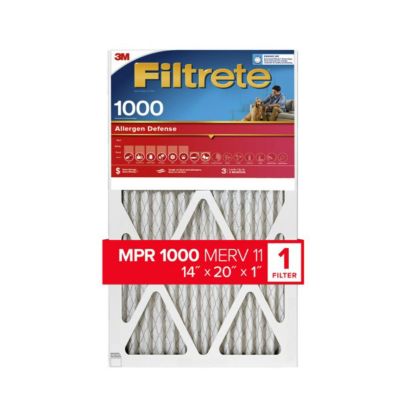
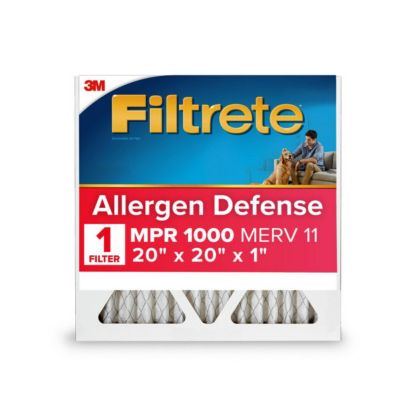
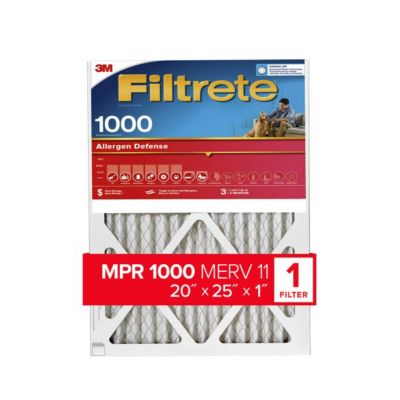
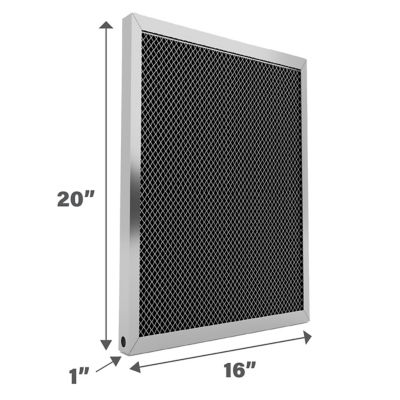
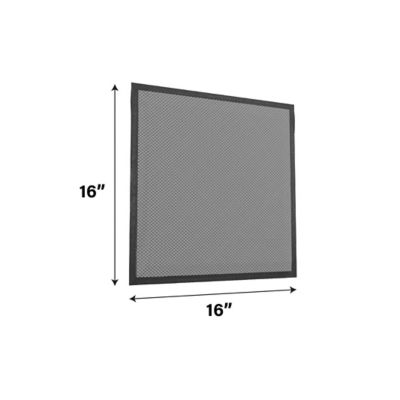
Allergen air filters help capture airborne particles as air moves through a compatible heating and cooling system or air cleaner. For a home where boots come in from a gravel lane and the family dog has a favorite spot beside the couch, that can mean dealing with more than the dust visible on a bookshelf. Pollen, pet dander and dust mite debris can circulate indoors, and filtration designed for those particles can play a part in keeping the air cleaner. Pet hair is easy to spot, but many allergy-related particles are much smaller, so the filter’s stated performance matters more than how thick or substantial it looks. Different filters capture different particle sizes, and no household filter catches everything in a room. Particles have to reach the filter before it can collect them, which makes proper installation and suitable airflow important parts of the picture. These filters make sense for households with indoor pets, busy entryways, carpeted rooms or family members who want to limit airborne allergens. They can also help manage everyday particles carried inside on clothing after yard work or animal chores. A filter is only one part of that effort, alongside vacuuming, damp dusting, washing bedding and keeping indoor moisture under control. Mold spores, for example, may be captured by a suitable filter, but filtration does not fix the damp conditions that allow mold to grow. The same practical distinction applies to dust that has already settled on floors and furniture: a furnace filter cannot collect it while it stays on those surfaces. Allergen air filters are best understood as working parts of a home’s air system, not a promise of an allergen-free house or relief from every allergy symptom. Their value comes from matching particle capture to the equipment and the everyday activity inside the home.
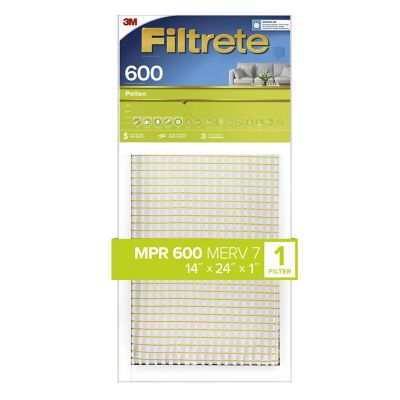
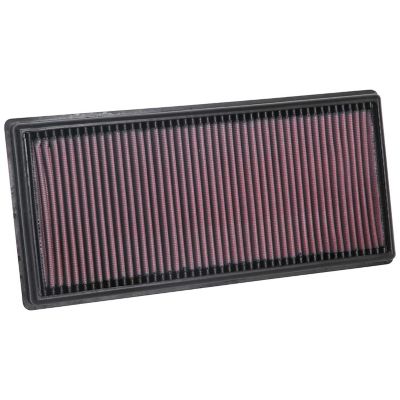
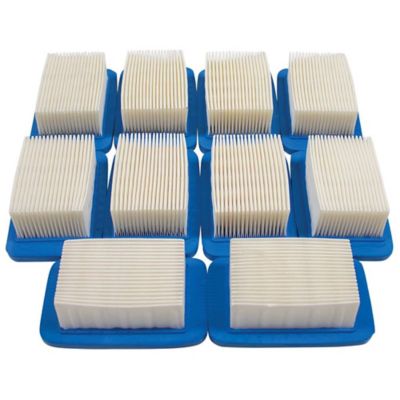
Construction, filtration ratings and fit help separate one type of allergen air filter from another. Many options feature pleated synthetic fibers or other fibrous media, with folds that create more filtering surface within the frame. Depending on the design, a frame may include paperboard, plastic or metal components that support the media and help it hold its shape during normal operation. Some filters rely partly on an electrostatic charge to attract particles, while others emphasize the structure and density of the media. Neither appearance nor the number of pleats alone tells the whole story. For whole-home systems, the minimum efficiency reporting value, commonly called MERV, offers a way to compare tested particle-capture performance. A higher MERV rating generally indicates better capture of smaller particles within the rating system, but the right choice still depends on what the equipment can handle. Airflow resistance varies with filter design, surface area and loading, so simply choosing the highest number is not always the best fit for a particular furnace or air handler. Equipment guidance and filter specifications belong together when comparing options. Within the broader range of
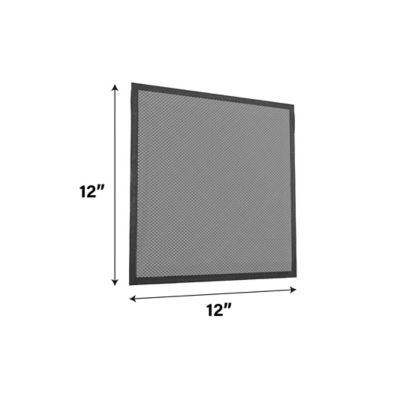
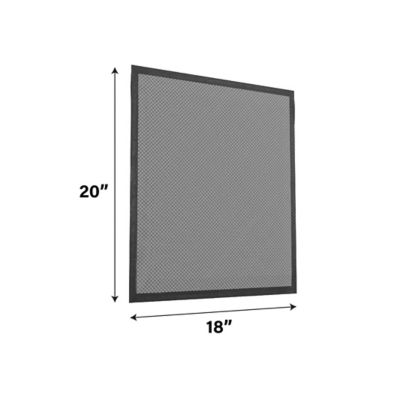
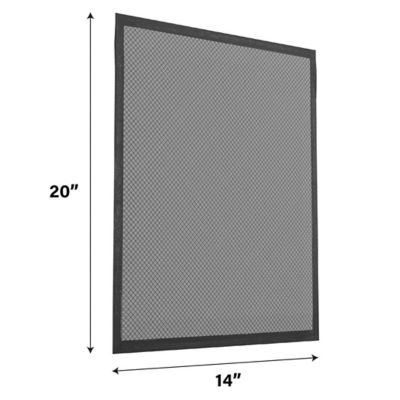
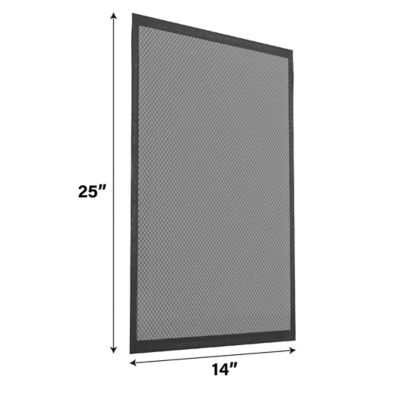
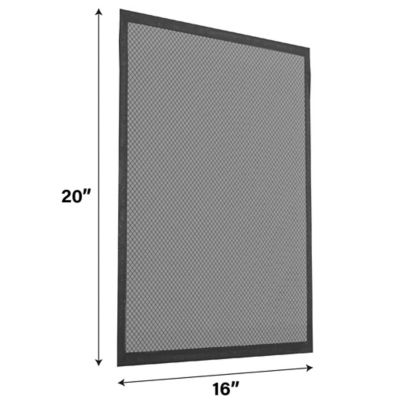
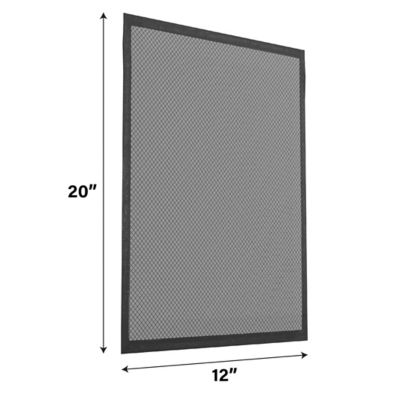
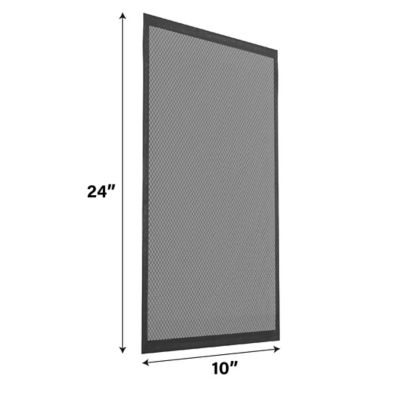
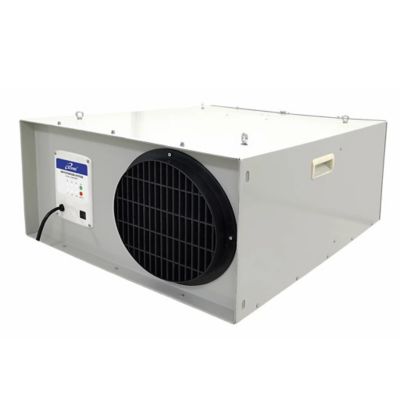
Air System Filters, allergen-focused choices put particular attention on particles such as pollen, dander and other fine debris. Length, width and depth are just as important as filtration performance. The size printed on a filter may be a nominal measurement rather than its exact dimensions, and small differences can affect how it sits in the housing. A snug fit helps limit air slipping around the edges, while an oversized frame can bend or prevent the access panel from closing properly. Deeper media filters require housings built for that depth. Portable air cleaners bring another fit consideration: their replacement filters often match a particular unit design. HEPA filtration follows a different testing standard from MERV-rated HVAC filtration, and the labels do not make those filters interchangeable. A sound match accounts for the filter, its housing and the airflow requirements of the equipment.
Care and replacement needs depend on the filter material, the system’s operating time and what the household sends into the air. A home with several pets may load a filter differently from a quiet household with little foot traffic. Ongoing remodeling can also add substantial airborne debris, although an ordinary household allergen filter is not a substitute for proper dust containment during that work. As particles collect, airflow resistance can increase, making the recommended inspection and replacement intervals worth following rather than treating every home alike. Disposable filters are intended for replacement, not rinsing or scrubbing; washing can damage the media or affect how it performs. Filters specifically labeled as washable have their own care requirements and need to dry completely before returning to service. A frame that stays square, well-supported pleats and an intact seal all contribute to dependable performance throughout the intended service interval. Bent corners, torn media or a poor fit can let air bypass the filtering surface. Installation details matter, too, including the airflow arrow on filters that have a specified direction. For families managing both airborne particles and household smells, the distinction between filtration types is helpful: particle-catching media targets debris, while activated carbon or other sorbent materials address certain gases and odors according to their design. An allergen label alone does not establish odor-removal performance. Practical selection also takes routine upkeep into account, especially when the filter sits behind a ceiling grille, in a utility closet or in another spot that takes some effort to reach. Clear size markings and an accessible housing make that recurring chore less of a hassle. Whether the household includes a cat on the windowsill, a dog stretched across the rug or a steady stream of people coming in from chores, the goal stays straightforward: suitable particle capture, proper airflow and a filter that fits the equipment the way it should.