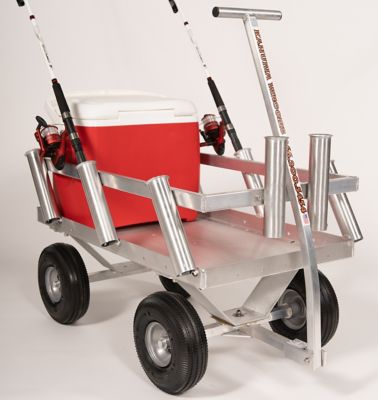
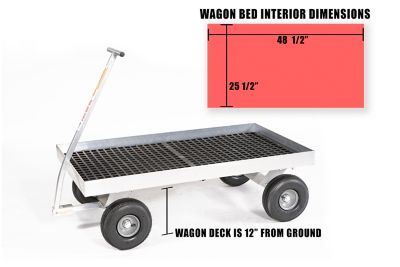
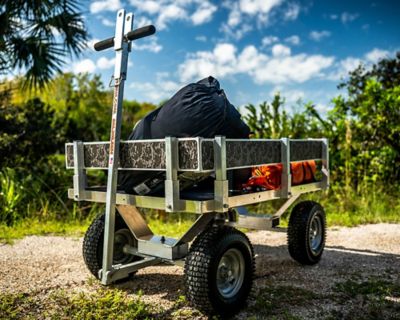
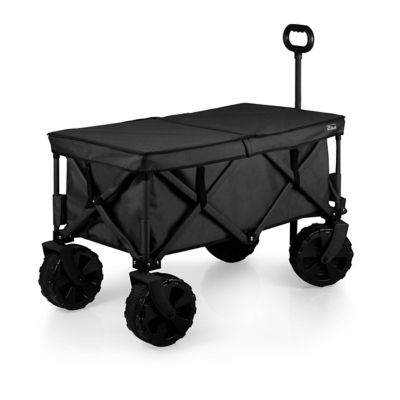
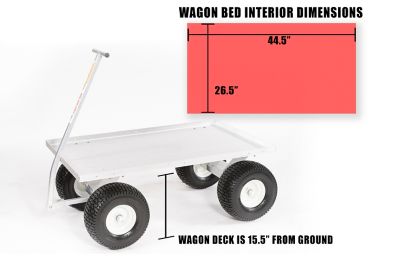
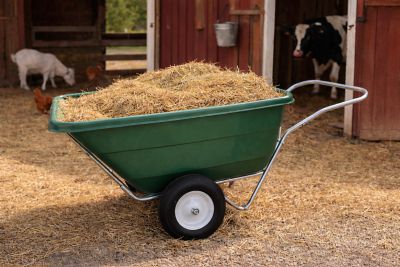
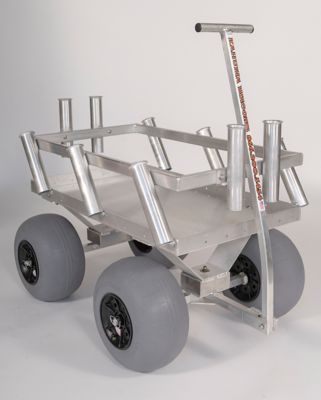
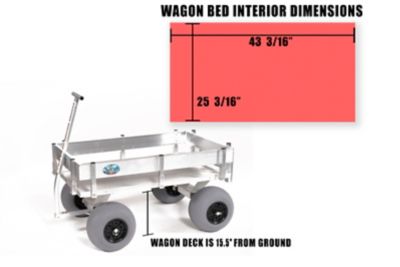
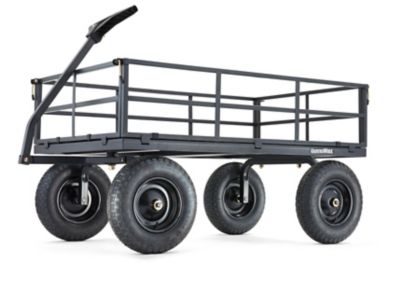
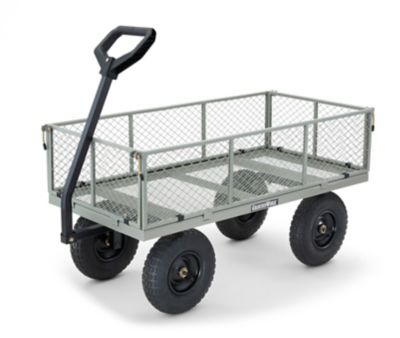
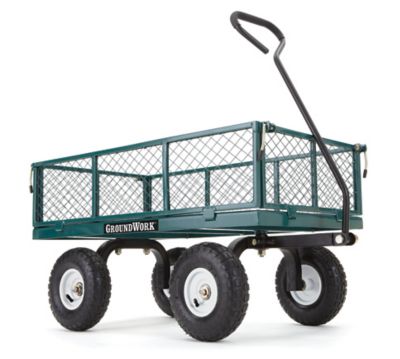
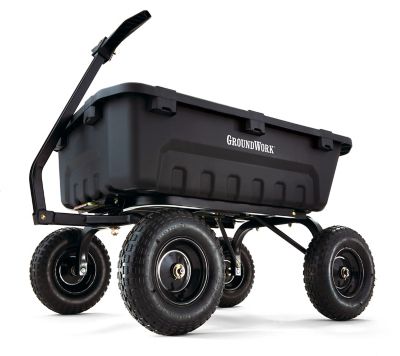
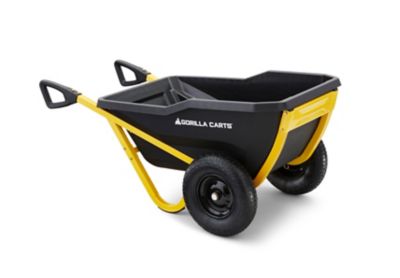
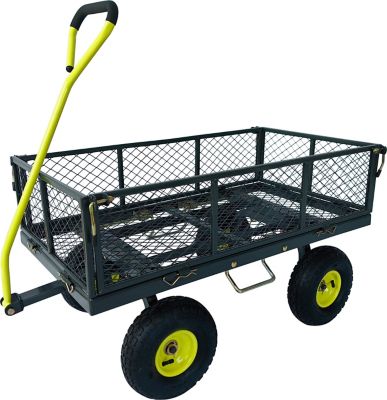
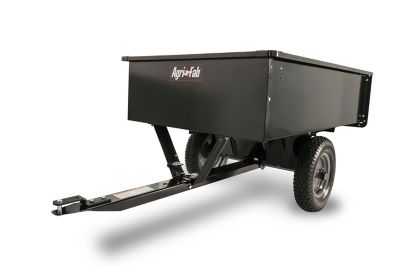
All-terrain wagons are utility carts built to carry gear and supplies across grass, gravel, dirt and other uneven ground. Their larger wheels, sturdy frames and pull handles make them a practical choice for jobs that take you beyond a sidewalk or garage floor. Around a small farm, a wagon can carry feed bags toward the barn, move fencing supplies along a pasture edge or bring garden tools out to a planting bed. Away from home, the same kind of hauling space can help move fishing tackle, picnic gear or chairs between a parking area and a gathering spot. The wheels do much of the work, and their width, diameter and construction affect how a wagon handles different surfaces. Wider tires can spread the load over a larger footprint on loose ground, while larger-diameter wheels can roll over small obstacles more easily than smaller ones. Deep sand and freshly worked soil can still take some pulling, especially with a full load; an all-terrain design does not make every surface equally easy to cross. Pneumatic tires can cushion the ride over rough patches, though they need pressure checks and can develop punctures. Solid and other airless tire designs avoid pressure checks, with ride feel depending on the tire material and wheel construction. Swiveling front wheels can help a wagon turn around a gatepost or the corner of a shed, while handle length and steering clearance affect how naturally it follows behind. Carrying capacity matters, too, but the listed weight limit tells only part of the story. A wagon carrying a compact load on level ground may feel very different when that weight is spread unevenly across a rocky path. Bed dimensions, ground clearance and the distance between the wheels all contribute to how the wagon fits the job. A broad load space may suit chairs and bedding, while heavier supplies call for close attention to the manufacturer’s weight rating and loading directions.
Frame and bed materials shape an all-terrain wagon’s weight, carrying space and everyday upkeep. Steel frames can provide substantial support for hauling chores, while aluminum frames can reduce the weight you lift into a vehicle or move onto a storage shelf. The frame design, joints and hardware matter alongside the metal itself, particularly when a wagon will make frequent trips between the house, barn and garden. A coated finish helps protect exposed metal, although scratches and worn spots still deserve attention. Fabric beds offer a flexible place for awkwardly shaped gear and often fold with the frame, making them handy when storage space is tight. Removable liners can make cleanup simpler after carrying dusty tools or bags that leave a little grit behind. Solid-sided beds contain loose materials differently, and rigid floors can provide a more even base beneath buckets, containers and other concentrated loads. Side height also changes how a wagon works: taller sides help contain lighter gear, while a lower loading edge can make heavy containers less awkward to lift aboard. Drop-down panels and removable sides, where included, can offer more room for longer loads, provided the load stays within the wagon’s stated limits. The most useful layout is one that matches what needs moving without leaving cargo hanging where it can catch a wheel or drag on the ground. Handle shape and adjustment range deserve the same attention as bed space. A comfortable grip and a pulling height that suits the person doing the hauling can make repeated trips less of a strain. Wheel brakes, where fitted, help hold a wagon in place during loading, but they do not replace a level parking spot or careful handling on a slope. Gear stays steadier when heavier pieces sit low and near the center rather than stacked high against one side. Cargo wagons are not automatically suitable for passengers; carrying children or pets requires a model expressly designed for that purpose and attention to its restraints and operating directions.
An all-terrain wagon earns its place when it matches the routes and routines of the household. Someone tending a large garden may value room for hand tools, a kneeling pad and harvested vegetables, while a livestock owner may need a bed that accommodates feed containers without a tall stack. For hauling chairs, a cooler and bedding from the parking area to a campsite,
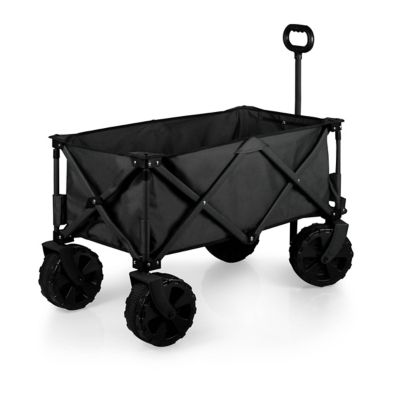
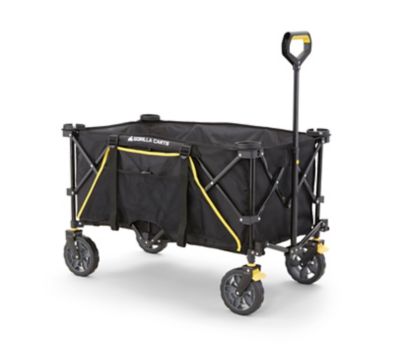
Camping Wagons offer another way to keep shared gear together and cut down on separate carrying trips. A folding frame can be especially helpful for outings because the wagon needs to fit both the load at the destination and the vehicle on the way there. Folded dimensions, overall weight and the effort required to open or collapse the frame all affect that fit. A wagon that folds flat may slide beside other equipment, while one with removable wheels may take a little more setup before the first trip. At home, doorway width, gate openings and the turn into a tack room can matter just as much as total carrying space. These details also make wagons a thoughtful gift for gardeners, campers or relatives who regularly carry supplies across a roomy property, as long as the size and handling suit the recipient. Ongoing care is generally straightforward when it follows the material and manufacturer’s directions. Brushing grit from wheel hubs and folding joints helps keep moving parts clear, and cleaning out the bed prevents small stones or spilled contents from collecting in corners. Fabric liners need time to dry fully after cleaning before the wagon folds away. Tires, axle hardware, handle connections and latches benefit from routine checks, especially after a trip over rough ground. A clean storage spot with room to keep the handle and wheels out of the walkway makes the next hauling job easier to start. With the right balance of wheel design, bed space and manageable weight, an all-terrain wagon can become a familiar part of getting work and gear from one place to another.