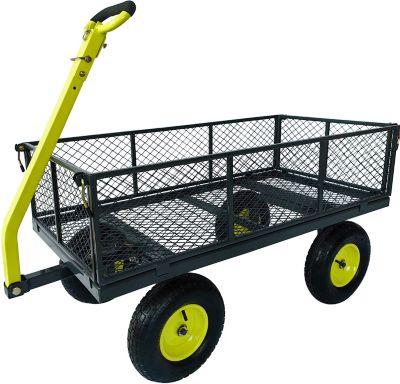
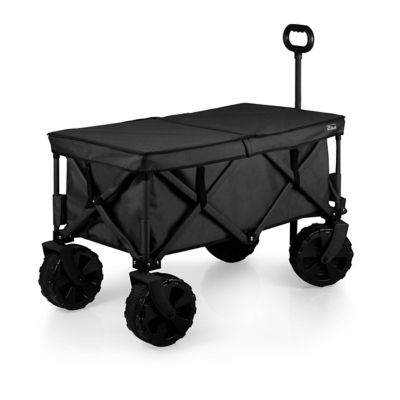
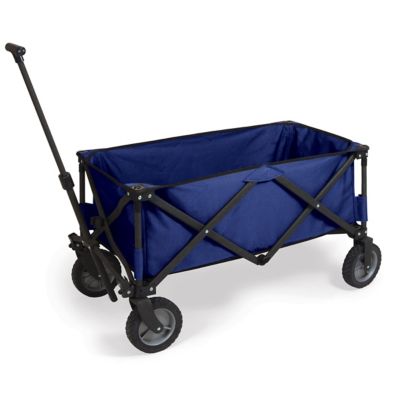
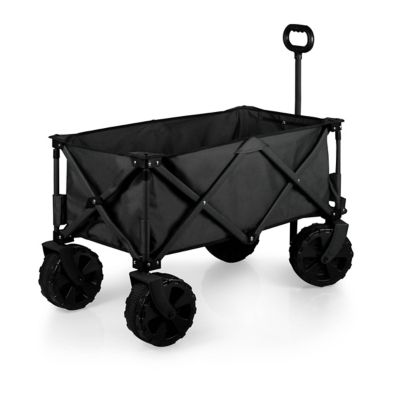
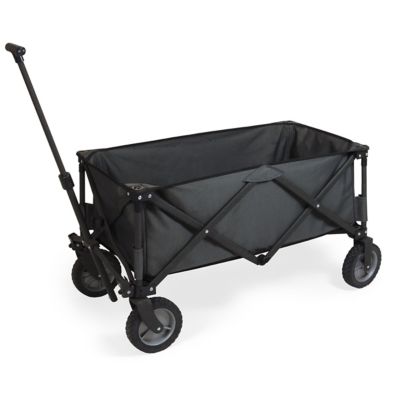
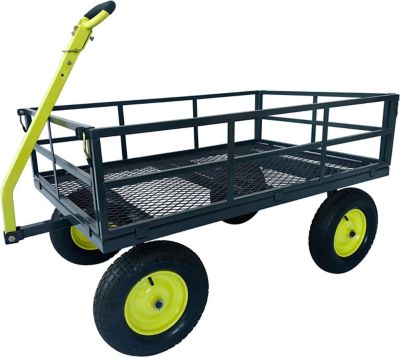
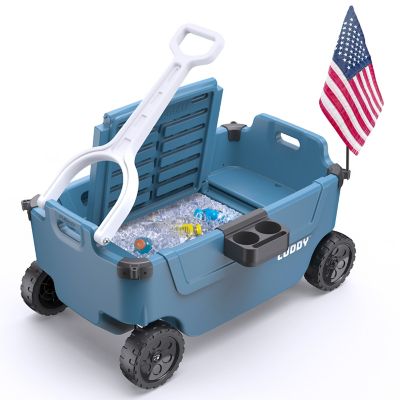
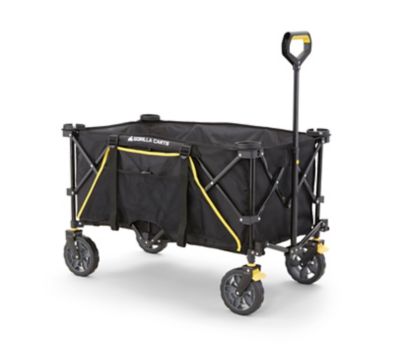
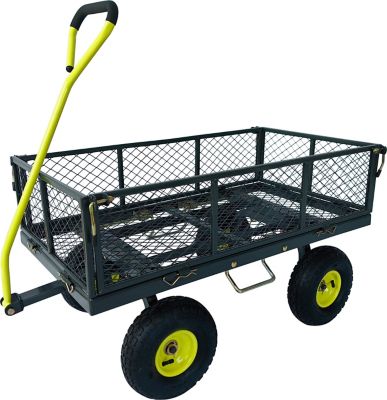
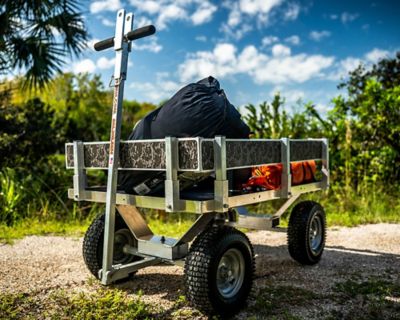
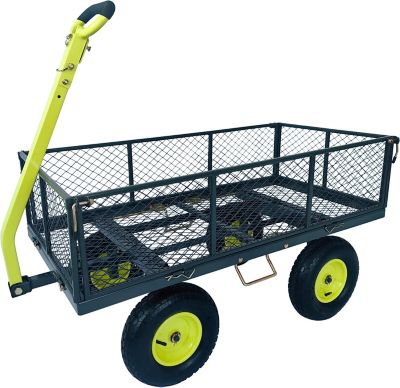
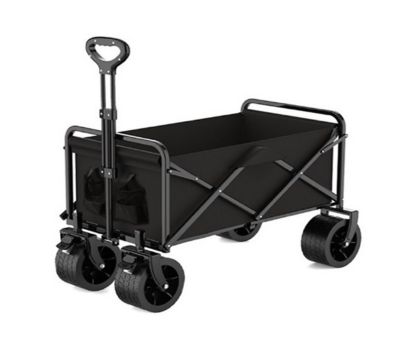
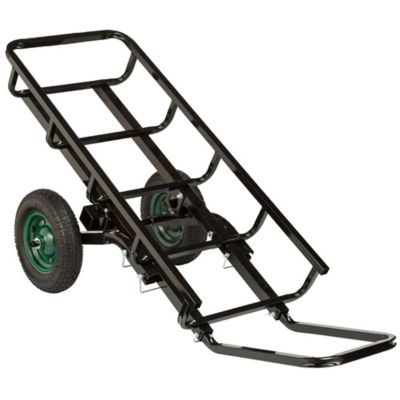
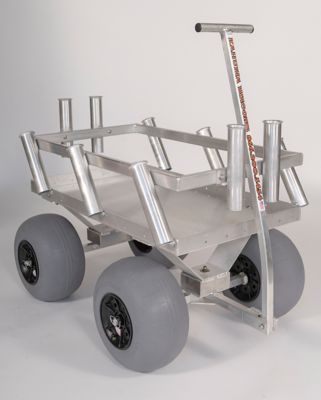
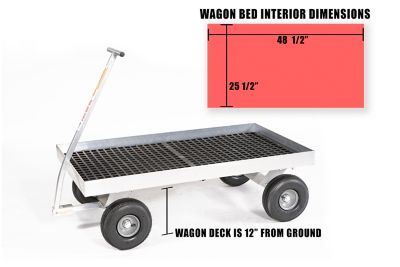
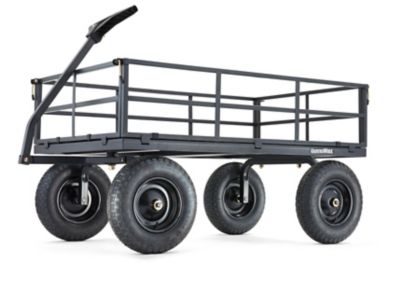
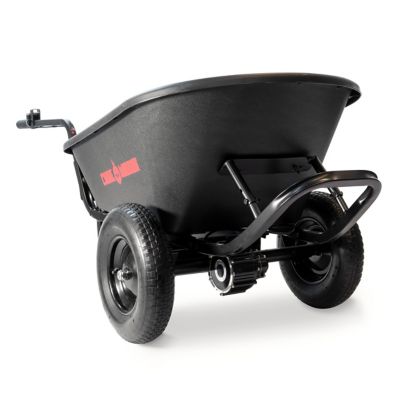
Camping wagons are wheeled utility carts that carry tents, coolers, folding chairs and other supplies between a vehicle and a campsite. Many have a folding frame and fabric cargo bed, making them easier to pack alongside the rest of the camping gear. They fit the kind of trip where the truck can get close to camp, but not quite close enough to unload everything beside the picnic table. A wagon can gather several awkward armloads into one load, leaving a hand free to manage a gate or carry something that needs gentler handling. For families, that might mean hauling sleeping bags, camp chairs and a tote of cooking supplies. For fishing buddies sharing a campsite, it might mean moving tackle, a cooler and food for the weekend. The right size depends on both cargo weight and the space that cargo takes up. A large fabric bed may hold plenty of lightweight bedding without approaching its weight limit, while a full cooler can account for much of the allowable load before the wagon looks full. Published load ratings, bed measurements and the wagon’s own weight all deserve a look together. A high capacity does not necessarily mean an easy pull across a campground. Low, centered packing helps keep the load balanced, especially when a path bends around tree roots or crosses uneven ground. Tall stacks and gear hanging over the sides can make steering harder or catch on nearby brush. Deep sides help contain loose supplies, while an opening rear panel on some designs makes room for longer gear. Separate pockets can keep small essentials from disappearing beneath larger bags. For campers who organize supplies in totes, the inside bed dimensions matter more than the outside measurements. Enough room for a cooler and a familiar storage bin can be more practical than extra space that is hard to pack neatly. A wagon earns its place when its shape matches the gear that actually goes camping.
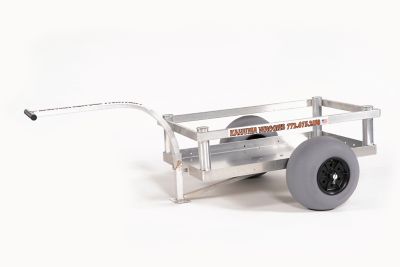
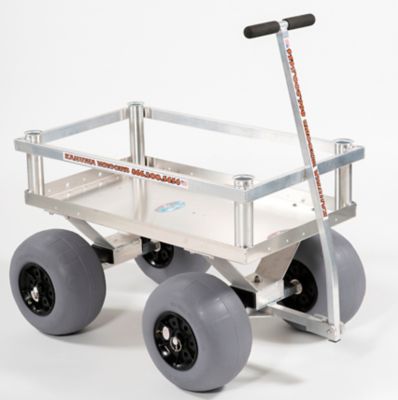
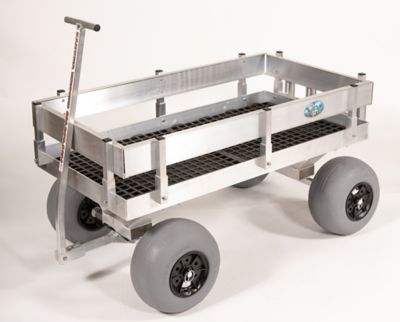
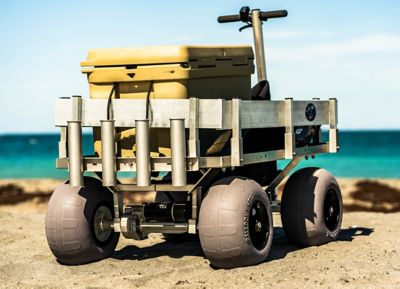
Frame construction, fabric and wheel design all play a part in how camping wagons handle a loaded trip. Steel frames are common, while aluminum frames can help reduce carrying weight; tubing size, joints and overall construction matter alongside the material itself. Reinforced fabric corners and well-supported bottoms help manage the pressure from cooler feet, tote edges and other concentrated loads. Polyester or nylon cargo beds may include coatings that make spills easier to wipe away, although water resistance does not mean the contents stay protected without a separate cover. Removable fabric beds can make cleanup simpler, provided they are taken off and washed according to the maker’s directions. Underneath the bed, wheel size and tread have a big say in where a wagon travels comfortably. Larger-diameter wheels generally roll over small obstacles more easily than smaller ones, and wider wheels spread the load across a broader surface. Neither feature makes every trail suitable for a loaded cart. Deep gravel, loose sand, steps and narrow paths can still turn a short haul into hard work. For trips that include sandy access routes,
Beach Wagons are another category worth comparing for wheel width, cargo space and handling. Solid tires avoid air-pressure checks, while pneumatic tires call for pressure checks and bring a different ride feel. Swiveling front wheels can help with tight turns between a picnic table and a tent, but steering layout matters when backing out of a cramped spot. An adjustable handle helps put the grip at a comfortable height, and enough clearance between the handle and front wheels keeps turns from feeling crowded. Wheel locks or parking brakes, when included, help hold a stopped wagon in place, though they are not a substitute for choosing level ground. A clear route and a manageable load matter more than an all-terrain label, particularly when the path slopes or the cargo blocks the view ahead.
The fit back at the vehicle matters just as much as the fit at camp. Folded height, width and depth determine whether a camping wagon slips behind a pickup seat, fits beside a cooler in an SUV or needs its own stretch of cargo space. Folding styles vary: some collapse inward into a narrow bundle, while others fold flatter. A retaining strap or storage cover can help keep the folded frame together, and a carry handle gives a better lifting point than grabbing a loose wheel or section of fabric. The empty weight is worth considering for anyone who will lift the wagon into a taller vehicle or carry it up steps. At the campsite, bed height affects how far someone bends to unload, while the overall width determines whether the wagon clears gates and fits along narrow approaches. These details also make a difference when choosing a camping wagon as a gift for a parent, grandparent or friend who enjoys setting up a well-organized camp. Matching the wagon to their vehicle, typical load and lifting comfort is more thoughtful than choosing by capacity alone. Care between trips helps keep the frame, fabric and moving parts ready for the next outing. Loose dirt and grit can be brushed out of the bed, spills wiped away as directed, and the fabric allowed to dry completely before folding. Wheel hubs and folding joints deserve attention because sand, small stones and tangled grass can interfere with movement. Fasteners, seams and the bottom support should be checked for wear, especially after hauling heavy loads over rough ground. Camping cargo wagons are not automatically suitable for carrying children or pets; that requires a model specifically designed and rated for passengers. With the right dimensions, a sensible load and regular care, a camping wagon can take much of the back-and-forth out of settling into camp, keeping the cooler, chairs and cooking supplies moving together instead of one armload at a time.