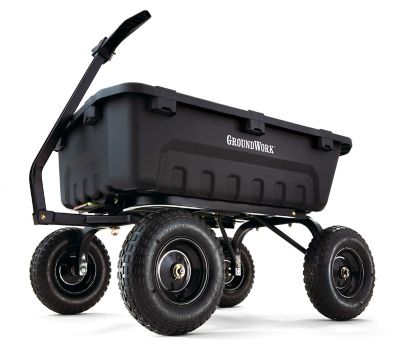
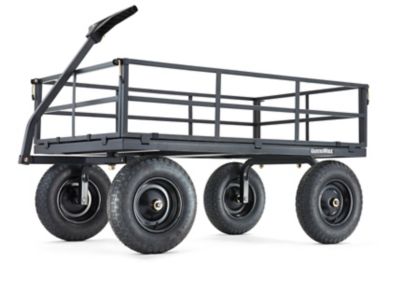
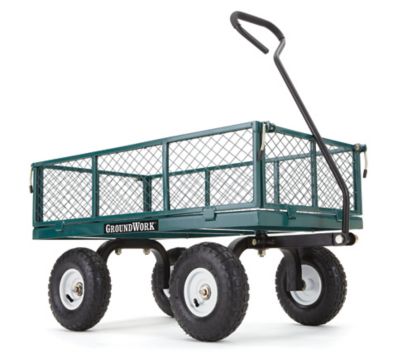
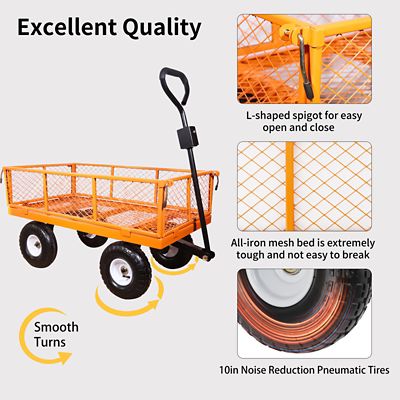
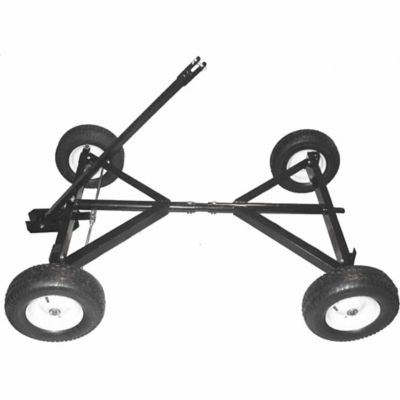
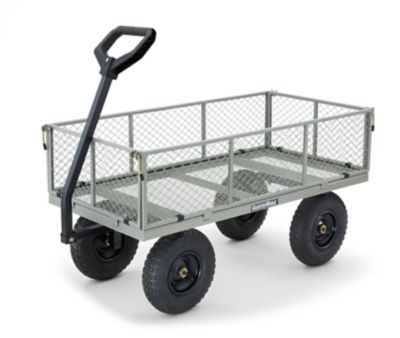
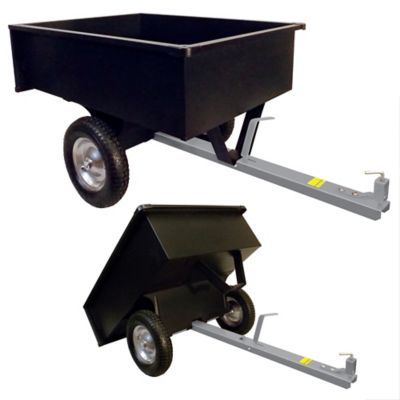
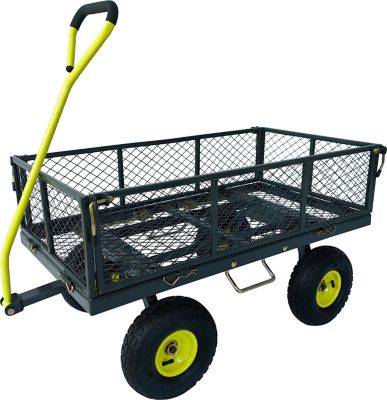
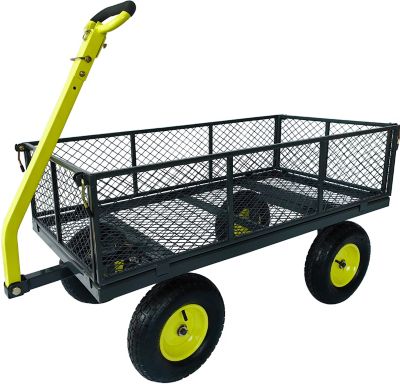
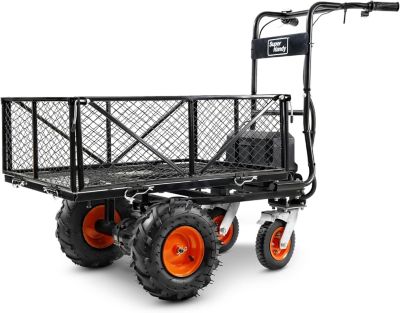
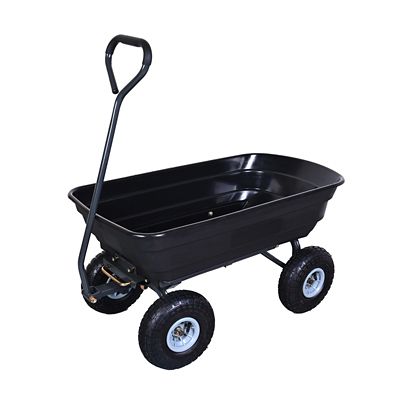
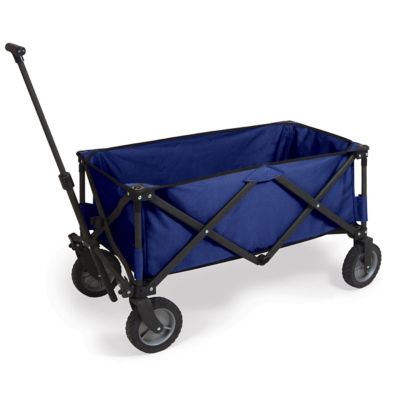
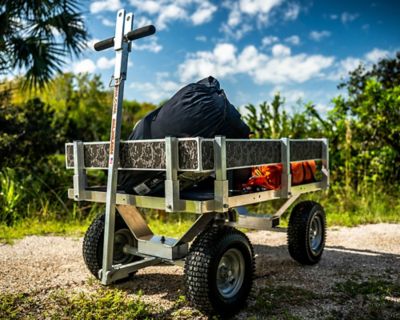
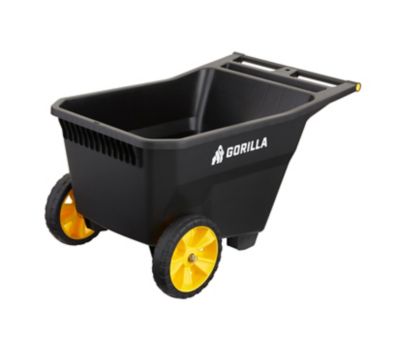
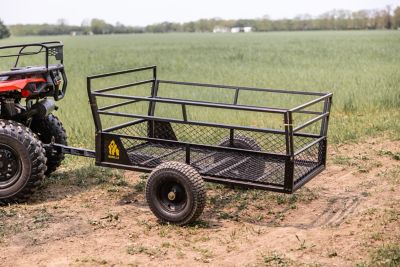
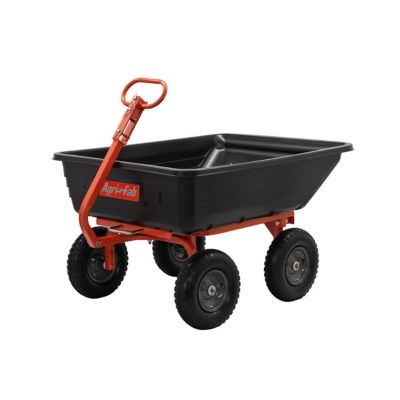
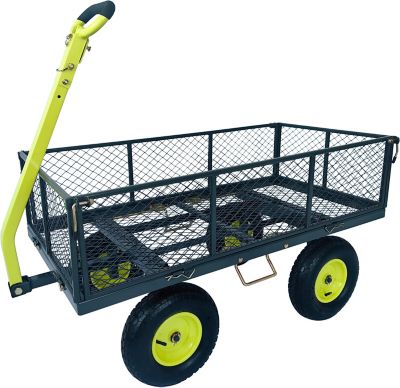
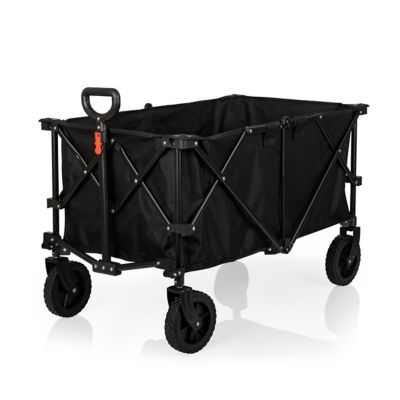
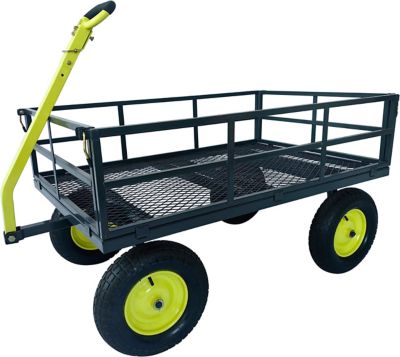
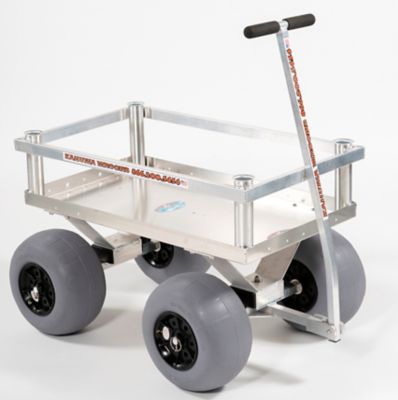
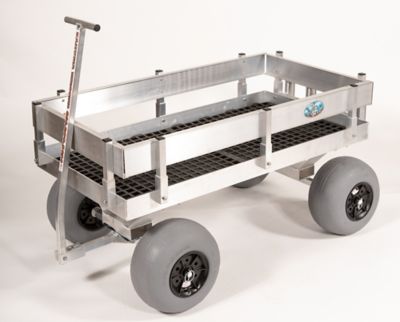
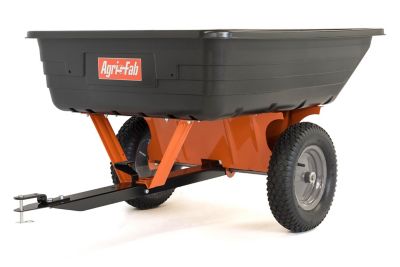
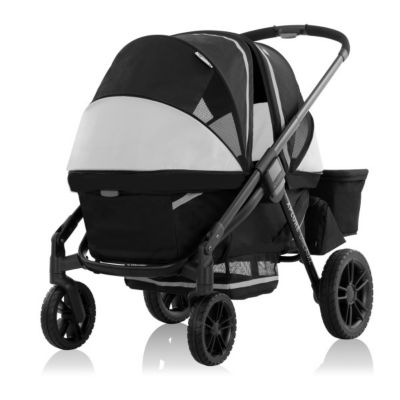
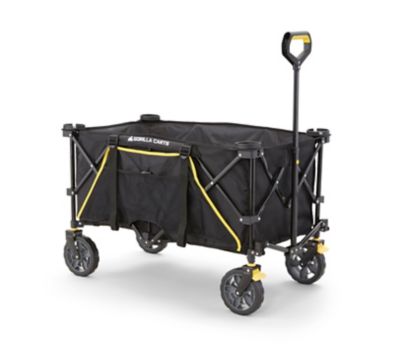
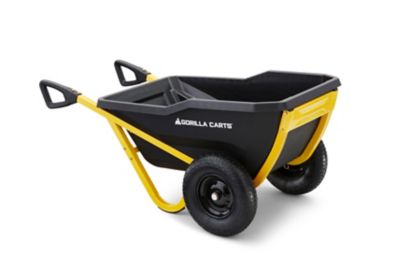
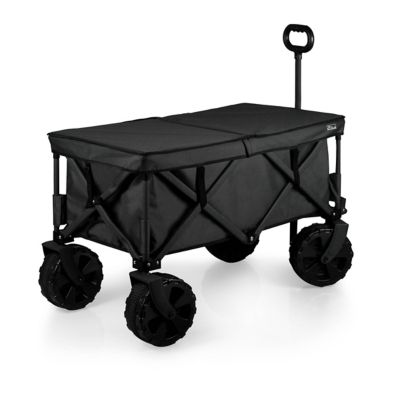
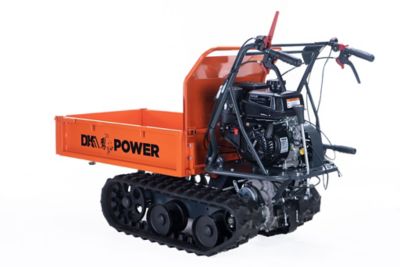
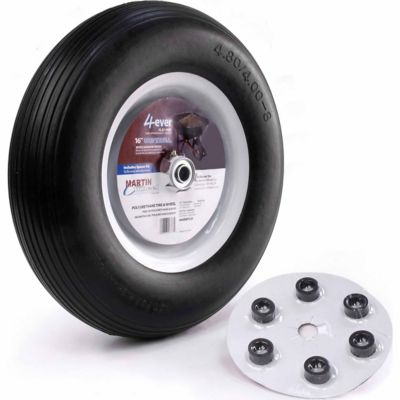
Large wagons bring an extra measure of muscle to everyday hauling around the farm, homestead, yard, or jobsite. With a roomy bed and sturdy wheels, they help move firewood, feed bags, fencing supplies, garden tools, mulch, soil, feed buckets, and other bulky loads without making several trips by hand. A large wagon can also come in handy when the ground is uneven or the distance between the truck, shed, barn, and garden feels longer than it looks. Look for a wagon with a weight capacity that matches the work you expect to do, along with a frame and bed built to handle regular use. A wide wheelbase can offer steadier handling when the load is stacked high, while larger, air-filled tires may roll more smoothly across gravel, pasture paths, packed dirt, and rough lawn. For paved areas and finished surfaces, solid tires can be convenient since they do not need air and are less likely to go flat. Pay close attention to the handle, too. A comfortable pull handle with a secure grip makes a difference when a wagon is full, and a handle that pivots or stores out of the way can make parking and storage easier. Features such as removable sides, a dumping bed, or a folding frame may also help a wagon fit the way you work and the space you have available. Before choosing, measure gates, shed doors, trailer ramps, and other narrow passages the wagon will need to travel through. A wagon that carries plenty of material is useful, but one that can move easily through your property will earn its place beside the barn.
A large wagon can serve a lot of different folks. Gardeners use one to bring compost and potting soil out to the beds, then haul weeds, branches, and spent plants back to the pile. Livestock owners can load up hay, bedding, mineral, water containers, or daily chores supplies and keep everything together for the trip. Around a country home, it may carry split wood toward the porch during the cooler months, gather storm-dropped limbs, or move bags of salt and tools when outdoor work picks up. Hunters, landowners, and property managers may find a wagon useful for transporting equipment along field edges and wooded paths, while contractors and maintenance crews can use one to keep hand tools and materials close as they work. It can even make outdoor gatherings easier by carrying coolers, folding chairs, blankets, or fire pit supplies from the truck to the setup area. Families often appreciate a sturdy wagon for helping children collect leaves, pinecones, or garden harvests, though loads should always be balanced and young riders should be supervised according to the wagon’s intended use and safety instructions. Large wagons can make thoughtful gifts for a new homeowner, gardener, acreage owner, or anyone who spends weekends improving a piece of land. They are especially practical for people who have plenty of room to care for but do not always want to bring out a tractor or wheelbarrow for a smaller job. For heavier hauling over longer distances, shoppers may also want to compare standard push or pull models with
Motorized Wagons, which can provide powered assistance when a loaded wagon would be difficult to move by hand.
The best wagon for your property should fit both the work and the person using it. Consider whether you will pull it by hand, attach it to a lawn tractor or utility vehicle, or rely on powered movement, and check the manufacturer’s guidance before connecting any wagon to another machine. Keep heavy items low and centered over the axle, place lighter materials on top, and secure loose loads so they do not shift on hills or rough ground. Do not exceed the stated capacity, since an overloaded wagon can become hard to steer, difficult to stop, and tough on the frame and tires. A bed with useful side height can keep branches, bags, and tools from sliding out, while a lower profile may make loading heavy items easier. Think about cleanup as well. A surface that wipes down easily is helpful when hauling damp leaves, manure, soil, or muddy equipment, and a drain opening can be useful after washing out the bed. Store the wagon under cover when possible, especially during long stretches of wet weather, and check tire pressure, wheel hardware, hitch points, and the frame before putting it to work. A quick inspection is easy to fold into the morning chores and can help catch a loose bolt or worn tire before a full load is on board. As the weather warms, a large wagon can shorten the distance between the garden and the shed; during the cooler months, it can take the strain out of gathering wood, bedding, and supplies. With the right size, capacity, and wheel design, it becomes one of those dependable pieces of equipment that quietly helps with the work from one season to the next.